As coastal communities face escalating climate threats, developing a comprehensive coastal resilience master plan has become critical for protecting vital infrastructure and communities. These resilience strategies integrate cutting-edge engineering, environmental science, and urban planning to create robust defense systems against rising seas, intensifying storms, and erosion.
A well-designed coastal resilience master plan coordinates multiple layers of protection, from natural solutions like wetland restoration and living shorelines to engineered infrastructure including seawalls and storm surge barriers. This systematic approach not only shields coastal assets but also enhances ecosystem services, supports local economies, and promotes sustainable development.
By incorporating advanced climate modeling, risk assessment frameworks, and stakeholder engagement processes, these plans provide a scientific foundation for decision-making while ensuring community buy-in. The most effective plans balance immediate protective measures with long-term adaptation strategies, creating flexible frameworks that can evolve as environmental conditions change and new technologies emerge.
Through strategic investment in coastal resilience, communities can transform vulnerable waterfronts into dynamic, adaptive spaces that protect both natural and built environments while maintaining their essential character and economic vitality.
Understanding Coastal Threats to PV Systems
Salt Corrosion and Humidity Impact
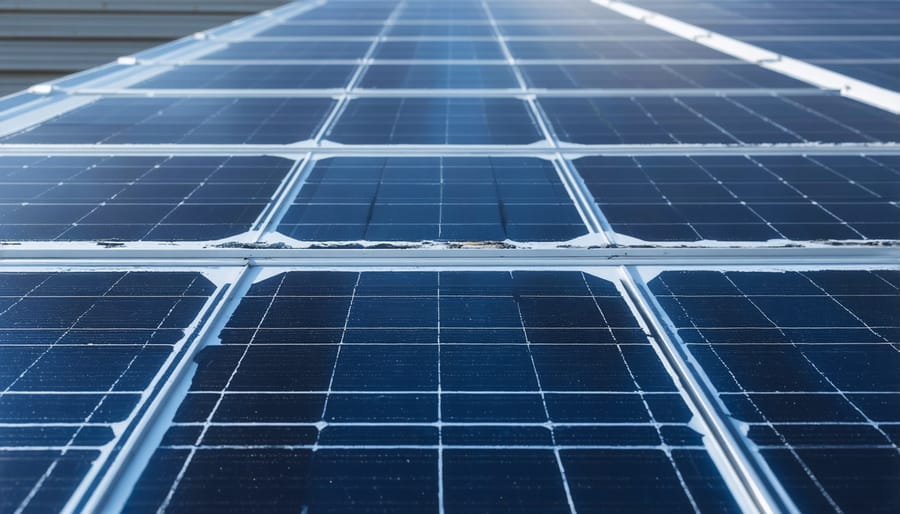
The marine environment poses significant challenges to photovoltaic systems installed in coastal areas. Salt-laden air and high humidity levels create a particularly corrosive atmosphere that can accelerate the degradation of PV components. Salt particles carried by sea breezes can accumulate on module surfaces, leading to reduced light transmission and decreased energy output. When combined with moisture, these deposits form a highly corrosive solution that can compromise the integrity of module frames, mounting structures, and electrical connections.
Humidity impact manifests through various mechanisms, including accelerated oxidation of metallic components and potential delamination of module materials. The constant exposure to moisture can lead to water ingress in junction boxes and connectors, potentially causing short circuits and system failures. Additionally, the combination of salt and humidity creates an electrochemical environment that particularly affects aluminum frames and steel mounting structures, leading to galvanic corrosion.
These environmental factors necessitate specific material selections and protective measures. Components must be marine-grade with appropriate protective coatings or inherent corrosion resistance. Regular maintenance protocols should include thorough cleaning to remove salt deposits and inspection of seals and protective barriers. Understanding these impacts is crucial for developing effective mitigation strategies and ensuring long-term system reliability in coastal installations.
Storm Surge and Flooding Risks
Storm surge and flooding present significant challenges to coastal photovoltaic installations, requiring careful assessment and strategic planning. These water-related risks can cause extensive damage to electrical components, compromise structural integrity, and lead to system failures if not properly addressed.
During severe weather events, storm surges can reach heights of several meters, potentially submerging ground-mounted solar arrays and electrical equipment. The combination of saltwater exposure and powerful wave action poses dual threats: immediate physical damage and long-term corrosion issues. Historical data indicates that flooding events in coastal areas have increased by 300% in the past 50 years, emphasizing the growing importance of robust protection measures.
Comprehensive flood risk assessments must consider multiple factors, including local topography, historical flood patterns, and projected sea-level rise scenarios. Critical evaluation points include:
– Base flood elevation (BFE) measurements
– Storm surge vulnerability mapping
– Soil erosion potential
– Drainage system capacity
– Equipment elevation requirements
– Groundwater table fluctuations
These assessments inform crucial design decisions, such as minimum mounting heights for equipment, selection of water-resistant components, and implementation of appropriate drainage solutions. Modern modeling techniques incorporate climate change projections to ensure installations remain resilient throughout their operational lifetime, typically 25-30 years.
Core Components of a Coastal PV Resilience Plan
Site Selection and Elevation Strategies
Site selection in coastal areas requires careful analysis of multiple geographic and environmental factors to ensure long-term system resilience. The optimal positioning of photovoltaic installations should consider both current sea levels and projected future scenarios, incorporating a minimum elevation buffer of 2-3 meters above the highest recorded storm surge levels.
Critical elevation strategies include raised mounting structures, elevated equipment pads, and strategic placement of critical electrical components. All essential system elements should be positioned above the base flood elevation plus an additional freeboard height determined by local flood maps and climate projections. For ground-mounted systems, developers should implement proper grading and drainage solutions to direct water flow away from critical infrastructure.
When selecting sites, priority should be given to locations with natural protective features such as dunes or elevated landscapes that offer inherent barriers against storm surge and flooding. The site’s soil composition and stability must be thoroughly evaluated, particularly in areas prone to erosion or subsidence. Implementation of proper foundations, such as helical piers or reinforced concrete bases, helps ensure structural integrity during extreme weather events.
Distance from the shoreline should be carefully considered, with installations preferably positioned beyond the velocity zone where wave action poses the greatest threat. This positioning must balance coastal hazard exposure with optimal solar resource availability to maintain system efficiency while ensuring long-term sustainability.

Material Selection and Protection Methods
In coastal environments, selecting appropriate materials and implementing protective measures is crucial for photovoltaic system longevity. Marine-grade stainless steel (316L grade) serves as the primary material for mounting structures and hardware, offering superior corrosion resistance against salt spray and high humidity. All electrical components must be housed in NEMA 4X-rated enclosures, specifically designed to withstand harsh coastal conditions.
To boost solar panel efficiency and durability, panels should feature specialized glass coatings resistant to salt deposits and marine aerosols. Anti-corrosive treatments, including hot-dip galvanization for steel components and anodization for aluminum elements, provide additional protection against oxidation.
Protective measures must include regular application of marine-grade sealants at all connection points and the implementation of sacrificial anodes where appropriate. A multi-layer coating system, comprising zinc-rich primers and UV-resistant topcoats, should be applied to all exposed metal surfaces. Cable management systems require marinized materials with enhanced water-resistance properties.
The installation design must incorporate adequate drainage systems and ventilation to prevent moisture accumulation. All fasteners and connectors should be manufactured from compatible materials to prevent galvanic corrosion. Regular monitoring and maintenance protocols ensure these protective measures remain effective throughout the system’s operational lifetime.
Monitoring and Early Warning Systems
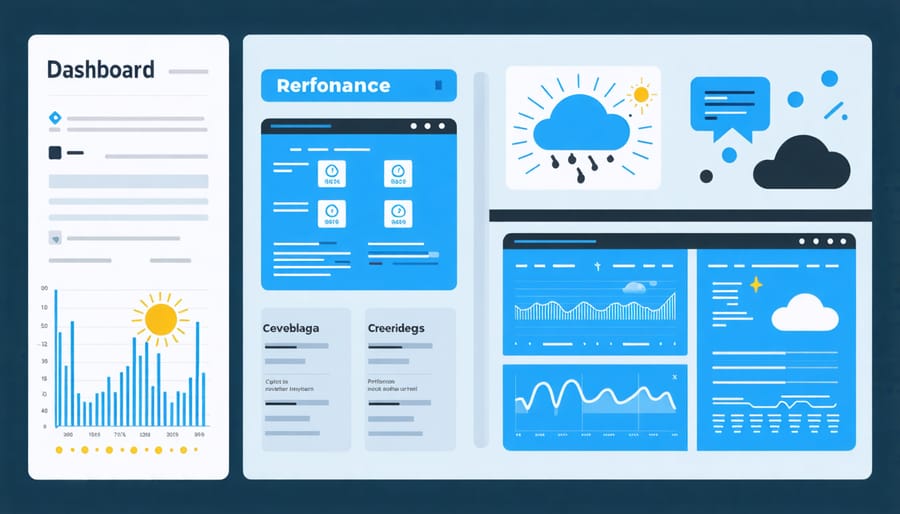
Advanced monitoring and early warning systems form the backbone of an effective coastal resilience master plan for photovoltaic installations. These systems integrate real-time environmental sensors, meteorological data collection units, and predictive analytics to safeguard solar infrastructure against coastal threats.
Key monitoring components include automated weather stations that track wind speeds, precipitation levels, and atmospheric pressure changes. Specialized salt spray sensors measure corrosion risk factors, while flood detection systems monitor water levels and storm surge potential. These components work in concert with sophisticated data management platforms that process and analyze information continuously.
The early warning infrastructure employs predictive modeling algorithms to forecast potential hazards and trigger appropriate response protocols. This includes automated alerts for maintenance teams, emergency shutdown procedures for critical system components, and evacuation notifications when necessary. Remote monitoring capabilities enable operators to assess system status and implement protective measures from safe locations during extreme weather events.
Integration with regional weather networks and coastal monitoring stations enhances the system’s predictive capabilities. Regular calibration and maintenance of monitoring equipment ensure reliable performance and accurate data collection. The system also maintains historical data records, which prove valuable for long-term planning and system optimization.
These monitoring solutions demonstrate a proactive approach to coastal resilience, enabling quick response to environmental threats while minimizing potential damage to photovoltaic installations.
Implementation and Maintenance Protocols
Regular Inspection Schedule
Regular inspections in coastal environments require a more rigorous approach due to accelerated wear from salt exposure and extreme weather conditions. A comprehensive inspection schedule should include weekly visual assessments of mounting structures and electrical connections during the first month of installation to establish baseline conditions. Subsequently, monthly inspections should focus on corrosion monitoring, particularly at connection points and mounting hardware.
Quarterly thorough examinations must include detailed assessment of module surfaces for salt deposits, evaluation of protective coatings, and testing of grounding systems. Special attention should be paid to junction boxes and cable management systems, as these components are particularly vulnerable to maritime conditions.
Bi-annual comprehensive inspections should incorporate thermal imaging to detect potential hot spots, detailed analysis of structural integrity, and verification of surge protection devices. After severe weather events, immediate inspections are mandatory to assess potential damage and implement necessary repairs.
Documentation of all inspections, including photographs and measurement data, enables tracking of degradation patterns and helps optimize maintenance schedules based on site-specific conditions. This systematic approach ensures early detection of potential issues and maintains system reliability in challenging coastal environments.
Emergency Response Procedures
An effective emergency response plan is crucial for protecting coastal PV installations during extreme weather events. The plan should incorporate comprehensive storm preparation measures and clear protocols for rapid deployment. Key components include an early warning system tied to local weather monitoring stations, predetermined shutdown procedures, and emergency contact protocols for all stakeholders.
Response teams must be organized into specialized units, each with specific responsibilities: system shutdown, equipment protection, damage assessment, and recovery operations. Regular drills and simulations ensure team readiness and identify potential procedural gaps. The plan should detail evacuation routes, emergency equipment storage locations, and backup power arrangements.
Documentation requirements include detailed checklists, communication flowcharts, and step-by-step response procedures. These materials must be readily accessible both digitally and in hardcopy format at multiple locations. The plan should be reviewed and updated annually, incorporating lessons learned from actual events and new industry best practices to maintain optimal effectiveness.
Performance Monitoring and Adaptation
A robust monitoring system is essential for evaluating the effectiveness of coastal resilience measures and ensuring long-term sustainability of PV installations. Regular data collection through advanced sensor networks tracks key performance indicators, including structural integrity, salt deposition rates, and equipment degradation patterns. This data-driven approach enables facility managers to implement targeted performance optimization techniques and identify areas requiring immediate attention.
Adaptive management protocols should be established to respond to monitoring insights, incorporating both preventive and corrective actions. These protocols typically include quarterly assessments of protection systems, annual review of performance metrics, and continuous evaluation of environmental conditions. Success indicators such as equipment longevity, maintenance frequency, and system uptime are carefully tracked and benchmarked against industry standards.
The monitoring framework should remain flexible enough to accommodate new technologies and emerging coastal threats. Regular updates to the monitoring system, based on performance data and changing environmental conditions, ensure the master plan remains effective and responsive to evolving coastal challenges.
Cost-Benefit Analysis and ROI Considerations
The implementation of a coastal resilience master plan requires careful financial analysis to justify the investment and ensure long-term sustainability. Initial costs typically include infrastructure improvements, protective measures, and system modifications, which can range from 15-30% of the original project budget. However, these expenses must be weighed against the potential losses from storm damage, flooding, and system downtime.
Research indicates that every dollar invested in coastal resilience measures can save up to six dollars in potential damage and recovery costs. This calculation factors in direct equipment protection, reduced insurance premiums, and minimized operational disruptions. For photovoltaic installations in coastal areas, the ROI typically materializes within 5-7 years through reduced maintenance costs and enhanced system longevity.
Key financial considerations include insurance cost reductions, which can decrease by up to 25% with comprehensive resilience measures in place. Additionally, regulatory compliance costs are typically lower for systems with pre-emptive protection, avoiding potential fines and mandatory upgrades. The operational benefits extend to improved system efficiency, with protected systems maintaining optimal performance levels even in challenging coastal conditions.
Grant opportunities and tax incentives often support resilience initiatives, potentially covering 30-40% of implementation costs. Municipalities and private organizations frequently offer additional funding for projects that demonstrate advanced coastal protection strategies. When calculating ROI, it’s essential to consider both quantifiable benefits like reduced repair costs and intangible advantages such as enhanced reputation and increased stakeholder confidence.
A comprehensive coastal resilience master plan is essential for safeguarding photovoltaic installations in vulnerable coastal areas. By systematically addressing environmental challenges, implementing protective measures, and establishing robust monitoring systems, organizations can significantly enhance their solar infrastructure’s longevity and performance. The integration of advanced technologies, combined with thorough risk assessment protocols and preventive maintenance strategies, creates a resilient framework that ensures sustainable energy generation even in challenging coastal environments.
The success of these plans relies heavily on collaboration between stakeholders, regular updates to account for changing environmental conditions, and commitment to long-term sustainability goals. Through proactive planning and investment in resilience measures, organizations can protect their renewable energy assets while maintaining consistent power generation capabilities. As coastal regions face increasing environmental pressures, the implementation of well-designed resilience master plans becomes not just advantageous but crucial for the future of coastal solar installations.
Remember that resilience planning is an ongoing process that requires regular evaluation and adaptation to remain effective. By prioritizing comprehensive planning today, we can ensure the reliability and sustainability of coastal PV installations for generations to come.