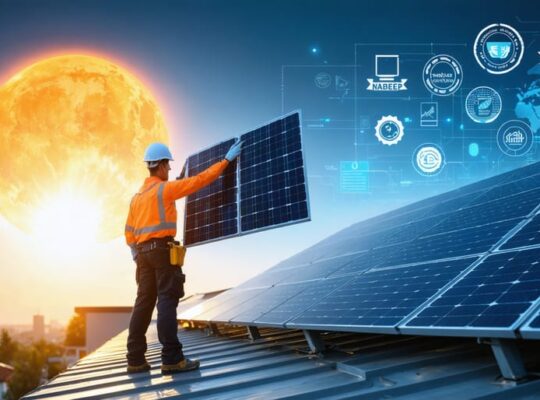
Solar panels stand at the forefront of renewable energy solutions, yet their environmental impact extends far beyond clean electricity generation. While these photovoltaic systems significantly reduce carbon emissions during operation, their complete environmental footprint encompasses manufacturing processes, raw material extraction, and end-of-life disposal considerations. Recent lifecycle assessments reveal that a typical solar installation prevents 20-30 times more carbon emissions than those produced during its creation, though challenges remain in sustainable production and recycling practices.
The environmental implications of solar technology present a complex interplay of benefits and challenges. Manufacturing requires energy-intensive processes and rare earth elements, raising concerns about resource depletion and toxic waste management. However, technological innovations in production methods and recycling capabilities continue to minimize these impacts. Modern solar panels achieve energy payback periods of just 1-4 years, while operating emissions-free for 25-30 years thereafter.
Understanding these environmental dynamics becomes crucial as global solar deployment accelerates. Industry leaders now implement circular economy principles, developing zero-waste manufacturing processes and establishing comprehensive recycling programs. This holistic approach ensures that solar energy’s promise of clean power aligns with broader environmental sustainability goals, marking a critical step toward a truly renewable future.
Life Cycle Assessment of Solar Panels
Raw Material Extraction and Processing
The extraction and processing of raw materials for solar panel manufacturing presents significant environmental challenges that affect their long-term environmental performance. Silicon, the primary material in photovoltaic cells, requires extensive mining operations and energy-intensive purification processes. The conversion of quartz to metallurgical-grade silicon involves temperatures exceeding 1,800°C, consuming substantial amounts of electricity and generating considerable carbon emissions.
Additionally, the production process requires various other materials, including aluminum for frames, silver for electrical contacts, and glass for panel surfaces. Mining these materials can lead to habitat disruption, soil erosion, and water contamination. The chemical processes used in purifying silicon and manufacturing other components often involve hazardous substances like hydrofluoric acid and sodium hydroxide.
To address these environmental concerns, the industry is advancing towards more sustainable practices. These include implementing closed-loop production systems, utilizing renewable energy in manufacturing facilities, and developing alternative materials that require less energy-intensive processing. Some manufacturers are also exploring recycled silicon sources and implementing stricter environmental controls in mining operations.
Manufacturing Impact Analysis
The manufacturing of solar panels requires significant energy input and generates substantial emissions during production processes. Primary energy consumption occurs during silicon purification, which demands temperatures exceeding 1,500°C, and wafer production, where precise cutting and processing are essential. Studies indicate that producing one square meter of solar panels requires approximately 2,000 kWh of energy and generates between 50-250 kg of CO2 emissions, depending on the manufacturing location and energy sources used.
The production process involves energy-intensive steps including raw material extraction, silicon processing, cell manufacturing, and module assembly. Notable environmental concerns include the use of toxic chemicals like hydrofluoric acid during cell production and the emission of nitrogen trifluoride (NF3), a potent greenhouse gas, during cleaning processes.
However, technological advancements and improved manufacturing efficiency have steadily reduced these impacts. Modern facilities increasingly utilize renewable energy sources for production, and innovative manufacturing techniques have decreased energy requirements by up to 30% compared to previous decades. The industry continues to work toward reducing its carbon footprint through process optimization and the adoption of cleaner energy sources in manufacturing facilities.
Transportation and Installation Footprint
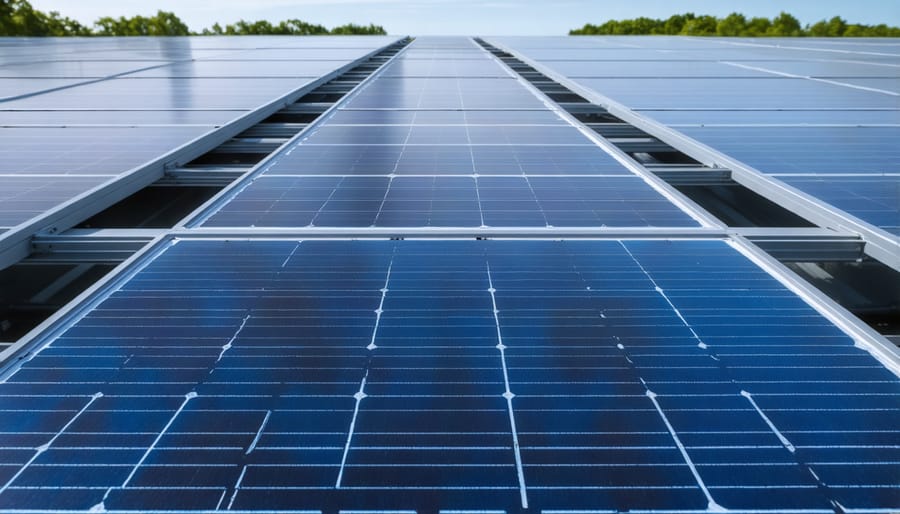
The transportation and installation of solar panels contribute significantly to their overall environmental footprint. Heavy machinery and vehicles used during installation generate greenhouse gas emissions, while the transportation of panels from manufacturing facilities to installation sites adds to the carbon footprint. Site preparation often requires land clearing and grading, which can disturb local ecosystems and potentially lead to soil erosion. Installation infrastructure, including mounting systems and concrete foundations, also carries embedded carbon costs from their production and deployment. However, these impacts are typically one-time events and are outweighed by the long-term environmental benefits of solar energy production. Industry best practices, such as optimizing delivery routes, using fuel-efficient vehicles, and implementing erosion control measures during installation, help minimize these environmental effects. Additionally, proper site selection and careful installation planning can significantly reduce habitat disruption and preserve local biodiversity.
Land Use and Habitat Considerations
Site Selection Strategies
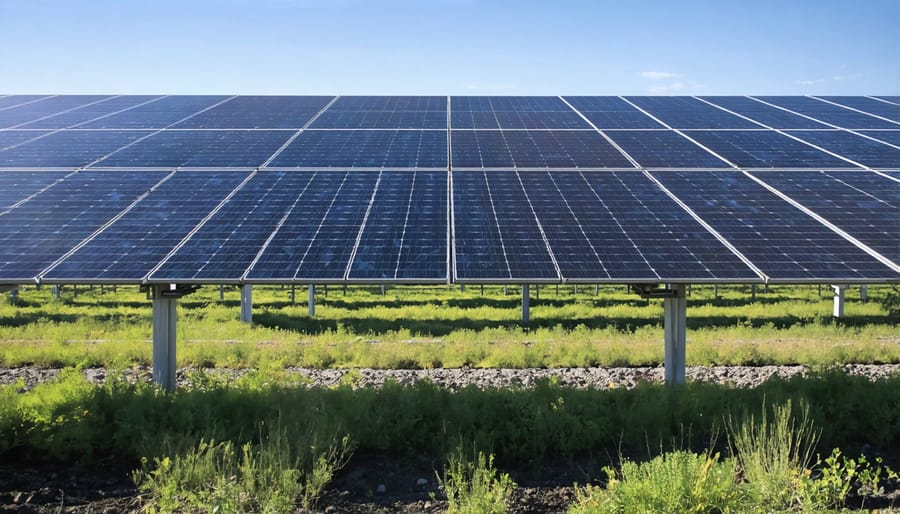
Effective site selection plays a crucial role in minimizing the environmental impact of solar installations. By implementing optimal panel layout strategies, developers can maximize energy generation while preserving local ecosystems. Priority should be given to previously disturbed or degraded lands, such as brownfields, abandoned mining sites, or former industrial areas, rather than pristine habitats.
Comprehensive environmental assessments should precede any installation, including evaluation of local wildlife patterns, vegetation types, and seasonal variations in ecosystem dynamics. Buffer zones between solar arrays and sensitive habitats help maintain wildlife corridors and protect native species. The integration of native vegetation beneath and between panels can support local biodiversity while preventing soil erosion.
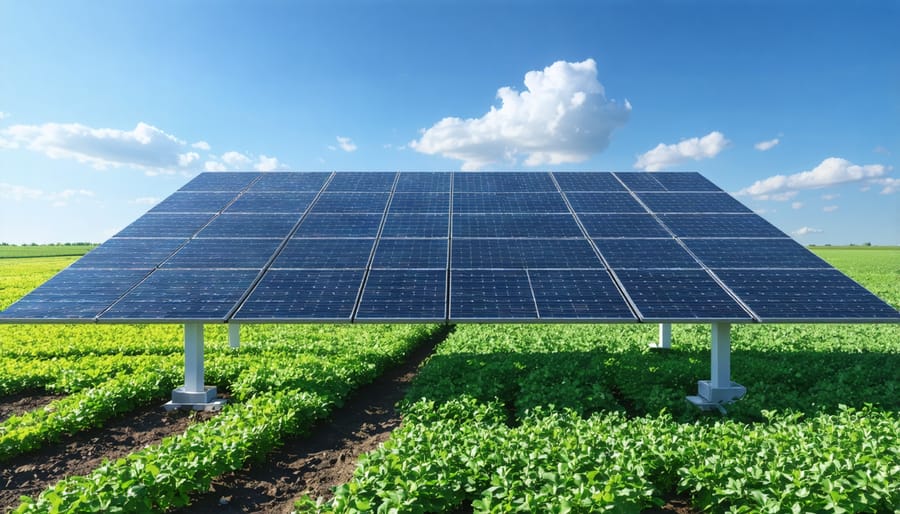
Developers should also consider topographical features to minimize grading requirements and preserve natural drainage patterns. Installing elevated mounting systems allows for continued vegetation growth and small animal movement underneath the panels. When possible, incorporating dual-use approaches, such as agrivoltaics, can maintain land productivity while generating clean energy.
Regular monitoring of wildlife activity and habitat health during and after installation ensures the effectiveness of these protective measures and allows for adaptive management when necessary.
Biodiversity Protection Measures
Solar installations require careful planning to protect local biodiversity and minimize disruption to native species. Developers implement comprehensive site assessments before construction, identifying sensitive habitats, migration patterns, and endangered species. These evaluations inform the development of specific protection measures tailored to each location’s ecological needs.
Key protection strategies include creating wildlife corridors between solar arrays, maintaining native vegetation beneath panels, and establishing buffer zones around sensitive areas. The implementation of elevated mounting systems allows for continued use of the land by small animals while supporting natural vegetation growth. Some facilities incorporate pollinator-friendly plants, creating beneficial habitats for bees and butterflies.
Construction timing is strategically planned to avoid breeding seasons and critical migration periods. Developers often install specialized fencing with wildlife passages to allow safe movement of local species while maintaining site security. Regular monitoring programs track the effectiveness of these measures and allow for adaptive management when needed.
Maintenance practices are designed to minimize wildlife disturbance, including restrictions on chemical use for vegetation control and implementation of bird-friendly cleaning protocols. These measures, combined with proper site selection and thoughtful design, help ensure solar installations coexist harmoniously with local ecosystems while contributing to sustainable energy production.
Mitigation Strategies and Solutions
Advanced Manufacturing Technologies
Recent innovations in solar panel manufacturing have significantly reduced the environmental footprint of production processes while enhancing overall efficiency. Manufacturers are implementing advanced panel efficiency technologies that minimize material waste and energy consumption during fabrication.
Key advancements include the adoption of automated precision cutting systems that reduce silicon wafer thickness while maintaining structural integrity, resulting in up to 50% less silicon usage per panel. Water recycling systems in manufacturing facilities now achieve recovery rates exceeding 90%, substantially decreasing freshwater consumption.
Lead-free soldering techniques and fluorine-free etching processes have emerged as environmentally sustainable alternatives, significantly reducing hazardous waste generation. Implementation of closed-loop manufacturing systems enables the recovery and reuse of valuable materials, including silver and aluminum, minimizing raw material demand and associated environmental impacts.
Energy-efficient furnaces and thermal optimization systems have reduced the energy intensity of solar cell production by approximately 30% over the past decade. The integration of artificial intelligence and machine learning in quality control processes has improved production yields, reducing material waste and environmental impact per watt of capacity produced.
Manufacturers are increasingly powering their facilities with renewable energy, creating a virtuous cycle where solar panels are produced using solar energy. This transition, combined with lean manufacturing principles and smart factory technologies, has resulted in a substantial reduction in the carbon footprint of panel production, with some facilities achieving carbon-neutral manufacturing status.
Sustainable Installation Practices
The implementation of sustainable installation practices plays a crucial role in minimizing the environmental impact of solar panel deployment. Professional installers now employ site-specific assessment protocols to preserve local ecosystems and maintain soil integrity during construction phases. These methods include utilizing low-impact mounting systems, implementing erosion control measures, and strategically planning access routes to minimize vegetation disruption.
Advanced installation techniques focus on biodiversity preservation through careful site selection and the integration of wildlife corridors. Installers increasingly adopt non-invasive foundation systems that reduce soil disturbance and maintain natural water flow patterns. The use of eco-friendly materials for mounting structures and cable management systems further enhances environmental sustainability.
Modern installation protocols emphasize waste reduction through precise material calculations and recycling programs for packaging and construction debris. Teams employ dust suppression techniques during ground preparation and utilize electric or hybrid construction equipment when possible to reduce emissions. Water conservation measures during installation include collecting and recycling cleaning water and implementing drought-resistant ground cover beneath panel arrays.
Post-installation restoration practices ensure the rehabilitation of disturbed areas through native plant species reintroduction and soil stabilization techniques. Maintenance planning incorporates wildlife protection measures and sustainable cleaning methods that minimize water usage and avoid harmful chemicals. These comprehensive approaches demonstrate the industry’s commitment to environmental stewardship while maintaining optimal system performance.
End-of-Life Management
The end-of-life management of solar panels presents both challenges and opportunities for the renewable energy sector. As the first generation of widely deployed solar installations approaches retirement, proper disposal and recycling mechanisms have become increasingly critical. Current estimates suggest that by 2050, the global solar industry will generate approximately 78 million metric tons of waste.
Solar panels contain valuable materials including silver, silicon, aluminum, and copper that can be recovered through recycling processes. Advanced recycling facilities can achieve recovery rates of up to 95% for these materials, significantly reducing the environmental impact of decommissioned panels. However, the complex composition of photovoltaic modules requires specialized recycling techniques to separate and process different components effectively.
Several countries have implemented extended producer responsibility (EPR) programs, requiring manufacturers to facilitate the collection and recycling of their products. The European Union’s WEEE Directive serves as a model framework, mandating the recycling of solar panels and setting specific recovery targets. In contrast, many regions still lack comprehensive regulations for solar panel disposal, leading to potential environmental risks.
The solar industry is actively developing more efficient recycling technologies and circular economy approaches. Innovative methods include thermal, mechanical, and chemical processes to recover high-purity materials suitable for manufacturing new panels. Additionally, some manufacturers are implementing design-for-recycling principles, creating panels that are easier to disassemble and recycle at end-of-life.
Proper end-of-life management not only minimizes environmental impact but also creates economic opportunities through material recovery and recycling job creation. As the industry matures, establishing robust recycling infrastructure and standardized processes becomes essential for sustainable solar energy development.
The environmental impact of solar photovoltaic systems presents both challenges and opportunities for the renewable energy sector. While solar power remains a crucial solution for reducing greenhouse gas emissions and combating climate change, the industry must continue addressing various environmental concerns throughout the panel lifecycle.
Key findings demonstrate that proper planning, innovative manufacturing processes, and responsible end-of-life management can significantly minimize negative environmental impacts. The adoption of sustainable manufacturing practices, including reduced water consumption and improved material efficiency, has already shown promising results in decreasing the industry’s ecological footprint.
Looking ahead, several emerging trends and technologies show potential for further impact reduction. Advanced recycling technologies are becoming more efficient and economically viable, promising to recover up to 95% of materials from decommissioned panels. Additionally, developments in thin-film technology and bifacial panels are reducing raw material requirements while increasing energy generation efficiency.
The industry’s commitment to environmental stewardship is evidenced by increasing collaboration between manufacturers, researchers, and environmental organizations. These partnerships are driving innovations in sustainable design, manufacturing processes, and recycling technologies. Furthermore, strengthening regulatory frameworks worldwide are encouraging better environmental practices throughout the solar supply chain.
To ensure continued progress, stakeholders must focus on several key areas: implementing circular economy principles in manufacturing, developing more efficient recycling processes, and establishing robust end-of-life management systems. The integration of environmental impact assessments into project planning stages will become increasingly important as solar installations continue to grow globally.
As the solar industry matures, the balance between environmental impact and renewable energy benefits continues to improve. With ongoing technological advances and stronger environmental protocols, the sector is well-positioned to address current challenges while maintaining its crucial role in sustainable energy production. The future outlook remains positive, with continuous improvements in environmental performance expected through innovation, regulation, and industry collaboration.