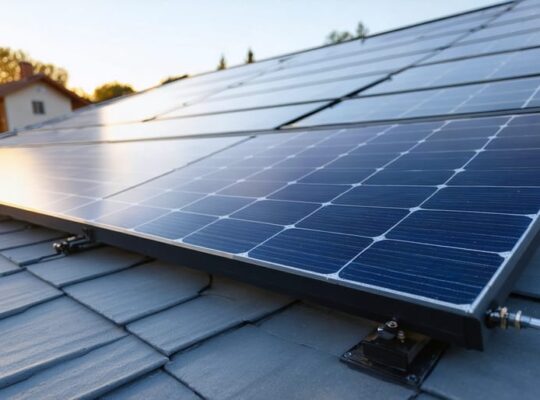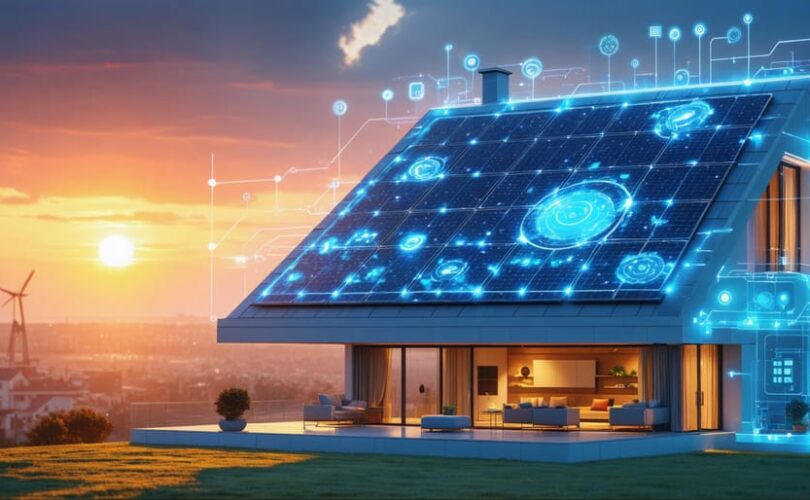
Residential photovoltaic (PV) systems have revolutionized home energy generation, empowering homeowners to harness solar power while significantly reducing electricity costs and environmental impact. Modern PV installations seamlessly integrate with smart home technology, creating an intelligent ecosystem that optimizes energy consumption and storage. These sophisticated systems combine high-efficiency solar panels, advanced inverters, and smart monitoring capabilities to deliver reliable renewable energy directly to residential properties.
As the cornerstone of sustainable home design, residential PV systems represent a critical intersection between clean energy technology and domestic power consumption. With advancing technology and declining installation costs, these systems have evolved from simple solar arrays into comprehensive energy management solutions. They now incorporate features like real-time performance monitoring, automated power distribution, and intelligent load balancing, enabling homeowners to maximize their energy independence while maintaining grid connectivity for backup power.
The integration of residential PV systems with smart home technology marks a significant advancement in domestic energy management, offering unprecedented control over household power consumption and generation. This synthesis of solar technology and home automation not only enhances energy efficiency but also provides valuable data insights for optimizing system performance and reducing overall energy costs.
The Core Components of Smart Residential PV Systems
Solar Panels and Smart Inverters
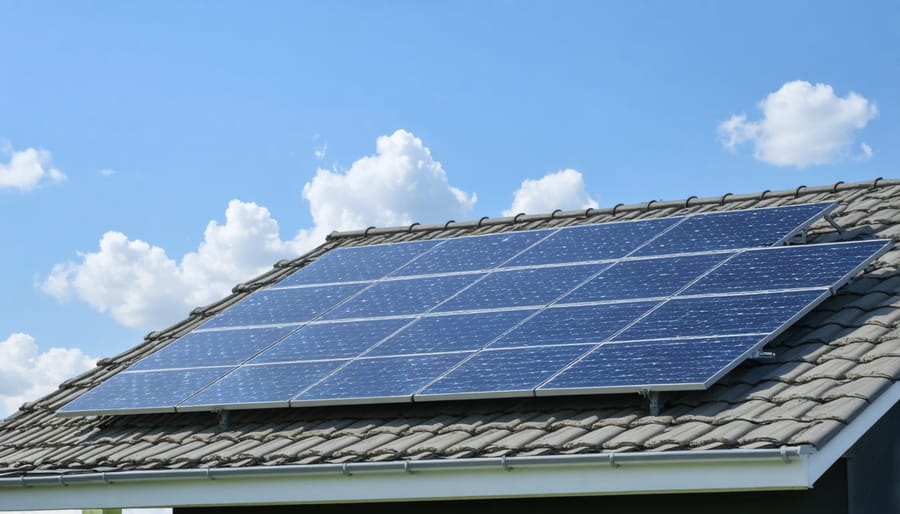
Modern residential PV systems rely on the synergy between advanced PV panels and intelligent inverter technologies to maximize energy production and system efficiency. Today’s solar panels incorporate PERC (Passivated Emitter and Rear Cell) technology, offering conversion efficiencies exceeding 20% while maintaining durability and reliability. Multi-busbar designs and half-cut cell configurations reduce power losses and enhance performance under partial shading conditions.
Smart inverters serve as the system’s brain, converting DC power from solar panels to AC power while providing sophisticated monitoring and control capabilities. These devices feature Maximum Power Point Tracking (MPPT) algorithms that continuously optimize power output based on environmental conditions. Modern inverters also support grid integration through features like reactive power control and voltage regulation.
The integration of power optimizers with smart inverters enables panel-level monitoring and management, allowing system owners to identify and address performance issues promptly. Advanced communication protocols facilitate seamless integration with home energy management systems, enabling real-time data analysis and automated responses to changing energy demands.
Safety features such as rapid shutdown capability and arc fault detection are now standard in contemporary inverter systems, ensuring compliance with electrical codes while protecting both the system and property. These technological advances have made residential PV systems more efficient, reliable, and easier to maintain than ever before.
Energy Management Systems
Energy Management Systems (EMS) are crucial components of modern residential PV installations, offering sophisticated monitoring and control capabilities that optimize system performance and energy consumption. These platforms provide real-time data visualization, performance analytics, and automated system management through user-friendly interfaces accessible via mobile devices and computers.
Advanced monitoring platforms track key metrics including power generation, consumption patterns, and system efficiency. They collect data from various sensors and inverters, presenting it through intuitive dashboards that enable homeowners to make informed decisions about their energy usage. Many systems offer predictive analytics that forecast energy production based on weather patterns and historical data.
Control systems integrate seamlessly with smart home devices, allowing automated responses to changing conditions. For instance, when excess solar power is available, the system can automatically activate high-consumption appliances or charge energy storage systems. During peak utility rate periods, these systems can prioritize stored energy usage to optimize cost savings.
Remote monitoring capabilities enable both homeowners and installers to detect potential issues early, schedule maintenance efficiently, and ensure optimal system performance. Many platforms also provide detailed reporting features for warranty documentation and performance verification, while supporting compliance with utility requirements for grid-connected systems.
The integration of artificial intelligence and machine learning continues to enhance these systems, offering increasingly sophisticated energy optimization strategies and predictive maintenance capabilities.
Integration with Smart Home Ecosystems
Smart Energy Distribution
Smart energy distribution in residential PV systems employs sophisticated algorithms and automated control systems to optimize power flow between solar generation, home consumption, and grid interaction. Modern power management systems analyze real-time consumption patterns, weather forecasts, and electricity prices to make intelligent decisions about energy routing.
These systems prioritize self-consumption of solar power by directing excess generation to high-demand appliances or energy storage systems during peak production hours. When solar generation exceeds immediate needs, smart controllers can automatically divert power to charge batteries or heat water, ensuring maximum utilization of generated electricity.
Load scheduling is another crucial aspect of smart distribution, where non-essential appliances are programmed to operate during peak solar production periods. For instance, dishwashers, washing machines, and pool pumps can be automatically activated when solar output is highest, reducing reliance on grid power during evening hours.
Advanced monitoring systems provide real-time visibility into energy flows, enabling homeowners to track production, consumption, and storage levels through smartphone applications or web interfaces. These platforms often incorporate machine learning capabilities that adapt to household routines and optimize distribution patterns over time.
Grid interaction is managed through sophisticated inverter technology that ensures seamless transitions between solar, battery, and grid power. During grid outages, smart systems can automatically isolate critical loads and maintain power supply through stored energy, enhancing household resilience.
The integration of smart meters and home energy management systems (HEMS) enables dynamic response to time-of-use pricing, automatically adjusting consumption patterns to minimize electricity costs while maintaining comfort levels. This intelligent approach to energy distribution maximizes the economic benefits of residential PV systems while contributing to grid stability.

IoT Connectivity and Control
Modern residential PV systems have evolved beyond simple power generation to incorporate sophisticated monitoring and control capabilities through IoT integration in solar systems. This connectivity enables homeowners to monitor system performance, optimize energy consumption, and manage power distribution in real-time through user-friendly mobile applications and web interfaces.
Smart inverters serve as the primary gateway for system connectivity, facilitating bi-directional communication between PV components and monitoring platforms. These devices collect critical performance metrics, including power generation, consumption patterns, and system health indicators, which are then transmitted to cloud-based management systems for analysis and storage.
Advanced monitoring platforms provide comprehensive dashboards that display real-time and historical data, enabling users to track energy production, analyze consumption trends, and identify potential system inefficiencies. Many systems also incorporate predictive maintenance capabilities, alerting homeowners to potential issues before they impact system performance.
Remote control functionality allows users to adjust system settings, prioritize power distribution, and implement automated responses to varying energy demands or utility rates. Integration with home energy management systems (HEMS) enables coordinated operation with other smart home devices, optimizing overall household energy efficiency.
Security considerations are paramount in connected PV systems, with manufacturers implementing robust encryption protocols and regular firmware updates to protect against cyber threats. Standard communication protocols such as Modbus, SunSpec, and IEEE 2030.5 ensure interoperability between different system components and third-party platforms, facilitating seamless integration with existing smart home ecosystems.
Maximizing Energy Efficiency Through Automation
Predictive Energy Management
Modern residential PV systems increasingly incorporate predictive energy management systems that leverage advanced algorithms and machine learning capabilities to optimize power generation and consumption. These intelligent systems analyze multiple data streams, including weather forecasts, historical energy usage patterns, and real-time consumption data, to make informed decisions about energy distribution and storage.
Through AI-driven optimization, these systems can predict household energy demands and automatically adjust power flow between solar panels, battery storage, and the grid. This predictive capability enables homeowners to maximize self-consumption of solar energy while minimizing reliance on grid power during peak pricing periods.
The algorithms continuously learn from usage patterns, adapting to seasonal changes and household routines. They can automatically schedule high-energy appliances to operate during peak solar production hours and manage battery charging cycles to optimize system efficiency. Some advanced systems even integrate with smart home devices to automatically adjust thermostats, lighting, and other energy-consuming appliances based on solar production forecasts.
These predictive management systems typically achieve 15-30% greater efficiency compared to traditional solar setups, resulting in improved return on investment and reduced carbon footprint. As machine learning technologies continue to advance, these systems are becoming increasingly sophisticated in their ability to balance energy production, storage, and consumption in residential settings.
Load Balancing and Storage Integration
Load balancing and storage integration are crucial components of modern residential PV systems, optimizing energy distribution and maximizing system efficiency. Smart load controllers continuously monitor power generation and consumption patterns, automatically directing excess energy to storage systems or redistributing it to high-priority appliances based on predetermined settings.
Battery storage systems serve as the backbone of effective load management, storing surplus solar energy for use during peak demand periods or nighttime hours. Modern lithium-ion batteries typically offer 10-15 years of operational life and can store between 5-15 kWh of energy, depending on household requirements. These systems integrate seamlessly with smart home energy management platforms, enabling real-time monitoring and automated decision-making.
Advanced load balancing systems employ sophisticated algorithms to predict energy consumption patterns and weather conditions, optimizing the distribution of power between immediate use, storage, and grid export. This predictive capability ensures efficient use of generated power while maintaining grid stability and reducing dependency on utility power during peak rate periods.
The integration of smart inverters further enhances load balancing capabilities by providing precise control over power quality and enabling rapid switching between different power sources. These systems can automatically adjust to varying loads, maintaining system stability and protecting sensitive electronic equipment from power fluctuations.
To maximize system efficiency, load balancing systems often incorporate smart scheduling features, automatically operating high-consumption appliances during peak solar production periods while reserving stored energy for essential loads during non-productive hours.
Future-Proofing Your Smart PV Installation
As the solar industry continues to evolve, future-proofing your residential PV system becomes increasingly important. Staying ahead of emerging solar technologies requires strategic planning and system design that accommodates upcoming innovations.
Key considerations for future-proofing include implementing expandable inverter systems that can accommodate additional panels or battery storage, ensuring your monitoring platform supports API integration for future smart home devices, and installing conduit systems with extra capacity for future wiring needs.
Modern PV installations should incorporate robust communication protocols like SunSpec Alliance standards, which ensure long-term compatibility with new devices and monitoring systems. Consider installing smart inverters with advanced grid support functions, as these will become increasingly important as utility requirements evolve.
Energy storage readiness is crucial, even if you’re not installing batteries immediately. Pre-wiring for battery integration and selecting battery-ready inverters can significantly reduce future upgrade costs. Similarly, planning for electric vehicle charging integration by installing appropriate wiring and load management systems future-proofs your installation for transportation electrification.
Software upgradeability is another critical aspect. Choose components with remote firmware update capabilities to ensure your system can receive new features and security patches. Additionally, consider implementing a modular monitoring system that can adapt to new communication protocols and smart home platforms.
Infrastructure preparation should include:
– Adequate panel mounting space for future expansion
– Oversized electrical service panels to accommodate future loads
– Smart meter compatibility for advanced grid integration
– Flexible communication gateways supporting multiple protocols
– Cybersecurity features that can be enhanced over time
By carefully considering these elements during initial system design, homeowners can ensure their PV installation remains adaptable and valuable as technology advances, avoiding costly retrofits and maintaining system efficiency for decades to come.
The integration of smart PV systems in residential settings represents a significant advancement in sustainable home energy management. By combining solar power generation with intelligent monitoring and control systems, homeowners can maximize their energy efficiency while contributing to environmental conservation. These integrated solutions provide real-time performance tracking, automated energy distribution, and optimized consumption patterns that adapt to household needs.
The benefits of smart PV integration extend beyond mere energy generation. Modern systems offer enhanced grid independence, reduced electricity costs, and improved energy security through intelligent storage solutions. The ability to monitor and manage energy production and consumption through mobile applications gives homeowners unprecedented control over their energy resources.
Looking ahead, the role of smart PV systems in residential settings will continue to expand as technology evolves. Integration with emerging home automation platforms, advanced energy storage systems, and grid services creates opportunities for greater energy autonomy and community-level energy sharing. The increasing affordability of these systems, combined with improved efficiency and reliability, makes them an attractive investment for environmentally conscious homeowners.
As we move toward a more sustainable future, smart PV integration stands as a cornerstone of modern home design. Its ability to combine clean energy generation with intelligent management systems represents not just a technological advancement, but a fundamental shift in how we approach residential energy consumption and environmental responsibility.