
Maximize your solar investment through JCP&L’s comprehensive incentive programs, which play a vital role in New Jersey’s clean energy future. Property owners can now access up to $1,000 per kilowatt installed through the Successor Solar Incentive (SuSI) Program, combining with federal tax credits for potential savings exceeding 50% of system costs. JCP&L customers benefit from net metering policies that credit excess generation at retail rates, while the state’s Solar Renewable Energy Certificate-II (SREC-II) program provides additional revenue streams averaging $90 per megawatt-hour generated. Professional installers and homeowners must complete precise documentation through JCP&L’s online portal, ensuring compliance with equipment specifications and installation standards to qualify for these substantial financial benefits. Understanding these incentive structures is crucial for maximizing return on investment while contributing to New Jersey’s ambitious renewable energy goals.
Understanding JCP&L’s Solar Incentive Structure

Net Metering Benefits
JCP&L’s net metering program offers substantial financial benefits to solar energy system owners by allowing them to receive credits for excess electricity generated by their installations. Through the grid interconnection process, customers can feed surplus power back into the utility grid, effectively running their meters backward.
The compensation rate for excess generation is set at the full retail rate, meaning customers receive credit equal to what they would typically pay for electricity consumption. This one-to-one credit system maximizes the financial return on solar investments, as unused credits roll over month-to-month for a 12-month period.
At the end of the annual period, any remaining credits are reconciled at the avoided cost rate, which represents the wholesale value of electricity. While this rate is lower than the retail rate, it ensures that system owners receive compensation for all generated power.
To qualify for net metering, systems must be sized appropriately to meet the customer’s historical annual electricity consumption. JCP&L allows installations up to 100% of the previous year’s usage, ensuring optimal system sizing while preventing oversized installations that could strain the grid.
The program includes both residential and commercial customers, with system size caps of 2 MW for commercial installations and no specific cap for residential systems beyond the annual usage limitation. This flexibility allows customers to maximize their solar investment while maintaining grid stability.
New Jersey Transition Renewable Energy Certificates (TRECs)
The New Jersey Transition Renewable Energy Certificate (TREC) program represents a significant financial incentive for JCP&L customers investing in solar energy systems. Under this program, solar system owners receive certificates for every megawatt-hour (MWh) of electricity their systems generate, with a fixed price of $91.20 per TREC during the program’s duration.
TRECs provide a guaranteed revenue stream for 15 years, offering system owners a predictable return on investment. For JCP&L customers, the program operates through a factored system, where different types of solar installations receive varying percentages of the base TREC value. For instance, net-metered residential projects receive a factor of 0.85, while community solar installations serving low-income communities receive a factor of 1.0.
The certification process involves registering the solar installation with the New Jersey Clean Energy Program and installing a revenue-grade meter to accurately track generation. Once operational, the system’s production data is reported monthly to the TREC administration platform, where certificates are issued and can be sold to electricity suppliers meeting their renewable energy obligations.
JCP&L customers should note that TREC earnings are separate from and additional to any savings achieved through net metering. This dual-benefit structure significantly enhances the financial attractiveness of solar investments, potentially reducing system payback periods by several years depending on installation size and type.
Tax Implications and Economic Benefits
Federal Tax Incentives
Property owners considering solar installations in JCP&L’s service area can benefit from significant federal solar tax incentives designed to promote renewable energy adoption. The Investment Tax Credit (ITC) stands as the cornerstone of these federal incentives, offering a substantial 30% tax credit on the total system cost through 2032. This credit applies to both residential and commercial installations, with no upper limit on its value.
Commercial property owners can additionally leverage the Modified Accelerated Cost Recovery System (MACRS), which enables accelerated depreciation of solar assets over a five-year period. This depreciation benefit significantly improves the return on investment and reduces the overall tax burden for businesses implementing solar solutions.
For systems installed in 2024, property owners can also take advantage of bonus depreciation at 80% of the system’s value. This percentage will decrease annually, reaching 20% by 2026, making early adoption more financially advantageous. The combination of the ITC and depreciation benefits can reduce the effective cost of a solar installation by up to 50% for commercial properties.
To qualify for these incentives, systems must meet specific technical requirements and be installed by certified professionals. Property owners should maintain detailed documentation of all expenses and consult with tax professionals to maximize their benefits under these federal programs.
State-Level Tax Benefits
New Jersey offers substantial tax benefits for property owners investing in solar energy systems within JCP&L’s service territory. The most significant advantage is the New Jersey Sales Tax Exemption, which eliminates the 6.625% sales tax on solar equipment purchases and installation costs. This exemption applies to all components of a qualifying solar energy system, including panels, inverters, and mounting hardware.
Property owners also benefit from the Property Tax Exemption for Renewable Energy Systems. This incentive ensures that the added value of a solar installation to your property does not increase your property tax assessment. The exemption covers 100% of the system’s value and remains in effect for the entire lifespan of the installation.
The state’s Corporate Business Tax Exemption provides additional benefits for commercial property owners. Businesses can deduct the full cost of solar energy systems from their corporate business tax liability. This incentive, combined with federal tax benefits, significantly reduces the initial investment cost for commercial solar installations.
To qualify for these tax benefits, systems must be certified by the New Jersey Board of Public Utilities and installed by licensed contractors. Property owners must submit appropriate documentation, including proof of purchase and installation certificates, to relevant state authorities. It’s recommended to consult with a qualified tax professional familiar with renewable energy incentives to maximize available benefits and ensure compliance with state regulations.
ROI Analysis
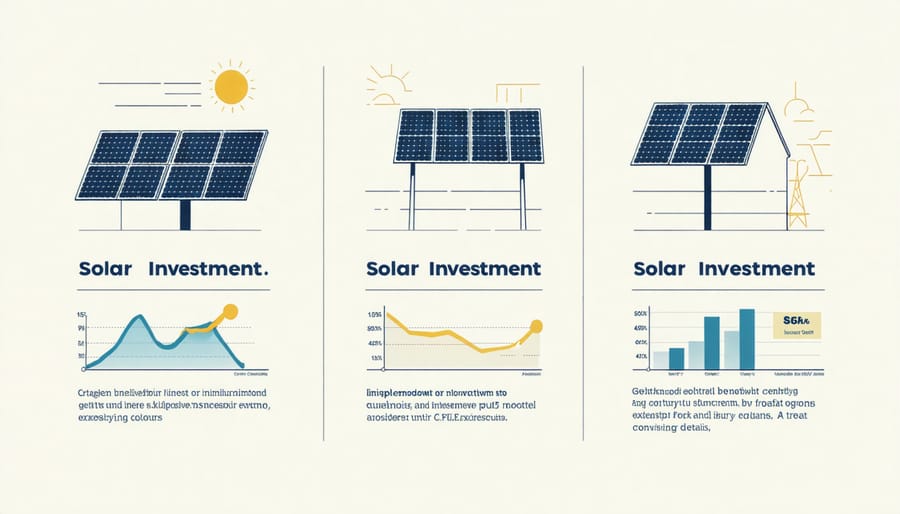
Understanding the return on investment (ROI) for solar installations under JCP&L’s incentive programs requires careful analysis of multiple financial factors. When calculating your solar investment returns, consider the comprehensive incentive package, including federal tax credits, state rebates, and JCP&L-specific benefits.
Recent case studies in New Jersey demonstrate impressive ROI metrics. A typical 7kW residential system, costing approximately $21,000 before incentives, can see payback periods of 5-7 years when combining JCP&L incentives with federal tax credits. Commercial installations often achieve even faster returns, with some systems reaching payback within 4-5 years.
Key ROI calculation components include:
– Initial system cost minus available incentives
– Projected annual energy production
– Current electricity rates and estimated increases
– SREC market values
– System maintenance costs
– Property value appreciation
Analysis shows that JCP&L customers implementing solar typically achieve 10-12% annual returns on their investment. This calculation factors in the avoided utility costs, SREC income, and reduced maintenance requirements of modern solar systems. Property owners should note that actual returns may vary based on specific installation parameters, energy consumption patterns, and future utility rate changes.
For optimal financial outcomes, investors should conduct thorough site assessments and obtain multiple quotes from certified installers while maintaining detailed documentation of all incentive applications.
Application Process and Requirements
Documentation Requirements
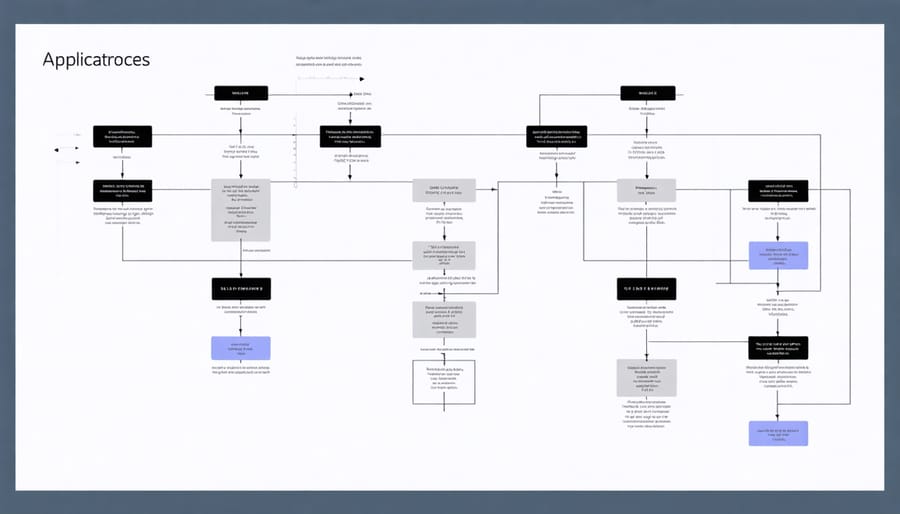
To qualify for JCP&L solar incentives, applicants must submit a comprehensive documentation package that meets specific requirements. The primary application must include proof of property ownership or written permission from the property owner for solar installation. A detailed site plan showing the proposed system layout, equipment specifications, and interconnection points is mandatory.
Applicants need to provide recent electricity bills demonstrating their JCP&L service status and current energy consumption patterns. Professional certification documentation from NABCEP-certified installers or licensed electrical contractors who will perform the installation is required. The submission package must also include technical specifications of all major system components, including solar panels, inverters, and mounting systems.
For financial documentation, applicants should prepare copies of cost estimates, purchase agreements, and any relevant financing arrangements. Environmental impact assessments or local zoning compliance certificates may be necessary depending on the installation location and scope.
Additional requirements include:
– Completed interconnection application form
– Engineering drawings and electrical diagrams
– Proof of homeowner’s insurance coverage
– Local building permits and inspection certificates
– Documentation of compliance with New Jersey’s Clean Energy Program requirements
All submissions must be accompanied by signed acknowledgment forms confirming understanding of program terms, maintenance responsibilities, and performance monitoring requirements. Applications lacking any required documentation will face processing delays or potential rejection.
Timeline and Key Deadlines
JCP&L’s solar incentive programs operate on specific timelines and deadlines that applicants must carefully observe. The application window for residential solar incentives typically opens at the beginning of each fiscal year in July and remains available until funds are exhausted. Commercial and industrial projects follow a quarterly submission schedule, with review periods occurring in January, April, July, and October.
The processing timeline for residential applications generally takes 10-15 business days from submission to preliminary approval. Commercial projects require a more extensive review period of 20-30 business days. Once approved, participants must complete their solar installation within 12 months of the approval date to maintain eligibility for incentives.
Documentation submission deadlines are crucial: interconnection applications must be filed at least 30 days before installation begins, while final paperwork, including inspection certificates and as-built documentation, must be submitted within 10 business days of system completion.
For tax credit considerations, property owners must ensure their systems are operational by December 31st of the tax year to qualify for that year’s benefits. The New Jersey Clean Energy Program coordinates with JCP&L’s incentive schedules, requiring separate applications with their own distinct deadlines.
Annual renewal of participation in net metering programs occurs automatically, but system owners must complete performance verification every three years to maintain their incentive status. Equipment upgrades or modifications require new applications and must be submitted at least 60 days before planned changes.
JCP&L’s solar incentives represent a significant opportunity for property owners and businesses to transition to renewable energy while maximizing their financial benefits. Through a combination of net metering programs, Solar Renewable Energy Certificates (SRECs), federal tax incentives, and state-specific benefits, participants can substantially reduce their initial investment and ongoing energy costs.
To maximize these incentives, property owners should first conduct a thorough site assessment to determine solar viability. Following this, engaging with certified solar installers who understand JCP&L’s requirements and specifications is crucial. Timing is also essential, as incentive programs may have limited funding or application windows.
Key action steps include:
– Reviewing current energy consumption patterns
– Obtaining multiple quotes from qualified installers
– Completing all necessary paperwork and applications promptly
– Ensuring compliance with local zoning and permitting requirements
– Maintaining detailed records for tax purposes
The long-term benefits extend beyond immediate financial returns. Property owners can expect increased property values, reduced carbon footprint, and protection against rising utility costs. Additionally, participating in JCP&L’s solar programs contributes to New Jersey’s renewable energy goals and supports local job creation in the sustainable energy sector.
For optimal results, consider working with solar energy consultants who can guide you through the incentive application process and help structure your project to maximize available benefits. Remember that incentive programs evolve, so staying informed about current offerings and deadlines is essential for success.