
State-level solar incentive programs represent a dynamic cornerstone of America’s renewable energy transition, offering substantial financial benefits that vary significantly across jurisdictional boundaries. From California’s groundbreaking Self-Generation Incentive Program (SGIP) to New York’s NY-Sun Initiative, these programs have catalyzed unprecedented growth in residential and commercial solar installations while driving down implementation costs. Recent analysis indicates that states with robust incentive frameworks have experienced up to 200% faster solar adoption rates compared to those with limited support structures.
The landscape of solar incentives encompasses tax credits, rebates, performance-based incentives, and innovative financing mechanisms, creating a complex matrix of opportunities for stakeholders across the renewable energy sector. Understanding these state-specific programs becomes crucial as the solar industry continues its trajectory toward grid parity, with current estimates suggesting that strategic utilization of available incentives can reduce initial installation costs by 26-50%, depending on location and program eligibility.
As federal policies evolve and states increasingly prioritize clean energy goals, these incentive programs serve as critical tools for accelerating solar adoption while fostering economic development and environmental sustainability. Industry professionals, manufacturers, and policymakers must navigate this diverse ecosystem of incentives to optimize investment strategies and maximize return on investment in solar technology deployment.
Federal Framework for Solar Manufacturing Support
The Impact of the Inflation Reduction Act
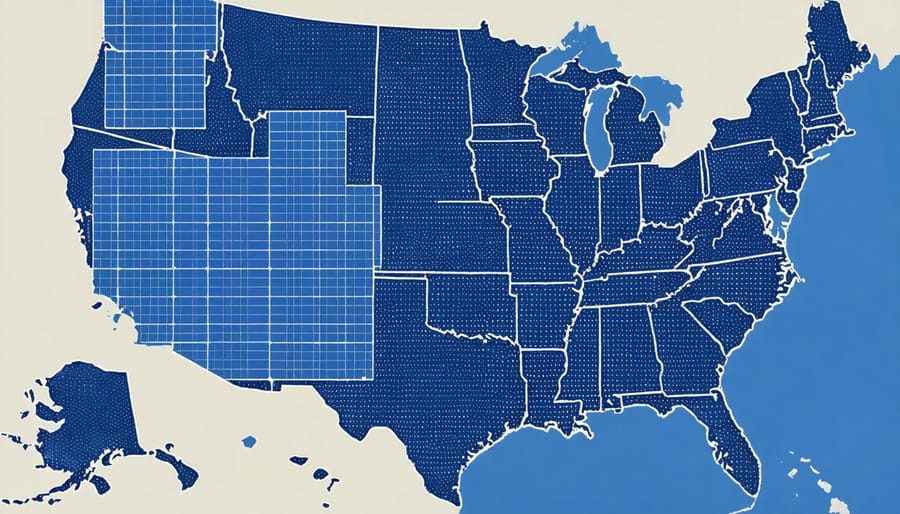
The Inflation Reduction Act (IRA) has significantly reshaped the landscape of federal solar panel incentives, creating a ripple effect across state-level manufacturing programs. This landmark legislation introduces a 30% investment tax credit for solar manufacturing facilities, complementing existing state initiatives. States are now aligning their incentive structures with federal guidelines to maximize benefits for manufacturers and consumers alike.
The IRA’s manufacturing provisions have prompted several states to enhance their programs, particularly in regions with established solar manufacturing bases. For instance, states like California and New York have introduced complementary tax incentives that stack with federal benefits, creating more attractive packages for manufacturers. The Act’s domestic content requirements have also spurred states to develop specialized workforce training programs and infrastructure support.
Key impacts include increased state-level funding for manufacturing facilities, streamlined permitting processes, and enhanced coordination between federal and state agencies. This synergy has created a more robust environment for solar manufacturing growth while maintaining states’ ability to tailor programs to their specific economic and environmental goals.
Leading States in Solar Manufacturing Support

California’s Manufacturing Advantage Program
California’s Manufacturing Advantage Program stands as one of the nation’s most comprehensive solar manufacturing incentive structures, offering multi-tiered support for both established and emerging manufacturers. The program combines direct financial incentives with strategic infrastructure development to foster a robust solar manufacturing ecosystem throughout the state.
The initiative provides manufacturers with tax credits ranging from 15% to 30% of qualifying equipment investments, scaling based on project size and potential job creation. Additionally, manufacturers can access specialized workforce development grants, which support technical training programs and help build a skilled labor pipeline.
A distinctive feature of the program is its integration with California’s research institutions. Participating manufacturers gain priority access to state-funded research facilities and can collaborate with university laboratories on product development and testing. This academic partnership has proven particularly valuable for companies developing next-generation solar technologies.
The program also includes targeted incentives for manufacturers establishing facilities in designated clean energy zones, offering enhanced benefits such as expedited permitting processes and reduced utility rates. Companies meeting specific environmental performance metrics can qualify for additional incentives, encouraging sustainable manufacturing practices.
To ensure long-term industry growth, the program incorporates supply chain development initiatives, connecting manufacturers with local suppliers and creating regional manufacturing clusters. This comprehensive approach has helped California maintain its position as a leading solar manufacturing hub while fostering innovation and economic development.
New York’s Green Manufacturing Tax Credits
New York State’s commitment to green manufacturing is exemplified through its comprehensive tax credit programs designed to boost solar manufacturing capabilities. The Green Jobs-Green New York program, launched in 2009, has been particularly successful in attracting photovoltaic manufacturers through its combination of tax incentives and workforce development initiatives.
Manufacturing facilities producing solar components in New York can qualify for up to 20% in tax credits on eligible production costs. Additional benefits include property tax abatements for facilities located in designated clean energy zones and equipment tax exemptions for manufacturing machinery used in solar production.
The NY-Sun initiative has further strengthened the state’s manufacturing base by creating predictable demand for solar components. This program has helped establish several notable success stories, including the 1366 Technologies facility in Genesee County and the Tesla Gigafactory 2 in Buffalo, which together have created over 1,500 manufacturing jobs.
The state’s collaboration with research institutions, particularly through the SUNY Polytechnic Institute, has fostered innovation in manufacturing processes. This academic-industrial partnership has resulted in improved production efficiency and reduced costs for solar components manufactured within the state.
Recent data indicates that New York’s manufacturing incentives have contributed to a 300% increase in solar manufacturing capacity since 2015. The state continues to refine its incentive structure, with new provisions focused on supporting automated manufacturing processes and advanced materials production.
Texas Solar Innovation Initiatives
Texas has emerged as a leading force in solar manufacturing innovation through its comprehensive support system designed to attract and retain photovoltaic industry leaders. The state’s initiatives combine economic incentives, research partnerships, and workforce development programs to create a robust solar manufacturing ecosystem.
The Texas Enterprise Fund (TEF) serves as a cornerstone for solar manufacturing growth, offering performance-based grants to companies establishing or expanding operations within the state. These grants have successfully attracted several major solar manufacturers, creating thousands of high-skilled jobs and strengthening the local supply chain.
The state’s collaboration with academic institutions has proven particularly effective. The Texas Solar Energy Innovation Network, comprising universities and research facilities, focuses on advancing solar technology and manufacturing processes. Notable achievements include developments in high-efficiency solar cell production and innovative panel recycling methods.
Workforce development remains a priority, with specialized training programs established through partnerships between manufacturers and community colleges. The Texas Solar Training Initiative prepares technicians and engineers for careers in advanced manufacturing, ensuring a skilled labor pool for expanding operations.
Tax incentives specific to solar manufacturing include property tax abatements and sales tax exemptions for equipment purchases. These fiscal benefits, combined with the state’s business-friendly environment and robust energy infrastructure, have positioned Texas as an attractive destination for solar manufacturing investment.
The state continues to evolve its support system, with recent legislation introducing additional incentives for manufacturers incorporating sustainable practices and implementing advanced manufacturing technologies.
Emerging State Programs
Georgia’s Solar Workforce Development
Georgia has emerged as a leader in solar workforce development through its comprehensive approach to training and manufacturing initiatives. The state’s Solar Center of Excellence, established through partnerships between technical colleges and industry leaders, provides specialized training programs focused on photovoltaic system design, installation, and maintenance.
The Georgia Department of Economic Development collaborates with major solar manufacturers to create apprenticeship programs, offering hands-on experience to aspiring solar professionals. These initiatives have resulted in a 45% increase in solar-related employment opportunities since 2018, with particular growth in installation and manufacturing sectors.
Technical College System of Georgia (TCSG) offers standardized solar certification programs across 22 campuses, ensuring consistent quality training statewide. The curriculum combines classroom instruction with practical laboratory experience, preparing students for NABCEP certification and immediate workforce entry.
The state’s workforce development strategy also includes specialized programs for veterans transitioning to civilian careers in solar energy, with dedicated funding through the Georgia Veterans Education Career Transition Resource (VECTR) Center. This initiative has successfully placed over 500 veterans in solar industry positions since its inception.
Manufacturing facilities across Georgia participate in work-study programs, providing students with real-world experience while maintaining a steady pipeline of qualified workers. These partnerships have contributed to Georgia’s position as a top-five state for solar manufacturing employment, with continued growth projected through 2025.
Michigan’s Green Manufacturing Corridor
Michigan has emerged as a powerhouse in solar manufacturing, strategically positioning itself as a green manufacturing corridor through targeted incentives and comprehensive support programs. The state’s approach combines tax benefits, workforce development initiatives, and infrastructure investments to attract and retain solar manufacturing operations.
The centerpiece of Michigan’s strategy is the SOAR (Strategic Outreach and Attraction Reserve) Fund, which provides substantial financial incentives for manufacturers establishing or expanding operations within the state. This program has successfully attracted major solar industry players, including several significant photovoltaic component manufacturers and assembly facilities.
Michigan’s initiative leverages its existing automotive manufacturing infrastructure and skilled workforce, creating a natural transition pathway for traditional manufacturers to enter the solar industry. The state’s Economic Development Corporation offers specialized grants for retooling existing facilities and training programs specifically designed for solar manufacturing processes.
The program’s success is evidenced by the growing cluster of solar manufacturing facilities along the I-94 corridor, which has created thousands of new jobs and established Michigan as a crucial hub in the domestic solar supply chain. The state’s partnerships with local community colleges and technical schools ensure a steady pipeline of qualified workers, while collaboration with research institutions drives innovation in manufacturing processes.
Manufacturers benefit from reduced energy costs through the state’s Green Manufacturing Rate program, which provides preferential utility rates for facilities meeting specific environmental standards. This comprehensive approach has positioned Michigan as a leader in sustainable manufacturing practices while strengthening its economic resilience.
Comparative Analysis of State Programs
Tax Incentives vs. Direct Funding
States employ two primary approaches to incentivize solar development: tax incentives and direct funding mechanisms. Each method presents distinct advantages and challenges for both implementation and market impact. Tax incentives, including investment tax credits, property tax exemptions, and sales tax relief, operate through existing tax infrastructure and typically require less administrative overhead. These incentives particularly benefit established businesses with significant tax liability and have proven effective in states like North Carolina and Arizona.
Direct funding programs, such as grants, rebates, and performance-based incentives, provide immediate financial support and often prove more accessible to a broader range of participants. States like California and New York have successfully implemented direct funding mechanisms, demonstrating faster market response and higher participation rates among residential and small commercial installations.
Research indicates that a hybrid approach combining both incentive types typically yields optimal results. Massachusetts exemplifies this strategy, offering solar tax credits alongside direct grant programs, resulting in consistent market growth and diverse participant demographics. The effectiveness of each approach varies based on state-specific factors including existing tax structures, administrative capacity, and market maturity.
Key performance metrics reveal that tax incentives generally produce longer-term market stability but slower initial adoption rates. Direct funding programs show rapid early deployment but may face sustainability challenges due to budget constraints. States achieving the highest solar installation rates typically maintain a balanced portfolio of both incentive types, allowing flexibility in responding to market conditions and participant needs.
Performance data from multiple states suggests that successful programs require regular evaluation and adjustment of incentive structures to maintain effectiveness and adapt to evolving market conditions.


Workforce Development Integration
States are increasingly recognizing the vital connection between manufacturing incentives and workforce development in the solar industry. By implementing integrated approaches, they’re creating sustainable pathways for both economic growth and clean energy accessibility.
Leading states like California, New York, and Massachusetts have established comprehensive training programs that directly align with their manufacturing incentives. These initiatives typically combine technical education at community colleges with apprenticeship opportunities at solar manufacturing facilities. For instance, California’s Solar Energy Training Program offers specialized certifications while connecting graduates with manufacturers who receive state tax benefits.
Several states have implemented innovative “skills-to-incentives” programs, where manufacturing companies receive enhanced benefits for hiring and training local workers. New York’s Green Jobs-Green New York program exemplifies this approach, offering manufacturers additional tax credits when they hire graduates from state-approved training programs.
Partnerships between educational institutions and manufacturers have become increasingly common. Arizona’s Solar Manufacturing Workforce Initiative connects three state universities with local manufacturers, providing specialized training programs and research opportunities. This collaboration ensures that workforce development directly addresses industry needs while supporting manufacturing growth.
States are also focusing on creating inclusive workforce development pathways. Programs in Illinois and Washington specifically target underserved communities, offering specialized training and placement services while providing manufacturers with diversity-focused incentives. These initiatives help ensure that manufacturing growth benefits all community segments while building a skilled, diverse workforce for the solar industry’s future.
Future Trends and Recommendations
As we analyze current renewable energy investment trends, several key developments are shaping the future of state-level solar incentive programs. The increasing adoption of performance-based incentives (PBIs) represents a significant shift from traditional upfront rebates, encouraging long-term system optimization and maintenance. States are increasingly moving toward comprehensive energy storage integration requirements within their incentive frameworks, recognizing the crucial role of storage in grid stability.
Virtual net metering and community solar programs are expected to expand significantly, making solar access more equitable for renters and multi-family housing residents. Several states are developing innovative financing mechanisms, including green banks and low-interest loan programs, to reduce initial investment barriers for both residential and commercial installations.
For stakeholders seeking to maximize program effectiveness, we recommend:
1. Implementing streamlined application processes through digital platforms
2. Establishing clear metrics for program performance evaluation
3. Developing flexible incentive structures that can adapt to market changes
4. Creating targeted programs for underserved communities
5. Incorporating workforce development initiatives within incentive frameworks
State policymakers should consider adopting hybrid incentive models that combine upfront rebates with performance-based rewards, ensuring both immediate adoption and long-term system efficiency. Utilities and program administrators should focus on modernizing grid infrastructure to accommodate increased distributed energy resources while maintaining system reliability.
Industry stakeholders should prepare for increased emphasis on quality assurance and certification requirements, as states aim to ensure long-term system performance and consumer protection. The integration of smart monitoring systems and data analytics will become crucial for program evaluation and optimization.
Looking ahead, we anticipate greater coordination between state and federal incentive programs, particularly in light of recent federal legislation supporting clean energy deployment. States that proactively align their programs with federal initiatives while maintaining flexibility for local market conditions will likely see the most successful outcomes in solar adoption and economic development.
The landscape of state-level solar incentive programs continues to evolve, reflecting the growing commitment to renewable energy adoption across the United States. Our analysis reveals significant variations in program structures, funding mechanisms, and implementation strategies among different states. Leading states like California, New York, and Massachusetts have established comprehensive frameworks that combine financial incentives, tax benefits, and regulatory support to foster solar industry growth.
Looking ahead, the solar incentive landscape is poised for further development. Industry trends suggest an increasing focus on storage integration, grid modernization, and workforce development programs. States are expected to enhance their incentive structures to address emerging challenges, including supply chain resilience and manufacturing capacity expansion.
The success of these programs will largely depend on continued policy support, technological advancement, and market maturity. As costs continue to decline and efficiency improves, state programs are likely to shift from direct financial incentives toward market-enabling mechanisms and infrastructure development. This evolution will be crucial in achieving broader renewable energy goals while supporting economic growth and environmental sustainability.
For industry stakeholders, staying informed about these dynamic program changes and actively participating in policy discussions will be essential for maximizing opportunities in the expanding solar market.