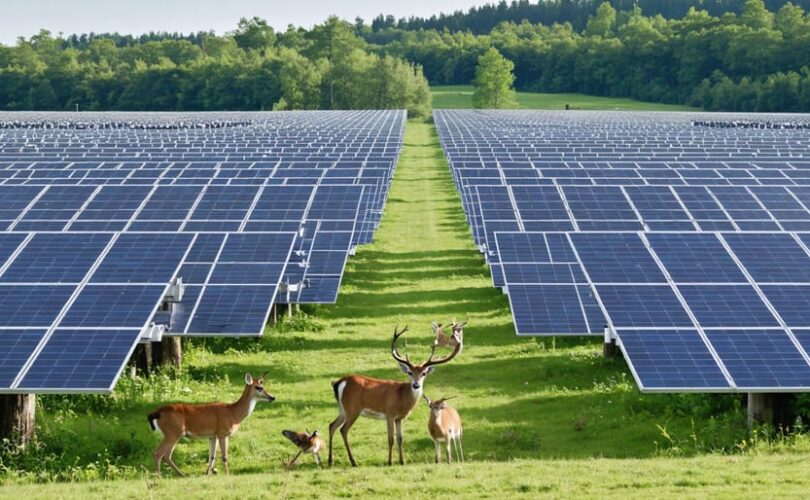
Integrating ecosystem preservation into sustainable solar energy development requires a systematic approach that balances environmental protection with energy production objectives. Comprehensive site assessments must evaluate existing biodiversity, identifying protected species and critical habitats before project implementation. Environmental impact studies should analyze soil composition, drainage patterns, and native vegetation to determine optimal panel placement while maintaining ecosystem integrity. Strategic wildlife corridors between solar arrays enable continued species movement and habitat connectivity, while native plant restoration beneath panels creates dual-use opportunities for local flora and fauna.
Advanced monitoring systems track ecosystem health through biodiversity indicators, soil quality measurements, and wildlife population assessments, enabling data-driven adaptations to preservation strategies. These scientific approaches, combined with innovative design solutions such as elevated mounting systems and permeable ground covers, demonstrate how solar deployment can coexist with and potentially enhance local ecosystems. By prioritizing preservation alongside power generation, solar facilities become integral components of sustainable landscape management, setting new standards for responsible renewable energy infrastructure.
Understanding Ecosystem Impact in Solar PV Installations
Direct Habitat Effects
Construction and operation of solar PV installations can significantly impact local ecosystems through direct habitat modification. Adopting an ecosystem mindset in solar development is crucial for minimizing these effects. Site preparation often involves vegetation clearing, soil compaction, and terrain modification, which can disrupt native plant communities and wildlife habitats. The installation of mounting structures, access roads, and auxiliary facilities further fragments the landscape, potentially affecting species movement patterns and breeding grounds.
During operational phases, solar arrays create shade patterns that alter microclimate conditions, affecting plant growth and soil moisture levels beneath panels. These changes can influence local biodiversity and ecosystem processes. Physical barriers from security fencing may restrict wildlife movement corridors, while panel surfaces can impact local hydrology by concentrating rainfall runoff in specific areas.
Understanding these direct impacts enables developers to implement targeted mitigation strategies, such as maintaining wildlife corridors, establishing native vegetation buffers, and designing panel layouts that minimize habitat disruption while maintaining optimal energy production.
Indirect Ecological Consequences
The preservation of ecosystems extends beyond immediate project boundaries, creating ripple effects throughout interconnected natural systems. Wildlife corridors, essential pathways that allow animals to move between habitats, can be disrupted when solar installations fragment previously continuous landscapes. This disruption affects migration patterns, breeding behaviors, and genetic diversity within species populations.
Plant communities also experience secondary impacts through altered soil conditions and changes in local hydrology. The modification of natural water flow patterns can affect downstream vegetation, potentially leading to shifts in plant species composition and distribution. Additionally, changes in shade patterns and microclimate conditions can influence the growth and survival of native plant species, potentially favoring invasive species that are more adaptable to disturbed environments.
These indirect consequences can manifest gradually over time, making them particularly challenging to predict and mitigate. Understanding these complex ecological relationships is crucial for developing comprehensive preservation strategies that consider both immediate and long-term environmental impacts. Successful ecosystem preservation requires regular monitoring of these secondary effects and adaptive management approaches to address emerging challenges.
Site Selection and Assessment Strategies
Environmental Impact Assessment Methods
Environmental Impact Assessment (EIA) methods for solar installations involve systematic procedures to evaluate and mitigate potential ecosystem disruptions. The process begins with baseline ecological surveys that document existing flora, fauna, and habitat characteristics. These surveys typically span multiple seasons to capture temporal variations in wildlife patterns and vegetation cycles.
Key assessment components include habitat mapping, species inventories, and identification of sensitive ecological zones. Specialists employ Geographic Information Systems (GIS) to analyze spatial data and create detailed environmental sensitivity maps. These tools help identify optimal locations for innovative solar installation methods while minimizing ecological disturbance.
The assessment process incorporates both qualitative and quantitative methods. Quantitative analyses measure factors such as soil composition, water quality, and biodiversity indices. Qualitative assessments evaluate landscape aesthetics, ecosystem services, and potential cumulative impacts on local wildlife corridors.
Modern EIA approaches emphasize stakeholder engagement, incorporating input from local communities, environmental organizations, and regulatory bodies. This collaborative approach ensures comprehensive impact evaluation and helps develop effective mitigation strategies.
The final assessment phase involves developing monitoring protocols and establishing environmental performance indicators. These metrics enable ongoing evaluation of ecosystem health throughout the project lifecycle, ensuring long-term environmental preservation alongside sustainable energy generation.
Biodiversity Mapping Techniques
Biodiversity mapping employs advanced technological tools and methodologies to identify and assess ecologically sensitive areas within proposed solar installation sites. Geographic Information Systems (GIS) serve as the primary platform for collecting, analyzing, and visualizing environmental data, enabling developers to make informed decisions about site selection and layout optimization.
Remote sensing technologies, including satellite imagery and LiDAR scanning, provide detailed topographical information and vegetation coverage data. These tools help identify critical habitats, wildlife corridors, and rare plant species that require protection. Environmental DNA (eDNA) sampling offers innovative ways to detect species presence without direct observation, particularly useful for identifying sensitive aquatic ecosystems.
Field surveys conducted by qualified ecologists complement digital mapping techniques, providing ground-truth data and detailed species inventories. These surveys typically follow standardized protocols, including point counts for birds, trap surveys for small mammals, and quadrat sampling for plant communities.
Temporal mapping is equally important, tracking seasonal changes in wildlife movement patterns and plant life cycles. This information helps developers schedule construction activities to minimize disruption to breeding seasons and migration periods.
The integration of these mapping techniques produces comprehensive biodiversity atlases that guide solar facility design. These atlases typically include buffer zones around sensitive areas, suggested wildlife corridors, and recommendations for habitat enhancement measures, ensuring solar developments can coexist with local ecosystems while maintaining their generating capacity.
Design Solutions for Wildlife Protection
Wildlife-Friendly Panel Configurations
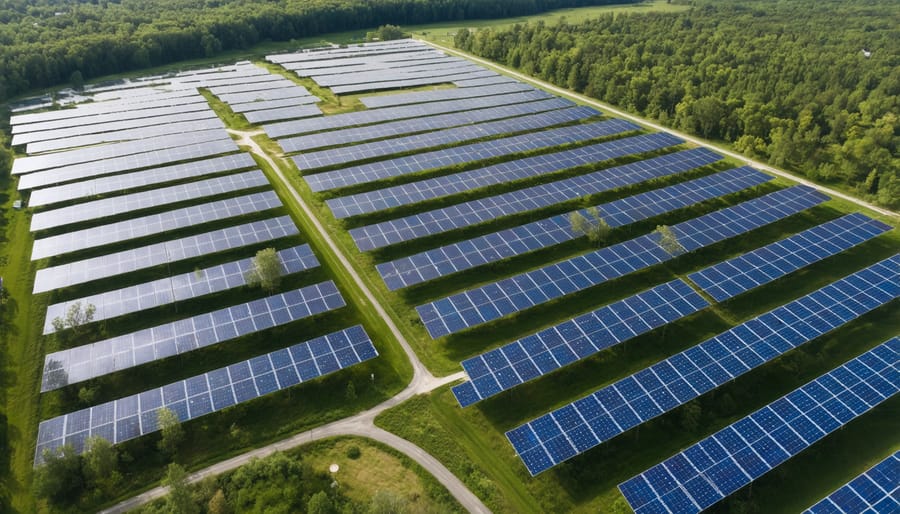
Effective smart solar farm design incorporates strategic panel configurations that maintain wildlife corridors and preserve natural habitat connectivity. Key layout strategies include implementing wildlife-friendly spacing between panel rows, typically 3-4 meters wide, allowing for safe passage of local fauna. This spacing also enables sufficient light penetration for understory vegetation growth.
Elevated mounting systems, set at minimum heights of 0.8 meters from the ground, facilitate movement of smaller wildlife species while providing shelter during adverse weather conditions. Implementing these configurations requires careful consideration of site-specific wildlife patterns and habitat requirements.
Perimeter fencing should include wildlife passages at regular intervals, typically every 50-100 meters, with openings sized appropriately for native species. These passages should align with identified wildlife corridors and natural movement patterns.
Panel arrays can be arranged in clusters rather than continuous blocks, creating wildlife-friendly zones between array groups. These intentional gaps serve as movement corridors and maintain habitat connectivity across the solar facility. Integration of native vegetation strips between panel rows further enhances habitat value while supporting local biodiversity.
Site-specific adaptations may include modified tilt angles or specialized mounting structures in areas identified as critical wildlife passages, ensuring minimal disruption to established movement patterns while maintaining optimal energy production.
Protective Infrastructure Features
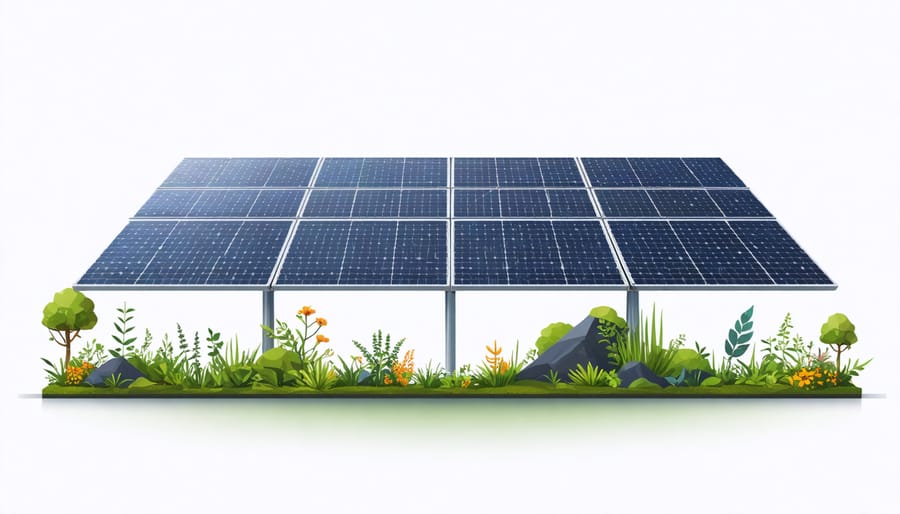
Protective infrastructure features play a crucial role in safeguarding local ecosystems within solar PV installations. Wildlife corridors serve as designated pathways that allow native species to move safely through and around solar facilities, maintaining natural migration patterns and habitat connectivity. These corridors typically incorporate native vegetation and natural landscape features to provide cover and resources for local wildlife.
Perimeter fencing designs incorporate specific modifications to accommodate wildlife movement while maintaining site security. These include elevated fence sections for smaller animals and strategic gaps that allow species-specific passage while preventing access by larger predators or unauthorized personnel.
Water management systems, including bioswales and retention ponds, help maintain natural hydrology patterns and provide essential habitat for amphibians and aquatic species. These features also serve to filter runoff and prevent soil erosion, protecting both the installation and surrounding ecosystems.
Elevated mounting systems create wildlife-friendly spaces beneath solar arrays, offering shade and shelter while maintaining ground-level vegetation. This approach maximizes land use efficiency while preserving habitat functionality. Strategic placement of support structures minimizes ground disturbance and incorporates design elements that prevent bird nesting in potentially hazardous areas.
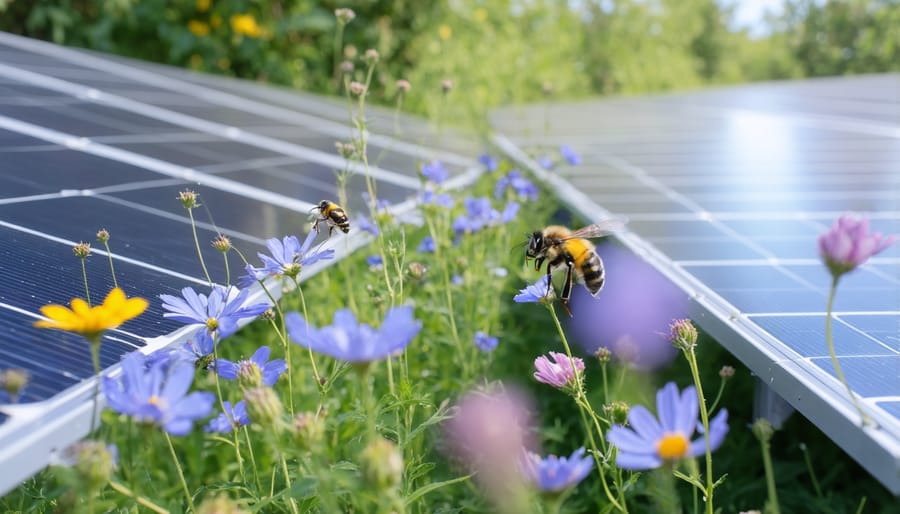
Buffer zones around sensitive habitat areas provide additional protection, featuring native plant species that support local pollinators and other wildlife. These zones often include monitoring stations that help track ecosystem health and species movement patterns, enabling adaptive management strategies when necessary.
Maintenance Practices for Ecosystem Health
Vegetation Management Protocols
Effective vegetation management is crucial for maintaining ecological balance while optimizing solar facility operations. Native plant species play a vital role in supporting local biodiversity and preventing soil erosion, making their preservation essential for ecosystem health.
Site-specific vegetation management protocols should begin with a comprehensive inventory of existing plant species. This baseline assessment helps identify protected or endangered species that require special consideration during maintenance activities. Regular monitoring through seasonal surveys ensures early detection of invasive species and helps track the health of native plant populations.
Implementation of strategic mowing schedules is essential, with timing adjusted to avoid disrupting natural seeding cycles and wildlife breeding seasons. Height requirements for vegetation should balance fire safety regulations with habitat preservation, typically maintaining growth between 6-18 inches depending on local conditions and species composition.
Selective herbicide application, when necessary, must follow strict guidelines to protect native species. Integrated Vegetation Management (IVM) practices emphasize the use of mechanical methods and biological controls before chemical interventions. This approach minimizes environmental impact while effectively managing unwanted vegetation.
Buffer zones around water bodies and sensitive habitats require specialized management approaches. These areas often benefit from reduced maintenance intensity and may serve as wildlife corridors, supporting ecosystem connectivity across the broader landscape.
Documentation of vegetation management activities, including species monitoring data and maintenance logs, helps track long-term ecosystem health and adapt strategies as needed. Regular consultation with botanical experts and environmental specialists ensures management practices remain aligned with current conservation science and regulatory requirements.
Wildlife Monitoring Systems
Wildlife monitoring systems play a crucial role in ecosystem preservation during solar PV installations, enabling project developers to track and protect local fauna effectively. These systems combine advanced technology with scientific methodology to provide comprehensive data about wildlife populations and behavior patterns.
Modern monitoring approaches utilize multiple data collection methods, including motion-triggered cameras, GPS tracking devices, and environmental DNA sampling. These tools help identify species presence, movement patterns, and habitat utilization within and around solar installation sites. Real-time monitoring systems equipped with infrared sensors and AI-powered analytics can detect wildlife activity, particularly during dawn and dusk when many species are most active.
Acoustic monitoring devices record and analyze animal vocalizations, helping researchers understand species distribution and behavioral changes in response to solar infrastructure. This data proves invaluable for adapting construction schedules and operational practices to minimize wildlife disturbance.
Drone technology and satellite imagery complement ground-based monitoring by providing aerial surveillance of larger areas and tracking seasonal migration patterns. These tools help identify critical wildlife corridors and inform the strategic placement of solar arrays to maintain habitat connectivity.
Database management systems integrate collected data to create comprehensive wildlife activity maps and trend analyses. This information guides adaptive management strategies and helps measure the effectiveness of implemented protection measures. Regular reporting and analysis enable project managers to adjust operational protocols based on observed wildlife behavior and ensure long-term ecosystem stability.
Successful wildlife monitoring programs often involve partnerships with local conservation organizations and research institutions, ensuring proper data interpretation and the implementation of evidence-based protection strategies.
The successful integration of solar energy infrastructure with ecosystem preservation requires a carefully balanced, multifaceted approach. Throughout this discussion, we’ve explored various strategies that demonstrate how solar development and environmental protection can coexist harmoniously. By implementing comprehensive site assessments, adopting wildlife-friendly design principles, and maintaining robust monitoring programs, solar facilities can minimize their ecological footprint while maximizing energy production.
Key to this balance is the early incorporation of environmental considerations into project planning, coupled with ongoing collaboration between solar developers, environmental scientists, and local stakeholders. The implementation of adaptive management practices ensures that preservation strategies can evolve based on monitoring results and emerging research, maintaining their effectiveness over time.
The future of solar energy deployment depends on our ability to scale installations while safeguarding natural habitats and biodiversity. This requires continued investment in research, development of innovative technologies, and refinement of best practices. The industry must remain committed to collecting and sharing data on ecosystem impacts and successful preservation strategies.
By prioritizing both renewable energy goals and ecosystem preservation, we can create a sustainable energy future that supports both human needs and environmental health. The strategies outlined in this article provide a framework for achieving this balance, ensuring that solar energy development continues to contribute positively to our clean energy future while protecting valuable ecosystems for generations to come.