The convergence of Internet of Things (IoT) technology with solar power systems marks a transformative leap in renewable energy management. Modern IoT integration in solar systems enables real-time monitoring, predictive maintenance, and automated optimization of photovoltaic installations, driving unprecedented levels of efficiency and reliability. Smart sensors now collect granular performance data across vast solar arrays, while sophisticated analytics platforms transform this information into actionable insights for system operators. This technological synergy not only maximizes energy yield but also reduces operational costs through automated fault detection and remote management capabilities. As the renewable energy sector continues to evolve, the marriage of solar power and IoT technology represents a crucial advancement in our journey toward sustainable, intelligent energy systems that respond dynamically to changing environmental conditions and energy demands.
IoT Architecture in Solar PV Systems
Sensor Networks and Data Collection
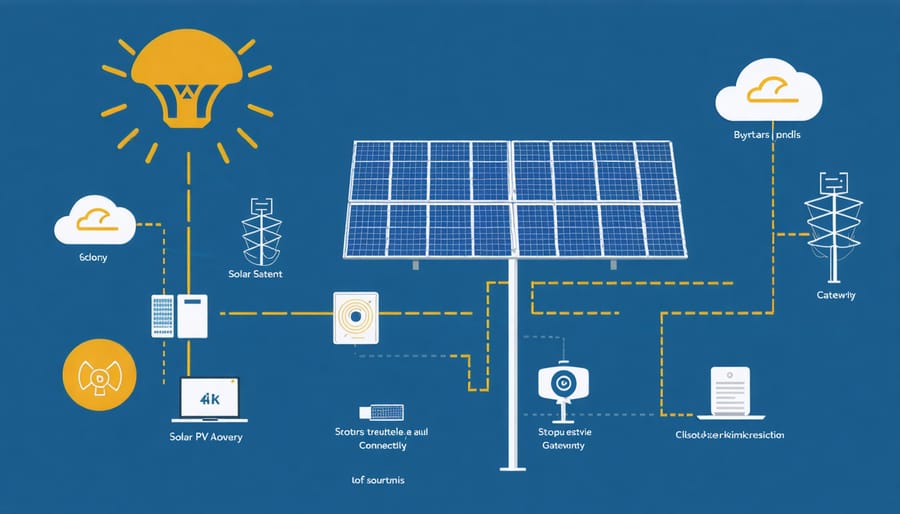
Sensor networks form the backbone of solar IoT systems, utilizing a diverse array of sensing devices to monitor critical performance parameters and environmental conditions. These networks typically incorporate pyranometers for measuring solar irradiance, temperature sensors for tracking panel and ambient temperatures, and voltage/current sensors for monitoring electrical output.
Advanced monitoring systems employ smart sensors that detect panel degradation, soiling levels, and potential hotspots. Environmental sensors measure humidity, wind speed, and precipitation, enabling system operators to optimize panel cleaning schedules and predict weather-related impacts on performance.
Data collection occurs through strategically placed nodes that communicate via wireless protocols such as LoRaWAN, Zigbee, or cellular networks. These nodes aggregate readings from multiple sensors and transmit them to central gateways or cloud platforms for processing. Modern sensor networks feature self-diagnostic capabilities, ensuring data accuracy and system reliability.
The integration of micro-electromechanical systems (MEMS) has enabled the development of compact, energy-efficient sensors that can operate autonomously for extended periods. These sophisticated sensing networks provide real-time visibility into system performance, facilitating predictive maintenance and enabling rapid response to potential issues, ultimately maximizing the solar installation’s efficiency and longevity.
Communication Protocols and Connectivity
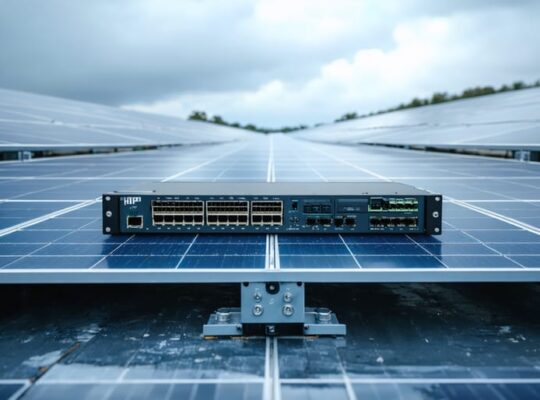
Communication protocols form the backbone of solar IoT systems, enabling seamless data exchange between devices, sensors, and central monitoring platforms. The most widely adopted wireless technologies in solar installations include Wi-Fi, Bluetooth Low Energy (BLE), Zigbee, and cellular networks like 4G LTE and 5G.
Wi-Fi provides high-bandwidth connectivity suitable for data-intensive applications within local networks, while BLE offers energy-efficient communication for short-range device interactions. Zigbee technology, specifically designed for IoT applications, creates mesh networks that allow multiple devices to communicate efficiently across solar installations while consuming minimal power.
For remote solar installations, cellular connectivity ensures reliable data transmission over long distances. The emergence of Low-Power Wide-Area Networks (LPWAN) technologies like LoRaWAN and NB-IoT has revolutionized solar IoT connectivity by offering extended range and improved battery life for sensor networks.
These protocols typically implement standard security measures, including end-to-end encryption and authentication mechanisms, to protect sensitive operational data. The selection of appropriate communication protocols depends on factors such as installation size, data requirements, power consumption constraints, and site location. Modern solar IoT systems often integrate multiple protocols to optimize performance and reliability across different operational scenarios.
Real-Time Monitoring and Analytics
Performance Optimization
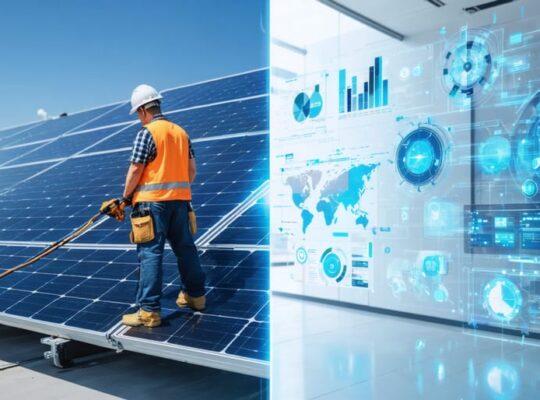
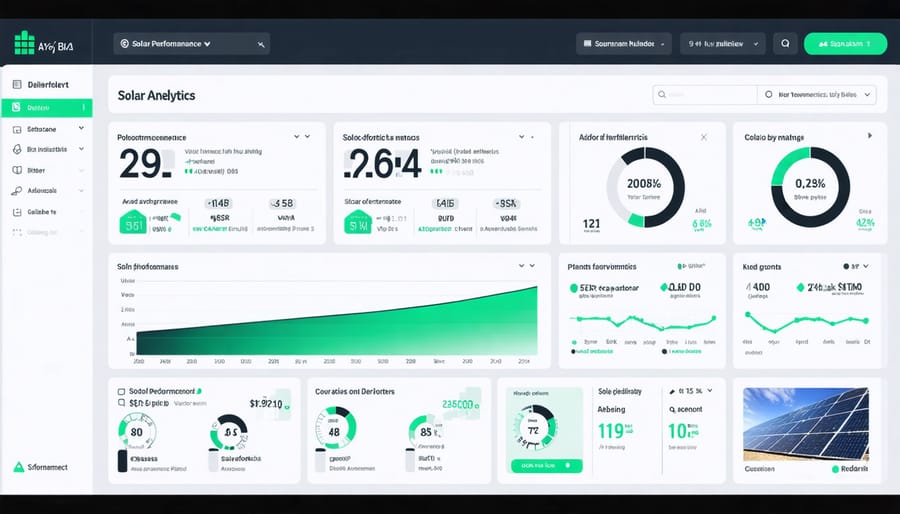
IoT technology has revolutionized how solar PV systems are monitored and optimized for peak performance. Through sophisticated sensor networks and data analytics, real-time performance monitoring enables system operators to identify and address efficiency issues promptly.
These IoT solutions continuously collect crucial performance metrics, including power output, voltage levels, and environmental conditions. Advanced algorithms analyze this data stream to detect anomalies, predict maintenance needs, and optimize energy production. The system can automatically adjust panel orientation, inverter settings, and power distribution based on real-time conditions.
Performance optimization through IoT extends beyond individual panel monitoring. The technology enables comprehensive system analysis, comparing actual performance against theoretical yields and identifying underperforming components. Smart sensors detect issues like dust accumulation, shade patterns, and electrical faults, triggering automated cleaning systems or maintenance alerts.
Energy forecasting capabilities have significantly improved through machine learning algorithms that process historical performance data alongside weather predictions. This enables more accurate production estimates and better grid integration. The system can also automatically adjust to grid demands, optimizing energy storage and distribution based on consumption patterns.
For utility-scale installations, IoT-driven optimization has demonstrated efficiency improvements of up to 20% while reducing operational costs through predictive maintenance and automated responses to system anomalies.
Predictive Maintenance
IoT sensors and data analytics have revolutionized maintenance strategies for solar PV systems by enabling a shift from reactive to predictive maintenance approaches. By continuously monitoring key performance indicators such as voltage, current, temperature, and environmental conditions, IoT devices can detect potential issues before they escalate into system failures.
Advanced algorithms analyze real-time data streams to identify patterns and anomalies that might indicate developing problems. For instance, gradual decreases in power output, unusual temperature fluctuations, or changes in panel efficiency can signal the need for maintenance intervention. This predictive capability allows system operators to schedule maintenance activities precisely when needed, optimizing resource allocation and minimizing downtime.
The integration of IoT-based predictive maintenance has demonstrated significant benefits, including increased system longevity, reduced operational costs, and improved return on investment. Studies show that predictive maintenance can reduce maintenance costs by up to 30% and extend equipment lifetime by 20-25% compared to traditional maintenance approaches.
Machine learning models further enhance predictive capabilities by learning from historical performance data and maintenance records. These models can predict component failures with increasing accuracy over time, enabling maintenance teams to prepare necessary resources and schedule interventions during optimal weather conditions or low-demand periods.
The system also generates detailed maintenance reports and recommendations, providing operators with actionable insights for system optimization and long-term planning. This data-driven approach ensures that solar installations operate at peak efficiency throughout their lifecycle while minimizing unexpected breakdowns and maintenance expenses.
Smart Energy Management
Load Balancing and Storage
Effective load balancing and storage solutions are crucial components in solar IoT installations, ensuring optimal energy distribution and system reliability. Modern solar systems integrate smart battery management systems (BMS) that continuously monitor storage capacity, charge levels, and power flow. These systems employ sophisticated algorithms to analyze real-time consumption patterns and weather forecasts, automatically adjusting energy distribution to maximize efficiency.
IoT sensors and controllers enable dynamic load management by prioritizing essential appliances during peak demand or limited solar generation. The system can automatically divert excess power to storage during high production periods and regulate discharge rates based on predicted usage patterns. This intelligent coordination between generation, storage, and consumption helps maintain grid stability and reduces dependency on conventional power sources.
Advanced battery systems incorporate lithium-ion or flow battery technology, offering improved energy density and longer cycle life compared to traditional lead-acid batteries. IoT-enabled monitoring systems track battery health parameters, including temperature, voltage, and state of charge, ensuring optimal performance and prolonging battery lifespan. These systems can also predict maintenance requirements and alert operators to potential issues before they affect system performance.
Smart load controllers integrate with home energy management systems (HEMS) to optimize power consumption based on real-time electricity rates, weather conditions, and user preferences. This integration enables automated demand response programs and facilitates participation in grid services, potentially generating additional revenue for system owners.
Grid Communication
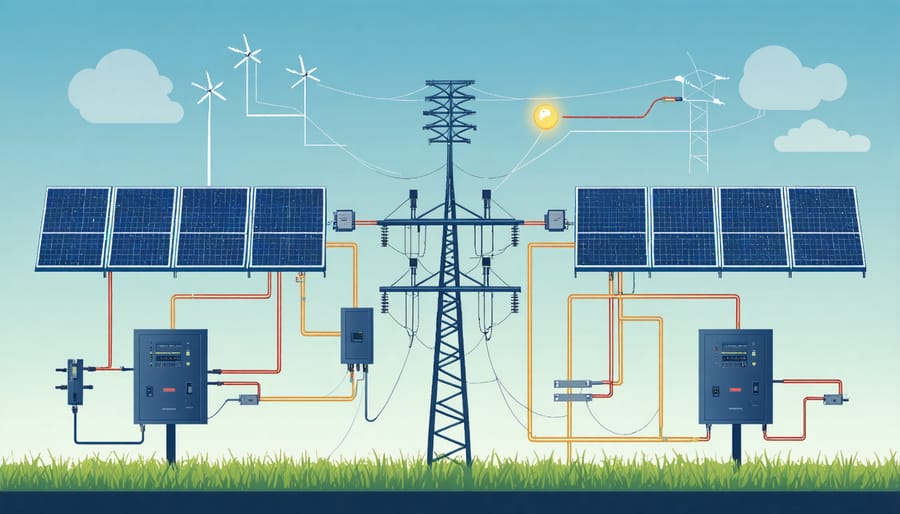
Smart grid integration represents a crucial advancement in solar IoT systems, enabling bidirectional communication between photovoltaic installations and utility networks. This sophisticated interaction allows for real-time monitoring and optimization of energy export to the grid while maintaining stable power quality and grid reliability.
Modern solar installations equipped with IoT capabilities can automatically adjust their power output based on grid demands and stability requirements. These systems utilize advanced power electronics and communication protocols to manage voltage regulation, frequency control, and reactive power compensation. When grid conditions change, IoT-enabled inverters can respond within milliseconds to maintain optimal performance and prevent system instability.
Energy export management systems leverage IoT sensors and smart meters to track power flow, enabling precise control over how much solar-generated electricity enters the grid. This capability is particularly valuable during peak production periods when grid capacity might be constrained. The system can automatically curtail output or redirect excess energy to storage solutions based on real-time grid conditions and utility requirements.
Grid operators benefit from enhanced visibility into distributed solar resources, allowing them to better forecast and manage network loads. Solar IoT systems provide detailed performance metrics, generation data, and system health information, facilitating improved grid stability and more efficient power distribution across the network. This level of integration supports the development of more resilient and flexible power systems while maximizing the value of solar investments.
Security and Data Protection
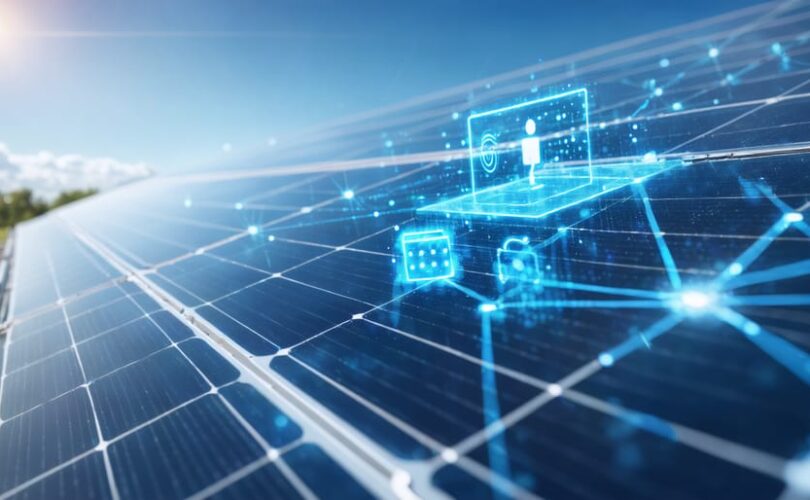
Security and data protection are paramount concerns in solar IoT implementations, as these systems manage critical infrastructure and sensitive operational data. The interconnected nature of solar IoT devices creates multiple potential entry points for cyber threats, necessitating a comprehensive security framework.
Authentication and access control form the first line of defense in solar IoT systems. Multi-factor authentication protocols ensure that only authorized personnel can access system controls and data. Role-based access control (RBAC) further strengthens security by limiting user permissions based on job functions and responsibilities.
Data encryption plays a crucial role in protecting information both at rest and in transit. Solar IoT systems typically employ end-to-end encryption using industry-standard protocols such as TLS/SSL for data transmission and AES-256 for stored data. This ensures that sensitive performance metrics, energy production data, and system configurations remain confidential.
Regular security audits and vulnerability assessments help identify potential weaknesses in the solar IoT infrastructure. These assessments should cover all components, including sensors, communication protocols, gateway devices, and cloud platforms. Implementing automated security monitoring tools enables real-time threat detection and response.
Privacy considerations are equally important, particularly when handling customer data and energy consumption patterns. Solar IoT systems must comply with relevant data protection regulations such as GDPR or regional privacy laws. This includes implementing data minimization principles, obtaining necessary consents, and maintaining transparent data handling practices.
Physical security measures complement cybersecurity protocols. This involves securing hardware components against tampering, implementing robust device authentication mechanisms, and ensuring secure boot processes for IoT devices. Regular firmware updates and patch management help address known vulnerabilities and maintain system integrity.
A comprehensive incident response plan is essential for addressing security breaches. This plan should outline procedures for threat detection, containment, and recovery, as well as communication protocols for stakeholders. Regular training and awareness programs ensure that personnel understand their roles in maintaining system security and data protection.
Future Trends and Developments
The integration of solar IoT systems continues to evolve rapidly, driven by digital innovations in solar technology and advancing capabilities in data analytics. Emerging trends indicate a shift toward more sophisticated AI-powered predictive maintenance systems, capable of detecting potential failures before they occur and optimizing energy production in real-time.
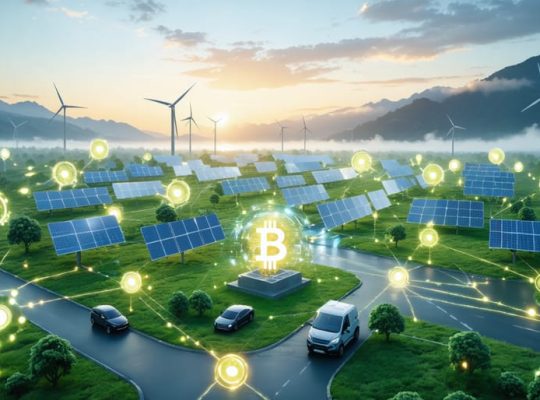
Edge computing is becoming increasingly prominent, allowing for faster data processing directly at solar installation sites. This development reduces latency and enables more immediate response to changing environmental conditions. Additionally, blockchain technology is being integrated into solar IoT systems to enhance security and enable transparent peer-to-peer energy trading platforms.
The miniaturization of sensors and improvements in battery technology are leading to more compact, efficient, and cost-effective solar IoT devices. These advancements are making sophisticated monitoring systems accessible to smaller installations and residential applications.
Looking ahead, the integration of 5G networks will dramatically enhance communication capabilities between solar IoT devices, enabling more comprehensive grid integration and improved demand response systems. Machine learning algorithms are expected to become more sophisticated, offering enhanced forecasting capabilities and automated optimization of solar array performance based on historical and real-time data analysis.
Research institutions are also exploring the potential of quantum sensors for ultra-precise solar tracking and energy conversion optimization, which could significantly improve the efficiency of future solar installations.
The integration of IoT technology in solar PV systems represents a significant advancement in renewable energy management and optimization. By enabling real-time monitoring, automated control, and data-driven decision-making, IoT solutions have transformed solar installations from passive energy generators into intelligent, responsive systems. The enhanced efficiency, predictive maintenance capabilities, and improved fault detection mechanisms directly contribute to increased energy yields and reduced operational costs.
The seamless connectivity and remote management capabilities offered by IoT integration have made solar PV systems more accessible and manageable for both residential and commercial users. The ability to analyze performance metrics, weather patterns, and consumption data has revolutionized how we approach solar energy optimization and grid integration.
Looking ahead, the continued evolution of IoT technology in solar applications promises even greater advances in system efficiency, grid stability, and energy management. As we move toward a more sustainable future, the symbiotic relationship between IoT and solar PV systems will play a crucial role in accelerating the adoption of renewable energy and achieving global sustainability goals. This technological convergence represents not just an improvement in solar energy systems, but a fundamental shift in how we harness and manage clean energy resources.