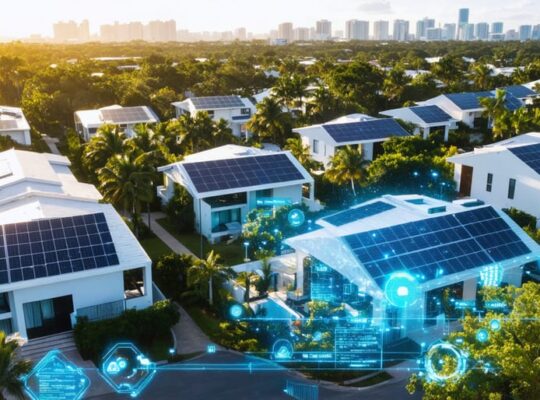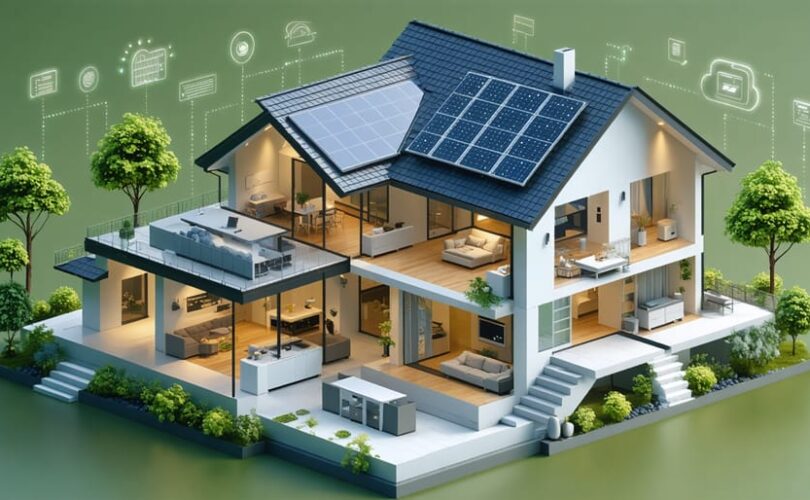
Transform your living space into a fully automated ecosystem with integrated smart home systems that seamlessly merge solar power, IoT devices, and intelligent controls. Modern smart solar homes represent the convergence of renewable energy and advanced automation, offering unprecedented control over energy consumption and home management.
These sophisticated systems integrate solar photovoltaic technology with smart thermostats, automated lighting, security systems, and energy monitoring platforms through a centralized hub. By leveraging artificial intelligence and machine learning algorithms, these systems optimize energy distribution, automatically adjusting power consumption based on real-time solar generation, battery storage levels, and household demands.
The integration extends beyond basic automation, incorporating predictive analytics that anticipate energy needs based on historical usage patterns, weather forecasts, and grid conditions. This intelligent orchestration ensures maximum efficiency while maintaining comfort and convenience, ultimately reducing energy costs and environmental impact. For homeowners and industry professionals alike, integrated smart home systems represent the future of sustainable living, combining environmental responsibility with cutting-edge technology.
Core Components of Solar-Smart Home Integration
Solar PV System Integration
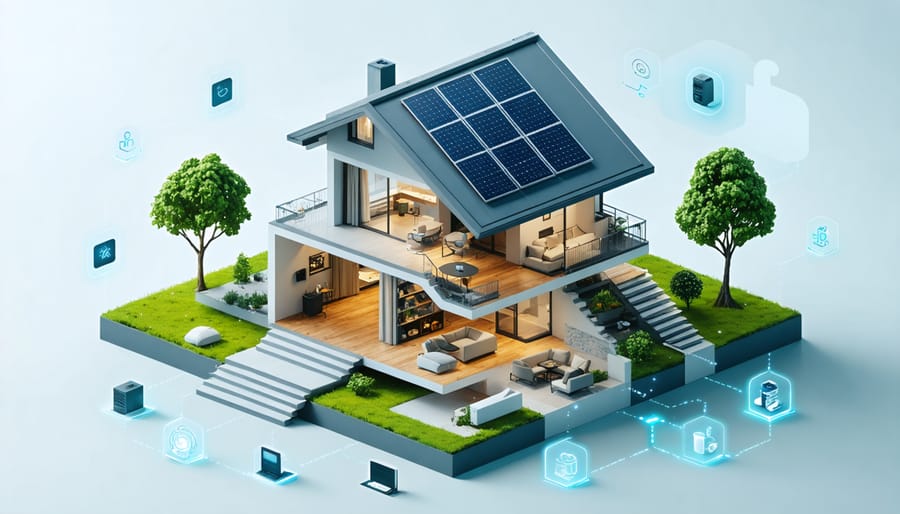
The integration of solar PV systems with smart home infrastructure represents a significant advancement in residential energy management. Modern solar installations seamlessly connect with home automation systems through sophisticated communication protocols and intelligent control interfaces. At the heart of this integration are smart inverters, which not only convert DC power from solar panels to AC power but also enable bidirectional communication with home energy management systems (HEMS).
These smart inverters work in conjunction with monitoring systems to provide real-time data on energy production, consumption patterns, and system performance. As PV technology applications continue to evolve, advanced monitoring platforms can now automatically adjust power distribution based on household demand and time-of-use pricing.
The integration architecture typically includes power optimizers or microinverters at the panel level, which maximize energy harvest and provide granular performance data. A central gateway device coordinates communication between the solar components and other smart home systems, enabling features such as automated load scheduling and battery storage management.
Modern integrated systems can prioritize self-consumption by directing excess solar power to smart appliances or energy storage systems during peak production hours. This intelligent power routing is achieved through sophisticated algorithms that analyze historical usage patterns, weather forecasts, and real-time electricity prices to optimize energy distribution throughout the home.
Smart Energy Management Hub
The Smart Energy Management Hub serves as the central nervous system of an integrated smart home system, orchestrating power distribution and consumption across all connected devices and subsystems. This sophisticated control center continuously monitors energy flow, analyzing real-time data from various sources including solar panels, battery storage systems, and grid connections.
Operating through advanced algorithms and machine learning capabilities, the hub optimizes energy usage by prioritizing renewable energy sources and managing peak load periods. It automatically adjusts power consumption based on factors such as time of day, occupancy patterns, weather conditions, and electricity rates.
The management system interfaces with smart appliances and HVAC systems, implementing automated schedules and demand response protocols. During periods of high solar generation, the hub directs excess power to battery storage or energy-intensive tasks like electric vehicle charging or water heating. Conversely, during low generation periods or peak utility rates, it can reduce non-essential power consumption to minimize grid dependency.
Real-time monitoring and reporting capabilities provide homeowners with detailed insights into their energy production, consumption, and savings through user-friendly dashboards. The system also features predictive analytics to forecast energy needs and automatically adjust settings for optimal efficiency, ensuring seamless integration between renewable and grid power sources while maximizing cost savings and reducing environmental impact.
Automated Energy Optimization
Predictive Load Management
Predictive load management represents a cornerstone of modern automated resource management systems, leveraging artificial intelligence and machine learning algorithms to optimize energy consumption in integrated smart homes. By analyzing historical usage patterns, weather data, and occupancy schedules, these systems can accurately forecast household energy demands and adjust power distribution accordingly.
The system continuously monitors and learns from daily routines, such as peak usage times, preferred temperature settings, and typical appliance operation schedules. This data-driven approach enables the smart home to anticipate energy needs and implement proactive measures to balance load distribution. For instance, the system might automatically adjust HVAC operations during solar peak production hours or schedule energy-intensive tasks like electric vehicle charging during optimal generation periods.
Advanced predictive algorithms also factor in external variables such as weather forecasts, utility rate schedules, and grid demand signals. This comprehensive analysis allows the system to make intelligent decisions about when to use solar-generated power, when to store excess energy in batteries, and when to draw from the grid. During periods of expected high demand or reduced solar production, the system can automatically implement load-shedding strategies by temporarily adjusting non-critical device operations.
The integration of predictive load management with smart home automation creates a seamless experience for homeowners while maximizing energy efficiency. Real-time monitoring and adjustment capabilities ensure that energy consumption aligns with production patterns, reducing waste and optimizing cost savings. This sophisticated approach to energy management represents a significant advancement in residential solar power integration, providing both environmental and economic benefits.
Smart Battery Storage Control
Smart battery storage control systems optimize the flow of energy between solar panels, battery banks, and household consumption through sophisticated algorithms and real-time monitoring. These systems automatically manage charging and discharge cycles based on multiple factors, including energy production, consumption patterns, grid electricity rates, and weather forecasts.
During peak solar production hours, the control system prioritizes charging the battery storage while simultaneously powering household needs. The intelligent algorithms analyze historical usage data and weather predictions to determine optimal charging levels, ensuring sufficient capacity for evening and nighttime use. This predictive capability enables the system to make informed decisions about energy storage and consumption.
The discharge cycle management is equally sophisticated, with the system automatically switching to battery power during peak utility rate periods or grid outages. The control system maintains optimal depth of discharge levels to preserve battery life while maximizing economic benefits. It continuously monitors battery health parameters, including temperature, voltage, and state of charge, adjusting discharge rates accordingly.
Advanced features include dynamic load balancing, where the system selectively powers different household circuits based on priority settings and available stored energy. The control system can also integrate with time-of-use utility rates, strategically releasing stored energy during high-cost periods to maximize cost savings.
Many modern battery storage control systems offer remote monitoring and management capabilities through smartphone applications, allowing homeowners to view real-time performance metrics and manually override automated settings when needed. These systems often include data logging and analysis features, providing detailed insights into energy usage patterns and system efficiency.
Real-Time Monitoring and Control
Mobile App Integration
Mobile app integration serves as the central control hub for modern integrated smart home systems, offering users comprehensive management capabilities through their smartphones. These applications provide real-time monitoring and control of various smart home components, from lighting and security systems to energy consumption and solar power generation.
Most smart home apps feature intuitive dashboards that display critical system metrics, including energy production, consumption patterns, and device status updates. Users can remotely adjust settings, create automated schedules, and receive instant notifications about system performance or potential issues. Advanced applications incorporate machine learning algorithms to analyze usage patterns and automatically optimize system operations for enhanced efficiency.
Security features within these applications typically include encrypted connections, two-factor authentication, and secure remote access protocols to protect system integrity. Many platforms also offer multi-user support with customizable permission levels, allowing homeowners to grant limited access to family members or maintenance personnel.
The integration capabilities extend to voice control through virtual assistants like Amazon Alexa or Google Assistant, enabling hands-free operation of smart home functions. Additional features often include energy consumption reports, predictive maintenance alerts, and integration with weather forecasting services to optimize solar energy utilization.
Most manufacturers provide regular software updates to enhance functionality, improve security, and ensure compatibility with new smart home devices and protocols, maintaining system relevance and performance over time.
Energy Analytics Dashboard
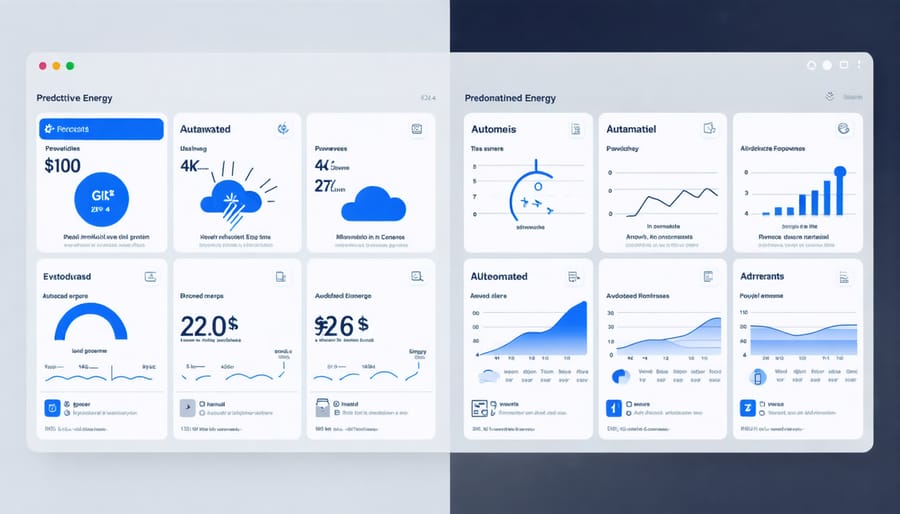
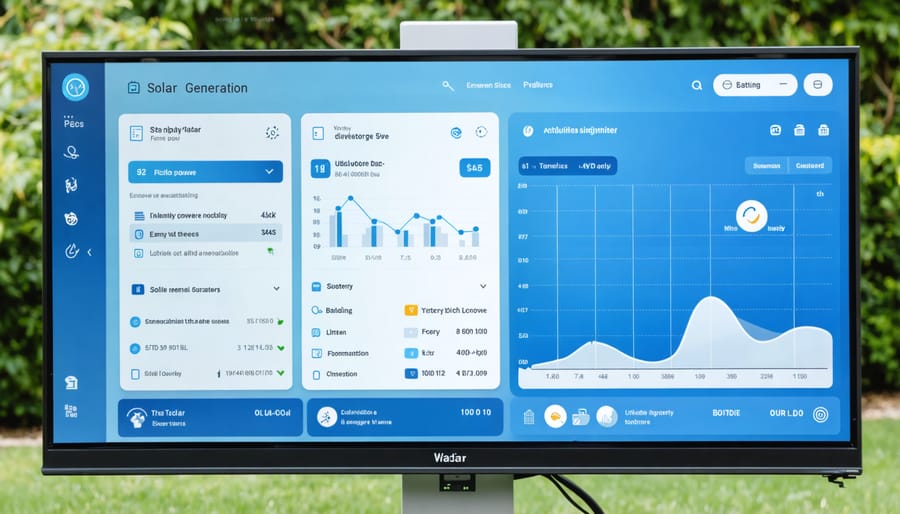
The Energy Analytics Dashboard serves as the central command center for monitoring and optimizing energy consumption in integrated smart home systems. This sophisticated interface aggregates real-time data from various connected devices and presents it through intuitive visualizations, enabling homeowners to make informed decisions about their energy usage.
The dashboard typically features multiple data visualization tools, including customizable graphs, heat maps, and usage trends that display power consumption patterns across different times of the day and seasons. Users can access detailed breakdowns of energy consumption by individual appliances, zones, or specific time periods, helping identify energy-intensive activities and potential areas for optimization.
Key features of the analytics platform include predictive consumption modeling, which uses historical data and machine learning algorithms to forecast future energy needs and costs. The system also provides automated alerts for unusual consumption patterns, equipment maintenance requirements, and potential system inefficiencies.
Performance metrics are presented through easy-to-understand KPIs (Key Performance Indicators), showing real-time solar generation, grid consumption, battery storage levels, and overall system efficiency. Users can generate comprehensive reports for different timeframes, helping track progress toward energy-saving goals and ROI calculations.
The dashboard’s mobile compatibility ensures that homeowners can monitor and control their energy systems remotely, while regular software updates introduce new features and analytical capabilities to enhance system performance and user experience.
Future-Proofing Your Solar Smart Home
As technology continues to evolve, future-proofing your integrated solar smart home system becomes crucial for long-term sustainability and efficiency. Modern smart home energy solutions are designed with scalability in mind, allowing homeowners to adapt and expand their systems as new technologies emerge.
The integration of artificial intelligence and machine learning algorithms is revolutionizing how solar smart homes operate. These systems continuously learn from usage patterns, weather data, and energy consumption habits to optimize performance automatically. Advanced predictive analytics can forecast energy needs and adjust system operations accordingly, ensuring maximum efficiency and cost savings.
Emerging technologies like bidirectional charging and vehicle-to-grid (V2G) integration are becoming increasingly relevant. As electric vehicles become more prevalent, your smart home system can be upgraded to incorporate EV charging infrastructure that works seamlessly with your solar setup. This integration allows your vehicle to serve as an additional power storage unit during peak demand or emergency situations.
Energy storage solutions are also evolving rapidly. Next-generation batteries with improved capacity and longevity are being developed, offering better storage options for solar-generated power. These advancements ensure that your system can be upgraded to accommodate increased energy demands and improved storage capabilities.
IoT (Internet of Things) compatibility is another crucial aspect of future-proofing. Modern systems are designed with open protocols and standardized communications interfaces, allowing for easy integration of new smart devices and technologies as they become available. This interoperability ensures that your system remains current and capable of supporting future innovations.
When planning your solar smart home system, consider implementing a modular architecture that allows for component upgrades without requiring a complete system overhaul. This approach provides flexibility to adopt new technologies while protecting your initial investment. Regular software updates and security patches ensure your system remains protected against emerging cybersecurity threats while maintaining optimal performance.
The integration of smart home systems with solar technology represents a significant leap forward in sustainable living and energy management. By combining advanced automation with renewable energy solutions, homeowners can achieve unprecedented levels of efficiency, comfort, and environmental responsibility. These integrated systems demonstrate remarkable potential for reducing energy consumption while maximizing the utilization of solar-generated power through intelligent load management and automated scheduling.
The benefits of adopting an integrated solar-smart home system extend beyond mere energy savings. These systems provide enhanced control over household operations, real-time monitoring capabilities, and adaptive energy management that responds to both user preferences and environmental conditions. The resulting reduction in carbon footprint, coupled with potential financial savings through optimized energy usage and utility incentives, makes a compelling case for widespread adoption.
As technology continues to evolve and become more accessible, the implementation of integrated solar-smart home systems becomes increasingly practical for homeowners across different economic backgrounds. The initial investment is often offset by long-term savings and increased property value. Furthermore, the scalability of these systems allows for gradual implementation, making the transition to a fully integrated solar-smart home more manageable.
For those considering the shift towards sustainable living, the time is opportune to embrace this technology. With improving reliability, expanding functionality, and growing market support, integrated solar-smart home systems represent not just a trend, but a fundamental advancement in residential energy management and environmental stewardship.