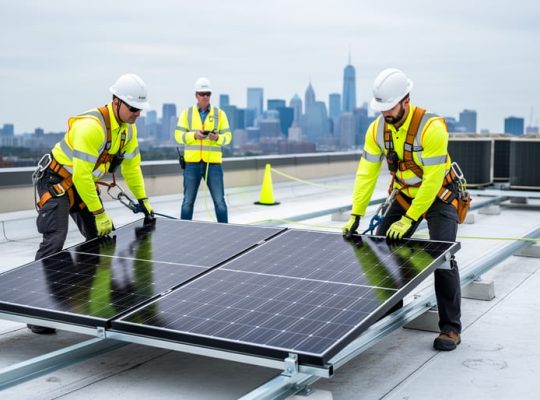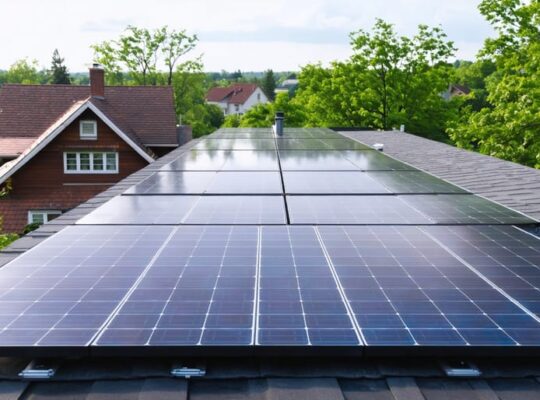
A comprehensive fire protection plan safeguards solar installations through strategic risk assessment, prevention protocols, and emergency response procedures. Installing robust fire detection systems, establishing clear evacuation routes, and implementing solar panel fire safety protocols form the foundation of effective facility protection. Modern PV installations require specialized fire suppression equipment, trained personnel, and regular maintenance schedules to minimize potential hazards and ensure compliance with industry regulations.
Professional fire protection planning demands systematic documentation of emergency procedures, regular staff training programs, and coordination with local fire departments. Critical components include automated shutdown mechanisms, proper labeling of electrical equipment, and strategically placed firefighting equipment. These elements, combined with routine safety audits and updated emergency response plans, create a robust defense against fire-related incidents in solar energy facilities.
The integration of advanced monitoring systems, flame-resistant materials, and proper electrical isolation techniques further strengthens the facility’s fire protection infrastructure. This comprehensive approach ensures both personnel safety and asset protection while maintaining operational continuity in photovoltaic installations.
Risk Assessment and System Evaluation
Common Fire Risks in PV Systems
PV systems, while generally safe, present several common PV system hazards that require careful attention in fire protection planning. Electrical faults represent the primary risk, often occurring due to damaged insulation, loose connections, or improper installation. These faults can lead to arc flashing, which generates intense heat and potentially triggers fires.
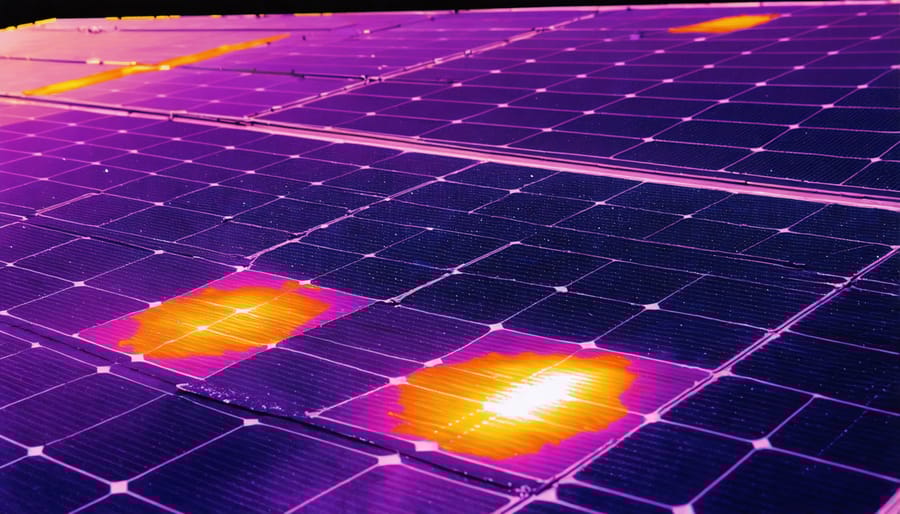
Hot spots develop when individual cells or modules experience elevated temperatures due to shading, dirt accumulation, or internal defects. These thermal anomalies can degrade components and, in severe cases, ignite surrounding materials. Component failures, particularly in inverters and junction boxes, pose additional fire risks through short circuits or overheating.
Weather-related damage can compromise system integrity, creating potential fire hazards. Lightning strikes may cause sudden power surges, while water infiltration can corrode connections and lead to electrical malfunctions. Aging components and degraded materials further contribute to fire risk, especially in systems operating beyond their intended lifespan.
Understanding these risks enables professionals to implement targeted prevention measures and appropriate response protocols in their fire protection strategies.
System Vulnerability Assessment
A systematic vulnerability assessment is crucial for identifying potential fire hazards and weak points within photovoltaic installations. This process begins with a comprehensive evaluation of the system’s components, including modules, inverters, wiring, and mounting structures. Assessors should pay particular attention to areas where electrical connections are concentrated, as these present higher fire risks due to potential arc faults or thermal issues.
Key areas of focus include rooftop penetrations, cable management systems, and junction boxes. These components require thorough inspection for signs of degradation, improper installation, or environmental damage. The assessment should also consider external factors such as surrounding vegetation, weather patterns, and building materials that could influence fire risk.
Documentation of potential ignition sources, fuel loads, and fire spread pathways helps create a detailed risk matrix. This information enables system operators to prioritize mitigation strategies and allocate resources effectively. Regular thermal imaging inspections can detect hotspots before they develop into serious hazards, while electrical testing helps identify potential circuit failures that could lead to fire incidents.
The assessment should also evaluate emergency access points, ensuring clear paths for first responders and maintaining adequate spacing between system components for firefighting operations.
Essential Components of a PV Fire Protection Plan
Detection Systems and Monitoring
Modern fire detection systems form a critical layer of protection in photovoltaic installations. These systems typically incorporate multiple sensor types, including smoke detectors, heat sensors, and flame detectors, working in conjunction to provide comprehensive coverage. Each detector type serves a specific purpose: smoke detectors identify particles from smoldering fires, heat sensors monitor temperature variations, and flame detectors recognize specific wavelengths associated with fire.
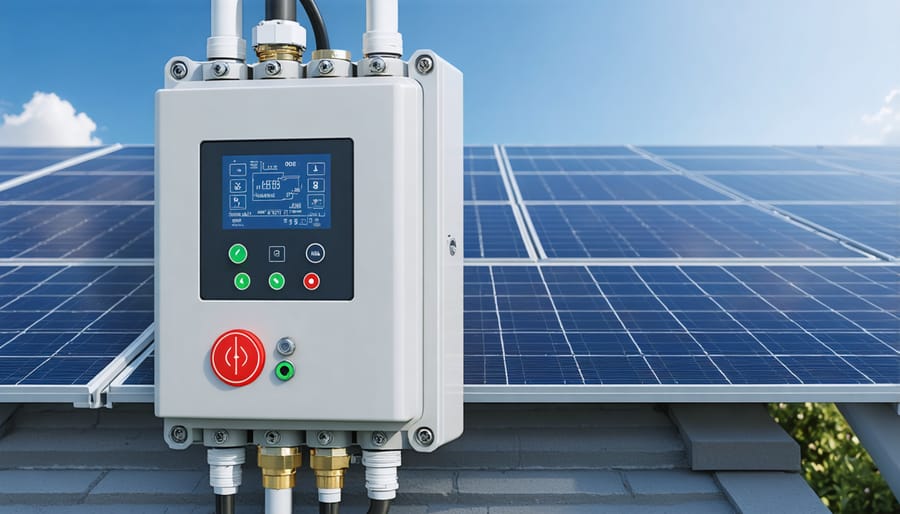
Advanced monitoring solutions now integrate these detection systems with centralized control panels that provide real-time status updates and alerts. These panels can be programmed to trigger automatic responses, such as system shutdown or fire suppression activation, while simultaneously notifying emergency responders and facility personnel.
Remote monitoring capabilities enable 24/7 surveillance of PV installations, with data logging features that track system performance and potential fire risks. This continuous monitoring helps identify patterns that might indicate developing problems before they escalate into emergencies.
Regular testing and maintenance of detection systems is essential for reliable operation. This includes monthly visual inspections, quarterly functional tests, and annual comprehensive evaluations by qualified professionals. Documentation of these activities should be maintained as part of the overall fire protection plan.
For maximum effectiveness, detection systems should be strategically placed throughout the facility, with particular attention to high-risk areas such as inverter stations, combiner boxes, and battery storage units. The system design should account for environmental factors like dust, humidity, and temperature extremes that could affect detector performance.
Suppression Systems and Equipment
Fire suppression systems serve as the critical defense mechanism against potential fire incidents in photovoltaic installations. A comprehensive suppression strategy typically incorporates both automatic and manual systems, each designed to address specific fire scenarios and risks.
Primary automatic suppression systems include sprinkler systems, clean agent systems, and foam-based solutions. Sprinkler systems, while effective, must be carefully designed to avoid water damage to electrical components. Clean agent systems, using gases like FM-200 or Novec 1230, are particularly suitable for electrical fires as they leave no residue and don’t conduct electricity.
Essential safety equipment should include:
– ABC-rated fire extinguishers strategically placed throughout the facility
– Smoke and heat detectors with direct links to monitoring systems
– Emergency shutdown mechanisms for rapid power isolation
– Fire-resistant barriers and containment systems
– Proper signage indicating equipment locations and evacuation routes
The selection of suppression systems should account for:
– System compatibility with electrical equipment
– Environmental conditions and facility layout
– Response time requirements
– Maintenance accessibility
– Compliance with local fire codes and regulations
Regular testing and maintenance of all suppression systems and equipment is crucial for ensuring reliable operation during emergencies. This includes monthly visual inspections, quarterly functional tests, and annual comprehensive evaluations by certified professionals.
Emergency Response Protocols
A well-structured set of emergency response procedures forms the backbone of any effective fire protection plan. Begin by establishing a clear chain of command and communication protocols to ensure swift action during emergencies. Designate primary and secondary emergency coordinators for each shift and facility area.
Create detailed evacuation routes with clearly marked assembly points, ensuring these are posted prominently throughout the facility. Establish specific procedures for different types of fire emergencies, including electrical fires common in PV installations. Include step-by-step instructions for:
1. Initial fire detection and alarm activation
2. Immediate notification of emergency services
3. Safe shutdown procedures for PV systems
4. Evacuation coordination
5. Accounting for all personnel
6. Interface with responding fire departments
Maintain an updated emergency contact list including facility management, utility companies, and first responders. Document procedures for handling hazardous materials and specialized equipment. Implement a system for regular drills and scenario-based training to ensure all personnel understand their roles during an emergency.
Include procedures for post-incident analysis and documentation to improve future response effectiveness. Regular review and updates of these protocols ensure they remain current with evolving facility needs and industry best practices.
Implementation and Maintenance
Staff Training Requirements
Staff training forms a critical cornerstone of any effective fire protection plan, requiring comprehensive protocols and regular certification updates. All personnel must undergo initial fire safety training upon hiring, followed by scheduled refresher courses at least annually. This training should cover essential components including fire prevention strategies, emergency response procedures, and proper use of fire suppression equipment.
Key personnel must obtain certification in fire safety management, with specific requirements varying based on their roles and responsibilities. Facility managers and safety officers should complete advanced fire safety courses certified by recognized institutions. Equipment operators need specialized training in handling fire detection systems and suppression tools relevant to photovoltaic installations.
Training programs must include both theoretical knowledge and practical exercises. Theoretical components should cover fire behavior, risk identification, and emergency protocols, while practical sessions must focus on hands-on experience with firefighting equipment, evacuation procedures, and emergency communication systems.
Documentation of all training activities is essential, including attendance records, assessment results, and certification renewals. Regular evaluation of staff competency helps identify knowledge gaps and training needs. Organizations should establish partnerships with local fire departments and safety consultants to ensure training programs remain current with industry best practices and regulatory requirements.
Mock drills and emergency simulations should be conducted quarterly to test staff readiness and identify areas for improvement in the training program.
Regular Inspection Schedule
Regular inspections form the cornerstone of an effective fire protection plan for photovoltaic installations. Following established maintenance inspection guidelines, system operators should conduct comprehensive checks at specified intervals throughout the year.
Monthly inspections should focus on visual examinations of electrical components, including junction boxes, inverters, and wiring connections. Thermal imaging scans must be performed quarterly to detect potential hotspots that could indicate fire risks. Semi-annual assessments should include detailed testing of fire detection systems, emergency shutdown mechanisms, and verification of proper signage placement.
Annual comprehensive inspections require thorough evaluation of all system components, including:
– Electrical insulation resistance testing
– DC connector integrity verification
– Ground fault protection device testing
– Fire suppression system maintenance
– Emergency response equipment checks
– Documentation review and updates
All inspections must be documented with detailed reports, including photographs, test results, and any corrective actions taken. These records should be maintained for at least three years and be readily accessible during safety audits or emergency situations.
System modifications, weather events, or equipment failures may necessitate additional inspections outside the regular schedule. Establishing clear protocols for these special circumstances ensures consistent safety standards throughout the system’s operational lifecycle.

Regulatory Compliance and Documentation
Safety Standards and Codes
A comprehensive fire protection plan must comply with multiple safety standards and codes established by recognized authorities. The National Fire Protection Association (NFPA) provides crucial guidelines, particularly NFPA 70 (National Electrical Code) and NFPA 855, which specifically address fire protection for energy storage systems. These standards outline requirements for system installation, maintenance, and emergency response procedures.
Building codes and local regulations also play a vital role in fire protection planning. The International Building Code (IBC) and International Fire Code (IFC) establish minimum requirements for fire prevention and life safety systems. Facility managers must ensure compliance with state-specific amendments to these codes and any additional local requirements.
Organizations should regularly review and update their fire protection plans to maintain alignment with current standards. This includes staying informed about updates to OSHA regulations, particularly 29 CFR 1910.39, which addresses fire prevention plans in workplace settings. Documentation of compliance efforts, including inspection records and certification maintenance, is essential for demonstrating adherence to applicable safety standards and codes.
Documentation Requirements
A comprehensive fire protection plan must include detailed documentation and record-keeping procedures to ensure compliance and facilitate effective emergency response. Essential records include up-to-date system drawings, equipment specifications, and maintenance logs for all fire protection components. Maintain a current inventory of fire protection equipment, including fire extinguishers, suppression systems, and detection devices, along with their inspection dates and service history.
Documentation should also encompass emergency contact information, evacuation procedures, and training records for all personnel. Keep detailed incident reports documenting any fire-related events, false alarms, or system activations, along with subsequent corrective actions taken. Regular updates to these records are crucial for tracking system performance and identifying potential areas for improvement.
Establish a systematic filing system, both digital and physical, that ensures easy access to critical documentation during emergencies. Include copies of relevant permits, certificates, and compliance documents from local authorities. Maintain records of periodic fire drills, risk assessments, and system testing results. These documents serve as essential references during safety audits and help demonstrate due diligence in maintaining fire safety standards.
A well-designed and properly maintained fire protection plan is essential for the safety and longevity of photovoltaic installations. Throughout this article, we’ve explored the critical components that make up a comprehensive fire protection strategy, from initial risk assessments to emergency response procedures and regular maintenance protocols.
The key to an effective fire protection plan lies in its thorough implementation and regular updates. System operators must ensure that all personnel are properly trained, emergency procedures are clearly documented, and safety equipment is regularly inspected and maintained. Regular reviews and updates of the plan are crucial to accommodate changes in system configurations, regulatory requirements, or industry best practices.
Remember that fire protection is not a one-time effort but an ongoing commitment. Regular drills, documentation updates, and staff training sessions help maintain preparedness and ensure quick, effective responses during emergencies. Collaboration with local fire departments and emergency responders should be maintained through periodic reviews and joint training exercises.
Success in fire protection requires the engagement of all stakeholders, from system designers and installers to maintenance personnel and facility managers. By maintaining an up-to-date, comprehensive fire protection plan, organizations can minimize risks, protect valuable assets, and ensure the safety of personnel and property. This proactive approach to fire safety not only meets regulatory requirements but also demonstrates a commitment to operational excellence and responsible system management.