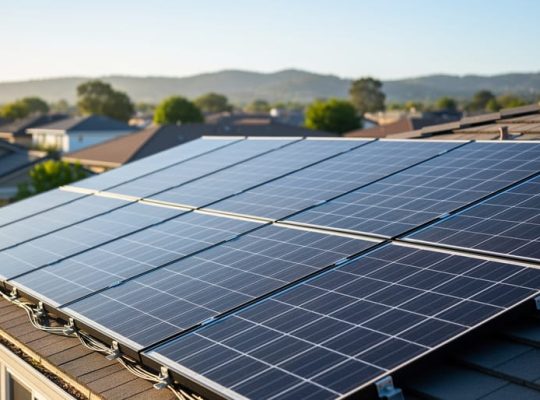
Thermal solar systems represent a transformative intersection of renewable energy and thermal management technology, offering unprecedented potential for maximizing solar energy utilization. These sophisticated systems harness both the light and heat components of solar radiation, achieving efficiency rates up to 70% compared to traditional photovoltaic systems. By integrating thermal collection with electrical generation, modern solar thermal installations provide a dual-benefit approach to renewable energy harvesting.
The evolution of thermal solar technology has revolutionized our approach to sustainable energy production, particularly in regions with high solar insolation values. These systems operate on a fundamental principle: capturing and utilizing solar thermal energy through specialized collectors, heat transfer fluids, and storage mechanisms. Whether deployed in residential applications for water heating or industrial processes requiring high-temperature thermal energy, these systems demonstrate remarkable versatility and reliability.
As global energy demands continue to rise and climate concerns intensify, thermal solar systems emerge as a crucial component in the renewable energy landscape. Their ability to provide consistent, efficient energy conversion while reducing carbon emissions positions them as a cornerstone technology in sustainable development strategies.
Understanding Thermal Management in Solar PV Systems
Temperature’s Impact on PV Efficiency
Temperature plays a critical role in solar panel efficiency, with higher temperatures generally leading to decreased performance. For crystalline silicon panels, efficiency typically decreases by 0.4-0.5% for every degree Celsius increase above standard testing conditions (25°C). This temperature coefficient becomes particularly significant during peak summer months when panel temperatures can exceed 65°C.
The physics behind this phenomenon relates to the semiconductor properties of photovoltaic cells. As temperature rises, the bandgap of the semiconductor material decreases, leading to increased electron excitation but lower voltage output. This results in reduced power generation despite the abundant sunlight available during hot weather conditions.
Understanding this inverse relationship between temperature and performance is crucial for system designers and installers. Proper thermal management strategies, such as adequate air circulation behind panels and the selection of temperature-resistant materials, can help mitigate these efficiency losses. Some advanced solar panel technologies incorporate specialized thermal management features to maintain optimal operating temperatures and maximize energy yield throughout varying weather conditions.

Critical Temperature Thresholds
Thermal solar systems operate most efficiently within specific temperature ranges, and understanding these critical thresholds is essential for optimal system performance. The collector fluid typically performs best between 60°C and 80°C (140°F to 176°F) for domestic hot water applications, while industrial processes may require temperatures up to 150°C (302°F).
System efficiency begins to decline significantly when temperatures exceed 100°C (212°F) in standard flat-plate collectors, primarily due to increased heat losses to the environment. At these elevated temperatures, thermal losses through convection and radiation become more pronounced, reducing the overall system effectiveness.
The stagnation temperature – the maximum temperature reached when no heat is being removed from the collector – can reach 150-200°C in flat-plate collectors and up to 300°C in evacuated tube collectors. These extreme temperatures can cause accelerated degradation of system components and heat transfer fluids, potentially leading to system failure if proper protective measures are not in place.
To maintain optimal performance, thermal solar systems should incorporate temperature control mechanisms such as heat dissipators or automatic venting systems, particularly in regions with high solar irradiance.
Thermal Solar System Integration
Hybrid PV-T Collectors
Hybrid photovoltaic-thermal (PV-T) collectors represent an innovative advancement in solar energy technology, combining traditional photovoltaic cells with thermal collection capabilities in a single integrated unit. These systems simultaneously generate electricity and harvest thermal energy, significantly improving overall solar energy utilization and implementing advanced optimization methods for PV systems.
The fundamental principle behind PV-T collectors involves using a heat transfer fluid, typically water or glycol, to extract excess heat from photovoltaic panels. This process serves two crucial functions: it maintains optimal operating temperatures for the PV cells, thereby preserving their electrical efficiency, and captures thermal energy that can be utilized for various applications such as water heating or space conditioning.
Research indicates that PV-T systems can achieve combined efficiency rates of 70-80%, significantly surpassing the individual efficiencies of separate PV and thermal systems. The thermal component typically operates at 45-55% efficiency, while the electrical efficiency remains around 15-20%, depending on system design and operating conditions.
Key advantages of hybrid PV-T collectors include:
– Reduced space requirements compared to separate systems
– Lower installation costs for combined functionality
– Enhanced PV performance through temperature regulation
– Greater energy yield per square meter
– Improved return on investment through dual energy generation
Modern PV-T systems incorporate advanced materials and design features, such as selective absorber coatings and optimized flow channels, to maximize both electrical and thermal energy capture. These technological improvements have made hybrid collectors increasingly viable for both residential and commercial applications, particularly in regions with high solar radiation and substantial heating demands.
Active Cooling Technologies
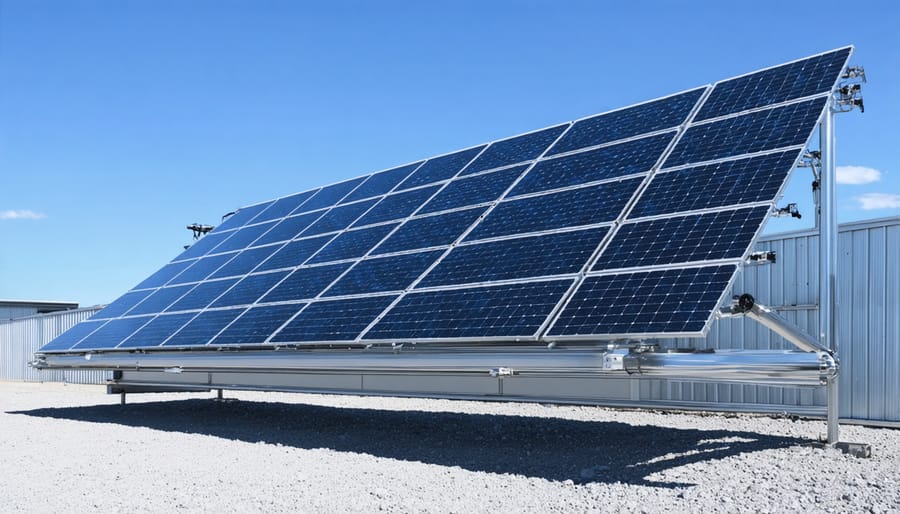
Active cooling technologies in thermal solar systems represent advanced solutions for maintaining optimal photovoltaic panel temperatures and maximizing energy conversion efficiency. These systems utilize mechanical or electrical components to actively remove excess heat from solar panels, significantly improving their performance compared to passive cooling methods.
The most widely implemented active cooling technique is the forced air circulation system, which employs fans or blowers to direct air across the panel surface, facilitating enhanced convective heat transfer. This method can reduce panel temperatures by 10-15°C under peak solar conditions, resulting in a 5-8% increase in power output.
Liquid cooling systems represent another effective approach, utilizing a network of pipes or channels containing coolant fluid. These systems can be either closed-loop, where the coolant recirculates through a heat exchanger, or open-loop, where fresh water continuously flows through the system. Liquid cooling typically achieves temperature reductions of 20-25°C and efficiency improvements of up to 10%.
Thermoelectric cooling, based on the Peltier effect, offers precise temperature control but requires additional power input. While less common due to energy consumption concerns, this method proves valuable in specialized applications where temperature control precision is crucial.
Phase change material (PCM) systems combined with active circulation represent an emerging hybrid solution. These systems utilize materials that absorb heat through phase transformation while active circulation enhances heat dissipation, providing consistent temperature regulation throughout daily operation cycles.
The selection of an appropriate active cooling technology depends on various factors, including local climate conditions, system scale, water availability, and economic considerations. Regular maintenance and monitoring ensure optimal performance and longevity of these cooling systems.
Performance Optimization Strategies
Temperature Monitoring Systems
Temperature monitoring systems play a crucial role in maintaining optimal performance and longevity of thermal solar installations. These systems utilize an array of specialized sensors strategically placed throughout the solar thermal setup to provide real-time temperature data and system status information.
The primary components include temperature sensors (typically thermistors or resistance temperature detectors), flow meters, and pressure sensors. These devices work in conjunction with data acquisition systems to monitor critical parameters such as collector temperature, storage tank temperature, and heat transfer fluid conditions.
Modern monitoring systems incorporate advanced features such as automated data logging, remote monitoring capabilities, and integrated alarm systems. These features enable system operators to track performance metrics, identify potential issues before they escalate, and optimize system efficiency through data-driven adjustments.
Key monitoring points in a thermal solar system include:
– Solar collector inlet and outlet temperatures
– Storage tank temperature at various levels
– Heat exchanger performance metrics
– System pressure and flow rates
– Ambient temperature conditions
The collected data is processed through sophisticated control algorithms that manage system operations, including pump speeds, valve positions, and auxiliary heating activation. This ensures optimal heat transfer while preventing potentially damaging conditions such as stagnation or freezing.
Regular monitoring and analysis of temperature data help maintain system efficiency, extend equipment lifespan, and maximize return on investment through preventive maintenance and performance optimization.
Cooling System Design
Effective cooling system design is crucial for maintaining optimal performance in thermal solar systems. The primary objective is to regulate temperature while maximizing energy capture and conversion efficiency. A well-designed cooling system typically incorporates multiple components working in harmony to achieve temperature control.
The foundation of an effective cooling solution starts with proper heat sink selection and placement. Heat sinks should be sized according to the system’s thermal load and positioned to maximize natural convection. Material selection is equally important, with aluminum and copper being preferred choices due to their superior thermal conductivity properties.
Active cooling mechanisms, such as fluid-based systems, require careful consideration of flow rates, pressure drops, and heat exchanger efficiency. The cooling fluid should be selected based on its thermal properties, environmental impact, and compatibility with system components. Common options include water-glycol mixtures and specialized thermal fluids designed for high-temperature applications.
Temperature sensors and control systems must be strategically placed throughout the system to monitor and regulate cooling performance. These should be integrated with automated control systems that can adjust cooling parameters based on real-time temperature data and operating conditions.
To ensure long-term reliability, the cooling system design should account for environmental factors such as ambient temperature variations, humidity levels, and dust accumulation. Regular maintenance access points should be incorporated into the design to facilitate cleaning and component replacement when necessary.
Maintenance and Operation
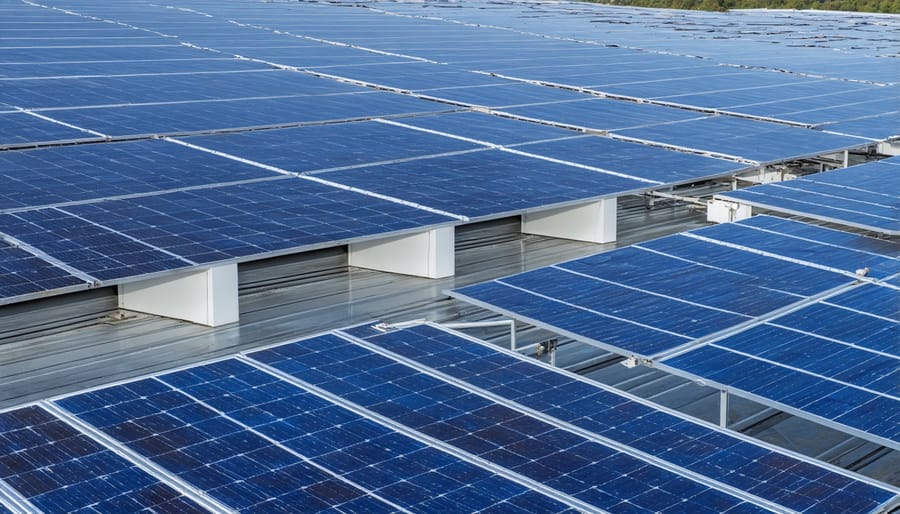
Regular maintenance and proper operation are crucial for ensuring optimal performance of thermal solar systems. A well-maintained system can operate at peak efficiency for 20-25 years while reducing the risk of component failures and system downtime.
Essential maintenance tasks include annual inspection of solar collectors for dust, debris, or damage, checking fluid levels and quality in closed-loop systems, and verifying proper operation of pumps and controls. Implementation of predictive maintenance strategies can help identify potential issues before they impact system performance.
Operators should monitor system temperatures, pressure readings, and flow rates regularly. Any significant deviations from normal operating parameters warrant immediate investigation. Heat transfer fluid should be tested annually for pH levels, antifreeze concentration, and signs of degradation. In regions with hard water, scale buildup in heat exchangers requires periodic cleaning to maintain thermal transfer efficiency.
During winter months, freeze protection measures must be verified, including proper antifreeze levels in closed-loop systems and functional freeze protection valves in drain-back configurations. Summer operation requires monitoring of overheating protection systems and proper functioning of temperature control mechanisms.
Professional inspection is recommended every 3-5 years to assess system components, calibrate sensors, and optimize control settings for maximum thermal efficiency.
Economic Benefits and ROI
Energy Yield Improvements
Recent studies demonstrate significant energy production improvements through optimized thermal solar systems, with yield increases ranging from 15% to 25% compared to conventional setups. Laboratory testing reveals that maintaining solar panels within the optimal temperature range of 25°C to 35°C can boost conversion efficiency by up to 20%. Field studies across diverse climatic zones show that active cooling systems consistently deliver a 12-18% increase in annual energy yield, while passive cooling methods achieve improvements of 8-15%.
Advanced thermal management solutions incorporating phase change materials have demonstrated even more promising results, with peak performance gains of up to 30% during high-temperature conditions. Cost-benefit analyses indicate that the additional energy generated typically offsets installation costs within 2-4 years, depending on local climate conditions and electricity rates. Furthermore, thermal optimization extends panel lifespan by reducing thermal stress, potentially adding 5-7 years to operational lifetime while maintaining higher efficiency throughout the system’s service period.
Cost-Benefit Analysis
The implementation of thermal solar systems presents a compelling financial case when evaluated over their operational lifetime. Initial installation costs typically range from $3,000 to $8,000 for residential systems, varying based on size and complexity. However, these systems can reduce electricity consumption by 20-40% through improved panel efficiency and reduced cooling needs.
The return on investment (ROI) period generally falls between 4-7 years, depending on local energy costs and solar intensity. Systems in hot climates often achieve faster payback periods due to greater cooling demands. Annual maintenance costs remain minimal, averaging $200-300, while system longevity typically extends beyond 20 years.
Key financial benefits include reduced utility bills, increased panel lifespan due to temperature regulation, and potential eligibility for renewable energy incentives. Some regions offer tax credits or rebates specifically for thermal management systems, further improving their cost-effectiveness. When factoring in the enhanced power output and extended equipment life, thermal solar systems demonstrate strong economic viability for both residential and commercial installations.
Thermal solar systems represent a crucial advancement in renewable energy technology, offering significant benefits in both residential and commercial applications. These systems have demonstrated remarkable potential for reducing energy costs while minimizing environmental impact through improved efficiency and reduced carbon emissions. As technology continues to evolve, we can expect to see further innovations in thermal management solutions, including advanced phase-change materials and smart monitoring systems. The integration of artificial intelligence and IoT capabilities promises to enhance system performance and operational efficiency. With ongoing research and development efforts, particularly in heat transfer optimization and storage solutions, thermal solar systems are positioned to play an increasingly vital role in sustainable energy infrastructure. The future outlook suggests continued improvements in cost-effectiveness and system durability, making these solutions more accessible to a broader range of applications and users worldwide.