The convergence of electronics and flexibility has ushered in a revolutionary era of wearable technology, fundamentally transforming how we interact with digital systems. By integrating advanced photovoltaic technology with bendable substrates, engineers have created devices that conform seamlessly to human body contours while maintaining full electronic functionality. These innovations extend far beyond conventional smartwatches and fitness trackers, encompassing sophisticated medical monitoring systems, energy-harvesting textiles, and stretchable displays that maintain performance even under significant mechanical stress.
Recent breakthroughs in materials science have enabled the development of electronic components that can withstand repeated bending, stretching, and compression while preserving their electrical properties. This advancement has particularly significant implications for healthcare applications, where continuous physiological monitoring requires robust, comfortable devices that can function reliably in dynamic environments. As we progress toward increasingly interconnected systems, these flexible electronics represent a crucial bridge between rigid computational devices and the organic world, promising to revolutionize fields ranging from personal healthcare to industrial automation.
The Evolution of Flexible Solar Technology
From Rigid Panels to Flexible Films
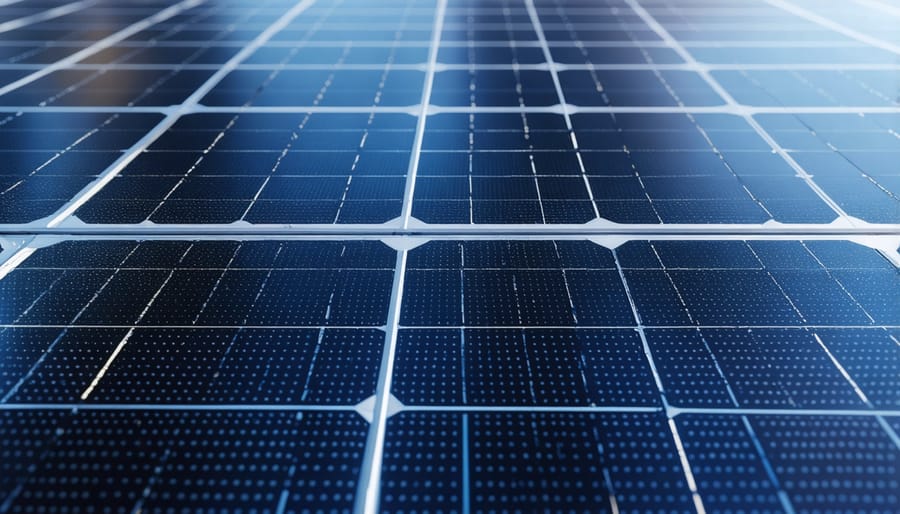
The evolution from conventional rigid solar panels to flexible electronics represents a significant technological leap in photovoltaic development. Traditional crystalline silicon solar cells, while efficient, are inherently brittle and confined to flat, rigid structures. The transition to flexible alternatives began with the development of thin-film technologies using materials such as amorphous silicon, CIGS (Copper Indium Gallium Selenide), and organic semiconductors.
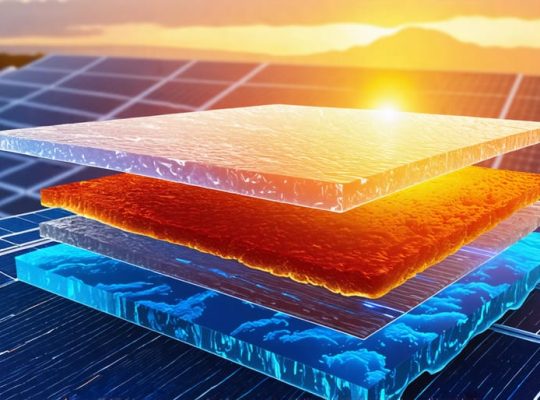
These new materials enable the fabrication of photovoltaic cells on flexible substrates, including plastic and metal foils, with thicknesses often less than 1 micrometer. This reduction in thickness not only provides flexibility but also significantly decreases material usage and production costs. The manufacturing process has evolved from traditional batch processing to roll-to-roll fabrication, allowing for continuous production of flexible solar films.
Modern flexible electronics incorporate advanced polymer composites and engineered substrate materials that maintain electrical performance while withstanding mechanical stress. These innovations have enabled the integration of solar technology into curved surfaces, textiles, and portable devices, opening new possibilities for building-integrated photovoltaics and mobile energy harvesting applications.
Key Materials Enabling Flexibility
The development of wearable and flexible electronics relies heavily on innovative materials that combine conductivity with mechanical flexibility. Advanced conducting polymers, such as PEDOT:PSS and polyaniline, serve as fundamental building blocks due to their unique electrical properties and inherent flexibility. These materials are often combined with elastomeric substrates to create stretchable circuits that maintain functionality under deformation.
Metallic nanomaterials, particularly silver nanowires and carbon nanotubes, have emerged as crucial components in flexible electronics. Their high aspect ratio enables excellent conductivity while maintaining transparency and flexibility, making them ideal for applications in touch sensors and displays. Recent advances in flexible perovskite cells have also revolutionized the field of bendable photovoltaics.
Manufacturing processes have evolved to accommodate these materials, with techniques like solution processing, roll-to-roll printing, and transfer printing enabling scalable production. These methods allow for precise deposition of active materials while maintaining the structural integrity necessary for flexible applications. The integration of these materials and processes has led to significant improvements in device performance and reliability.
Current Applications in Wearable Solar
Smart Clothing Integration
Solar-powered garments represent a significant advancement in wearable electronics, combining photovoltaic technology with everyday clothing to create functional, energy-generating apparel. These innovative garments incorporate lightweight, flexible solar cells seamlessly woven into fabric structures, enabling continuous power generation for various electronic devices while maintaining comfort and mobility.
Recent developments have led to the creation of solar-powered accessories such as bags, jackets, and hats equipped with thin-film photovoltaic panels. These items can generate sufficient power to charge smartphones, fitness trackers, and other portable devices. The integration process involves specialized manufacturing techniques that ensure durability while maintaining the garment’s flexibility and washability.
Advanced textile engineering has enabled the development of solar threads and fibers that can be directly incorporated into fabric during the weaving process. This approach results in more natural-looking garments compared to traditional rigid solar panel attachments. These solar textiles typically achieve conversion efficiencies between 5-10%, depending on the specific technology and implementation.
Current applications include military gear, outdoor sports equipment, and professional workwear. Research institutions and industry leaders are actively working to improve power output, durability, and aesthetic appeal. Future developments focus on enhancing the integration of energy storage solutions and improving the overall efficiency of solar-textile systems while maintaining cost-effectiveness and practical functionality.
The growing market for smart clothing demonstrates the potential for widespread adoption of solar-powered garments in everyday applications, particularly as manufacturing costs decrease and efficiency increases.

Portable Device Charging Solutions
Flexible photovoltaic technology has revolutionized portable device charging solutions, offering innovative ways to power our increasingly mobile lifestyle. These lightweight and bendable solar charging systems integrate seamlessly into everyday items, providing convenient power sources for personal electronics.
Solar-powered backpacks represent one of the most successful applications, incorporating thin-film photovoltaic panels that conform to the bag’s surface. These backpacks typically generate 5-10 watts of power, sufficient for charging smartphones, tablets, and other portable devices while on the move. The flexibility of the panels ensures durability and practical functionality without compromising the bag’s aesthetics or comfort.
Roll-up solar chargers have gained significant traction in the outdoor recreation market. These ultra-portable devices utilize flexible amorphous silicon or organic photovoltaic materials, allowing users to unfurl them when needed and store them compactly when not in use. Modern versions achieve conversion efficiencies of 10-15% while maintaining excellent flexibility and weather resistance.
Emerging technologies include solar-integrated clothing and accessories, where flexible photovoltaic elements are woven directly into fabrics or attached to wearable items. Research collaborations between textile manufacturers and solar technology companies have yielded promising prototypes of solar-powered jackets, hats, and even smartwatch straps that can extend device battery life significantly.
The integration of flexible solar charging solutions continues to advance, with new materials and manufacturing techniques improving efficiency and reducing costs. These developments are particularly valuable for remote workers, outdoor enthusiasts, and emergency preparedness applications.
Technical Challenges and Solutions
Efficiency and Durability Considerations
The efficiency and durability of wearable and flexible electronics present unique challenges in photovoltaic applications. These devices must maintain performance while subjected to repeated bending, stretching, and environmental stresses. Recent nanotechnology advances have significantly improved the power conversion efficiency of flexible solar cells, pushing capabilities closer to their rigid counterparts.
Key performance metrics include mechanical durability, measured through bend cycle testing and strain tolerance, alongside traditional electrical parameters such as power conversion efficiency and fill factor. Current flexible devices typically achieve 15-20% efficiency under optimal conditions, though this can decrease with mechanical stress and environmental exposure.
Longevity remains a critical concern, with degradation mechanisms including delamination, crack formation, and environmental factors like moisture ingress. Advanced encapsulation techniques and composite materials help mitigate these issues, extending operational lifetimes beyond 5000 hours under standard testing conditions.
Material selection plays a crucial role in balancing flexibility and durability. Polymer substrates offer excellent mechanical properties but must be carefully engineered to prevent degradation from UV exposure and temperature cycling. Emerging solutions incorporate self-healing materials and protective layers that actively respond to environmental stresses, ensuring sustained performance in real-world applications.
Integration and Manufacturing Hurdles
The integration of wearable and flexible electronics into manufacturing processes presents several significant challenges that require innovative solutions. A primary hurdle is achieving consistent performance across flexible substrates while maintaining the delicate balance between flexibility and durability. Manufacturers must develop specialized techniques to deposit electronic components onto bendable materials without compromising functionality or reliability.
Material compatibility poses another crucial challenge, as different layers of flexible electronics must maintain strong adhesion even under repeated mechanical stress. This necessitates careful selection of materials and bonding techniques that can withstand continuous flexing while preserving electrical connectivity. Additionally, thermal management becomes more complex in flexible designs, requiring novel approaches to heat dissipation that don’t compromise the device’s flexibility.
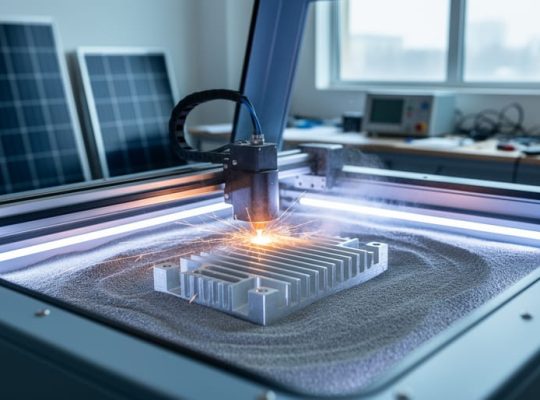
Scale-up considerations also present significant obstacles. Traditional electronics manufacturing equipment often requires modification to handle flexible substrates, leading to increased production costs. The industry is addressing these challenges through innovations in roll-to-roll manufacturing processes, which enable continuous production of flexible electronics at scale.
Quality control and testing procedures must evolve to accommodate the unique characteristics of flexible electronics. Standard testing methods designed for rigid electronics may not adequately assess the performance and reliability of flexible devices, necessitating the development of new testing protocols and equipment specifically designed for flexible electronics.
Future Prospects and Industry Trends
Emerging Technologies
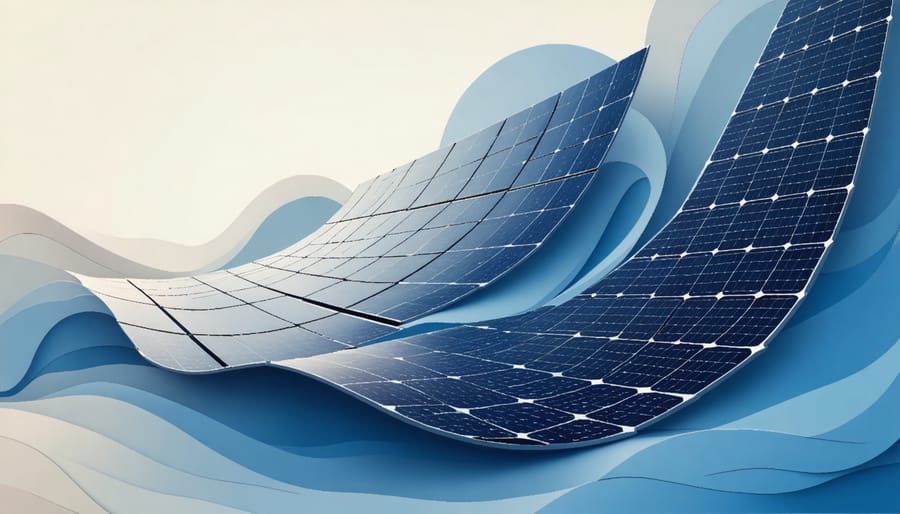
Recent advancements in flexible photovoltaic technology have ushered in a new era of revolutionary solar technologies that are transforming the wearable electronics landscape. Researchers have developed ultra-thin solar cells using advanced materials like perovskites and organic semiconductors, achieving remarkable flexibility while maintaining power conversion efficiencies.
One significant breakthrough involves the integration of stretchable conductors with photovoltaic materials, enabling devices to maintain functionality even under significant mechanical stress. These innovations utilize specialized substrate materials and novel fabrication techniques, such as solution processing and roll-to-roll manufacturing, to create solar cells that can bend, twist, and conform to various surfaces without compromising performance.
Emerging nanomaterial technologies have also contributed to the development of transparent and lightweight solar cells. Carbon nanotubes and graphene-based materials are being incorporated into flexible photovoltaic structures, enhancing both mechanical properties and electrical conductivity. These materials enable the creation of semi-transparent solar cells that can be integrated into clothing, accessories, and portable electronics.
Recent developments in encapsulation technologies have addressed durability concerns, protecting flexible solar cells from environmental factors while maintaining their mechanical properties. Advanced polymer composites and multi-layer barrier materials provide effective protection against moisture and oxygen ingress, significantly extending device lifetimes.
The integration of these technologies with energy storage solutions, such as flexible batteries and supercapacitors, is creating complete power systems for wearable applications. This convergence of energy harvesting and storage capabilities in flexible form factors is enabling self-powered electronic devices that can operate continuously without traditional charging requirements.
Market Growth Opportunities
The market for wearable and flexible electronics is experiencing unprecedented growth, driven by increasing demand across multiple sectors. Industry analysts project the global market to reach $38.4 billion by 2027, with a compound annual growth rate (CAGR) of 15.8%. This growth is particularly evident in healthcare applications, where flexible biosensors and monitoring devices are revolutionizing patient care and preventive medicine.
The integration of flexible electronics in smart textiles presents significant opportunities, with applications ranging from athletic performance monitoring to military protective gear. The automotive sector is embracing flexible displays and touch interfaces, creating more intuitive and customizable user experiences. Additionally, the aerospace industry is incorporating flexible electronics in aircraft monitoring systems and satellite technology.
Consumer electronics remain a primary driver of market expansion, with demand increasing for bendable displays, flexible smartphones, and wearable fitness devices. The emergence of Internet of Things (IoT) applications has created new opportunities for flexible sensors and communication devices in smart homes and industrial settings.
Emerging markets in Asia-Pacific, particularly China and South Korea, are showing substantial growth potential, supported by government initiatives and increasing technological adoption. The development of advanced manufacturing processes and materials is reducing production costs, making flexible electronics more accessible to broader market segments.
Healthcare monitoring devices and medical implants represent particularly promising growth areas, with the potential to transform patient care through continuous health monitoring and targeted drug delivery systems. As manufacturing capabilities advance and new applications emerge, the market for wearable and flexible electronics continues to expand, creating opportunities for innovation and investment across multiple industries.
Wearable and flexible photovoltaic technology represents a transformative advancement in renewable energy, marking a significant departure from conventional rigid solar panels. As demonstrated throughout this discussion, these innovations are reshaping how we integrate solar power into everyday applications, from smart textiles to building-integrated photovoltaics.
The convergence of material science, electrical engineering, and sustainable energy has enabled the development of increasingly efficient and durable flexible PV solutions. With continued improvements in efficiency rates, manufacturing processes, and cost-effectiveness, these technologies are poised to revolutionize multiple sectors, including consumer electronics, healthcare monitoring, and architectural design.
Looking ahead, the trajectory of wearable and flexible PV technology shows immense promise. Research institutions and industry leaders are actively pursuing developments in new materials, enhanced flexibility, and improved power conversion efficiencies. The integration of artificial intelligence and Internet of Things capabilities with flexible PV systems opens up possibilities for smart energy management and autonomous power generation.
However, challenges remain in scaling production, improving long-term durability, and reducing manufacturing costs. Addressing these challenges will require continued collaboration between research institutions, industry partners, and regulatory bodies. As the technology matures, we can expect to see broader adoption across various applications, contributing significantly to sustainable energy solutions and the global transition toward renewable power sources.