Solar power education has evolved from theoretical classroom discussions into hands-on, career-launching programs that combine cutting-edge technology with practical field experience. The photovoltaic industry faces a critical shortage of qualified professionals—estimated at over 250,000 positions globally by 2025—creating unprecedented opportunities for those who invest in comprehensive solar training today.
Understanding solar power requires more than reading specifications or watching installation videos. Successful learning pathways integrate three essential components: foundational knowledge of photovoltaic science, direct experience with system design and installation, and familiarity with current industry standards and safety protocols. Universities and technical institutions now partner with solar companies to develop curricula that reflect real-world applications, ensuring graduates enter the workforce with immediately applicable skills.
The transformation of educational facilities into living laboratories represents a significant advancement in solar learning. When institutions install photovoltaic systems on campus, students gain access to functioning installations that serve dual purposes: generating clean energy while providing tangible learning tools. These systems allow learners to monitor performance data, troubleshoot common issues, and understand the relationship between theoretical calculations and actual energy production.
Professional development in solar technology extends beyond traditional education settings. Industry certifications, manufacturer-specific training programs, and specialized workshops address the diverse needs of career changers, electrical contractors expanding their services, and engineers seeking renewable energy expertise. The most effective programs combine online theoretical instruction with supervised practical training, acknowledging that solar installation requires both intellectual understanding and physical competency.
The pathway from solar novice to qualified professional is clearer than ever, supported by structured programs that recognize both academic rigor and practical skill development as essential to industry success.
The Evolution of Solar-Powered Educational Infrastructure
From Demonstration Projects to Full-Scale Implementation
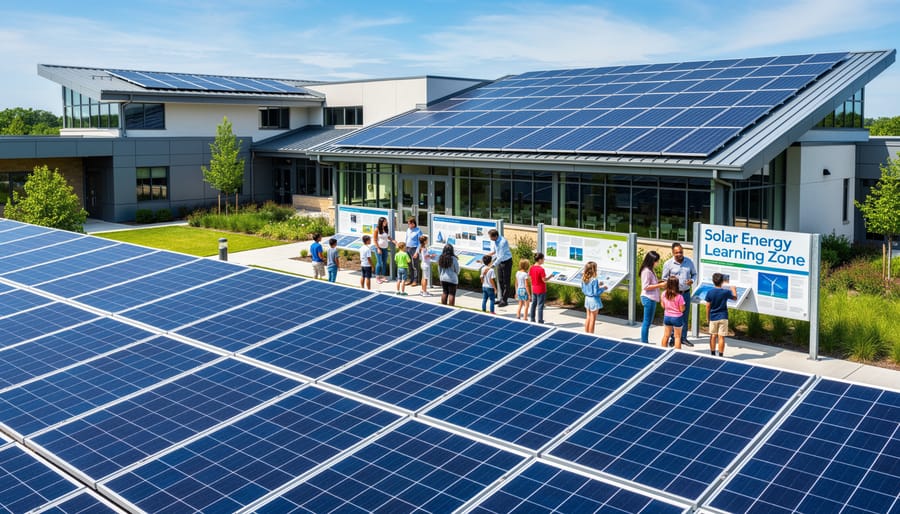
The evolution of solar installations in educational settings represents a significant shift from experimental demonstrations to comprehensive energy infrastructure. In the 1970s and early 1980s, pioneering universities installed small photovoltaic arrays primarily for research purposes, with institutions like Arizona State University and MIT leading early adoption efforts. These initial systems, typically ranging from 1-5 kilowatts, served as learning laboratories rather than practical energy solutions.
The 1990s marked a transitional period when federal incentives and declining module costs enabled modest expansion. California State University campuses installed demonstration projects averaging 20-50 kilowatts, establishing blueprints for integrated educational programming. By 2000, approximately 200 educational institutions nationwide had implemented some form of solar technology.
The sector experienced exponential growth following the Energy Policy Act of 2005 and state-level renewable portfolio standards. Between 2010 and 2015, K-12 school districts collectively added over 700 megawatts of solar capacity, with installations increasingly designed as full-scale solar-powered facilities rather than demonstration projects. Universities simultaneously expanded installations, with some campuses achieving multi-megawatt arrays that offset 20-40 percent of electricity consumption.
Current adoption rates reflect mainstream acceptance, with over 7,000 educational institutions operating photovoltaic systems as of 2023. These installations serve dual purposes: reducing operational costs while providing hands-on learning opportunities for students pursuing renewable energy careers. The progression demonstrates how educational institutions transformed from tentative early adopters to influential drivers of solar technology advancement.
Real-World Performance Data from Educational Solar Installations
Educational institutions implementing solar installations have documented substantial performance metrics that demonstrate both the viability and educational value of photovoltaic systems. At the University of California, San Diego, a 2.8-megawatt solar farm generates approximately 4.2 million kilowatt-hours annually, offsetting $700,000 in energy costs while providing real-time monitoring data for engineering coursework. The installation maintains a capacity factor of 24%, consistent with regional solar resource availability.
Arizona State University’s campus-wide solar deployment spans 85 megawatts across multiple sites, producing enough electricity to power 20,000 homes. The system has achieved a 99.2% uptime reliability rating over five operational years, with performance data integrated into coursework for renewable energy programs. Students access live generation statistics, comparing predicted versus actual output while analyzing weather impacts on system efficiency.
At the secondary education level, the Newark Board of Education’s 26-school solar program generates 11.5 million kilowatt-hours annually, reducing district energy expenditures by $1.9 million per year. These installations feature educational displays showing real-time generation metrics, carbon offset calculations, and financial savings, effectively transforming infrastructure into interactive learning tools.
Research from the National Renewable Energy Laboratory indicates educational solar installations typically achieve investment payback periods between 7-12 years, while providing decades of hands-on learning opportunities. Performance monitoring reveals average system degradation rates of 0.5% annually, ensuring long-term educational and financial returns that extend well beyond initial installation costs.
Solar Technology as a Living Laboratory
Interactive Monitoring Systems and Data Analysis
Modern real-time monitoring systems transform solar installations into dynamic educational laboratories, providing students with immediate access to performance metrics and operational data. These platforms track power generation, consumption patterns, weather correlations, and system efficiency, creating opportunities for hands-on learning across multiple disciplines.
In mathematics courses, monitoring data enables students to analyze energy production curves, calculate capacity factors, and develop predictive models based on historical performance. Environmental science programs utilize this data to quantify carbon offset achievements, measure ecological impact, and study the relationship between solar irradiance and energy output. Energy management curricula benefit from examining consumption optimization strategies and grid interaction patterns visible through monitoring interfaces.
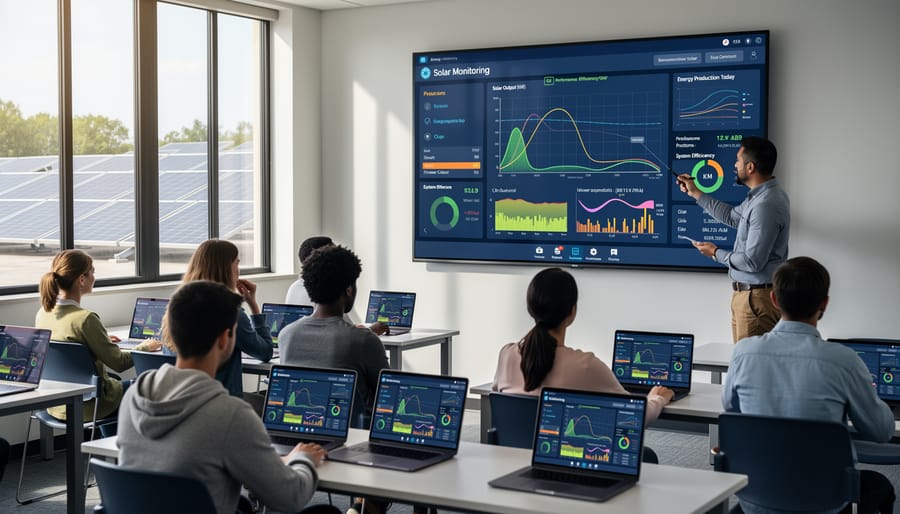
Universities implementing comprehensive monitoring systems report enhanced student engagement through project-based learning opportunities. Students conduct independent research using campus solar array data, developing case studies that connect theoretical concepts with practical applications. The visual nature of monitoring dashboards makes complex photovoltaic principles accessible to learners at various technical levels.
Advanced monitoring platforms now integrate weather forecasting, predictive maintenance alerts, and comparative analysis tools that support graduate-level research projects. These features enable academic researchers to investigate performance optimization techniques, test efficiency hypotheses, and contribute to the broader knowledge base of renewable energy systems. The continuous data stream from operational solar installations provides an invaluable resource for developing analytical skills essential for future photovoltaic professionals entering the renewable energy sector.
Hands-On Training with PV Components
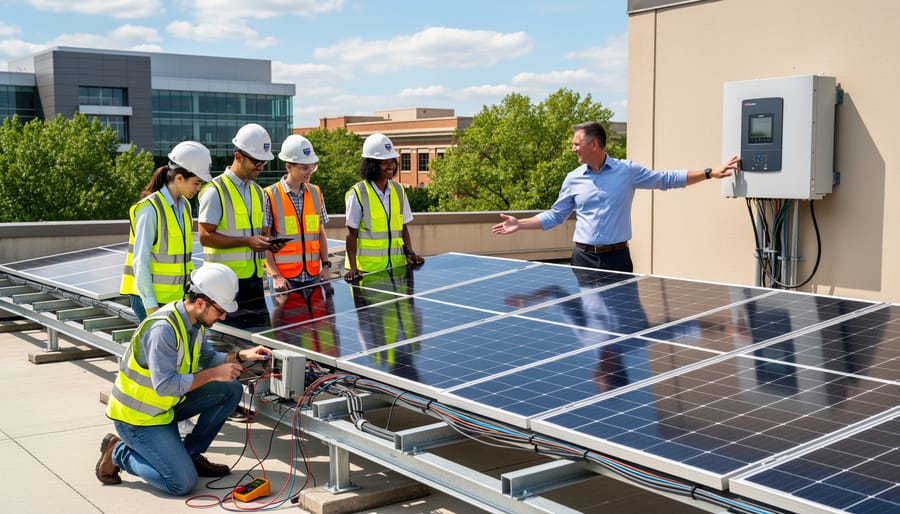
Gaining proficiency in photovoltaic technology requires direct interaction with solar components and systems. Hands-on training programs provide aspiring professionals with essential skills for solar panel maintenance, system diagnostics, and performance optimization. These practical experiences bridge theoretical knowledge with real-world applications.
Working with different photovoltaic technologies forms the foundation of comprehensive training. Monocrystalline panels, recognized by their uniform dark appearance and high efficiency rates of 18-22%, offer superior performance in limited space applications. Multi-crystalline panels, characterized by their distinctive blue hue and fragmented appearance, provide cost-effective solutions with efficiency ratings typically between 15-17%. Understanding the manufacturing processes, performance characteristics, and appropriate applications for each technology enables informed system design decisions.
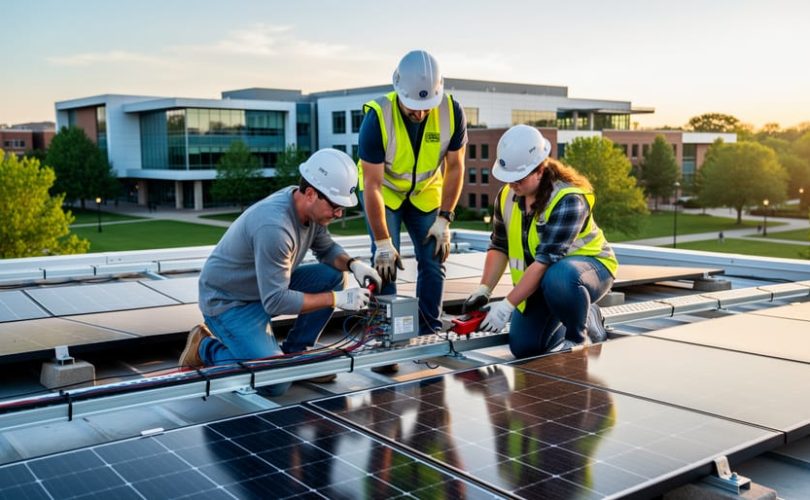
Module maintenance training encompasses visual inspections for physical damage, thermal imaging for hot spot detection, and electrical testing to verify voltage and current outputs. Participants learn to identify common issues including microcracks, potential-induced degradation, and junction box failures. System troubleshooting exercises teach diagnostic protocols for inverter malfunctions, wiring faults, and performance anomalies that affect energy production.
Practical training sessions developed through university collaborations incorporate industry-standard tools and measurement equipment. Participants gain experience with digital multimeters, insulation resistance testers, and solar irradiance meters. These educational programs emphasize safety protocols, including proper lockout-tagout procedures and electrical safety requirements for working with high-voltage DC systems.
Through structured hands-on experiences, learners develop competencies in system installation, commissioning procedures, and ongoing performance monitoring. This practical foundation prepares professionals for successful careers in the rapidly expanding renewable energy sector while ensuring adherence to industry standards and best practices.
Educational Tools Powered by Solar Energy
Portable Solar Learning Kits and Laboratories
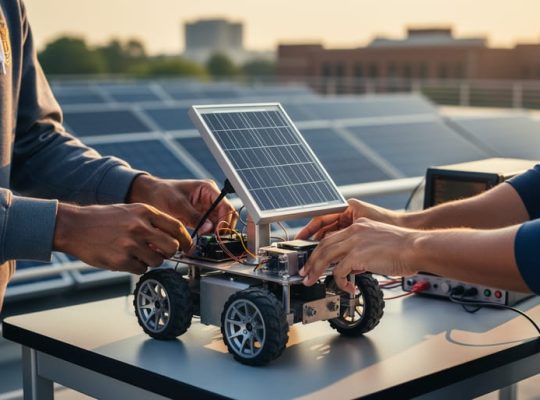
Mobile solar learning kits represent a transformative solution for delivering renewable energy education to remote and underserved regions where grid infrastructure remains unreliable or nonexistent. These self-contained educational systems integrate photovoltaic panels, battery storage, and comprehensive teaching materials into transportable units designed for field deployment.
Contemporary portable solar laboratories typically include modular components such as mini solar panels, inverters, charge controllers, and measurement instruments that enable hands-on experimentation with real photovoltaic systems. Universities and technical institutions increasingly partner with renewable energy organizations to develop curriculum-aligned kits that demonstrate fundamental principles including solar irradiance measurement, energy conversion efficiency, and system sizing calculations.
These mobile units prove particularly valuable in developing regions and rural communities, where they serve dual purposes as both educational tools and functional power sources. Students gain practical experience assembling solar arrays, troubleshooting system performance, and understanding energy management principles while simultaneously benefiting from the electricity generated during training sessions.
Advanced portable laboratories incorporate data logging capabilities and wireless monitoring systems, allowing learners to track performance metrics and analyze system behavior under varying environmental conditions. This hands-on approach mirrors professional photovoltaic installation practices, preparing students for careers in the renewable energy sector.
Similar to portable solar equipment used in outdoor applications, these educational kits demonstrate the versatility and reliability of solar technology across diverse settings. Organizations collaborating with academic institutions ensure these learning platforms meet rigorous educational standards while remaining accessible to communities most in need of sustainable energy solutions.

Solar-Powered Computing and Digital Learning Platforms
Solar energy has become instrumental in bridging the digital divide within educational environments, particularly in regions where conventional electrical infrastructure remains unreliable or nonexistent. Photovoltaic systems provide the consistent power supply necessary to operate computers, tablets, servers, and networking equipment essential for contemporary digital learning platforms.
Educational institutions implementing solar-powered computing infrastructure typically deploy hybrid systems combining rooftop panels with battery storage solutions. These configurations ensure uninterrupted operation of computer laboratories and wireless networks during peak learning hours, regardless of grid availability. A standard classroom setup requiring 3-5 kilowatts can support 20-30 student devices simultaneously, with modern lithium-ion battery banks maintaining operation for 6-8 hours after sunset.
The integration of solar technology with educational computing yields multiple pedagogical benefits beyond mere electricity access. Students gain hands-on exposure to renewable energy systems while utilizing them for academic purposes, creating practical learning opportunities in energy management and sustainability. Many universities now incorporate real-time monitoring dashboards into their curricula, allowing students to analyze actual energy generation data and system performance metrics from their institution’s solar arrays.
Remote and off-grid educational programs particularly benefit from solar-powered digital infrastructure. Mobile learning centers equipped with photovoltaic panels and satellite internet connectivity deliver e-learning content to underserved communities, demonstrating how renewable energy enables educational equity. These installations typically incorporate ruggedized equipment designed for harsh environmental conditions, ensuring long-term reliability with minimal maintenance requirements. The declining costs of both solar components and computing devices have made such deployments increasingly viable for educational institutions worldwide.
Structured Educational Programs for PV Professionals
University-Industry Partnerships in Solar Education
Strategic collaborations between photovoltaic manufacturers and academic institutions have transformed solar education by bridging the gap between theoretical knowledge and real-world application. These partnerships leverage the complementary strengths of both sectors, with universities providing research capabilities and pedagogical expertise while industry partners contribute technical resources, equipment, and insights into current market demands.
Leading PV manufacturers increasingly recognize the value of investing in educational initiatives that prepare the next generation of solar professionals. Through these alliances, students gain access to cutting-edge technologies and industry-standard equipment that would otherwise be cost-prohibitive for academic budgets. Companies often donate solar panels, inverters, and monitoring systems to university laboratories, enabling hands-on training with commercial-grade materials. Faculty members benefit from industry-sponsored professional development opportunities, ensuring curriculum content remains aligned with evolving industry standards and emerging technologies.
Comprehensive training programs developed through these partnerships typically combine classroom instruction with practical internships and capstone projects. Students work directly with manufacturer engineers on real installation challenges, troubleshooting scenarios, and system optimization tasks. This experiential learning approach produces graduates who possess both solid theoretical foundations and immediately applicable technical skills.
Many collaborative programs also emphasize research and development, with students participating in innovation projects that advance photovoltaic technology. These initiatives often result in published findings, patent applications, and prototype systems that benefit both academic knowledge and commercial applications. Additionally, industry partners frequently recruit program graduates, creating clear career pathways and ensuring their educational investment yields returns through access to well-trained professionals. Such partnerships ultimately strengthen the entire solar industry ecosystem by producing qualified workforce members equipped to drive continued growth and innovation in renewable energy.
Online and Hybrid Learning Models for Aspiring PV Professionals
The evolution of online and hybrid learning models has significantly expanded access to photovoltaic education, addressing the needs of working professionals who cannot commit to traditional full-time programs. These flexible delivery methods combine asynchronous coursework, live virtual sessions, and optional hands-on laboratories to accommodate diverse schedules while maintaining rigorous academic standards.
Most accredited online PV programs structure their curriculum across 12 to 18 months, allowing students to progress through foundational topics including solar radiation principles, system design software, electrical theory, and installation best practices. Hybrid models typically require two to four in-person intensive sessions per year, during which students gain practical experience with module installation, inverter configuration, and performance monitoring equipment. This blended approach enables learners to balance employment commitments while developing competencies recognized by industry certification bodies.
Leading institutions have partnered with solar manufacturers and installation companies to ensure curriculum relevance and provide students with real-world project exposure. These collaborations often include access to industry-standard design software, virtual system simulations, and mentorship opportunities with practicing professionals. Students can observe operational installations remotely through data monitoring platforms, analyzing performance metrics and troubleshooting common issues without geographical constraints.
Certification outcomes from reputable online programs align with standards established by organizations such as the North American Board of Certified Energy Practitioners. Graduates typically qualify to sit for professional certifications in PV installation, system inspection, or technical sales upon program completion. Many programs also offer stackable credentials, allowing professionals to pursue specialized certificates in areas like energy storage integration or commercial system design before committing to comprehensive degree programs. This modular structure supports career advancement while minimizing disruption to existing employment, making advanced solar education accessible to a broader professional audience.
Financial and Environmental Returns of Solar Educational Facilities
Quantifying Energy Cost Reductions and ROI
Educational institutions implementing photovoltaic systems typically achieve energy cost reductions ranging from 40% to 70% within the first operational year. A medium-sized campus with a 500 kW solar array can save approximately $75,000 to $120,000 annually, depending on regional electricity rates and system efficiency. These savings translate directly into enhanced educational opportunities—funds previously allocated to utility bills can support laboratory equipment upgrades, scholarship programs, or expanded renewable energy curriculum development.
Return on investment for educational solar installations averages 6 to 9 years, with systems maintaining 80% efficiency after 25 years of operation. Universities collaborating on demonstration projects report additional benefits: reduced carbon footprints averaging 200 to 400 metric tons of CO2 annually per installation, enhanced institutional reputation, and increased student engagement in STEM programs. Real-time monitoring dashboards provide quantifiable data for research purposes while demonstrating operational savings that justify continued investment in sustainable infrastructure and workforce development initiatives.
Carbon Footprint Reduction as a Teaching Metric
Educational institutions increasingly leverage their solar installations as living laboratories for demonstrating measurable environmental impact. By tracking real-time energy production data, universities and research facilities can calculate precise carbon dioxide emissions reductions, typically ranging from 0.5 to 0.9 metric tons per megawatt-hour generated. This quantifiable data becomes invaluable for sustainability reporting frameworks such as STARS (Sustainability Tracking, Assessment & Rating System) and carbon neutrality commitments.
Solar-powered campuses integrate emissions monitoring into curriculum across multiple disciplines, from environmental science programs analyzing lifecycle assessments to business students evaluating carbon credit valuations. Universities partner with photovoltaic professionals to develop comprehensive sustainability dashboards that display avoided fossil fuel consumption alongside educational metrics. These transparent reporting systems serve dual purposes: demonstrating institutional commitment to climate action while providing students with tangible datasets for research projects and capstone experiences.
The integration of carbon accounting methodologies with solar installations creates authentic learning opportunities where students observe the direct correlation between renewable energy adoption and greenhouse gas mitigation, preparing them for careers in sustainability consulting and environmental compliance.
Implementation Challenges and Practical Solutions
Navigating Funding, Policy, and Installation Requirements
Implementing educational solar projects requires careful attention to financial, regulatory, and technical considerations. Funding sources vary by institution type and project scale. Educational institutions can access federal grants through programs like the Department of Energy’s Solar Energy Technologies Office, state renewable energy incentives, and tax credits including the Investment Tax Credit (ITC), which currently offers significant savings on solar installations. Many universities have established dedicated sustainability funds, while K-12 schools often utilize power purchase agreements (PPAs) that eliminate upfront costs by allowing third-party ownership of the system.
Regulatory compliance begins with local permitting requirements, which differ substantially across jurisdictions. Educational institutions must coordinate with municipal planning departments, utilities for interconnection agreements, and fire marshals for safety protocols. Building codes may impose specific structural requirements for rooftop installations, particularly on older educational facilities. Environmental impact assessments may be necessary depending on project location and scale.
Infrastructure considerations include roof condition assessment, electrical system capacity evaluation, and optimal placement for both energy generation and educational visibility. Successful installations often incorporate monitoring systems that provide real-time data for classroom integration, transforming the solar array into a living laboratory. Ground-mounted systems offer flexibility when roof space is limited but require land use planning and potential landscaping modifications. Collaborating with experienced contractors familiar with educational settings ensures projects meet both technical specifications and pedagogical objectives while minimizing disruption to campus operations.
Maintaining Educational Value Beyond the Installation Phase
Sustaining the educational impact of solar installations requires deliberate planning beyond commissioning. Successful long-term learning initiatives integrate photovoltaic systems into formal curricula through documentation packages that include system schematics, performance data, and teaching modules aligned with educational standards. Universities and technical institutions benefit from establishing dedicated monitoring platforms accessible to students for real-time data analysis, enabling hands-on study of system efficiency, weather impacts, and maintenance protocols.
Regular faculty training updates ensure instructors remain current with evolving solar technologies and industry practices. Collaboration between educational institutions and industry partners facilitates guest lectures, internship programs, and research opportunities that bridge classroom theory with professional applications. Establishing annual review cycles for curriculum materials prevents obsolescence and maintains alignment with certification requirements for aspiring photovoltaic professionals.
Digital dashboards displaying live system metrics in visible campus locations reinforce ongoing engagement, transforming installations into permanent teaching laboratories. Documentation of case studies and student projects creates valuable knowledge repositories for future cohorts. Scheduling periodic equipment upgrades or expansions provides recurring opportunities for advanced learning while maintaining the facility’s relevance. These strategies ensure solar installations deliver continuous educational value, supporting workforce development and advancing renewable energy literacy across multiple stakeholder groups.
The integration of solar power into educational environments creates a powerful synergistic relationship that extends far beyond immediate energy savings. Solar-powered educational facilities serve as living laboratories where students gain firsthand exposure to photovoltaic systems while benefiting from the clean, cost-effective electricity these installations generate. This dual-purpose approach transforms educational institutions into both consumers and producers of renewable energy knowledge, establishing a self-reinforcing cycle that accelerates the transition to sustainable power generation.
Structured educational programs play an essential role in converting this exposure into professional competency. Universities and technical colleges that incorporate comprehensive solar energy curricula are producing graduates equipped with the specialized skills required by a rapidly expanding industry. These programs combine theoretical knowledge with hands-on experience, covering everything from system design and installation to performance optimization and grid integration. The collaboration between academic institutions and industry partners ensures that coursework remains aligned with current market demands and technological advances.
This educational foundation directly addresses one of the renewable energy sector’s most pressing challenges: the growing demand for qualified photovoltaic professionals. As solar installations proliferate globally, the need for trained technicians, engineers, and project managers intensifies. Educational facilities powered by the very technology they teach exemplify the practical viability of solar energy while simultaneously cultivating the workforce necessary to sustain and expand its adoption. Through this comprehensive approach, today’s students become tomorrow’s innovators, perpetuating a cycle of knowledge transfer and technological advancement that drives the renewable energy revolution forward.