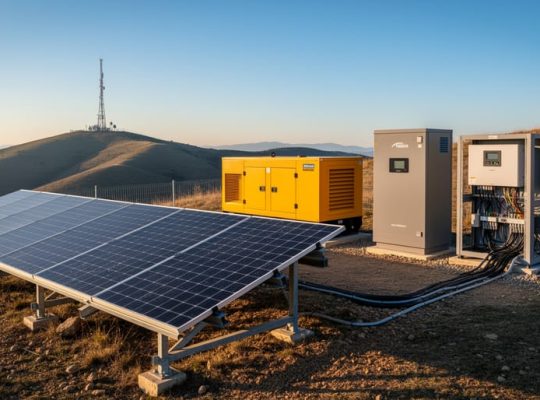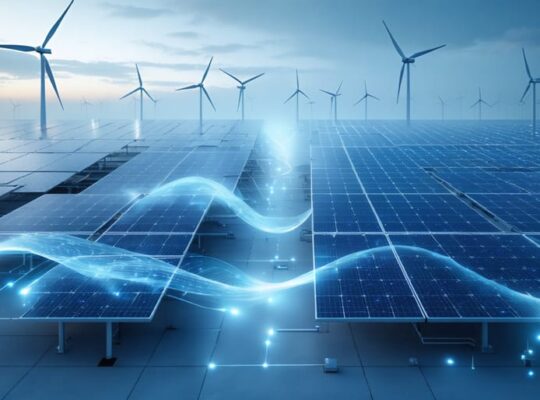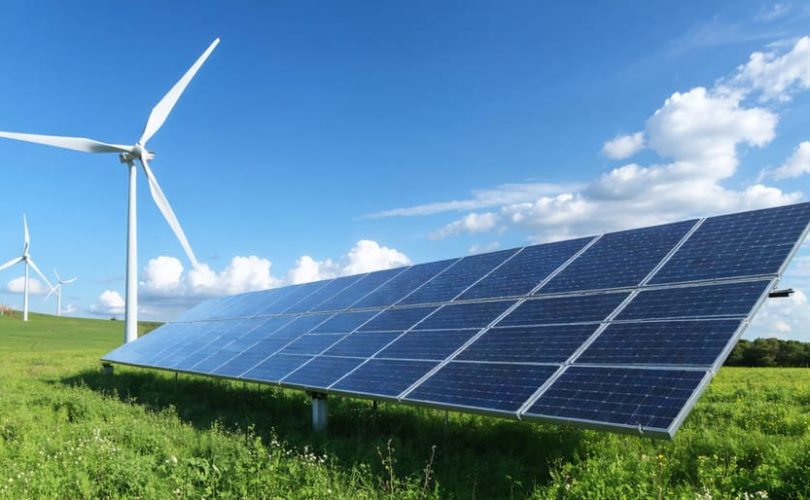
Harness the power of nature with wind-solar hybrid off-grid systems, a revolutionary technology that combines the best of wind and solar energy to provide reliable, sustainable electricity in remote locations. These innovative systems seamlessly integrate wind turbines and solar panels, backed by advanced battery storage, to ensure a stable power supply even when the sun isn’t shining or the wind isn’t blowing. By leveraging the complementary nature of wind and solar resources, PV hybrid systems offer a compelling solution for off-grid energy independence, reducing reliance on fossil fuels and minimizing environmental impact. As the world faces the urgent need to transition to clean energy, wind-solar hybrid off-grid systems stand at the forefront, empowering communities, businesses, and individuals to embrace a greener future while enjoying the benefits of reliable, locally-generated electricity.
The Synergy of Wind and Solar

Harnessing Wind Energy
Wind energy is harnessed through wind turbines that convert the kinetic energy of moving air into electrical energy. As wind flows over the turbine blades, it causes them to rotate, driving a generator that produces electricity. Wind power offers several advantages, including its renewable nature, low operational costs, and minimal greenhouse gas emissions. Additionally, wind energy complements solar power in hybrid systems, as wind speeds often increase at night when solar energy is unavailable. By diversifying energy sources, wind turbines enhance the reliability and efficiency of off-grid systems. Modern wind turbines are designed to be durable, low-maintenance, and adaptable to various wind conditions, making them a valuable component in hybrid renewable energy solutions. As technology advances, wind turbines are becoming more efficient, cost-effective, and accessible, contributing to the growing adoption of wind-solar hybrid systems for off-grid applications.
Capturing Solar Power
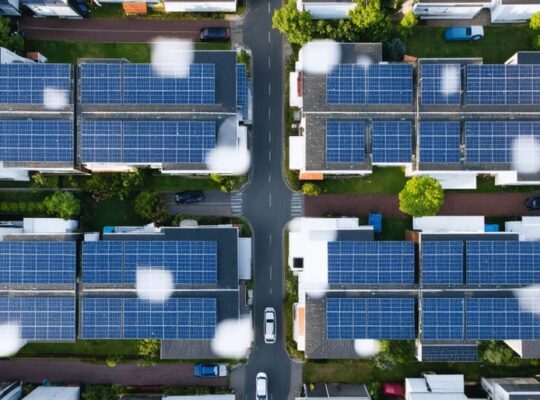
Solar photovoltaic (PV) technology harnesses the power of sunlight to generate electricity. PV systems consist of solar panels made up of interconnected cells that convert photons from the sun into direct current (DC) electricity. When sunlight strikes the cells, electrons are excited and flow through the material, creating an electric current. Inverters then convert the DC electricity into alternating current (AC) for use in homes and businesses. Solar PV offers numerous benefits, including reduced reliance on fossil fuels, lower electricity costs, and decreased greenhouse gas emissions. PV systems are scalable, ranging from small rooftop installations to large-scale solar farms. They require minimal maintenance and have a long lifespan, typically lasting 25-30 years. As technology advances and costs continue to decline, solar PV is becoming an increasingly attractive option for both off-grid and grid-connected applications, playing a crucial role in the transition to a clean energy future.
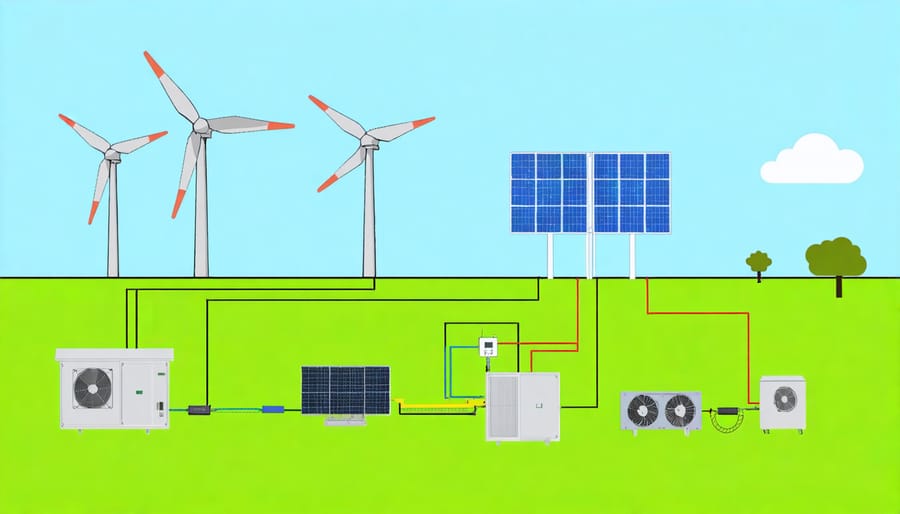
Components of a Wind-Solar Hybrid System
Wind Turbines
Wind turbines harness the kinetic energy of moving air to generate electricity. The two main types used in wind-solar hybrid off-grid systems are horizontal-axis wind turbines (HAWTs) and vertical-axis wind turbines (VAWTs). HAWTs are more common, featuring blades that rotate perpendicular to the wind direction, while VAWTs have blades that rotate parallel to the wind. The energy generation capabilities of wind turbines depend on factors such as wind speed, blade size, and generator efficiency. Small-scale wind turbines suitable for off-grid systems typically range from 100 watts to 10 kilowatts, with larger turbines generating more power. When integrated with solar panels and energy storage, wind turbines provide a reliable and sustainable energy solution for off-grid applications.
Solar Panels
Solar panels are a key component of wind-solar hybrid off-grid systems, converting sunlight into electricity. The three main types of solar panels are monocrystalline, polycrystalline, and thin-film. Monocrystalline and polycrystalline panels are made from silicon wafers, with monocrystalline cells cut from a single silicon crystal and polycrystalline cells composed of multiple crystals. Monocrystalline panels are more efficient but also more expensive, while polycrystalline panels offer a balance between cost and efficiency. Thin-film panels, made from materials like cadmium telluride or copper indium gallium selenide, are lightweight and flexible but less efficient than crystalline panels. The choice of solar panel type depends on factors such as budget, space constraints, and desired efficiency levels.
Battery Storage
Battery storage is a critical component in off-grid wind-solar hybrid systems. Since these systems are not connected to the utility grid, they rely on batteries to store excess energy generated during peak production periods for use when the sun isn’t shining or the wind isn’t blowing. The most common battery storage technologies used in off-grid applications are lead-acid, lithium-ion, and flow batteries. Lead-acid batteries are the most affordable option but have shorter lifespans and lower energy densities compared to lithium-ion batteries, which are more expensive but offer higher efficiency and longer lifespans. Flow batteries are an emerging technology that offers the potential for even longer lifespans and greater scalability. Proper sizing and management of the battery storage system are crucial for ensuring reliable power supply and maximizing the lifespan of the batteries.
Inverters and Controllers
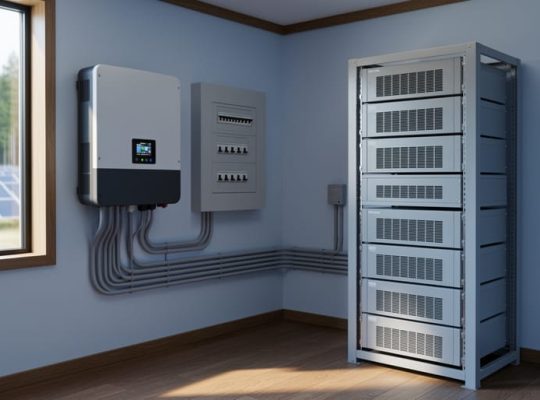
Inverters and charge controllers are essential components in a wind-solar hybrid off-grid system. Charge controllers regulate the power generated from the wind turbine and solar panels, preventing overcharging and ensuring optimal battery performance. Inverters convert the DC power stored in batteries to AC power, making it suitable for powering household appliances and electronics. These devices work in tandem to maintain a stable and reliable power supply, maximizing the efficiency of the renewable energy sources. Selecting the appropriate inverter and charge controller capacities based on the system’s power requirements is crucial for optimal performance and longevity of the off-grid setup.
Designing an Optimal Hybrid System

Assessing Energy Demand
To assess energy demand for an off-grid wind-solar hybrid system, start by identifying all electrical loads and their power ratings. Determine the daily usage hours for each load and calculate the total watt-hours consumed per day. Consider seasonal variations and peak demand periods to ensure the system can meet the maximum energy requirements. Factor in losses from inverters, batteries, and cabling, typically adding a 20-30% buffer to the calculated demand. This thorough assessment of energy needs is crucial for sizing the wind turbines, solar panels, and battery storage accurately, ensuring a reliable and efficient off-grid power solution.
Evaluating Site Resources
When evaluating site resources for a wind-solar hybrid off-grid system, several key factors must be considered. First, assess the wind speed and consistency using historical weather data and on-site measurements. Determine the average wind speed and identify any seasonal variations that could impact energy production. Next, analyze solar irradiation levels by reviewing solar maps and conducting site surveys to estimate the available solar energy. Consider factors such as shading, orientation, and tilt that may affect solar panel performance. Additionally, evaluate the site’s geography, including terrain, elevation, and obstacles that could influence wind and solar resource availability. By thoroughly assessing these factors, you can determine the feasibility and potential energy yield of a wind-solar hybrid system at a specific location.
System Sizing and Configuration
Designing a wind-solar hybrid off-grid system requires careful consideration of energy demand and available resources. The process begins with assessing the site’s wind and solar potential using historical weather data and on-site measurements. Next, the daily and seasonal energy consumption of the intended application is calculated. With this information, the optimal sizing of wind turbines, solar panels, batteries, and other components can be determined. Software tools and professional expertise are often utilized to create a well-balanced and efficient system configuration. Proper sizing ensures reliable power supply while minimizing costs. The design process also involves selecting appropriate components, such as inverters and charge controllers, that are compatible with the specific requirements of off-grid PV systems.
Benefits and Challenges
Advantages of Hybrid Systems
Wind-solar hybrid off-grid systems offer numerous advantages over traditional single-source renewable energy setups. By combining wind and solar power, these systems provide increased reliability, as they can generate electricity even when one resource is unavailable. This complementary nature ensures a more consistent energy supply, reducing the need for backup generators or large battery banks. Hybrid systems also contribute to a reduced reliance on fossil fuels, as they harness clean, renewable energy sources. Over the long term, the operational costs of hybrid off-grid systems are lower compared to diesel generators, as there are no ongoing fuel expenses. Additionally, the modular design of these systems allows for easy scalability to meet growing energy demands. With proper sizing and installation, wind-solar hybrid off-grid systems can provide a reliable, cost-effective, and environmentally friendly solution for remote power needs.
Challenges and Considerations
While wind-solar hybrid off-grid systems offer numerous benefits, they also present some challenges. One notable drawback is the higher upfront costs compared to traditional energy sources. The initial investment in wind turbines, solar panels, batteries, and other components can be substantial. Moreover, these systems require regular maintenance to ensure optimal performance and longevity, which can add to the overall costs. Site-specific limitations, such as insufficient wind or solar resources, can also hinder the effectiveness of these systems. Proper site assessment and system sizing are crucial to mitigate these challenges. Additionally, integrating wind and solar technologies can be complex, requiring specialized knowledge and skills. Despite these considerations, the long-term benefits of energy independence, reduced environmental impact, and potential cost savings make wind-solar hybrid off-grid systems an attractive option for those willing to invest in a sustainable energy future.
Conclusion
Wind-solar hybrid off-grid systems represent a significant step forward in the journey toward a cleaner, more sustainable energy future. By harnessing the complementary nature of wind and solar power, these systems offer a reliable and efficient solution for remote locations and areas without access to the grid. The synergy between wind and solar technologies ensures a steady supply of electricity, reducing the need for energy storage and lowering overall system costs. As the world faces the pressing challenge of climate change, the adoption of wind-solar hybrid systems can play a crucial role in reducing greenhouse gas emissions and minimizing the environmental impact of energy production. With ongoing advancements in technology, declining costs, and growing awareness of the benefits, the potential for wind-solar hybrid off-grid systems is immense. By embracing this innovative approach to renewable energy, we can pave the way for a greener, more resilient future.