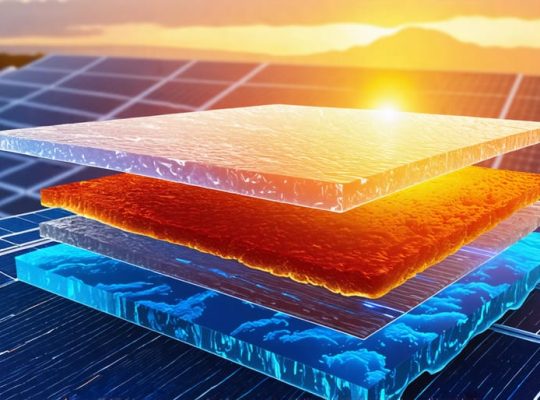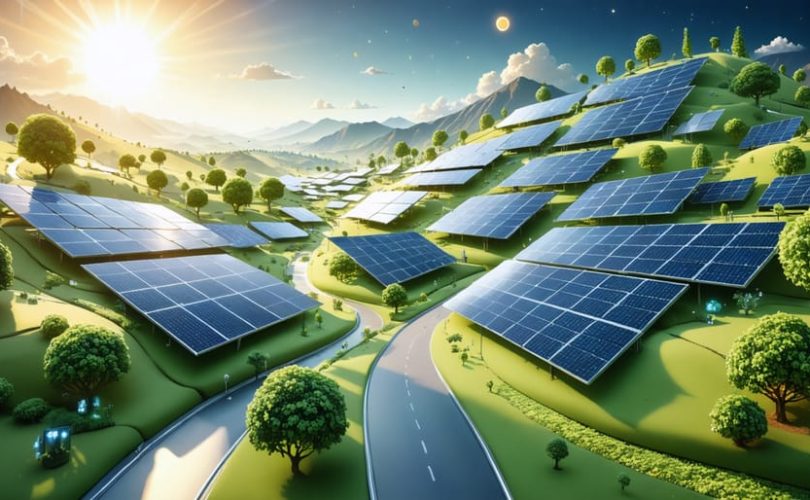
Harness the power of nanotechnology to revolutionize solar panel efficiency, enabling transformative benefits like affordable clean energy. Quantum dots, carbon nanotubes, and plasmonic nanostructures can dramatically enhance light absorption and electron transport, boosting conversion rates. Embrace tandem cells that stack multiple layers optimized for different wavelengths, pushing theoretical efficiency limits. Integrate intelligent tracking systems and self-cleaning nanocoatings to maintain optimal output in real-world conditions. By unleashing these cutting-edge innovations, we can accelerate the transition to a sustainable future powered by the sun’s limitless potential.
Perovskite Solar Cells: The Next Efficiency Frontier
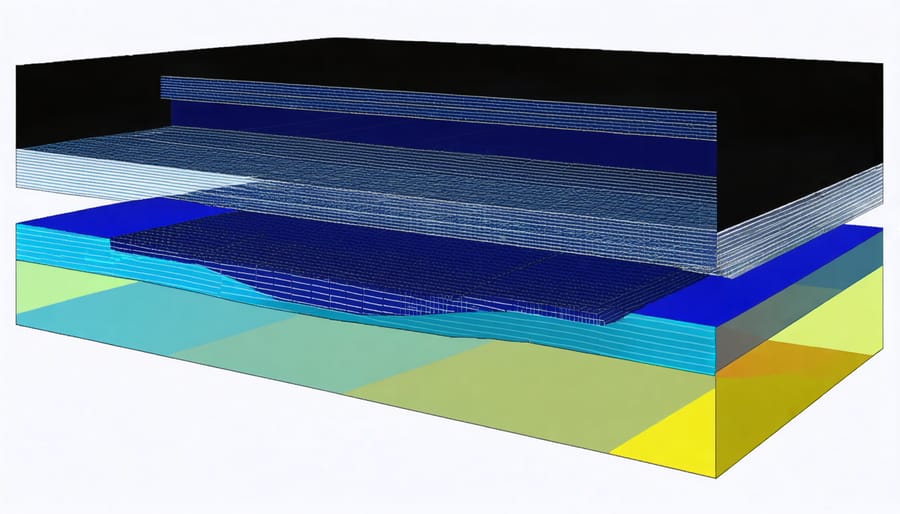
Perovskite solar cells are an emerging photovoltaic technology that has captured the attention of researchers and industry experts due to their unprecedented potential for high efficiency and low-cost manufacturing. Named after the calcium titanium oxide mineral with a similar crystal structure, perovskites are a class of materials that can be engineered to have exceptional light-harvesting and charge-transport properties. Unlike traditional silicon-based solar cells, perovskites can be processed using simple solution-based methods, such as spin-coating or printing, making them more cost-effective and adaptable to various substrates, including flexible and lightweight materials.
The efficiency of perovskite solar cells has skyrocketed from a mere 3.8% in 2009 to an astonishing 25.7% in 2022, surpassing the performance of established technologies like PERC solar cells. This rapid progress is attributed to the unique optoelectronic properties of perovskites, which enable efficient light absorption across a wide range of wavelengths and excellent charge carrier mobility. Moreover, perovskite solar cells can be easily tailored to achieve desired characteristics by modifying their composition or incorporating additives, opening up a vast design space for further optimization.
Despite their immense promise, perovskite solar cells face several challenges that must be addressed before they can be commercialized on a large scale. These include improving their long-term stability, mitigating the impact of environmental factors such as moisture and heat, and ensuring the safe handling of lead-based perovskites. Researchers are actively exploring strategies to overcome these hurdles, such as developing lead-free alternatives, implementing encapsulation techniques, and optimizing device architectures for enhanced durability. For more insights into the future impact of perovskites, explore our article on 2D perovskite advancements.
As the development of perovskite solar cells continues to progress at an unprecedented pace, they hold the potential to revolutionize the photovoltaic industry by offering a pathway to ultra-high efficiency, low-cost, and versatile solar energy solutions. With ongoing research efforts and collaborative initiatives between academia and industry, perovskite technology is poised to become a key player in the global transition towards a sustainable energy future.
Bifacial Panels: Doubling Down on Energy Production
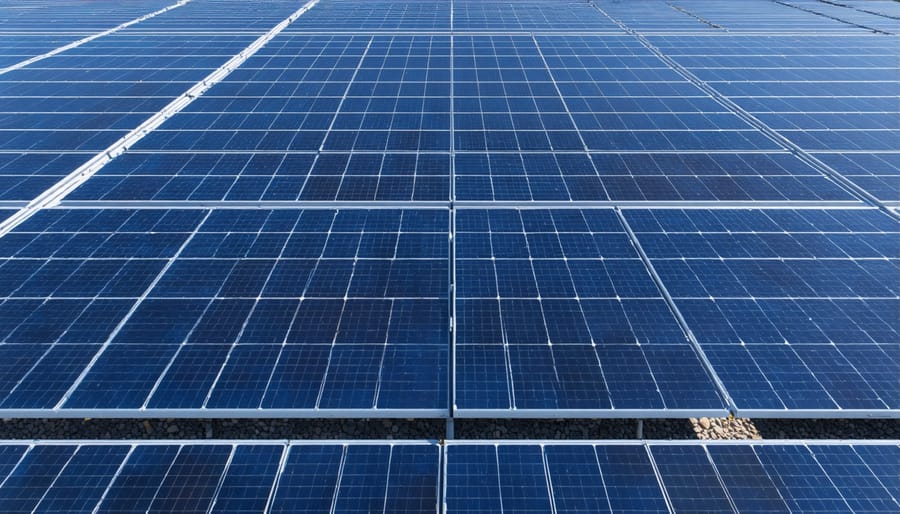
Bifacial solar panels are an innovative solution that boosts energy production by harnessing light from both sides of the panel. Unlike traditional monofacial panels that only capture sunlight on one side, bifacial panels have solar cells on both the front and back, allowing them to absorb light reflected off the ground or surrounding surfaces. This double-sided design can increase energy output by up to 30% compared to monofacial panels under optimal conditions.
The adoption of bifacial solar panels has been gaining traction in recent years as the technology becomes more affordable and efficient. Bifacial panels are particularly well-suited for ground-mounted solar installations, where the panels can be elevated to maximize light capture on both sides. They also perform well in snowy regions, as the reflective properties of snow can significantly enhance the energy production of the rear side.
As the demand for renewable energy continues to grow, bifacial solar panels are poised to play a significant role in the future of the photovoltaic industry. With their increased energy output and versatile applications, bifacial panels offer a compelling solution for both utility-scale and residential solar installations. As research and development efforts continue to improve the efficiency and cost-effectiveness of bifacial technology, we can expect to see even greater adoption of these innovative solar panels in the coming years.
Solar Skin: Seamless Integration into Any Surface
Solar skin technology represents a groundbreaking advancement in photovoltaic integration, enabling solar panels to seamlessly blend into any surface without compromising efficiency. Developed by researchers at the Massachusetts Institute of Technology (MIT), solar skin consists of ultra-thin, flexible solar cells that can be printed with customizable patterns and textures. This innovative material can mimic the appearance of brick, stone, wood, or even glass, making it virtually indistinguishable from the underlying surface.
The applications for solar skin are vast, spanning from buildings and vehicles to consumer devices. In the architectural realm, solar skin can be applied to roofs, walls, and windows, transforming traditional surfaces into energy-generating assets without altering the aesthetic integrity of the structure. This technology opens up new possibilities for historic buildings, landmarks, and areas with strict design regulations, allowing them to embrace solar power discreetly. For those considering the integration of solar technology into building surfaces, learn about the options with different solar panel types.
In the transportation sector, solar skin can be integrated into the bodies of electric vehicles, extending their range and reducing reliance on charging infrastructure. The lightweight and flexible nature of solar skin also makes it suitable for aviation and aerospace applications, where every gram counts.
Furthermore, solar skin can revolutionize the world of consumer electronics by enabling devices such as smartphones, tablets, and laptops to generate their own power. By incorporating solar skin into device casings, manufacturers can offer products with extended battery life and reduced environmental impact.
As solar skin technology continues to advance, it has the potential to transform the way we integrate renewable energy into our daily lives, making solar power more accessible, versatile, and aesthetically pleasing than ever before.
Energy-Harvesting Windows: A Clear Solution
Transparent solar cells are revolutionizing the way we think about renewable energy generation. By integrating photovoltaic technology into windows, these innovative devices can convert sunlight into electricity without compromising natural light or obstructing views. The key to this breakthrough lies in the development of ultra-thin, transparent materials that selectively absorb and convert specific wavelengths of light while allowing visible light to pass through.
One promising approach involves the use of organic semiconductors, which can be engineered to absorb infrared and ultraviolet light while remaining transparent to the human eye. These materials can be applied as thin films onto glass surfaces, creating energy-harvesting windows that seamlessly blend into building facades. Another technique utilizes quantum dots, nanoscale particles that can be tuned to absorb specific wavelengths of light and generate electricity.
The potential benefits of energy-harvesting windows are significant. By transforming the vast surface area of windows in buildings into solar power generators, these devices can dramatically increase the renewable energy capacity of urban environments. They can also reduce the reliance on traditional solar panels, which often compete for limited roof space. Furthermore, the passive nature of energy-harvesting windows means they can generate electricity without the need for additional maintenance or infrastructure. For insights into traditional versus advanced solar applications, explore our guide on solar shingles versus panels.
As research continues to advance, the efficiency and affordability of transparent solar cells are expected to improve, making them an increasingly viable option for both new construction and retrofitting existing buildings. With the ability to generate clean energy while preserving the aesthetic and functional qualities of windows, energy-harvesting windows represent a clear solution to the challenges of sustainable urban development.
Floating Solar Farms: Making Waves in Renewable Energy
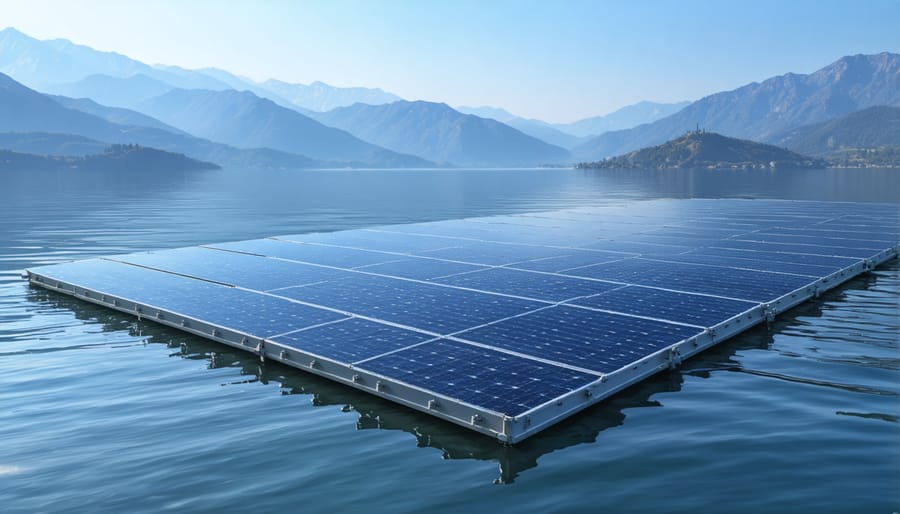
Floating photovoltaics, also known as floatovoltaics, are making waves in the renewable energy sector. These innovative solar panel systems are installed on water bodies such as lakes, reservoirs, and even the ocean, offering a unique solution to land constraints and efficiency challenges. By deploying solar panels on water surfaces, floating solar farms conserve valuable land resources that can be utilized for agriculture, urban development, or conservation efforts.
Moreover, the cooling effect of water enhances the efficiency of solar panels, resulting in higher energy yields compared to land-based installations. The water acts as a natural coolant, maintaining optimal operating temperatures and reducing the degradation of solar cells over time. Additionally, floating solar farms can help reduce water evaporation and algae growth in water bodies, contributing to water conservation and improved water quality.
Floating solar farms have found applications in various settings, from providing energy for water treatment plants to powering remote island communities. They can be integrated with existing hydroelectric dams, creating hybrid systems that optimize energy generation and storage. As the technology matures and costs decline, floating solar farms are expected to play an increasingly important role in the global transition to clean energy, offering a sustainable and efficient alternative to traditional land-based solar installations.
With their unique benefits and growing adoption worldwide, floating solar farms are not just making waves figuratively but also literally, as they harness the power of the sun while floating on the surface of our planet’s abundant water resources. As research and development continue, these innovative systems are poised to make significant contributions to the renewable energy mix, helping to mitigate climate change and build a more sustainable future.
AI-Optimized Solar Arrays: Smart Tracking, Maximum Yield
Artificial intelligence is revolutionizing the way solar arrays are designed and operated, leading to significant improvements in energy yield and overall performance. By leveraging advanced algorithms and machine learning techniques, AI-powered systems can continuously optimize the angle and orientation of solar panels in real-time, ensuring they always face the sun at the optimal angle for maximum energy capture. These smart tracking systems analyze vast amounts of data, including weather patterns, cloud cover, and historical performance metrics, to predict the best positioning for each panel in an array.
Moreover, AI algorithms can accurately forecast weather conditions, enabling solar array operators to proactively adjust panel angles and prepare for impending changes. This predictive capability helps mitigate the impact of unfavorable weather events, such as heavy cloud cover or storms, by allowing the system to preemptively reorient panels and minimize energy loss. By constantly adapting to changing environmental conditions, AI-optimized solar arrays can maintain peak performance and maximize energy output throughout the day.
In addition to smart tracking and weather prediction, AI is also being used to monitor the health and efficiency of individual solar panels within an array. Advanced sensors and data analytics can detect anomalies, such as reduced output or potential faults, allowing for targeted maintenance and repairs. This proactive approach to system management helps extend the lifespan of solar panels and ensures the array operates at optimal efficiency, ultimately leading to higher energy yields and improved return on investment for solar installations.
Conclusion
The seven groundbreaking innovations discussed in this article represent a new frontier in solar energy technology. From perovskite-based solar cells and bifacial panels to solar skins and floating photovoltaic farms, these advancements are driving unprecedented efficiency gains, adaptability, and accessibility in the realm of solar power. As researchers and industry leaders continue to push the boundaries of what’s possible, we can anticipate a future where solar energy is not only more cost-effective and widely adopted but also seamlessly integrated into our built environments and daily lives. With the potential to revolutionize the way we harness and utilize renewable energy, these innovations are paving the way for a brighter, cleaner, and more sustainable world powered by the sun.