Understanding the Basics of Solar PV
Solar Cells and Modules
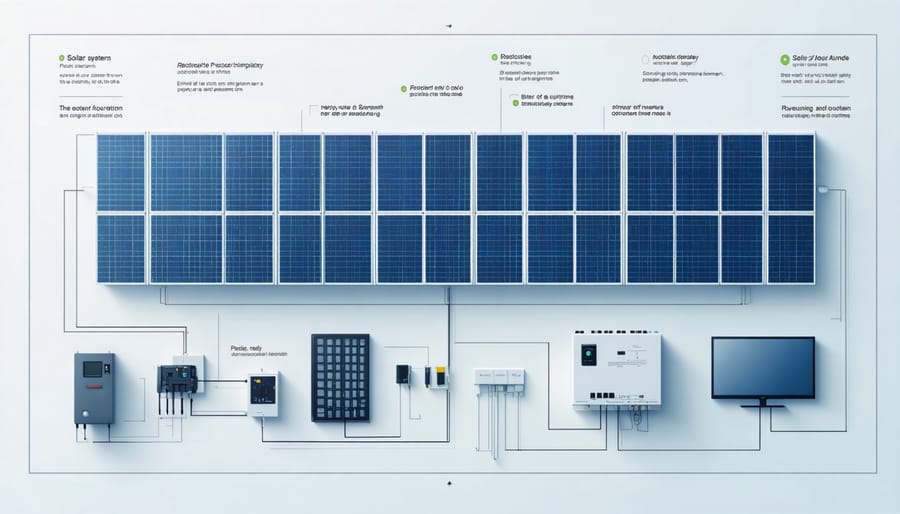
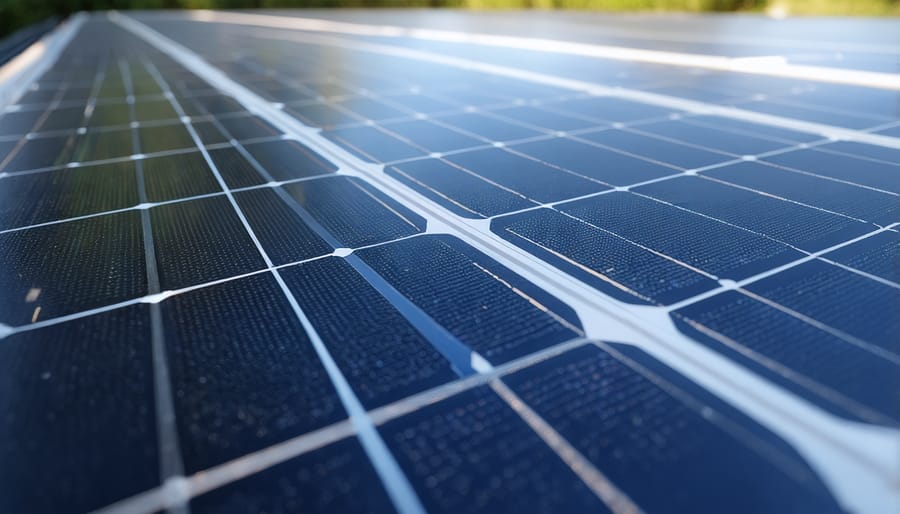
Solar cells, the fundamental building blocks of photovoltaic systems, convert sunlight directly into electricity through the photovoltaic effect. When photons from the sun strike the solar cell, they excite electrons within the semiconductor material, typically silicon, creating an electric current. Individual solar cells are interconnected and encapsulated to form solar modules, also known as solar panels. These modules are designed to protect the solar cells from environmental factors while optimizing their performance. The arrangement of cells within a module, along with the use of bypass diodes and other components, ensures reliable power output even under partial shading conditions. Advancements in solar cell technology, such as perovskite and multi-junction cells, continue to improve module efficiency and cost-effectiveness, driving the widespread adoption of solar energy. For further insights on solar panel efficiency, you might want to explore cutting-edge solar panel technologies.
Inverters and Balance of System Components
Inverters play a crucial role in PV systems by converting the DC electricity generated by the solar panels into AC electricity, which is compatible with the grid and household appliances. String inverters, microinverters, and power optimizers are common types, each with their own advantages in terms of efficiency, monitoring, and shading tolerance. Other essential components include the mounting system, which securely attaches the panels to the roof or ground; the electrical wiring, which safely transmits the electricity; and the protective devices, such as fuses, circuit breakers, and surge protectors, which ensure the system’s safety and reliability. Batteries and charge controllers may also be included in off-grid or hybrid systems to store excess energy for later use. Proper selection and integration of these components are key to designing a high-performing and durable PV system that meets the specific needs of the site and the user.
Types of PV Systems
PV systems are classified into three main types: grid-tied, off-grid, and hybrid. For individuals considering a move towards energy independence, exploring more about off-grid PV systems could provide insightful information. Grid-tied systems are connected to the utility grid, allowing excess energy to be fed back into the grid. Off-grid systems operate independently, relying on battery storage to provide power when sunlight is unavailable. Hybrid systems combine the benefits of both, with grid connection and battery storage, offering flexibility and reliability. The choice of system depends on factors such as location, energy needs, and access to the utility grid. Understanding the characteristics and advantages of each type is crucial for designing an optimal PV system that meets specific requirements.
Key Considerations in Solar PV System Design
Site Assessment and Solar Resource Evaluation
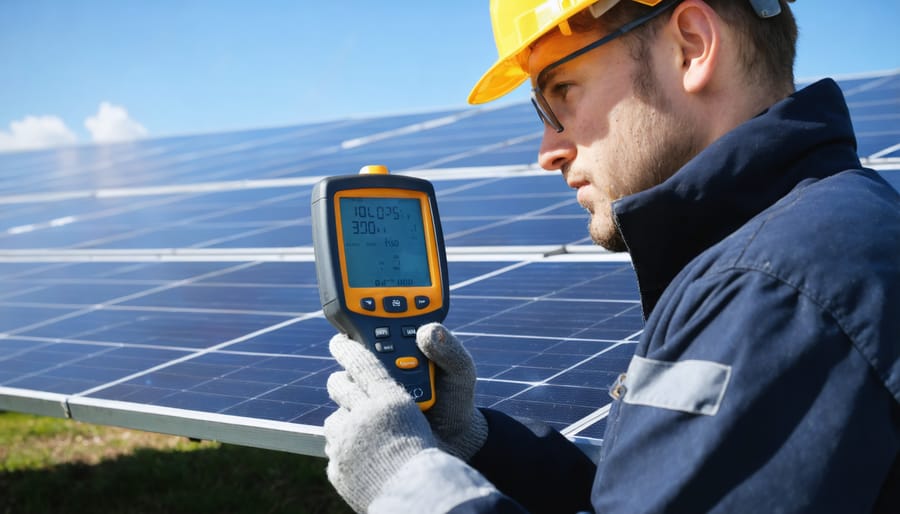
Site assessment and solar resource evaluation are crucial steps in designing an efficient and cost-effective solar photovoltaic (PV) system. A thorough site analysis involves evaluating factors such as shading, roof orientation, and available space to determine the optimal location for installing solar panels. Measuring solar irradiance, the amount of solar energy reaching the Earth’s surface, is essential for estimating the potential energy output of a PV system. This can be done using tools like pyranometers or satellite-derived solar resource maps. Accurate solar resource data helps designers select the most suitable components, such as monocrystalline solar panels, and optimize the system’s performance based on the site’s specific conditions. By conducting a comprehensive site assessment and solar resource evaluation, PV system designers can ensure that the system is tailored to the unique characteristics of the location, maximizing energy production and return on investment.
System Sizing and Energy Yield Estimation
To properly size a PV system, designers must consider the energy needs of the building or facility, factoring in daily and seasonal variations in energy consumption. This involves analyzing historical energy usage data, estimating future energy demands, and accounting for potential energy efficiency improvements. Designers also need to assess the available solar resource at the site, taking into account factors such as latitude, climate, shading, and orientation of the PV arrays. With this information, they can calculate the required system capacity to meet the energy needs and optimize the system’s performance.
Energy yield estimation is crucial for predicting the PV system’s output and ensuring it meets the desired energy generation targets. Designers use sophisticated software tools that simulate the system’s performance based on site-specific data, such as solar irradiance, temperature, and system components. These tools consider factors like module efficiency, inverter performance, and system losses to provide accurate energy yield estimates. By analyzing these estimates, designers can fine-tune the system configuration, select appropriate components, and optimize the overall design for maximum energy production. Accurate sizing and energy yield estimation are essential for ensuring the PV system’s cost-effectiveness, reliability, and long-term performance.
Shading Analysis and Mitigation Strategies
Shading can significantly impact the performance of solar PV systems, reducing energy output and efficiency. Even partial shading on a single module can affect the entire string’s performance due to the series connection of modules. To minimize shading effects, designers should conduct a thorough site analysis, identifying potential shading obstacles such as trees, buildings, or utility poles. Strategies to mitigate shading include using bypass diodes, module-level power electronics (MLPEs) like microinverters or power optimizers, and strategic PV array layout. Bypass diodes allow current to flow around shaded cells, while MLPEs enable individual module performance optimization. Proper array orientation, tilt angle, and row spacing can also help reduce inter-row shading. In complex shading scenarios, 3D modeling tools and specialized software can simulate shading patterns and guide optimal PV system design. By addressing shading through careful analysis and appropriate mitigation techniques, designers can ensure maximum energy production and system performance.
Electrical and Mechanical Design Considerations
Electrical design considerations for solar PV systems include selecting appropriate solar panel types, inverters, wiring, and overcurrent protection devices to ensure safe and efficient power generation and distribution. Mechanical aspects involve proper mounting and racking systems to withstand wind loads, snow, and seismic activity while maintaining optimal panel orientation for maximum energy yield. Careful attention to cable management, weatherproofing, and thermal expansion is crucial for long-term reliability. Adhering to local electrical codes, fire safety regulations, and industry best practices is essential to minimize risks and ensure a durable, high-performing PV system that meets the unique requirements of each installation site.
Optimizing PV System Performance
Module Selection and Orientation
When selecting solar photovoltaic modules, consider factors such as cell technology, efficiency, power output, and warranty. Monocrystalline modules offer higher efficiency and performance, while polycrystalline modules are more cost-effective. Thin-film modules are lightweight and flexible but have lower efficiency. Assess the module’s temperature coefficient, as high temperatures can reduce output. Ensure the modules are certified to relevant standards like IEC 61215 and IEC 61730.
Optimal module orientation and tilt angle maximize energy production. In the northern hemisphere, modules should face south, while in the southern hemisphere, they should face north. The ideal tilt angle depends on latitude and seasonal variations. As a general rule, the tilt angle should be equal to the site’s latitude for year-round optimization. Adjusting the tilt angle seasonally can further improve performance. Use solar modeling software to simulate different orientations and tilt angles, considering shading and local weather patterns to determine the most effective configuration for your specific site.
Inverter Configuration and MPPT
Inverter selection is a critical aspect of solar PV system design, as it converts the DC power generated by the PV array into usable AC power for the grid or loads. The inverter’s capacity should match the PV array’s power output, considering factors such as peak power and temperature effects. Stringing involves connecting PV modules in series to achieve the desired voltage range compatible with the inverter’s input specifications. The number of modules per string and the total number of strings are determined based on the inverter’s voltage and current limits, as well as the PV module’s electrical characteristics.
Maximum Power Point Tracking (MPPT) is a crucial feature of modern inverters that optimizes power extraction from the PV array under varying environmental conditions. MPPT algorithms continuously adjust the inverter’s operating point to match the PV array’s maximum power point, ensuring optimal energy yield. Advanced inverters may incorporate multiple MPPT inputs, allowing for independent tracking of different PV strings to mitigate the impact of shading or module mismatch. Proper inverter configuration and MPPT settings are essential for maximizing system performance and reliability in solar PV installations.
Monitoring and Maintenance Strategies
To ensure optimal performance and longevity of solar photovoltaic systems, implementing comprehensive monitoring systems and conducting regular maintenance are crucial. Monitoring systems provide real-time data on system performance, enabling early detection of potential issues and facilitating timely interventions. These systems can track key parameters such as energy production, efficiency, and component health, allowing for proactive maintenance and optimization. Regular maintenance, including cleaning solar panels, inspecting electrical connections, and checking inverter functionality, is essential for preventing performance degradation and extending system lifespan. By combining advanced monitoring technologies with a well-structured maintenance plan, solar PV system owners can maximize energy yield, minimize downtime, and ensure the long-term reliability of their investment. Adopting these strategies not only optimizes system performance but also contributes to the overall cost-effectiveness and sustainability of solar energy solutions.
Case Studies and Real-World Examples
Case studies and real-world examples provide valuable insights into the successful application of solar photovoltaic (PV) system design principles. One notable project is the Noor Abu Dhabi solar power plant in the United Arab Emirates, which boasts a capacity of 1,177 MW. This massive PV installation demonstrates the scalability and efficiency of well-designed solar systems in a challenging desert environment. The project’s success can be attributed to careful site analysis, selection of high-performance PV modules, and optimization of the electrical configuration.
Another exemplary case study is the Lombardy Region PV Park in Italy, which showcases the integration of solar PV systems with agricultural land use. This 70 MW installation was designed to minimize its impact on the surrounding landscape while maximizing energy production. The project employed advanced tracking systems and strategically placed the PV arrays to avoid shading from nearby vegetation. Regular monitoring and regular maintenance have ensured the system’s long-term performance and reliability.
The Westmill Solar Park in the United Kingdom is an excellent example of community-driven solar PV development. This 5 MW project was financed through a cooperative ownership model, allowing local residents to invest in and benefit from the clean energy generated. The system’s design prioritized simplicity and cost-effectiveness, using fixed-tilt arrays and string inverters to minimize complexity and maintenance requirements. The project’s success demonstrates the potential for community involvement in solar PV deployment.
These case studies highlight the importance of tailoring PV system designs to site-specific conditions, optimizing performance through careful component selection and configuration, and considering the broader social and environmental context of solar projects. By learning from these real-world examples, aspiring PV professionals can develop a more nuanced understanding of the factors that contribute to successful solar PV system design and implementation.
Future Trends and Innovations in Solar PV Design
Emerging technologies and innovative approaches are continually reshaping the landscape of solar PV system design. One promising development is the integration of bifacial solar panels, which capture sunlight from both sides, potentially increasing energy yield by up to 30%. Another game-changer is the adoption of floating PV systems, which utilize water bodies for panel installation, reducing land-use conflicts and enhancing panel efficiency through natural cooling.
Advancements in energy storage solutions, such as high-capacity batteries and hydrogen fuel cells, are enabling better integration of PV systems into the grid and facilitating off-grid applications. Smart inverters with advanced control capabilities are optimizing power conversion and grid interaction, while machine learning algorithms are being employed to predict energy generation and optimize system performance.
Building-integrated photovoltaics (BIPV) are gaining traction, seamlessly integrating PV cells into building materials like windows, roofs, and facades. This approach not only generates clean energy but also enhances the aesthetic appeal of buildings. Researchers are also exploring the potential of perovskite solar cells, which offer high efficiency, flexibility, and cost-effectiveness compared to traditional silicon-based cells.
The future of PV system design is also shaped by the growing emphasis on sustainability and circular economy principles. Designers are focusing on recyclable and eco-friendly materials, modular designs for easy maintenance and upgrades, and end-of-life management strategies to minimize waste. Collaborative efforts between industry, academia, and policymakers are driving innovation, fostering knowledge sharing, and creating new opportunities for PV professionals.
As the world transitions towards a clean energy future, staying abreast of these emerging trends and innovations is crucial for PV system designers to remain competitive and deliver cutting-edge solutions that maximize the potential of solar energy.
Conclusion
In conclusion, solar photovoltaic system design is a complex yet rewarding field that holds the key to a sustainable energy future. By understanding the fundamental principles, considering site-specific factors, and leveraging advanced optimization techniques, designers can create highly efficient and reliable PV systems. As technology continues to advance, with the latest breakthroughs in solar panels and system components, the potential for solar energy grows exponentially. Armed with the knowledge gained from this article, aspiring PV professionals and renewable energy enthusiasts can confidently apply these concepts to their own projects, contributing to a greener future. Remember, every well-designed solar PV system brings us one step closer to a world powered by clean, sustainable energy. So, embrace the challenge, continue learning, and let your passion for solar energy drive you forward in this exciting and transformative field.