The accelerating loss of Earth’s biodiversity presents an unprecedented challenge to our planet’s ecological stability and human survival. While the environmental impact of solar manufacturing and other human activities continue to evolve, three critical threats emerge as primary drivers of species extinction and ecosystem degradation. Habitat destruction, primarily through deforestation and urban development, eliminates crucial breeding grounds and disrupts vital ecological corridors. Climate change amplifies these pressures by altering temperature patterns, precipitation cycles, and phenological relationships that species have developed over millennia. Additionally, the introduction of invasive species, often facilitated by global trade and human movement, destabilizes local ecosystems and outcompetes native flora and fauna. Understanding these interconnected threats is essential for developing effective conservation strategies and ensuring the resilience of Earth’s biological systems for future generations. This analysis examines each threat in detail, supported by current research and real-world examples, to provide stakeholders with actionable insights for biodiversity preservation.
Habitat Fragmentation and Loss
Direct Land Use Impact
The construction of utility-scale solar installations inevitably leads to direct modification of existing habitats during the site preparation phase. This immediate impact involves clearing vegetation, grading the terrain, and establishing access roads, which can significantly alter or eliminate native ecosystems. The extent of habitat disruption varies depending on the installation method chosen, with some mounting systems requiring more extensive ground preparation than others.
During construction, heavy machinery compacts soil structures, potentially affecting root systems and underground habitats of small mammals and insects. The removal of existing vegetation eliminates food sources and shelter for local wildlife, while the installation of security fencing creates barriers that can fragment wildlife corridors and disrupt natural movement patterns.
The magnitude of these direct impacts largely depends on the project’s location and size. Desert environments, often targeted for solar installations due to high irradiance levels, are particularly vulnerable due to their fragile ecosystems and slow recovery rates. Similarly, agricultural lands converted to solar farms may lose their ability to support certain species that depend on croplands for foraging or nesting.
To minimize these impacts, developers increasingly implement site-specific environmental management plans and adopt construction practices that preserve topsoil and protect sensitive habitat areas.
Wildlife Corridor Disruption
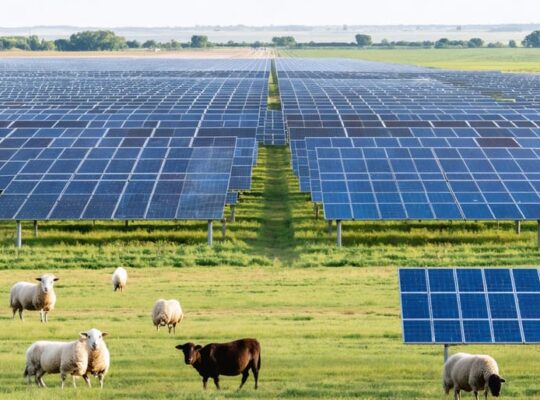
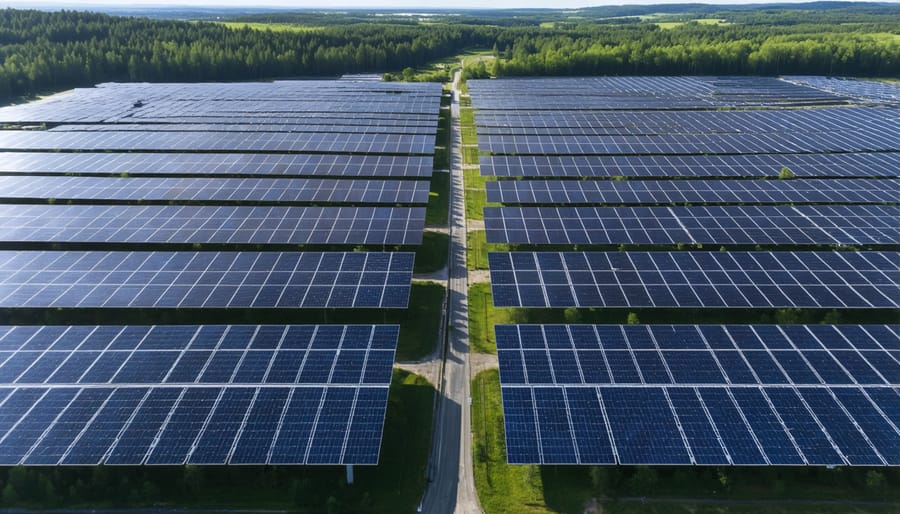
Solar installations, particularly utility-scale facilities, can create significant barriers to wildlife movement and disrupt essential migration corridors. These installations often span hundreds or thousands of acres, effectively fragmenting natural habitats and impeding the natural flow of animal populations. The fencing and infrastructure required for solar facilities can block traditional migration routes, forcing animals to find alternative paths that may expose them to increased predation risks or reduced access to resources.
The impact is particularly severe for large mammals and migratory species that require extensive ranges for survival. Desert species like bighorn sheep, pronghorn antelope, and desert tortoises are especially vulnerable to these disruptions. Studies have shown that solar installations can create “barrier effects” that alter breeding patterns, feeding behaviors, and genetic diversity within affected populations.
To mitigate these impacts, developers and environmental scientists are implementing strategic solutions such as wildlife-friendly fencing designs, designated crossing points, and the preservation of migration corridors during facility planning. Some facilities incorporate vegetation corridors between solar arrays, allowing smaller animals to maintain their movement patterns. Environmental impact assessments now routinely include evaluation of wildlife movement patterns to ensure solar projects can coexist with local fauna while maintaining essential ecological connectivity.
Bird and Insect Mortality
The ‘Lake Effect’ Phenomenon
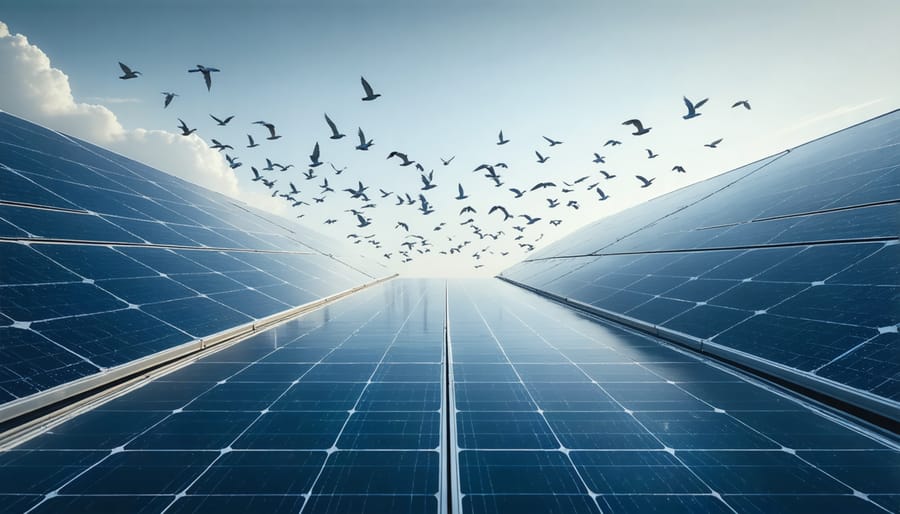
The ‘lake effect’ phenomenon represents a significant concern in solar energy’s environmental effects, particularly affecting avian populations. Large-scale solar installations can create what researchers term the “photovoltaic lake effect,” where birds mistake the reflective surfaces of solar panels for bodies of water. This optical illusion occurs because solar panels share similar polarized light reflection patterns with water surfaces, a key visual cue that birds use for navigation and habitat identification.
When birds attempt to land on these pseudo-water surfaces, they risk collision injuries or becoming stranded in solar facilities. This effect is particularly pronounced during migration seasons when birds rely heavily on water bodies for rest stops. Studies have documented cases where water-dependent species, including waterfowl and shorebirds, have been particularly affected by this phenomenon.
The impact is magnified in arid regions where natural water sources are scarce, as birds are more likely to be attracted to any surface resembling water. Solar facility operators have begun implementing various mitigation strategies, including anti-reflective coatings and visual deterrents, to reduce avian mortality while maintaining energy production efficiency.
Heat Island Effects
Heat island effects from solar installations can significantly impact local insect populations, creating thermal stress zones that alter their natural behavior and survival patterns. Research has shown that the surface temperatures around solar arrays can be 3-4°C higher than surrounding areas, primarily due to the heat absorption and reflection properties of solar panels and associated infrastructure.
This localized warming affects various aspects of insect ecology. Flying insects, particularly pollinators, may experience disrupted navigation patterns due to the heat signatures emanating from solar installations. Ground-dwelling insects face challenges as soil temperatures increase, potentially affecting their reproductive cycles and habitat preferences.
Studies conducted at utility-scale solar facilities have documented decreased insect activity within the immediate vicinity of panel arrays during peak temperature periods. The thermal gradient created can extend several meters beyond the installation perimeter, effectively reducing viable habitat space for temperature-sensitive species.
However, proper design considerations can help mitigate these effects. Implementing adequate spacing between panel rows, maintaining native vegetation, and establishing thermal corridors can help regulate local temperatures. Some facilities have successfully incorporated cooling strategies, such as reflective surfaces or strategic panel positioning, to minimize heat island impacts while maintaining optimal energy generation efficiency.
Soil and Vegetation Changes
Soil Chemistry Alterations
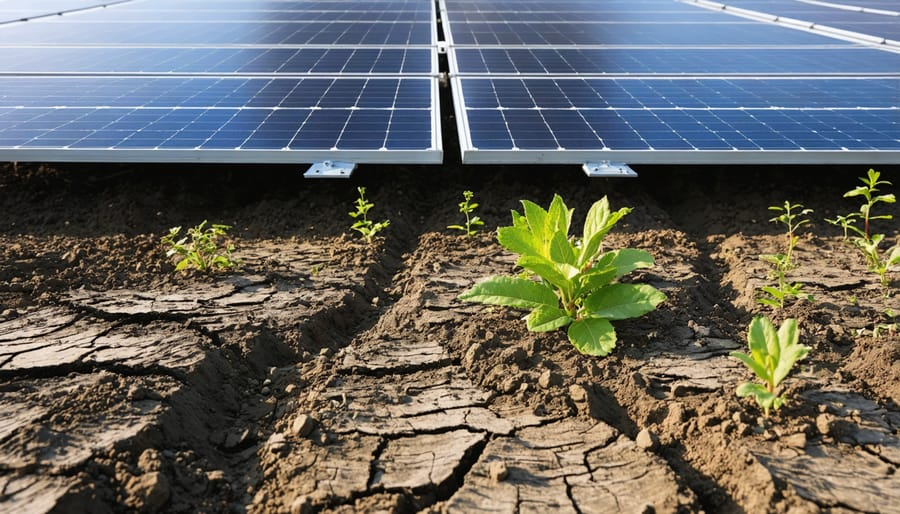
Solar installations can significantly alter soil chemistry and moisture dynamics, presenting critical long-term environmental considerations for ecosystem health. The installation process often involves soil compaction and disruption of natural drainage patterns, leading to changes in soil moisture retention and distribution. These alterations can affect the soil’s pH levels, mineral composition, and organic matter content.
The presence of solar arrays creates artificial shade patterns that modify soil temperature and moisture gradients. This modification can impact microbial activity and nutrient cycling processes essential for plant growth and soil fertility. Research indicates that areas beneath solar panels may experience up to 30% reduction in soil moisture compared to unshaded areas, particularly during peak sunlight hours.
Chemical changes can also occur due to panel materials and mounting systems. Zinc and copper leaching from equipment components may alter soil metal content, while water runoff patterns from panels can concentrate certain minerals in specific areas. These chemical modifications can influence soil fertility and potentially affect the growth patterns of native vegetation.
To mitigate these impacts, solar developers are implementing innovative solutions such as biodiverse ground cover and specialized drainage systems. Regular soil monitoring and maintenance programs help ensure that chemical alterations remain within acceptable parameters for sustainable ecosystem function.
Native Plant Species Impact
The introduction of solar installations can significantly impact native plant species, creating a cascade of effects throughout the local ecosystem. When native vegetation is cleared for solar facility construction, it disrupts established plant communities that have evolved over centuries to support local wildlife and maintain soil health. These plants often play crucial roles in water retention, erosion control, and nutrient cycling.
Research indicates that the removal of native flora can lead to increased soil erosion, altered water infiltration patterns, and reduced habitat quality for indigenous species. Native plants typically have deep root systems that help stabilize soil and facilitate groundwater recharge. Their replacement with gravel, concrete, or non-native species can disrupt these natural processes.
Furthermore, the shade created by solar panels can alter light availability for remaining vegetation, potentially changing species composition and distribution patterns. Some plants may struggle to adapt to these modified light conditions, while others might thrive, leading to shifts in local plant communities.
To mitigate these impacts, many solar facilities now implement vegetation management strategies that incorporate native species into their designs. These approaches include maintaining buffer zones with indigenous plants, creating wildlife corridors, and utilizing low-growing native species beneath panel arrays. Such practices help preserve biodiversity while supporting the dual goals of renewable energy generation and ecosystem conservation.
The three major threats to biodiversity from solar installations – habitat loss, wildlife disruption, and ecosystem fragmentation – present significant challenges that require immediate attention from the solar industry. These impacts, while serious, can be effectively mitigated through thoughtful planning and implementation of sustainable development practices.
By adopting comprehensive site assessment protocols, implementing wildlife-friendly design features, and establishing ecological corridors, solar developers can significantly reduce their environmental footprint. The industry must prioritize the integration of biodiversity conservation measures into project planning phases, rather than treating them as afterthoughts.
Successful mitigation strategies have demonstrated that solar energy development and biodiversity conservation can coexist harmoniously. Examples include the use of native vegetation between panel rows, the installation of wildlife passages, and the implementation of monitoring programs to track ecosystem health. These approaches not only protect local flora and fauna but often enhance project performance through improved soil stability and natural cooling effects.
Moving forward, the solar industry must embrace a holistic approach that balances clean energy goals with environmental stewardship. This includes collaborating with environmental scientists, engaging local communities, and investing in research to develop innovative solutions. By committing to sustainable development practices, the solar sector can fulfill its promise of clean energy production while preserving the rich biodiversity that sustains our planet’s ecosystems.
The future of solar energy depends on our ability to address these challenges proactively and responsibly, ensuring that renewable energy expansion does not come at the expense of our natural heritage.