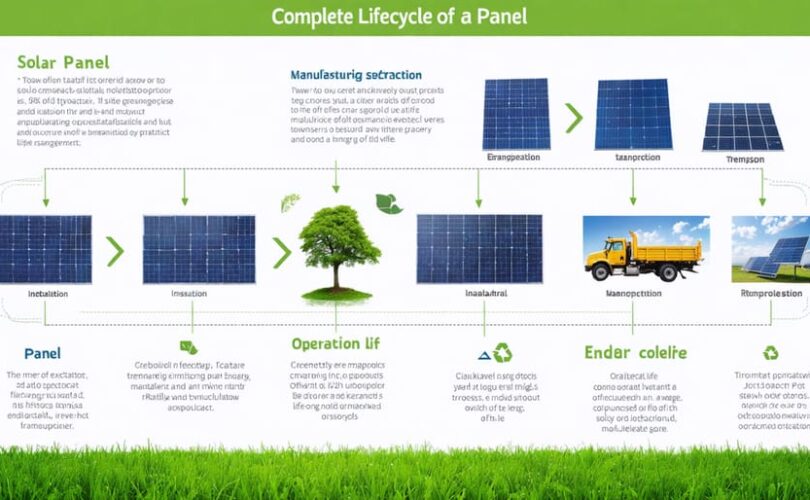
Lifecycle emissions represent the complete environmental footprint of solar energy technology, from raw material extraction through end-of-life disposal. While photovoltaic systems generate clean electricity during operation, their overall carbon impact encompasses manufacturing energy, transportation emissions, installation processes, and eventual recycling requirements. Understanding these cumulative emissions has become crucial for environmental assessment and industry planning, particularly as global solar deployment accelerates to meet climate targets.
Recent lifecycle analyses reveal that modern solar panels typically offset their manufacturing emissions within 1-4 years of operation, depending on geographical location and production methods. This “carbon payback period” continues to shrink as manufacturing efficiency improves and supply chains optimize. However, the increasing scale of solar deployment worldwide demands careful consideration of end-of-life management strategies to minimize environmental impact and maximize material recovery.
Industry leaders and researchers now focus on developing circular economy approaches to solar manufacturing, implementing low-carbon production processes, and establishing efficient recycling programs to further reduce lifecycle emissions. These advancements mark a critical evolution in sustainable energy infrastructure development.
Understanding Lifecycle Emissions in Solar Technology
Key Components of Solar Lifecycle Analysis
Solar panel lifecycle analysis encompasses several distinct stages, each contributing to the overall environmental impact. The manufacturing phase begins with raw material extraction, including mining silicon, processing precious metals, and producing specialized glass. This initial stage typically accounts for the highest percentage of lifecycle emissions due to energy-intensive processes and material refinement.
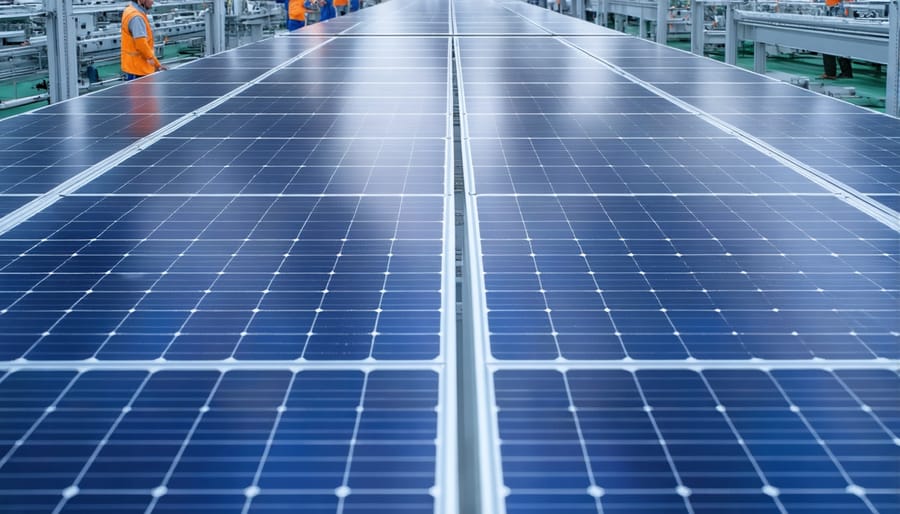
The production phase involves cell fabrication, module assembly, and quality testing, requiring significant energy input from manufacturing facilities. Transportation emissions occur during multiple phases, from raw material delivery to final installation site distribution, varying based on distance and shipping methods.
Installation processes generate minimal emissions, primarily from equipment operation and worker transportation. The operational phase spans 25-30 years, during which panels generate clean electricity with negligible direct emissions. However, periodic maintenance and replacement of components contribute small amounts to the lifecycle total.
End-of-life management, including decommissioning and recycling, represents the final emission source. Modern recycling techniques can recover up to 95% of materials, reducing the environmental impact and supporting circular economy principles. Regular monitoring and documentation of these stages enables manufacturers to identify and implement emission reduction strategies effectively.
Manufacturing Phase Emissions
Raw Material Extraction
Raw material extraction represents a significant source of emissions in the solar panel lifecycle, primarily involving the mining and processing of key materials such as silicon, aluminum, copper, and various rare earth elements. The extraction of high-grade silicon, essential for photovoltaic cells, requires substantial energy input and typically relies on fossil fuel-powered operations. Mining activities generate both direct emissions from machinery and vehicles, and indirect emissions through land-use changes and habitat disruption.
The purification of silicon to semiconductor-grade material is particularly energy-intensive, consuming approximately 200 kWh per kilogram of processed silicon. Additional emissions occur during the extraction of aluminum for panel frames and mounting systems, copper for wiring and conductors, and silver for electrical contacts. The processing of these materials involves multiple stages of refinement, each contributing to the overall carbon footprint.
Environmental impact assessments indicate that raw material extraction accounts for roughly 12-15% of a solar panel’s total lifecycle emissions. This phase’s emission intensity varies significantly based on the source location, extraction methods, and local energy mix used in processing operations.
Production Process Emissions
The solar panel production process contributes significantly to lifecycle emissions, with varying impacts across different panel technologies. Crystalline silicon panels, the most common type, generate approximately 40-50g of CO2 equivalent per kilowatt-hour during manufacturing. This primarily stems from the energy-intensive processes of silicon purification and wafer production, which often require temperatures exceeding 1,500°C.
Thin-film technologies, including amorphous silicon and cadmium telluride (CdTe) panels, typically produce lower manufacturing emissions, ranging from 20-30g CO2e/kWh. However, these reduced emissions must be weighed against generally lower efficiency rates compared to crystalline panels.
Manufacturing location also plays a crucial role in emission levels. Panels produced in regions heavily dependent on coal-based electricity generally have a larger carbon footprint compared to those manufactured using cleaner energy sources. For instance, panels produced in Europe, where the energy mix includes more renewables, can have up to 40% lower manufacturing emissions than those produced in coal-dependent regions.
Transportation and Installation Impact
Transportation and installation phases contribute significantly to a solar panel system’s overall lifecycle emissions, though their impact is generally lower compared to manufacturing. The transportation footprint varies considerably based on shipping distances, modes of transport, and supply chain efficiency. For instance, panels manufactured locally may generate fewer transportation emissions compared to those shipped internationally.
During the installation phase, emissions primarily stem from vehicle use, equipment operation, and site preparation activities. Following solar installation best practices can help minimize these impacts through efficient project planning and optimal resource utilization. Studies indicate that transportation and installation typically account for 3-8% of a solar panel’s total lifecycle emissions.
Key factors affecting transportation emissions include:
– Distance between manufacturing facilities and installation sites
– Transportation mode efficiency (sea freight vs. air cargo)
– Packaging materials and logistics optimization
– Regional distribution network effectiveness
Installation-related emissions sources encompass:
– Construction equipment and power tools
– Worker transportation to and from sites
– Site preparation and ground mounting systems
– Temporary power generation requirements
Industry leaders are implementing various strategies to reduce these emissions, such as:
– Optimizing shipping routes and container utilization
– Using electric vehicles for installation crews
– Implementing regional warehousing solutions
– Employing modular design approaches for easier transport and installation
These efforts, combined with advancing logistics technology and installation methods, continue to decrease the environmental impact of solar energy system deployment while maintaining installation quality and efficiency.
Operational Lifetime Benefits
During their operational lifetime, solar photovoltaic systems demonstrate significant emission reduction benefits compared to conventional energy sources. A typical solar installation can offset between 30-60 tons of carbon dioxide emissions annually, depending on the system size and local grid energy mix. This substantial reduction occurs because solar panels generate electricity without direct emissions, unlike fossil fuel-based power plants.
The emission savings accumulate progressively throughout the operational phase, which typically spans 25-30 years. Studies indicate that modern solar installations achieve their carbon payback period within 1-4 years, meaning they offset their manufacturing emissions relatively quickly. After this period, all subsequent energy generation represents net positive environmental benefits.
When compared to coal-fired power plants, solar installations reduce emissions by approximately 94-98% per kilowatt-hour generated. Natural gas comparisons show emission reductions of 72-76%. These calculations factor in the complete operational aspects, including routine maintenance and periodic cleaning requirements, which contribute minimally to the overall emissions profile.
Geographic location plays a crucial role in determining operational benefits. Regions with higher solar irradiance typically achieve greater emission savings due to increased energy production. Additionally, areas predominantly powered by coal-based electricity see more substantial environmental benefits when transitioning to solar power.
The operational benefits extend beyond carbon dioxide reductions. Solar systems also help minimize other harmful emissions associated with conventional power generation, including sulfur dioxide, nitrogen oxides, and particulate matter. This comprehensive reduction in atmospheric pollutants contributes to improved air quality and public health outcomes in communities adopting solar technology.

End-of-Life Considerations
The end-of-life phase of solar panels contributes significantly to their overall lifecycle emissions, primarily through recycling and disposal processes. As panels reach their 25-30 year operational lifespan, proper management becomes crucial for minimizing environmental impact. Current solar panel recycling methods can recover up to 95% of materials, including valuable components like silver, silicon, and aluminum.
However, the recycling process itself generates emissions through energy consumption and transportation. Studies indicate that recycling one metric ton of solar panels produces approximately 200-400 kg CO2-equivalent emissions, depending on the technology and methods used. This figure varies significantly based on regional energy grid composition and available recycling infrastructure.
Improper disposal in landfills poses additional environmental risks and increases lifecycle emissions through potential leaching of hazardous materials. Advanced recycling facilities utilizing automated separation technologies and renewable energy sources can reduce end-of-life emissions by up to 50% compared to conventional methods.
Emerging circular economy approaches are showing promise in further reducing end-of-life emissions. These include design-for-recycling initiatives, which facilitate easier material recovery, and refurbishment programs that extend panel lifespan. Industry leaders are also developing innovative processes to recover high-purity silicon and other materials, potentially offsetting emissions by reducing the need for virgin material production in new panels.
The lifecycle emissions analysis of solar technology reveals significant opportunities for reducing environmental impact throughout the value chain. Recent advancements in manufacturing processes, coupled with improved recycling technologies, demonstrate potential for reducing carbon footprints by up to 50% compared to traditional methods. Key findings indicate that the most substantial emissions reductions can be achieved during the manufacturing phase through energy-efficient production and sustainable material sourcing.
Looking ahead, emerging technologies such as perovskite solar cells and bifacial modules promise even lower lifecycle emissions. Industry collaboration with research institutions continues to drive innovation in low-carbon manufacturing processes and end-of-life management solutions. The implementation of circular economy principles in solar manufacturing shows particular promise, with pilot programs demonstrating successful recovery rates exceeding 90% for critical materials.
To achieve further reductions in lifecycle emissions, focus must be placed on developing standardized recycling infrastructure, implementing stricter manufacturing guidelines, and investing in renewable energy for production facilities. As the industry matures, these improvements will be crucial in maintaining solar technology’s position as a leading solution for sustainable energy generation.