Designing a photovoltaic (PV) solar system demands precise engineering calculations, environmental analysis, and strategic planning to ensure optimal energy production and system longevity. Professional solar designers must integrate multiple critical factors: site-specific solar irradiance data, roof structural integrity, local building codes, and the capacity to survive nature’s fury. Modern PV system design encompasses sophisticated modeling software, advanced monitoring capabilities, and intelligent power management solutions that maximize energy yield while minimizing installation and operational costs.
The convergence of cutting-edge technology with robust engineering principles enables designers to create systems that achieve peak performance across diverse geographical locations and weather conditions. From initial site assessment through final implementation, each design decision impacts system efficiency, reliability, and return on investment. This comprehensive approach to PV system design ensures installations meet both current energy demands and future expansion requirements while maintaining compliance with industry standards and regulatory requirements.
Core Components of Resilient PV System Design
Structural Integrity and Mounting Solutions
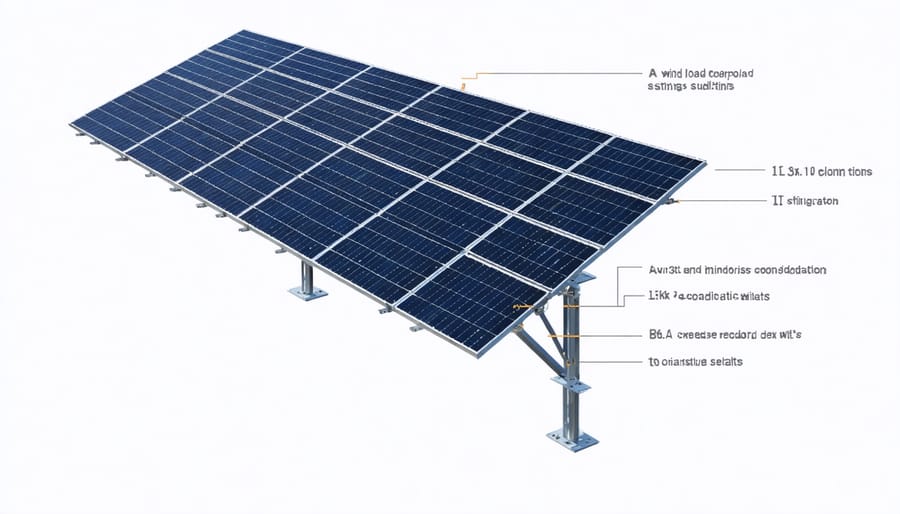
The structural integrity of a PV system installation is crucial for ensuring long-term reliability and safety. Mounting solutions must account for various environmental factors, particularly wind loads, which can exert significant forces on solar panels. Professional engineers calculate wind load requirements using local building codes and standards, typically incorporating factors such as building height, terrain category, and geographical location.
Mounting systems generally fall into three categories: roof-mounted, ground-mounted, and building-integrated photovoltaic (BIPV) systems. Each requires specific structural considerations and materials. Roof-mounted systems must distribute weight evenly across existing roof structures while maintaining waterproof integrity. Ground-mounted arrays need deep foundations and robust support structures to withstand soil conditions and environmental stresses.
Material selection is paramount for system longevity. Aluminum racking systems are industry standard due to their excellent strength-to-weight ratio and corrosion resistance. Stainless steel fasteners and mounting hardware are essential in coastal environments where salt exposure is a concern. All components should meet relevant international standards for outdoor use and UV resistance.
For optimal structural integrity, designers must consider:
– Maximum snow and wind loads specific to the installation location
– Thermal expansion and contraction of materials
– Seismic activity requirements in applicable regions
– Galvanic corrosion prevention between dissimilar metals
– Access requirements for maintenance and inspection
Regular structural assessments and maintenance protocols ensure the mounting system maintains its integrity throughout the solar installation’s operational lifetime.
Environmental Protection Measures
Protecting solar PV systems from environmental stressors is crucial for maintaining long-term performance and reliability. The primary defense begins with proper weatherproofing of all system components, particularly junction boxes and electrical connections. High-quality enclosures rated IP65 or higher ensure protection against dust and water ingress, while specialized cable glands and conduits prevent moisture penetration along wiring routes.
Protective coatings play a vital role in system longevity. Anti-reflective coatings on solar panels not only improve light absorption but also provide resistance against environmental degradation. Hydrophobic coatings help maintain panel cleanliness by promoting water sheeting, which reduces dust accumulation and minimizes cleaning requirements. For metal components, zinc-based galvanization or powder coating prevents corrosion in harsh environments.
Thermal management is essential for maintaining optimal system efficiency. Adequate airflow beneath solar panels helps dissipate heat, typically requiring a minimum gap of 100mm between the roof surface and panel array. Heat sinks and cooling fins on inverters facilitate temperature regulation of electronic components. In high-temperature regions, light-colored mounting systems and strategic panel positioning can reduce heat absorption.
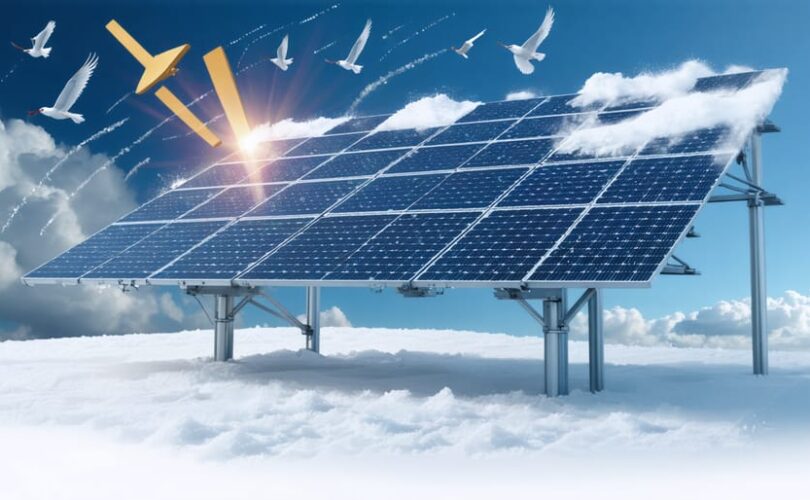
Additional protective measures include bird barriers to prevent nesting under panels, snow guards in cold climates to prevent sudden snow slides, and grounding systems for lightning protection. Regular monitoring of these protective elements ensures their continued effectiveness and helps identify maintenance needs before system performance is compromised.
Advanced Climate Adaptation Strategies
High-Temperature Performance Optimization
High temperatures can significantly impact solar panel performance, making it crucial to implement effective strategies to optimize panel efficiency in hot climates. The primary approach involves maintaining adequate airflow behind the panels through proper mounting techniques. Installing panels with a minimum 4-inch gap between the roof surface and module allows for natural convection cooling, reducing operating temperatures by up to 20°F.
Temperature coefficient ratings should be carefully considered during panel selection. Premium modules with lower temperature coefficients (-0.35%/°C or better) maintain higher efficiency levels as temperatures rise. Light-colored mounting equipment and reflective surfaces can help minimize heat absorption.
Active cooling solutions, such as automated sprinkler systems or specialized cooling units, may be justified for large commercial installations where performance optimization is critical. However, these systems must be evaluated for cost-effectiveness and water consumption in arid regions.
Preventive measures against heat-related degradation include using high-quality encapsulation materials resistant to thermal stress and implementing regular thermal imaging inspections to identify potential hot spots. Additionally, incorporating micro-inverters or power optimizers can help minimize the impact of temperature-induced power losses by managing each panel independently.
System monitoring should include temperature sensors to track thermal patterns and adjust maintenance schedules accordingly, ensuring long-term system reliability in high-temperature environments.
Extreme Weather Protection
When designing PV solar systems, implementing robust resilience strategies against extreme weather conditions is crucial for long-term system reliability. In hurricane-prone regions, mounting systems must be engineered to withstand high wind loads, typically requiring additional reinforcement and specialized racking systems rated for wind speeds up to 150 mph. Engineers should specify corrosion-resistant materials and incorporate structural calculations that account for both uplift and lateral forces.
For areas experiencing heavy snowfall, panel tilt angles should be optimized to facilitate natural snow shedding, typically at a minimum of 35 degrees. Load-bearing calculations must account for accumulated snow weight, often requiring reinforced mounting structures and additional support points. Designers should also consider incorporating snow guards in certain configurations to prevent dangerous snow slides.
Hail protection measures include selecting modules that have passed severe weather testing, particularly those certified to withstand impacts from hailstones up to 25mm in diameter at terminal velocity. Modern solar panels should meet or exceed IEC 61215 testing standards for hail resistance. System designers should also consider implementing active protection systems, such as automated tilt mechanisms that can adjust panel positioning during severe weather events.
These protective measures should be integrated into the initial system design rather than added as afterthoughts, ensuring comprehensive weather resilience while maintaining optimal system performance and longevity.
Smart Monitoring and Response Systems
Smart monitoring and response systems form a critical component of modern PV solar installations, enabling real-time performance tracking and swift issue resolution. These systems typically incorporate advanced sensors, data loggers, and automated protection mechanisms that continuously monitor key parameters such as voltage, current, temperature, and power output.
Remote monitoring capabilities allow system operators to access performance data through web-based platforms or mobile applications, providing instant visibility into system health and generation metrics. This functionality enables predictive maintenance by identifying potential issues before they escalate into major problems, ultimately maximizing system uptime and efficiency.
The implementation includes automated protection features such as arc fault detection, ground fault interruption, and rapid shutdown capabilities, ensuring both system and user safety. These protective measures automatically respond to abnormal conditions by isolating affected components or shutting down the system when necessary.
Data analytics play a crucial role in these monitoring systems, using artificial intelligence and machine learning algorithms to analyze performance patterns and predict maintenance needs. The system can generate automated alerts and detailed reports, helping operators make informed decisions about system optimization and maintenance scheduling.
For enhanced reliability, these monitoring solutions often incorporate redundant communication channels and backup power supplies, ensuring continuous monitoring even during grid outages or communication disruptions. This comprehensive approach to system monitoring significantly contributes to the overall resilience and longevity of PV installations.
System Integration and Performance Validation
Quality Assurance Protocols
Quality assurance in PV solar system design encompasses rigorous testing protocols and certification requirements to ensure optimal performance and longevity. The process begins with factory testing of individual components, including flash testing of solar modules to verify their rated power output and electroluminescence imaging to detect potential micro-cracks or defects.
System designers must adhere to IEC 61215 and IEC 61730 standards for module certification, along with UL 1741 for inverters and power electronics. These standards validate the equipment’s safety, reliability, and performance under various environmental conditions. Additionally, string calculations and array configurations undergo simulation testing using specialized software to optimize energy yield and minimize losses.
On-site testing protocols include insulation resistance measurements, voltage open-circuit tests, and current short-circuit verification. Ground fault protection systems require thorough evaluation, while monitoring equipment undergoes calibration and communication protocol verification. Documentation of these tests must be maintained for warranty purposes and future reference.
Post-installation performance ratio (PR) testing is crucial, typically conducted over 5-7 days to establish baseline system efficiency. This involves comparing actual energy production against theoretical yields while accounting for environmental factors. Regular thermographic inspections help identify potential hotspots or connection issues that could impact system performance.
Certification requirements extend to installation teams, who must possess relevant qualifications such as NABCEP certification in North America or similar regional credentials, ensuring proper system implementation and maintenance protocols.
Performance Monitoring Solutions
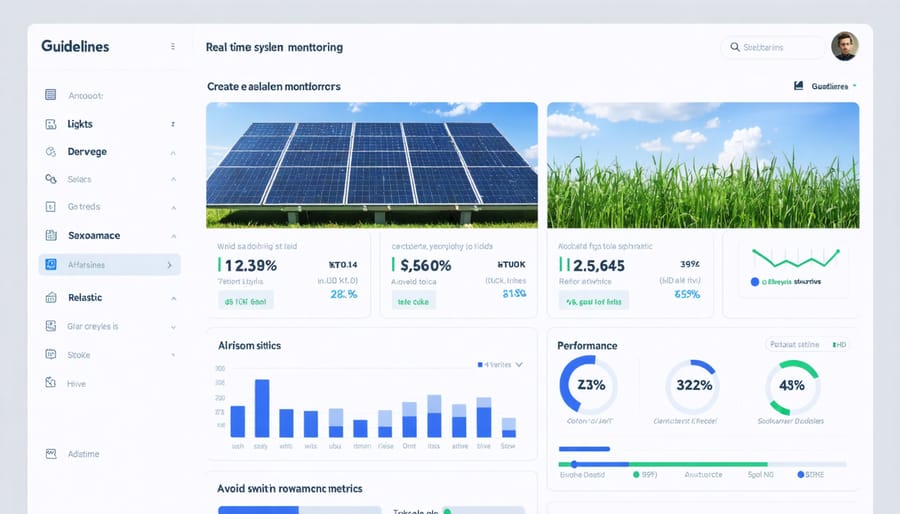
Performance monitoring is essential for ensuring optimal operation and maximizing the return on investment of photovoltaic systems. Modern monitoring solutions combine hardware sensors, data acquisition systems, and sophisticated software platforms to provide comprehensive system oversight.
Key monitoring parameters include DC and AC power output, voltage levels, current flow, and module temperatures. Advanced monitoring systems also track environmental conditions such as solar irradiance, ambient temperature, and weather patterns, enabling precise performance analysis and forecasting.
Data logging equipment captures these metrics at regular intervals, typically ranging from seconds to minutes, storing information either locally or in cloud-based platforms. Real-time monitoring allows system operators to detect and respond to performance issues promptly, while historical data analysis helps identify long-term trends and optimization opportunities.
Smart monitoring platforms offer features such as automated alert systems, performance ratio calculations, and yield comparisons against theoretical predictions. These tools can detect various issues, including module degradation, inverter malfunctions, or shading problems, often before they significantly impact system output.
Regular performance assessment should include:
– Daily power generation analysis
– Monthly yield comparisons
– Efficiency calculations
– Component health checks
– String-level monitoring
– Grid interaction metrics
By implementing robust monitoring solutions, system owners can maintain optimal performance, extend equipment lifespan, and ensure maximum energy harvest throughout the system’s operational life. This data-driven approach to system management is crucial for achieving projected financial returns and environmental benefits.
Maintenance and Upgrade Strategies
An effective long-term system maintenance strategy is crucial for maximizing the lifespan and performance of your PV solar installation. Regular inspection schedules should include monthly visual checks of panels, quarterly electrical system assessments, and annual comprehensive evaluations of all components. Clean panels periodically, especially in dusty environments or areas with heavy bird activity, using appropriate cleaning solutions and soft materials to prevent surface damage.
Monitor inverter performance through data logging systems, and establish alert thresholds for efficiency drops that might indicate maintenance needs. Replace inverters typically every 10-15 years, while solar panels may need replacement after 25-30 years of service. Keep detailed maintenance records to track system performance trends and identify recurring issues.
Consider future upgrade possibilities during initial system design. Include additional mounting points and sizing electrical conduits with extra capacity to accommodate potential system expansions. Plan for technology evolution by selecting components with standardized connections and leaving space in equipment rooms for new storage solutions or smart monitoring systems.
Implement predictive maintenance protocols using advanced monitoring systems to detect potential failures before they occur. This approach reduces downtime and optimizes maintenance schedules based on actual system performance rather than fixed intervals. Budget for regular component replacements and maintain relationships with reliable suppliers to ensure quick access to replacement parts when needed.
The design of effective PV solar systems requires a careful balance of technical expertise, environmental considerations, and forward-thinking planning. Throughout this comprehensive guide, we’ve explored the fundamental principles that contribute to creating resilient solar installations capable of delivering reliable performance over their operational lifetime.
Key design considerations, including proper site assessment, optimal component selection, and robust system integration, form the foundation of successful PV implementations. The importance of accounting for local climate conditions, shading analysis, and structural requirements cannot be overstated in achieving maximum system efficiency and longevity.
Looking ahead, the evolution of solar technology continues to present new opportunities and challenges for system designers. Emerging trends such as bifacial panels, advanced energy storage solutions, and smart monitoring systems are reshaping the landscape of PV system design. Integration with microgrids and the growing emphasis on grid resilience will likely influence future design approaches.
For sustainable long-term performance, designers must prioritize adaptability and scalability in their systems while maintaining compliance with evolving industry standards and regulations. Regular maintenance protocols and performance monitoring strategies should be incorporated into the initial design phase to ensure optimal system operation throughout its lifecycle.
By following these established design principles while remaining receptive to technological advancements, professionals can create PV systems that not only meet current energy needs but also adapt to future requirements, ultimately contributing to a more sustainable energy future.