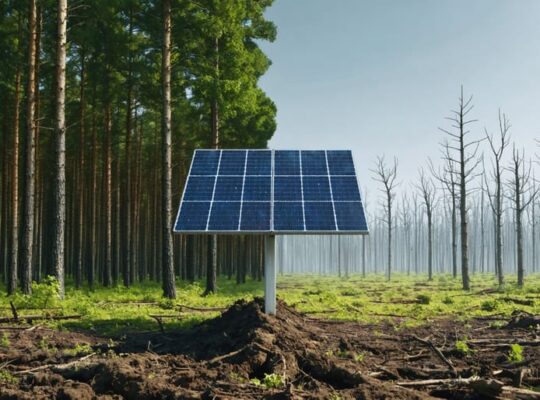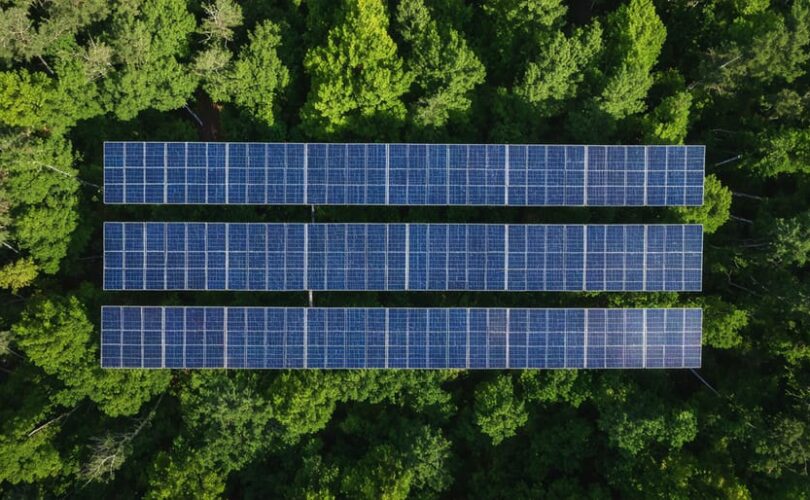
Forest ecosystems represent one of Earth’s most complex and interconnected biological networks, where countless species adapt and thrive through environmental stress. From towering canopy layers that filter sunlight to dense understory vegetation harboring diverse wildlife, these intricate systems maintain critical ecological balance through sophisticated relationships between flora and fauna. As climate change intensifies, understanding forest ecosystem dynamics becomes increasingly vital for environmental preservation and renewable energy integration. This living laboratory of biological interactions demonstrates nature’s remarkable capacity for self-regulation, where each species – from microscopic soil organisms to apex predators – plays an indispensable role in maintaining ecosystem health. Through careful study of these natural systems, we can develop more effective strategies for balancing human energy needs with environmental conservation, ensuring that both technological advancement and biodiversity preservation progress hand in hand.
Native Forest Species in PV-Integrated Environments
Plant Communities Around Solar Arrays
The integration of solar arrays into forest ecosystems creates distinct microclimates that influence plant community development and distribution. These areas typically exhibit three primary vegetation zones: the array footprint, the edge habitat, and the transitional forest boundary. Under and between solar panels, shade-tolerant species often flourish, including various ferns, mosses, and understory plants adapted to filtered light conditions.
Research conducted at multiple forest-integrated solar installations has revealed that native ground cover species show remarkable adaptability to these modified environments. Plants beneath panels generally experience reduced solar radiation, altered precipitation patterns, and modified soil moisture levels. This creates opportunities for species that typically inhabit forest understory environments to colonize these spaces.
The edge zones surrounding solar arrays demonstrate particularly rich biodiversity, often supporting a mix of both shade-tolerant and sun-loving species. These areas frequently harbor important pollinator plants and serve as crucial corridors for wildlife movement. Common edge species include flowering perennials, low-growing shrubs, and various grasses that can tolerate partial shade conditions.
Vegetation management strategies play a critical role in maintaining healthy plant communities around solar installations. Selective mowing schedules, targeted invasive species control, and thoughtful species selection help create sustainable ecological balance. Many facilities now implement pollinator-friendly vegetation programs, which support both local biodiversity and solar facility operations.
Monitoring studies have shown that well-planned vegetation management can lead to increased species richness compared to pre-installation conditions, particularly when native species are prioritized. This demonstrates that with proper planning and maintenance, solar arrays can contribute positively to forest ecosystem diversity while maintaining their primary energy generation function.
Wildlife Behavior Near Solar Installations
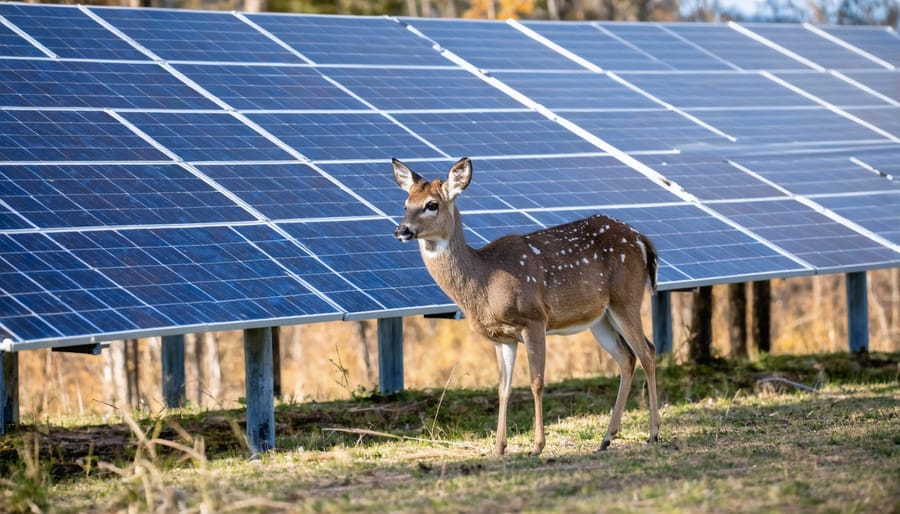
Wildlife behavior near solar installations exhibits distinct patterns of adaptation and response, varying significantly among different species. Research indicates that larger mammals, such as deer and elk, initially show cautious behavior but generally maintain their traditional migration routes when PV arrays are properly designed with wildlife corridors. These corridors ensure minimal disruption to established movement patterns while allowing for efficient solar energy collection.
Birds demonstrate particularly complex interactions with solar infrastructure. Some species utilize the panels as perching spots or nesting locations, while others may initially show confusion due to the polarized light reflection from panel surfaces. Monitoring studies have shown that ground-nesting birds often adapt by establishing territories in the spaces between panel rows, benefiting from the partial shade and protection provided by the installations.
Small mammals and reptiles frequently adapt to the modified habitat beneath and around solar arrays. Ground squirrels, rabbits, and various lizard species have been observed using the shade created by panels as thermal refuge during peak daylight hours. This behavior suggests that solar installations can create microhabitats that support certain wildlife populations, particularly in areas where natural shade is limited.
Insects, especially pollinators, show varying responses to solar infrastructure. While some studies indicate temporary displacement during construction phases, many species return once native vegetation is established between panels. The integration of pollinator-friendly plants in solar installations has proven successful in supporting local insect populations while maintaining optimal panel performance.
To minimize negative impacts on wildlife, monitoring programs and adaptive management strategies are essential components of forest-based solar installations. These programs help identify potential issues early and allow for adjustments in installation design or management practices to better accommodate local wildlife populations.
Ecosystem Benefits of Solar-Forest Integration
Habitat Enhancement Strategies
Enhancing wildlife habitats around photovoltaic installations requires thoughtful planning and implementation of targeted strategies. Creating buffer zones with native vegetation provides essential cover and food sources for local wildlife while supporting solar panel efficiency through reduced dust accumulation and temperature regulation.
Key enhancement strategies include establishing wildlife corridors between fragmented habitats, installing artificial nesting structures for birds and bats, and maintaining diverse plant communities that support pollinators. Strategic placement of rock piles and fallen logs creates microhabitats for small mammals and reptiles, while designated water features provide crucial drinking sources and enhance biodiversity.
Vegetation management plays a vital role in habitat enhancement. Implementing selective mowing schedules that avoid peak breeding seasons and maintaining varying grass heights creates diverse niches for different species. Native wildflower meadows beneath solar arrays support essential pollinator populations while preventing soil erosion.
Integration of these enhancement strategies requires regular monitoring and adaptive management. Collaboration with wildlife biologists and environmental specialists ensures that habitat improvements align with local ecosystem needs while maintaining optimal solar facility operations. This balanced approach demonstrates that renewable energy infrastructure can coexist with and even contribute to healthy forest ecosystems.
Climate Resilience Features
Forest ecosystems demonstrate remarkable resilience through integrated adaptive mechanisms that help them withstand climate change impacts. These natural systems have evolved sophisticated responses to environmental stressors, particularly in climate-changed forest landscapes, where species interactions become increasingly complex.
The resilience features include diverse genetic pools within plant populations, which enable rapid adaptation to changing conditions. Tree species exhibit phenological flexibility, adjusting their growth patterns and reproductive timing to match shifting seasonal patterns. Underground mycorrhizal networks facilitate resource sharing among trees, strengthening community resilience during stress periods.
Animal species contribute to ecosystem resilience through seed dispersal, pollination, and pest control. Mobile species act as ecological connectors, maintaining genetic flow between fragmented forest patches. This mobility helps populations adapt to changing climate conditions by accessing new habitats and resources.
Structural diversity in forest canopies creates microhabitats that buffer temperature extremes and maintain moisture gradients. Multi-layered vegetation provides alternative habitats for species affected by climate stress, while dead wood and organic matter retention enhance water storage capacity and soil stability.
These integrated features work synergistically to maintain ecosystem function despite climate pressures. Understanding these natural resilience mechanisms is crucial for developing effective forest management strategies that support both biodiversity conservation and sustainable energy infrastructure development.
Best Practices for Wildlife-Friendly Solar Design
Layout and Spacing Considerations
Effective layout and spacing in forest ecosystem installations requires careful consideration of wildlife corridors and natural plant growth patterns. The optimal design maintains a minimum of 10-15 meters between solar array clusters to allow for animal movement and native vegetation establishment. These corridors should align with existing animal pathways and natural landscape features.
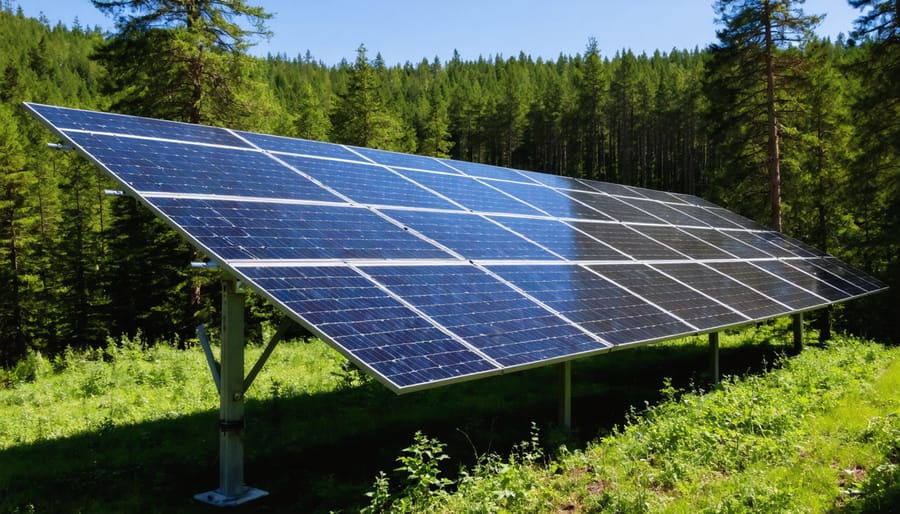
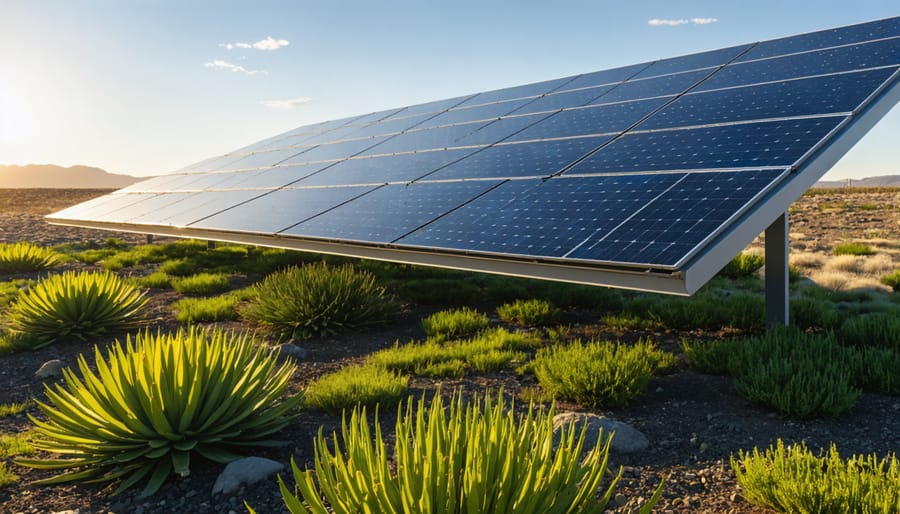
Ground-mounted solar installations benefit from elevated racking systems, typically 0.5-1 meter above ground level, enabling small mammals and reptiles to pass underneath while providing adequate space for low-growing vegetation. The spacing between individual panel rows should account for both solar optimization and vegetation management, generally ranging from 3-6 meters depending on site topography and local species requirements.
Buffer zones of at least 20 meters should be maintained around sensitive habitat areas, incorporating native plant species that support local wildlife. These zones act as transition areas between solar infrastructure and undisturbed forest sections. Strategic placement of wildlife-friendly fencing and the preservation of existing vegetation clusters further enhance ecosystem connectivity while maintaining operational efficiency of the solar installation.
Maintenance Protocols
When maintaining solar installations in forest ecosystems, it’s crucial to implement protocols that protect local flora and fauna while ensuring optimal system performance. Regular maintenance schedules should be planned during seasons when wildlife activity is lower, typically avoiding breeding periods and peak migration times. Technicians must follow designated pathways to minimize soil compaction and vegetation damage.
For weather-resistant PV systems, maintenance crews should use environmentally safe cleaning solutions and avoid harsh chemicals that could harm surrounding plant life. Installing wildlife barriers around critical components helps prevent animal-related system damage while protecting local fauna from electrical hazards.
Vegetation management should focus on selective trimming rather than complete clearing, maintaining natural corridors for wildlife movement. Regular monitoring of animal activity patterns helps identify potential conflict areas and allows for proactive adjustments to maintenance routines. Documentation of wildlife encounters and vegetation changes supports continuous improvement of maintenance protocols while ensuring compliance with environmental regulations and biodiversity preservation goals.
The integration of solar PV installations within forest ecosystems presents both challenges and opportunities for sustainable development. Research has demonstrated that thoughtful implementation can create beneficial synergies between renewable energy generation and habitat preservation. Key findings indicate that proper design considerations, including elevated panels and strategic spacing, can maintain essential wildlife corridors and plant biodiversity. Looking ahead, emerging technologies and improved design methodologies promise to further minimize ecological impacts while maximizing energy generation potential. Continued collaboration between environmental scientists, renewable energy experts, and local stakeholders will be crucial for developing best practices that ensure forest ecosystem health alongside clean energy production. As climate change intensifies, these integrated approaches will become increasingly important for achieving both conservation goals and renewable energy targets.