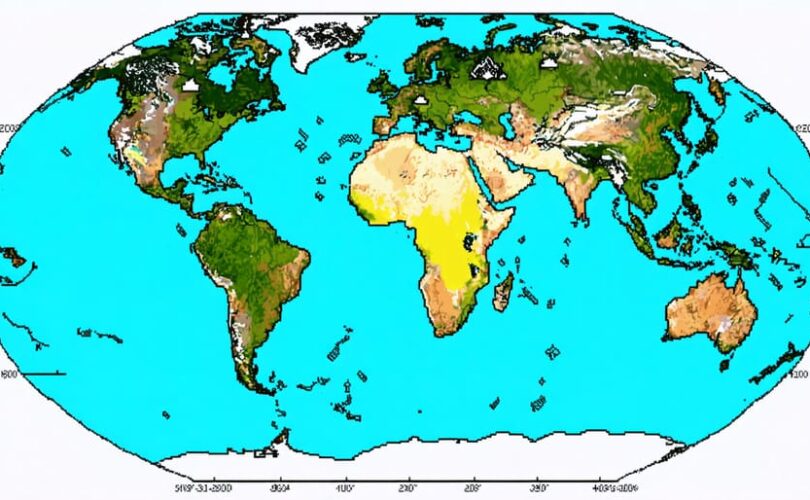
Understanding climate zones revolutionizes how we design and implement weather-proof PV systems across diverse geographical regions. From the scorching heat of tropical zones to the frigid temperatures of polar regions, these nine distinct climate classifications fundamentally shape our approach to solar energy deployment. Each zone presents unique challenges and opportunities for photovoltaic technology, demanding specific engineering solutions and maintenance protocols. The Köppen-Geiger climate classification system – encompassing tropical, dry, temperate, continental, and polar zones – provides the framework necessary for optimizing solar installations worldwide. By mastering these climatic variations, solar professionals can precisely calibrate system designs, select appropriate components, and implement targeted maintenance strategies that maximize energy production while ensuring long-term system reliability. This comprehensive understanding of climate zones forms the cornerstone of successful solar project planning and execution, enabling practitioners to deliver robust solutions that perform consistently across any environmental condition.
Understanding Climate Zone Classifications
Köppen-Geiger Climate Classification System
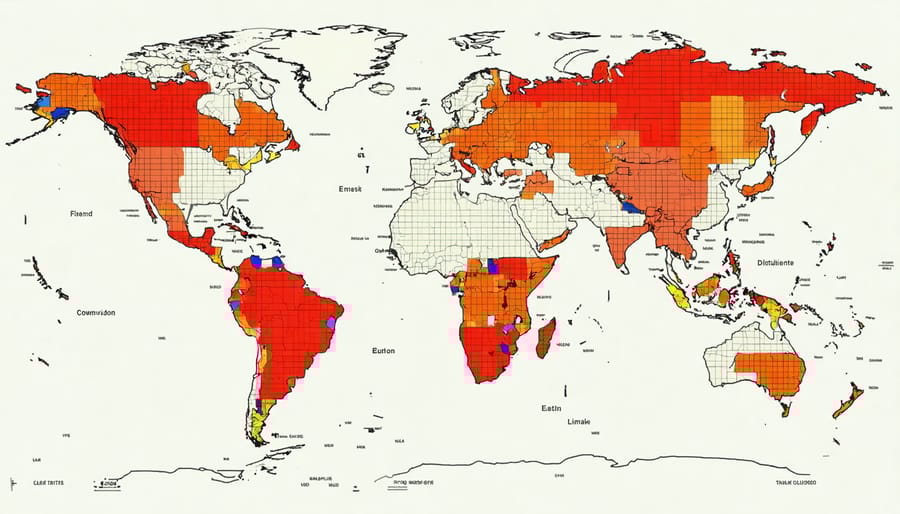
The Köppen-Geiger climate classification system, developed by climatologist Wladimir Köppen and later refined by Rudolf Geiger, provides a standardized framework for categorizing Earth’s climate regions. This widely-adopted system uses temperature, precipitation patterns, and native vegetation to define distinct climate zones, making it particularly valuable for photovoltaic system planning and implementation.
The classification consists of five main climate groups, designated by capital letters (A through E), which are further subdivided based on seasonal precipitation and temperature patterns. Each climate type is represented by a unique code comprising two or three letters, creating a precise identification system for specific regional climates.
For solar energy applications, this classification system helps professionals understand local weather patterns, anticipate environmental challenges, and optimize PV system designs accordingly. It enables accurate predictions of solar radiation levels, temperature variations, and precipitation frequencies, which directly impact solar panel efficiency and maintenance requirements. Engineers and designers use this data to select appropriate equipment specifications and develop climate-specific installation strategies that maximize system performance and longevity.
Key Climate Parameters Affecting PV Systems
Several critical climate parameters significantly influence the performance and longevity of photovoltaic systems. Temperature plays a paramount role, as higher ambient temperatures reduce PV module efficiency and accelerate component degradation. Solar irradiance levels directly affect energy generation potential, while humidity can impact system performance and contribute to accelerated aging of components.
Precipitation patterns, including rainfall and snowfall, influence system design considerations and maintenance requirements. Heavy snowfall necessitates robust mounting structures and may require special maintenance protocols. Wind speed and direction affect both structural requirements and cooling efficiency of PV modules. Salt spray in coastal areas and dust accumulation in arid regions can diminish panel efficiency and necessitate specific cleaning regimens.
Additionally, the frequency and intensity of extreme weather events, such as hailstorms and hurricanes, must be considered during system design. Atmospheric pollution levels and aerosol content can reduce solar radiation reaching the panels. Understanding these parameters enables engineers to optimize system design, select appropriate components, and implement effective maintenance strategies for each specific climate zone.
Climate-Specific Challenges and Solutions
Tropical Zones
Tropical zones present unique challenges for photovoltaic installations due to their distinctive combination of high temperatures and elevated humidity levels. These regions typically experience average temperatures above 25°C (77°F) year-round, coupled with relative humidity often exceeding 80%. Such conditions can significantly impact solar panel efficiency and longevity, potentially reducing power output by 10-25% compared to standard test conditions. The constant exposure to moisture requires specialized equipment designs featuring enhanced encapsulation and corrosion-resistant materials. Additionally, tropical environments often experience frequent rainfall and cloud cover patterns that necessitate careful system sizing and backup power considerations. To maintain optimal performance, PV systems in tropical zones require regular maintenance schedules and specific installation techniques that promote adequate ventilation and moisture protection.
Arid Zones
Arid zones present unique challenges for photovoltaic installations, characterized by extreme temperatures, frequent dust storms, and minimal rainfall. These conditions necessitate specialized harsh climate adaptations to maintain optimal system performance. High ambient temperatures can reduce panel efficiency by up to 25%, while dust accumulation may decrease energy yield by 40% if left unmanaged. Successful installations in these regions typically incorporate elevated mounting systems for better airflow, automated cleaning mechanisms, and specialized heat-resistant components. Regular maintenance protocols must focus on dust removal, thermal management, and protection against sand erosion. Anti-soiling coatings and strategic panel positioning can significantly reduce cleaning frequency and improve overall system reliability in these challenging environments.
Mediterranean Zones
Mediterranean climate zones present distinct seasonal variations that significantly impact PV system performance. These regions experience hot, dry summers and mild, wet winters, requiring careful consideration in system design. During summer months, high temperatures can reduce panel efficiency, necessitating adequate ventilation and temperature management solutions. Winter periods bring intermittent rainfall and occasional dust storms, demanding robust mounting structures and self-cleaning panel configurations.
Optimal system design in Mediterranean zones typically involves slightly elevated tilt angles to maximize winter production when energy demand is higher. Integration of weather monitoring systems and smart inverter technology helps manage seasonal fluctuations effectively. Installation spacing must account for both summer heat dissipation and winter shadow patterns to maintain consistent energy yield throughout the year.
Snow Zones
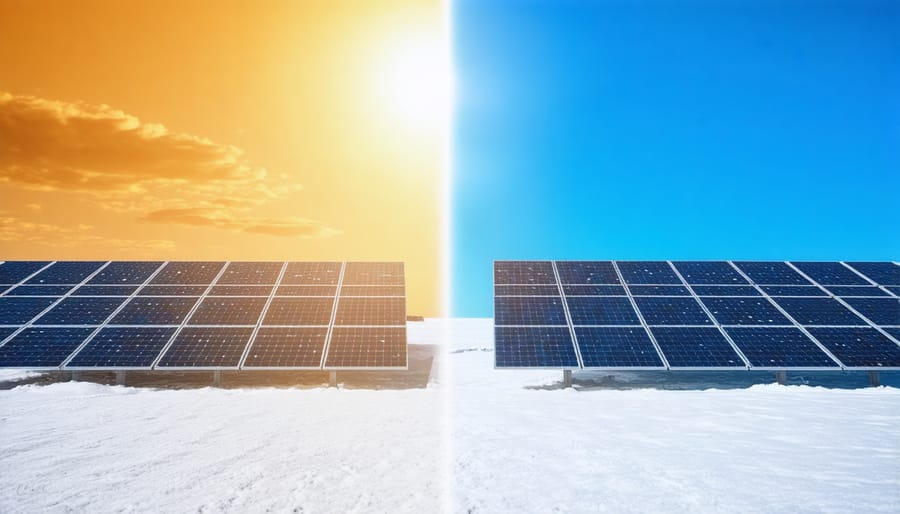
Snow zones present unique challenges for photovoltaic installations, primarily due to snow accumulation and extreme cold conditions. These regions require careful consideration of structural load capacity, as snow can add significant weight to solar arrays. Proper system design must account for maximum snow loads, typically ranging from 30 to 100 pounds per square foot, depending on location and elevation.
To maintain optimal performance in snow zones, installations often incorporate steeper tilt angles (typically 35-45 degrees) to facilitate natural snow shedding. System designers must also consider the use of reinforced mounting structures and snow guards to prevent sudden snow slides that could damage equipment or pose safety hazards.
Thermal cycling between freezing and thawing conditions can stress system components, necessitating the use of cold-weather-rated materials and enhanced weatherproofing measures. Regular monitoring and maintenance become particularly crucial during winter months to ensure system reliability and performance optimization.
Polar Zones
Polar zones present unique challenges for photovoltaic installations due to their extreme cold temperatures, limited sunlight hours, and seasonal darkness. These regions experience temperatures below -40°C and extended periods without direct sunlight during winter months. To maximize solar energy generation, systems must incorporate specialized cold-resistant components and enhanced tilt angles to capture low-angle sunlight effectively.
Successful polar installations typically utilize bifacial panels to harness reflected light from snow surfaces, increasing overall system efficiency. Anti-snow technologies, such as hydrophobic coatings and heating elements, prevent snow accumulation on panels. Energy storage solutions become crucial, requiring cold-resistant batteries and robust insulation systems to maintain operational efficiency during dark winter periods.
Despite these challenges, advances in cold-climate solar technology have made photovoltaic systems increasingly viable in polar regions, particularly during summer months when 24-hour daylight can provide substantial energy generation potential.
Temperate Zones
Temperate zones represent regions with moderate climate conditions, characterized by distinct seasonal changes and balanced temperature variations throughout the year. These zones typically experience four well-defined seasons, with average temperatures ranging between 10°C and 20°C (50°F to 68°F). Precipitation is generally evenly distributed across seasons, supporting diverse vegetation and optimal conditions for solar installations.
For photovoltaic applications, temperate zones offer favorable conditions due to their predictable weather patterns and moderate solar radiation levels. The balanced climate reduces extreme thermal stress on PV components while maintaining consistent energy production capabilities. However, system designers must account for seasonal variations in day length and solar angle, implementing appropriate tilt angles and spacing configurations to maximize year-round energy yield.
These regions often require less robust weather protection compared to extreme climate zones, though proper waterproofing and temperature regulation systems remain essential for optimal performance and longevity.
Continental Zones
Continental zones present unique challenges for photovoltaic installations due to their dramatic temperature fluctuations between seasons. These regions experience hot summers and cold winters, requiring robust system designs that can withstand thermal cycling stress. Solar panels must be selected with temperature coefficients that optimize performance across wide temperature ranges, typically -30°C to 40°C.
Installation strategies focus on temperature-resistant mounting systems and flexible racking solutions that accommodate thermal expansion and contraction. Inverter placement becomes critical, with indoor installations preferred to protect equipment from extreme temperature variations. Regular maintenance schedules must account for seasonal transitions, with particular attention to snow load management in winter and cooling system efficiency during peak summer months.
Smart monitoring systems prove essential in continental zones, enabling real-time performance tracking and rapid response to temperature-related efficiency changes. These measures ensure consistent energy production despite challenging climatic conditions.
Oceanic Zones
Oceanic zones present unique challenges for photovoltaic systems due to high moisture levels and salt spray exposure. These coastal environments require specialized protection strategies to ensure long-term system reliability. Coastal solar installations must incorporate corrosion-resistant materials and enhanced protective coatings to combat salt-air degradation. Key considerations include marine-grade stainless steel mounting hardware, double-layer protective coatings on metal components, and sealed junction boxes with IP65 or higher ratings. Regular maintenance protocols should address salt deposit removal and coating integrity checks. Success in these zones depends on implementing comprehensive moisture management systems and selecting components specifically engineered for maritime environments.
Highland Zones
Highland zones present unique challenges for photovoltaic installations due to their distinct atmospheric conditions and temperature variations. These regions, typically situated above 1,500 meters, experience thinner air density and increased solar radiation intensity, significantly impacting high altitude solar performance. The substantial daily temperature fluctuations in highland environments require careful consideration of thermal cycling effects on PV components and mounting structures. Solar installers must account for reduced air density, which affects heat dissipation and module cooling efficiency. Additionally, these zones often experience extreme weather conditions, including high UV exposure, strong winds, and potential snow loads, necessitating robust system designs and specialized mounting solutions to ensure optimal performance and longevity of solar installations.
System Design and Component Selection
Climate-Specific Module Selection
Selecting appropriate PV modules for specific climate zones is crucial to optimize solar panel efficiency and ensure long-term system performance. In hot, arid climates, modules with lower temperature coefficients and enhanced heat dissipation properties are essential. Thin-film technologies often perform better than crystalline silicon in these conditions due to their superior temperature tolerance.
For tropical regions with high humidity and frequent rainfall, modules with robust encapsulation and enhanced moisture resistance are recommended. Look for IP68-rated junction boxes and specialized EVA formulations that prevent delamination and potential-induced degradation (PID).
In cold climates, modules must withstand heavy snow loads and extreme temperature variations. Bifacial modules can be particularly effective, capturing reflected light from snow while their robust construction handles mechanical stress. Glass-glass modules offer excellent durability in these conditions.
Coastal areas require modules with enhanced corrosion resistance and specialized frame coatings to protect against salt spray. Desert environments benefit from modules with anti-soiling coatings and reinforced construction to withstand sandstorms.
For temperate zones, standard modules with proven track records are typically suitable, though consideration should be given to seasonal temperature variations and local weather patterns. Always verify that selected modules meet IEC standards appropriate for the installation location and have relevant climate-specific certifications.
Mounting and Support Structures
The selection of appropriate mounting and support structures across different climate zones requires careful consideration of local environmental conditions and regulatory requirements. In regions with heavy snowfall, racking systems must be engineered to withstand substantial snow loads, typically utilizing reinforced mounting rails and increased structural support points. Conversely, areas prone to high winds necessitate aerodynamic designs and additional ballast or anchor points to ensure system stability.
Coastal environments demand corrosion-resistant materials, such as marine-grade aluminum or stainless steel components, to combat salt spray degradation. Hot desert climates require mounting systems with thermal expansion capabilities and heat-resistant materials to prevent warping and structural fatigue.
Ground-mounted systems in areas with unstable soil conditions may require deep foundation solutions or helical piles, while roof-mounted installations must account for local building codes and roof load capacities. Seismic zones demand additional bracing and flexible mounting solutions to accommodate ground movement.
The integration of tilt angles specific to geographical location optimizes energy yield, with adjustable mounting systems offering advantages in regions with significant seasonal variations. Installation methods must also consider accessibility for maintenance and cleaning, particularly in areas with high dust accumulation or frequent severe weather events.
For all installations, compliance with local building codes and wind load calculations remains paramount, ensuring long-term structural integrity across diverse climatic conditions.
Maintenance and Monitoring Strategies
Preventive Maintenance Schedules
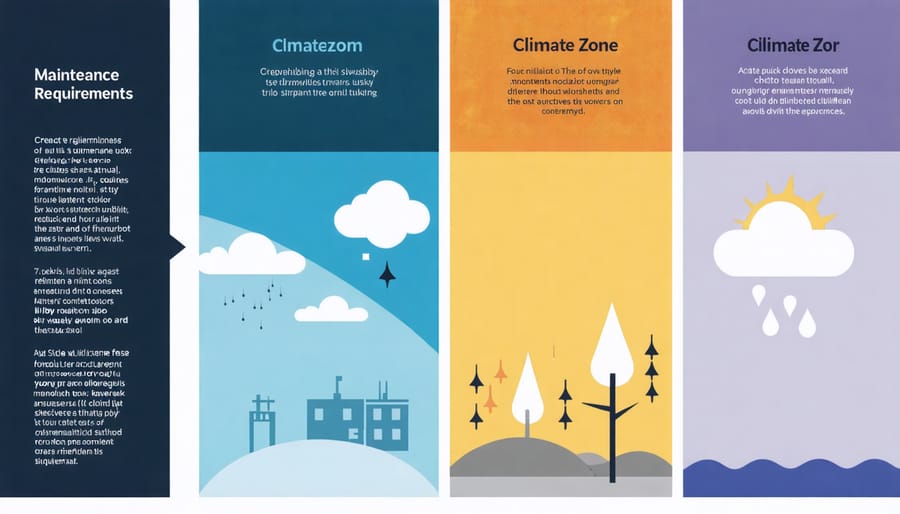
Effective preventive maintenance schedules must be tailored to the specific challenges presented by each climate zone to ensure optimal photovoltaic system performance. In tropical zones, monthly panel cleaning and quarterly inspection of moisture-related issues are essential due to high rainfall and humidity. Desert environments require bi-weekly dust removal and monthly thermal stress assessments to prevent efficiency losses.
For temperate zones, seasonal maintenance checks focusing on leaf debris removal in autumn and snow load management in winter are recommended. Mediterranean regions benefit from quarterly cleaning schedules with enhanced monitoring during pollen seasons. Continental climate zones need robust bi-annual structural inspections due to extreme temperature variations.
Subtropical regions require monthly vegetation management and corrosion monitoring due to high humidity levels. In polar zones, specialized snow removal protocols and monthly thermal cycling stress checks are crucial. Marine environments demand monthly salt deposit removal and quarterly corrosion inspections. Highland regions require particular attention to wind damage with monthly structural integrity checks.
Each maintenance schedule should include detailed documentation of performed tasks, system performance metrics, and environmental conditions to optimize long-term operation and reliability.
Performance Monitoring Systems
Effective performance monitoring systems are essential for optimizing solar installations across different climate zones. These systems typically combine environmental sensors, data logging equipment, and advanced analytics software to track key performance indicators. Weather stations equipped with pyranometers measure solar irradiance, while temperature sensors monitor both ambient conditions and module temperatures. Humidity sensors and anemometers provide crucial data about moisture levels and wind speeds, respectively.
Modern monitoring platforms integrate these measurements with real-time power output data, enabling system operators to detect performance issues quickly. Remote monitoring capabilities allow for immediate response to environmental challenges, such as snow accumulation in cold climates or dust buildup in arid zones. Performance ratio calculations, specific to each climate zone’s characteristics, help determine whether systems are operating at expected efficiency levels.
Data collected through these monitoring systems supports predictive maintenance schedules and helps optimize cleaning cycles based on local environmental conditions. This information is particularly valuable for large-scale installations where manual inspection of all components would be impractical and time-consuming.
Understanding and adapting to the distinct characteristics of the nine climate zones is crucial for optimizing photovoltaic system performance and longevity. Each zone presents unique challenges and opportunities that directly impact solar installation design, equipment selection, and maintenance protocols. From the extreme temperature variations in continental climates to the high humidity levels in tropical regions, these environmental factors significantly influence system efficiency and durability.
The successful implementation of solar projects requires careful consideration of zone-specific factors such as precipitation patterns, temperature ranges, solar radiation levels, and atmospheric conditions. This knowledge enables practitioners to make informed decisions about panel orientation, mounting systems, and protective measures against environmental stresses.
Industry professionals must recognize that climate-specific adaptations go beyond mere equipment selection. They encompass comprehensive strategies including appropriate system sizing, thermal management solutions, and preventive maintenance schedules tailored to local conditions. These adaptations ensure optimal energy yield while maximizing system lifespan and return on investment.
Moreover, climate zone considerations influence technological innovations in photovoltaic equipment design and installation methodologies. Manufacturers continue to develop specialized solutions for different climatic challenges, from enhanced UV protection in high-altitude regions to corrosion-resistant components for coastal areas.
As the solar industry evolves, the importance of climate-zone-specific expertise becomes increasingly evident. Professionals must stay informed about regional climate patterns and their implications for photovoltaic installations. This knowledge enables the development of resilient, efficient solar energy systems that perform reliably across diverse environmental conditions, contributing to the broader adoption of sustainable energy solutions worldwide.