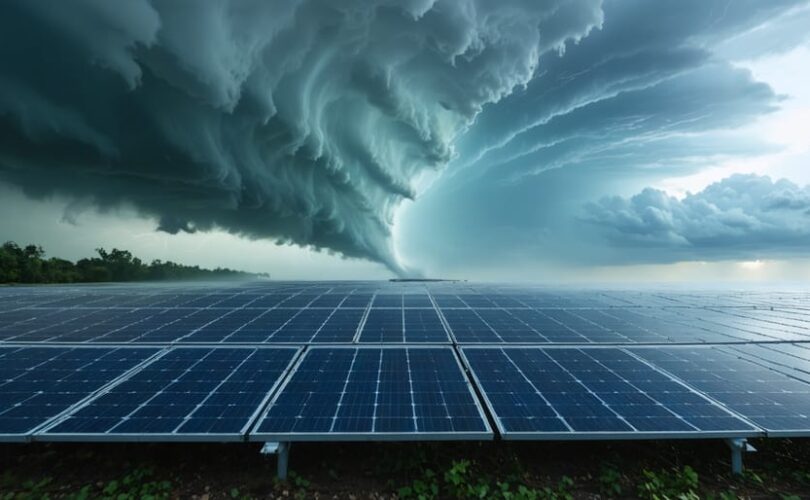
As coastal regions face intensifying storms and extreme weather events, the development of hurricane-proof solar installations has become crucial for sustainable energy resilience. Advanced engineering and robust materials now enable solar arrays to withstand Category 5 hurricane winds exceeding 157 mph, while innovative mounting systems automatically adjust panel angles to minimize wind resistance during severe weather events. These technological breakthroughs represent a significant advancement in renewable energy infrastructure, particularly for vulnerable coastal communities where traditional solar installations once posed considerable risk.
Recent collaborations between leading solar manufacturers and structural engineering firms have yielded breakthrough designs that integrate reinforced aluminum frames, tempered glass that exceeds industry impact standards, and sophisticated wind-load distribution systems. These innovations ensure continuous power generation even under extreme conditions, marking a pivotal shift in how we approach renewable energy infrastructure in hurricane-prone regions. For facility managers, energy consultants, and property owners, these advancements offer a reliable pathway to sustainable power generation without compromising on system durability or performance during severe weather events.
Understanding Hurricane Forces on Solar Installations
Wind Load Dynamics
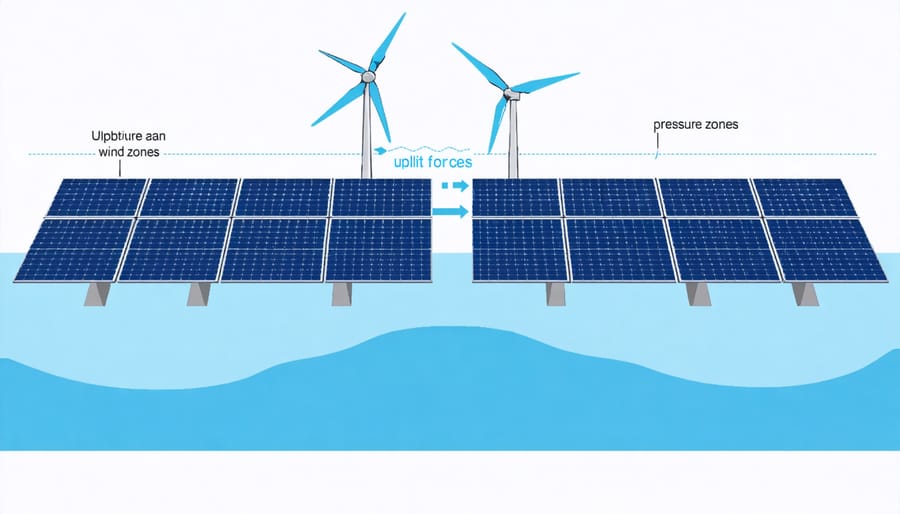
Solar panels in hurricane-prone regions must withstand complex wind load dynamics that can potentially compromise system integrity. Wind forces primarily affect PV installations through uplift, downforce, and lateral loads, with their intensity varying based on factors such as installation height, panel tilt angle, and array configuration.
During hurricane conditions, wind speeds can exceed 157 mph, creating significant pressure differentials above and below solar panels. This differential pressure generates uplift forces that can exceed 50 pounds per square foot, potentially causing panel separation from mounting systems. Additionally, turbulent airflow patterns around panel edges create vortices that amplify these forces.
The aerodynamic behavior of solar arrays is further influenced by their position relative to wind direction. Edge and corner panels typically experience higher wind loads than centrally located modules. Modern wind engineering studies have shown that maintaining optimal panel spacing and implementing aerodynamic deflectors can significantly reduce these forces.
Understanding these dynamics is crucial for designing mounting systems with appropriate load capacity and selecting panels with verified wind resistance ratings. Engineers must account for both steady-state wind conditions and peak gust loads when calculating structural requirements for hurricane-resistant installations.
Impact of Flying Debris
Flying debris poses one of the most significant threats to solar installations during hurricanes, necessitating robust design considerations and adherence to strict impact testing standards. Solar panels must withstand projectiles traveling at velocities up to 110 mph (177 km/h) to meet certification requirements in hurricane-prone regions.
Testing protocols typically involve launching standardized projectiles, such as 2×4 lumber pieces and steel balls, at solar panels under controlled conditions. These tests evaluate both the structural integrity of the panel and its ability to maintain electrical production after impact. The most widely accepted standards require panels to resist both large missile impacts, simulating heavy debris, and small missile impacts that replicate wind-borne particles.
Modern hurricane-resistant panels incorporate tempered glass, reinforced frames, and specialized lamination techniques to enhance impact resistance. These design elements work together to prevent catastrophic failure and maintain the panel’s protective envelope, even when struck by substantial debris. Regular inspection and maintenance of mounting systems further ensure the panels retain their protective capabilities throughout their operational lifetime.
Essential Design Features for Hurricane Resistance
Mounting System Innovations
Modern hurricane-resistant solar installations rely heavily on advanced mounting systems that provide crucial stability during extreme weather events. These innovative mounting solutions combine robust engineering principles with cutting-edge materials to create secure foundations for solar arrays.
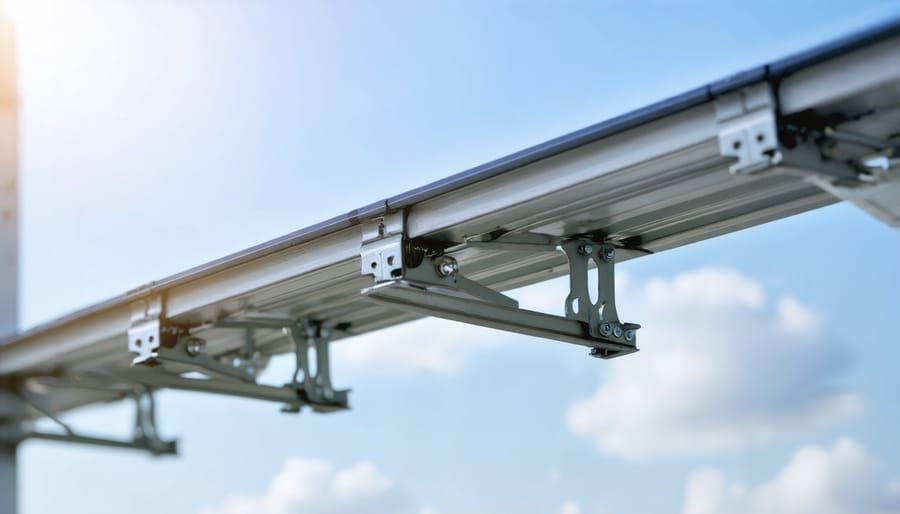
The industry has moved beyond traditional rail-mounted systems to incorporate dynamic load-bearing designs that distribute force more effectively across the entire array. Aerodynamic mounting frames utilize wind-tunnel tested configurations that reduce uplift forces by up to 30% compared to conventional designs. These frames often feature specialized clamps and brackets manufactured from marine-grade aluminum or stainless steel, offering superior corrosion resistance in coastal environments.
Particularly noteworthy are the micro-rail systems that provide multiple anchor points while maintaining a low profile. These systems incorporate flexible mounting hardware that allows panels to slightly adjust their position under high wind loads, reducing the overall stress on the array. Advanced shock absorbers and dampening mechanisms further enhance system resilience by minimizing vibration transfer during hurricane-force winds.
Recent innovations include smart mounting systems with integrated sensors that monitor structural integrity and wind loads in real-time. These systems can automatically adjust panel angles during extreme weather events to minimize wind resistance and protect the installation. The development of these intelligent mounting solutions represents a significant advancement in solar panel hurricane protection, offering both enhanced durability and operational efficiency.
Panel Construction Technology
Modern resilient solar panel technologies incorporate advanced materials and structural improvements to withstand extreme weather conditions. Manufacturers now utilize reinforced glass with enhanced mechanical strength, typically featuring tempered or laminated construction that’s up to four times stronger than traditional solar panel glass.
The frame architecture has evolved to include robust aluminum alloys with specialized corner keys and additional support bars. These frames are designed with advanced stress distribution patterns to disperse wind loads more effectively across the entire panel surface. Many manufacturers have also implemented deeper frame profiles, ranging from 40mm to 50mm, providing superior rigidity and structural integrity.
Advanced polymer encapsulation materials, such as modified EVA (Ethylene Vinyl Acetate) and POE (Polyolefin Elastomer), offer improved adhesion and weather resistance. These materials maintain their protective properties even under extreme temperature fluctuations and prolonged UV exposure.
The backsheet construction has also seen significant improvements, with multi-layer fluoropolymer compositions replacing traditional materials. These new compositions provide enhanced moisture protection and mechanical durability while maintaining optimal heat dissipation properties.
Junction boxes are now engineered with reinforced mounting systems and improved waterproofing capabilities, often achieving IP68 ratings for maximum protection against water ingress and environmental factors. The mounting points are strategically positioned to optimize load distribution during high-wind events.
Installation Best Practices
Anchoring Techniques
Secure anchoring is crucial for solar panel installations in hurricane-prone regions. The primary anchoring technique involves using heavy-duty mounting rails with reinforced attachment points, typically spaced at 16-inch intervals for optimal load distribution. These rails must be fastened directly to the roof’s structural members, not just the decking, using specialized lag bolts rated for high wind conditions.
For maximum stability, installers should implement a four-point mounting system with additional mid-panel supports. Each mounting point requires stainless steel bolts with a minimum diameter of 3/8 inches, along with lock washers and nuts torqued to manufacturer specifications. Wind deflectors or skirts can be integrated into the mounting system to reduce uplift forces.
Load distribution plates or rails spanning multiple rafters help spread the force across a wider area, reducing stress on individual attachment points. Professional installers utilize torque-specific tools to ensure consistent bolt tension across all mounting points. Regular inspection of these anchor points is essential, particularly before and after severe weather events.
Supplementary bracing may be necessary for arrays installed in areas experiencing wind speeds exceeding 140 mph. These additional supports should be engineered specifically for the installation site’s wind zone classification and local building codes.
Position and Orientation Strategies
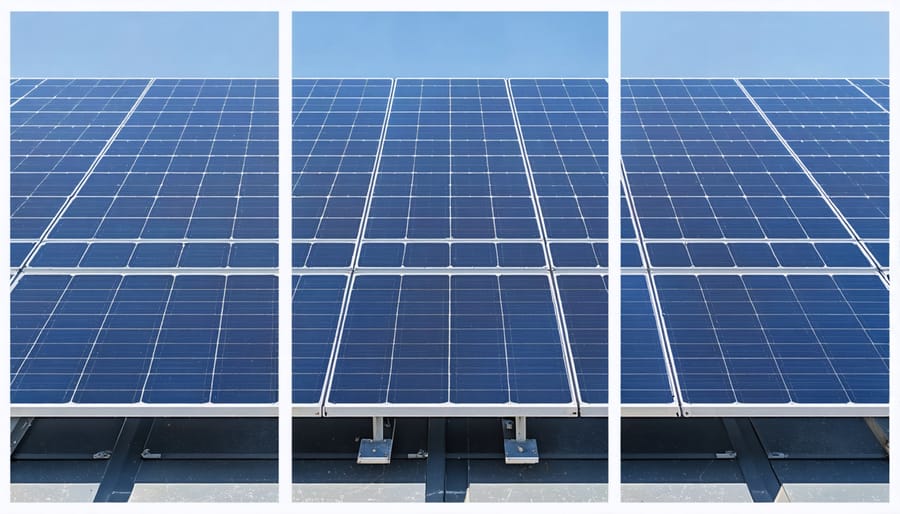
The strategic positioning and orientation of solar panels play a crucial role in their ability to withstand hurricane-force winds while maintaining optimal energy production. Research indicates that panels installed at a 10-15 degree tilt angle experience significantly less wind uplift compared to those mounted at steeper angles. This lower profile reduces the surface area exposed to strong winds while still allowing sufficient water runoff and self-cleaning capabilities.
Panel arrays should be oriented to minimize wind resistance by implementing proper spacing between rows. This spacing creates channels for wind flow, reducing the overall pressure on the installation. Edge panels are particularly vulnerable to wind forces and require additional reinforcement and specialized mounting hardware.
Wind tunnel testing has demonstrated that positioning panels in a landscape orientation, rather than portrait, can reduce wind loads by up to 25%. Additionally, installing wind deflectors or aerodynamic skirts around the perimeter of the array helps redirect airflow and minimize uplift forces.
Ground-mounted systems should be positioned to account for local wind patterns and topographical features. When possible, natural windbreaks such as trees or buildings can provide additional protection, though careful consideration must be given to maintain safe distances that prevent damage from falling debris during storms.
Certification and Testing Standards
Industry Certifications
Solar panels designated as hurricane-resistant must meet rigorous certification standards established by leading industry organizations. The UL 2703 certification serves as a fundamental requirement, evaluating the structural integrity of mounting systems and their ability to withstand extreme wind loads. This certification includes comprehensive testing of both the panels and their mounting hardware under simulated hurricane conditions.
The Florida Building Code (FBC) certification is particularly significant, as it specifically addresses high-velocity hurricane zones (HVHZ). Solar installations in Florida must meet the stringent requirements of the FBC, including wind resistance ratings of up to 180 mph in certain coastal regions.
The International Building Code (IBC) also provides crucial certification guidelines, requiring solar installations to withstand specific wind loads based on geographical location and installation height. Additionally, the American Society of Civil Engineers (ASCE 7) standard outlines precise calculations for wind loads that PV systems must endure.
Many manufacturers also pursue certification from TÜV Rheinland, an internationally recognized testing organization that evaluates solar panels for extreme weather resistance. Their certification process includes rigorous mechanical load testing, simulating hurricane-force winds and impact from wind-borne debris. These certifications ensure that solar installations maintain their structural integrity and continue functioning even under severe weather conditions.
Performance Testing Methods
Performance testing for hurricane-resistant solar panels involves rigorous procedures conducted in specialized facilities to validate their durability and reliability under extreme weather conditions. The primary testing methods include wind tunnel testing, impact resistance evaluation, and cyclic load assessment.
Wind tunnel testing simulates hurricane-force winds up to 180 mph, examining the panels’ aerodynamic performance and structural integrity. During these tests, sensors measure wind pressure distribution, uplift forces, and potential stress points across the module surface and mounting system.
Impact resistance testing evaluates the panels’ ability to withstand wind-borne debris. This involves launching standardized projectiles at various velocities toward the panel surface, simulating real-world conditions during hurricanes. The panels must maintain their structural integrity and electrical functionality after impact to meet certification requirements.
Cyclic load testing subjects panels to repeated pressure variations, replicating the dynamic forces experienced during hurricane conditions. This process typically involves thousands of pressure cycles to verify long-term durability.
Testing protocols adhere to international standards, including the IEC 61215 certification and Florida Building Code requirements. Manufacturers must demonstrate compliance through third-party testing laboratories, ensuring their products meet or exceed these stringent performance criteria. Documentation of test results and certification is essential for product approval in hurricane-prone regions.
Maintenance and Inspection Protocols
Regular maintenance of hurricane-resistant solar panel systems is crucial for ensuring optimal performance and structural integrity during extreme weather events. A comprehensive maintenance protocol includes quarterly inspections of mounting hardware, panel surfaces, and electrical connections, with increased frequency in regions prone to severe weather.
Pre-hurricane season inspections should be conducted at least 60 days before the typical storm season begins. This assessment must include thorough examination of mounting brackets, torque verification of all fasteners, and evaluation of panel clamps. Special attention should be given to edge panels, which experience higher wind loads during storms.
Key maintenance tasks include:
– Verification of proper panel alignment and tilt angles
– Inspection of waterproof seals and flashing
– Assessment of grounding connections
– Documentation of panel condition through photographs
– Testing of emergency shutdown systems
– Cleaning of drainage channels and removal of debris
Professional installers should perform annual certification inspections to verify compliance with wind-load requirements and local building codes. These inspections should include pull-testing of anchors and verification of mounting system integrity.
System owners must maintain detailed maintenance logs documenting all inspections, repairs, and modifications. These records are essential for warranty purposes and insurance claims following severe weather events.
Post-storm inspections are equally important, focusing on identifying any structural weaknesses or damage that may have occurred. This includes checking for micro-cracks, displaced modules, or compromised mounting points that could affect system performance or safety.
Following manufacturer-specified maintenance schedules and using certified technicians for inspections ensures long-term system reliability and maintains warranty coverage for hurricane-resistant installations.
The implementation of hurricane-resistant solar panel systems represents a critical advancement in renewable energy infrastructure, particularly in regions prone to extreme weather events. Through careful consideration of mounting systems, frame reinforcement, and advanced materials, these systems demonstrate remarkable resilience while maintaining optimal energy production capabilities. The integration of wind tunnel-tested designs, robust racking systems, and sophisticated monitoring technologies ensures both system longevity and reliable performance during severe weather conditions.
The investment in hurricane-resistant solar installations proves invaluable when considering the long-term costs of system replacement and repair. By incorporating these protective measures during initial design and installation phases, stakeholders can significantly reduce maintenance expenses while ensuring consistent energy generation. This approach not only protects valuable renewable energy assets but also contributes to grid stability during extreme weather events.
As climate patterns continue to evolve, the importance of hurricane-resistant solar technology becomes increasingly evident. Forward-thinking designs that prioritize structural integrity without compromising efficiency will remain essential for sustainable energy development. This balance between durability and performance establishes a new standard for photovoltaic installations in hurricane-prone regions, ensuring a more resilient and sustainable energy future.