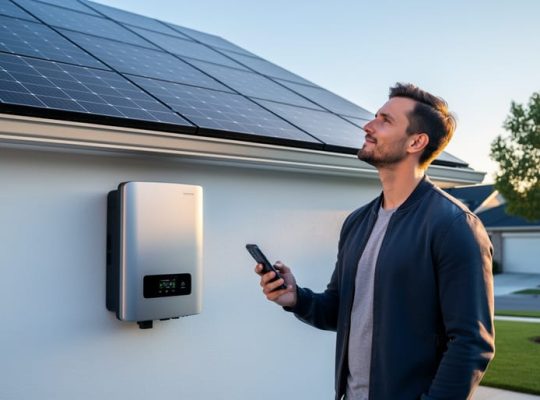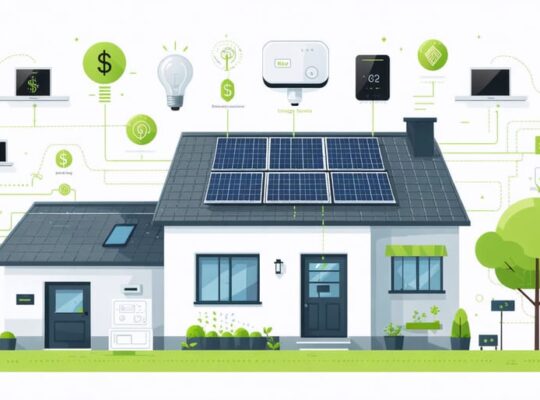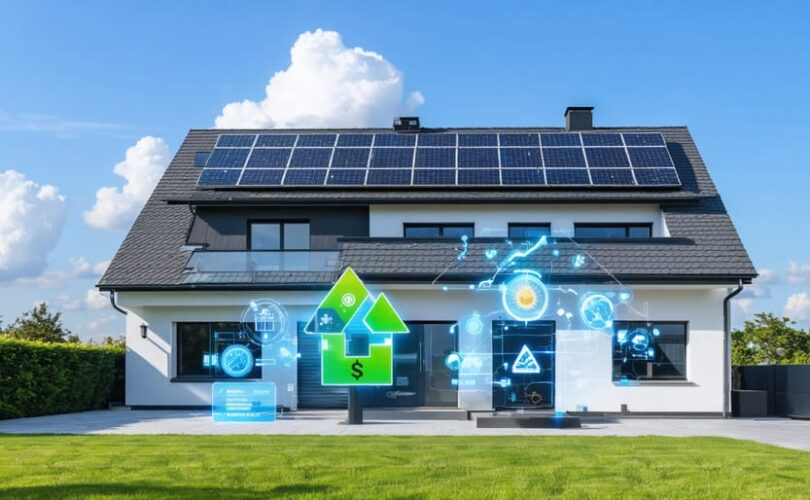
Transform your home into an energy-efficient powerhouse by integrating smart thermostats, automated lighting controls, and advanced HVAC systems that can cut your energy bills by up to 30%. Modern efficiency upgrades leverage IoT technology to optimize energy consumption through real-time monitoring and automated adjustments, delivering substantial returns on investment while reducing environmental impact.
Strategic implementation of home efficiency solutions combines building envelope improvements—including advanced insulation materials and high-performance windows—with intelligent energy management systems that adapt to occupancy patterns and weather conditions. These integrated solutions create a synergistic effect, maximizing energy savings while enhancing comfort and property value.
Professional energy audits reveal that properly implemented efficiency upgrades can reduce household energy consumption by 25-50%, with smart home technologies playing an increasingly crucial role in achieving these savings. Leading manufacturers now offer seamless integration between renewable energy systems and home automation platforms, creating comprehensive energy management solutions that optimize performance across all household systems.
Smart Solar Integration for Maximum Savings
Solar PV System Monitoring Solutions
Modern solar PV monitoring solutions enable homeowners to track and maximize solar panel efficiency through real-time data analysis and performance metrics. These sophisticated systems typically comprise smart meters, data loggers, and user-friendly monitoring platforms that provide comprehensive insights into energy production and consumption patterns.
Key components of these monitoring solutions include production monitoring, which tracks the total energy generated by your solar array; consumption monitoring, which measures household energy usage; and performance ratio analysis, which evaluates system efficiency against expected output. Advanced systems also feature remote monitoring capabilities, allowing users to access their solar system data through mobile applications or web portals.
Many modern monitoring platforms incorporate predictive analytics and automated alert systems that can identify potential issues before they significantly impact system performance. These systems can detect anomalies such as unexpected drops in production, inverter malfunctions, or panel degradation, enabling proactive maintenance and ensuring optimal system operation.
Integration with home energy management systems (HEMS) further enhances monitoring capabilities by providing detailed energy flow visualization and automated optimization recommendations. This integration enables intelligent load scheduling and helps homeowners make informed decisions about their energy usage patterns, ultimately leading to improved system efficiency and reduced energy costs.
Automated Energy Management Systems
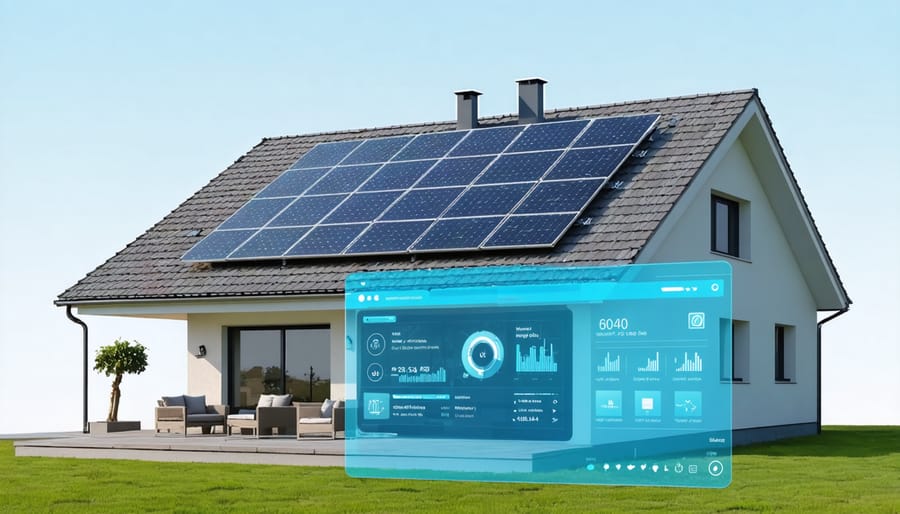
Automated Energy Management Systems (AEMSs) represent a significant advancement in home energy efficiency, particularly when integrated with solar power systems. These sophisticated controllers utilize artificial intelligence and machine learning algorithms to optimize energy consumption patterns while maximizing solar power utilization.
Modern AEMSs monitor real-time energy production from solar panels alongside household consumption patterns, automatically adjusting power distribution to minimize waste. The system can prioritize running high-consumption appliances during peak solar production hours and regulate energy storage in battery systems for optimal utilization during non-productive periods.
Key features of these systems include predictive analytics that factor in weather forecasts, historical usage patterns, and time-of-use electricity rates. This enables intelligent load scheduling, where non-essential operations are automatically shifted to times of abundant solar generation or lower grid electricity costs.
The integration capabilities extend to smart thermostats, automated lighting systems, and major appliances through standardized protocols. This interconnected ecosystem allows for granular control over energy consumption, with some systems achieving energy savings of 20-30% compared to conventional setups.
For maximum efficiency, these systems often incorporate mobile applications that provide real-time monitoring and remote control capabilities. Users can track their energy production, consumption, and savings while receiving actionable insights for further optimization. This data-driven approach ensures continuous improvement in household energy management while maintaining comfort levels and reducing environmental impact.
Intelligent Climate Control Technologies
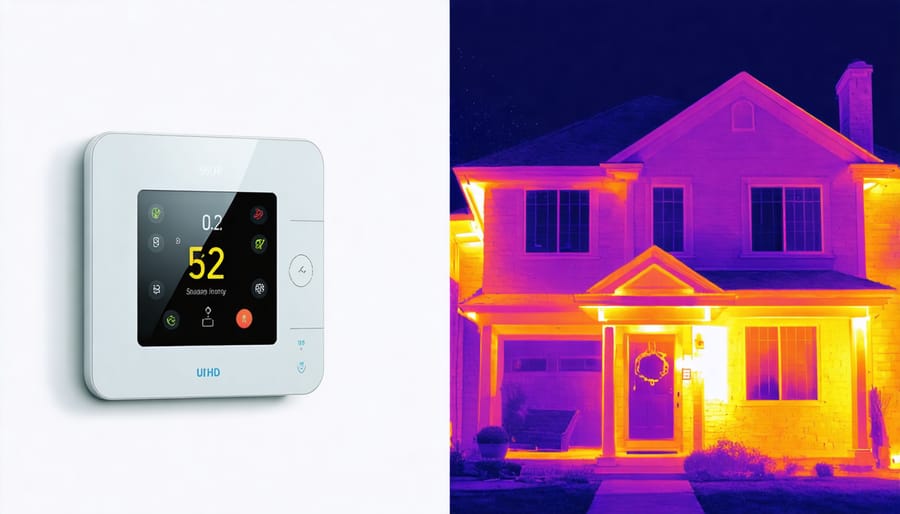
Smart Thermostats and Zone Control
Smart thermostats and zone control systems represent a significant advancement in home climate management technology. These intelligent devices offer precise temperature control while optimizing energy consumption through automated scheduling and learning capabilities. The benefits of smart thermostats include reduced energy waste, enhanced comfort, and substantial cost savings on heating and cooling bills.
Zone control systems complement smart thermostats by dividing the home into distinct temperature zones, each independently controlled. This segmentation allows for customized temperature settings in different areas, eliminating the inefficiency of heating or cooling unused spaces. Modern systems incorporate motion sensors and occupancy detection to automatically adjust settings based on room usage patterns.
Integration with mobile applications enables remote temperature management and provides detailed energy consumption analytics. These systems can also interface with other smart home devices and renewable energy systems, creating a comprehensive energy management solution. Advanced algorithms analyze historical usage data, weather forecasts, and occupancy patterns to optimize temperature settings automatically.
The return on investment for these systems typically manifests within 12-24 months through reduced energy consumption, with some households reporting up to 23% savings on their annual HVAC operating costs.
AI-Powered Climate Optimization
Artificial Intelligence is revolutionizing home climate control through sophisticated machine learning algorithms that continuously analyze and optimize heating, cooling, and ventilation systems. These AI-powered solutions learn from occupant behavior patterns, weather conditions, and historical energy usage data to create personalized comfort profiles while minimizing energy consumption.
Smart thermostats equipped with AI capabilities can predict optimal temperature adjustments based on factors such as time of day, outdoor conditions, and room occupancy. The system’s adaptive learning mechanisms fine-tune these parameters over time, potentially reducing HVAC energy consumption by 15-30% compared to traditional programmable thermostats.
Advanced AI platforms integrate with multiple home systems, including automated window shading, natural ventilation controls, and humidity management. These interconnected solutions work in harmony to maintain ideal indoor conditions while prioritizing energy efficiency. Multi-zone climate control systems, enhanced by machine learning, can adjust individual room temperatures based on specific usage patterns and preferences.
The implementation of AI-driven climate optimization also provides detailed analytics and reporting capabilities, enabling homeowners to track energy savings and system performance. Real-time monitoring alerts users to potential system inefficiencies or maintenance requirements, ensuring sustained optimal performance and extended equipment lifespan.
Advanced Lighting Solutions
LED Integration and Controls
LED lighting systems represent a significant advancement in home energy efficiency, offering up to 75% energy savings compared to traditional incandescent bulbs. Modern smart LED implementations combine energy-efficient illumination with automated controls, creating a comprehensive lighting management solution. These systems integrate with home automation platforms to enable scheduled operation, motion-based activation, and remote control capabilities through smartphone applications.
Advanced LED control systems utilize occupancy sensors and daylight harvesting technology to automatically adjust brightness levels based on natural light availability and room usage patterns. This dynamic adaptation ensures optimal illumination while minimizing unnecessary energy consumption. Many systems also feature color temperature adjustment capabilities, allowing users to maintain proper circadian rhythm alignment and enhance both comfort and productivity.
Integration with whole-home energy management systems enables real-time monitoring of lighting-related power consumption and automated optimization based on usage patterns. Smart LED systems can be programmed to respond to peak electricity pricing periods, automatically dimming non-essential lighting during high-rate hours. Additionally, these systems often include fault detection capabilities, alerting homeowners to maintenance requirements and potential energy waste situations, ensuring sustained efficiency throughout the system’s operational life.
Natural Light Optimization
Natural light optimization represents a significant advancement in home efficiency technology, combining smart windows and daylight harvesting systems to maximize natural illumination while minimizing energy consumption. Modern smart windows utilize electrochromic or thermochromic technology to automatically adjust their tint based on external conditions, effectively managing solar heat gain and glare without compromising visibility.
Daylight harvesting systems employ photosensors and automated controls to adjust artificial lighting levels in response to available natural light. These systems can reduce lighting energy consumption by 20-60% annually while maintaining optimal illumination throughout the day. Integration with building automation systems allows for seamless coordination between window tinting, artificial lighting, and HVAC operations.
Advanced solutions include dynamic glazing technologies that can switch between transparent and opaque states, and light-directing films that can redirect sunlight deeper into interior spaces. When combined with occupancy sensors and scheduling capabilities, these systems create a responsive environment that optimizes both energy efficiency and occupant comfort.
The implementation of natural light optimization technologies typically demonstrates a return on investment within 3-5 years through reduced lighting and HVAC costs, while contributing to improved occupant productivity and well-being.
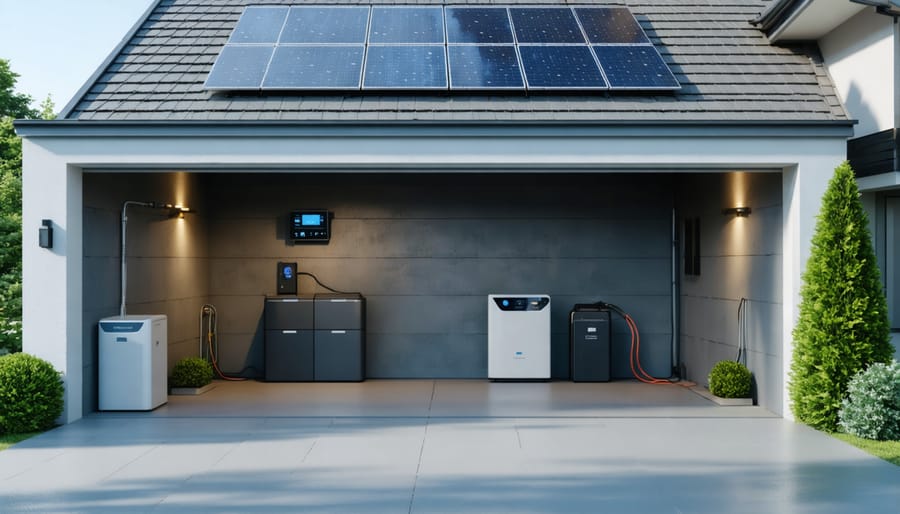
Home Energy Storage Solutions
Battery Integration with Solar
Battery integration with solar photovoltaic systems represents a crucial advancement in home energy efficiency. Modern energy storage solutions enable homeowners to maximize their solar investment by storing excess power generated during peak sunlight hours for use during evening periods or cloudy days. This integration significantly reduces grid dependency and optimizes self-consumption of solar-generated electricity.
High-capacity lithium-ion batteries, coupled with smart energy management systems, provide seamless power distribution throughout the home. These systems automatically switch between solar, battery, and grid power based on real-time energy production, consumption patterns, and utility rates. The integration also offers critical backup power during grid outages, ensuring uninterrupted operation of essential home systems.
When selecting a battery system, factors such as storage capacity, power rating, cycle life, and warranty terms require careful consideration. Most residential installations utilize batteries ranging from 10-15 kWh capacity, though requirements vary based on household energy consumption patterns and regional climate conditions.
For optimal performance, battery systems should be installed in temperature-controlled environments and integrated with monitoring platforms that provide real-time performance data. This enables homeowners to track energy flows, optimize usage patterns, and maximize their return on investment through strategic power management.
Smart Grid Integration
Smart grid integration represents a significant advancement in home energy management, enabling bidirectional communication between residential energy systems and utility providers. By connecting home energy storage systems with smart home automation systems, homeowners can optimize their energy consumption patterns and participate in demand response programs.
Modern grid-connected systems utilize advanced metering infrastructure (AMI) to monitor real-time energy usage and automatically adjust consumption based on grid conditions. This integration allows homes to store excess energy during off-peak periods and feed it back to the grid during peak demand, potentially generating additional revenue through net metering programs.
The system’s intelligent controllers can analyze historical usage patterns, weather forecasts, and real-time electricity prices to make informed decisions about when to store, use, or sell energy. This optimization helps reduce strain on the electrical grid while maximizing the financial benefits for homeowners.
Furthermore, smart grid integration enhances grid reliability by enabling automatic load shedding during peak periods and providing backup power during outages. This capability, combined with renewable energy sources, creates a more resilient and sustainable energy ecosystem for both individual homes and the broader community.
ROI and Financial Benefits
Home efficiency upgrades represent a significant investment that delivers substantial returns through reduced energy costs, increased property value, and potential tax incentives. Analysis of typical energy-efficient home improvements shows that homeowners can expect to recover their initial investment within 3-7 years, depending on the specific upgrades implemented.
Solar panel installations, for instance, typically offer a return on investment (ROI) of 15-25% annually, with payback periods averaging 5-7 years in most regions. High-efficiency HVAC systems can reduce energy consumption by 20-30%, translating to annual savings of $300-$500 for the average household. Smart thermostats, with a modest initial investment of $200-$300, can generate savings of up to $150 annually, achieving full ROI within two years.
Insulation upgrades present one of the most cost-effective improvements, with potential energy savings of 15-20% on heating and cooling costs. The Department of Energy estimates that proper insulation can save homeowners an average of $780 annually. LED lighting retrofits, while requiring minimal upfront investment, can reduce lighting energy consumption by up to 75%.
Beyond direct energy savings, efficiency upgrades can increase property values by 3-5%, according to recent real estate market analyses. Many jurisdictions offer tax credits, rebates, and incentives for energy-efficient improvements, further enhancing the financial benefits. Utility companies frequently provide additional rebates and incentives, which can reduce initial installation costs by 10-30%.
When evaluating potential upgrades, homeowners should consider both immediate energy savings and long-term financial benefits, including increased property value and potential carbon credit opportunities in certain regions.
Implementing home efficiency upgrades represents a strategic investment in both environmental sustainability and long-term cost savings. The integration of smart technologies, improved insulation systems, and renewable energy solutions can significantly reduce energy consumption while enhancing property value. By prioritizing these improvements, homeowners can expect to see immediate reductions in utility bills and increased comfort levels throughout their living spaces.
To maximize the benefits of efficiency upgrades, begin with a professional energy audit to identify key areas for improvement. Focus first on fundamental improvements such as sealing air leaks and upgrading insulation before moving on to advanced solutions like smart thermostats and energy monitoring systems. Consider establishing a phased implementation plan that aligns with your budget while prioritizing upgrades that offer the highest return on investment.
Remember that many efficiency improvements qualify for tax incentives, rebates, and financing programs, making them more accessible and cost-effective. Consult with certified energy professionals to ensure proper installation and optimal performance of new systems. By taking these strategic steps toward home efficiency, you’re not only reducing your environmental impact but also creating a more comfortable, valuable, and sustainable living space for the future.