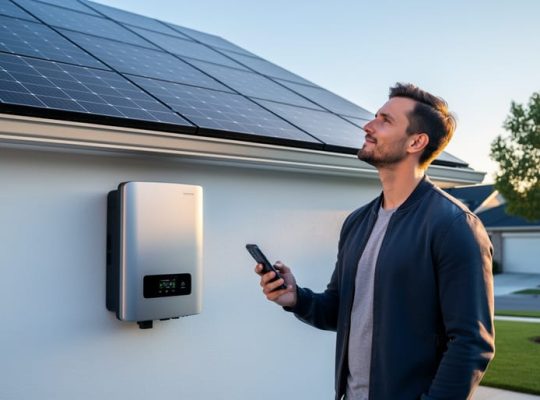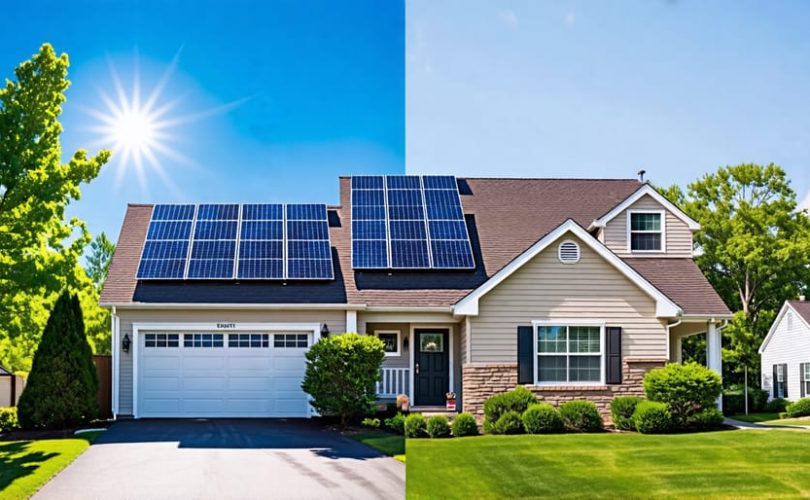
Compare costs between traditional solar panels and innovative solar shingles to determine which option best fits your budget and energy needs. Evaluate the long-term savings potential of each system, considering factors like installation costs, efficiency, and durability. Assess your home’s unique characteristics, such as roof structure, shading, and local climate, to identify the most compatible and cost-effective solar solution. Consult with experienced professionals who can provide personalized recommendations and accurate cost estimates for both solar shingles and panels, enabling you to make an informed decision that optimizes your investment in clean, renewable energy.
Solar Shingles Overview
How Solar Shingles Work
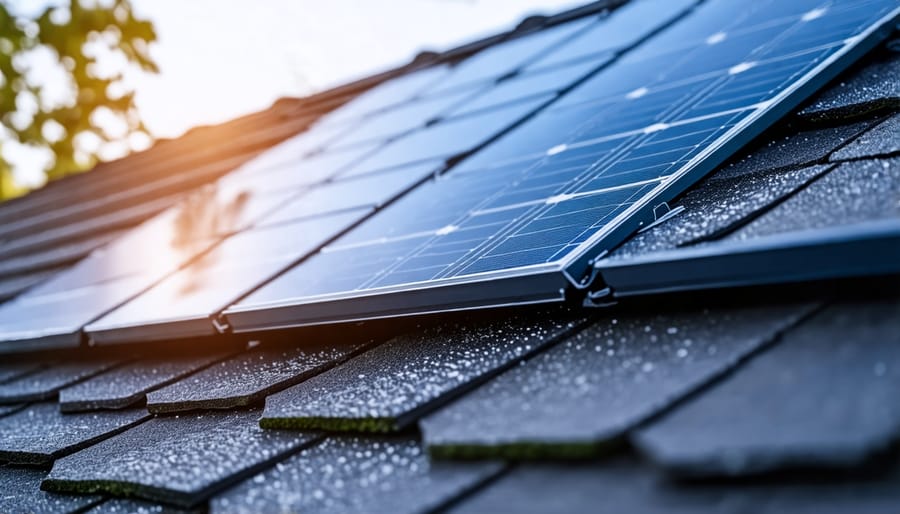
Solar shingles, also known as building-integrated photovoltaics (BIPV), function similarly to traditional solar panels by harnessing sunlight and converting it into usable electricity. However, solar shingles are designed to seamlessly integrate with a roof’s existing structure and aesthetics. These innovative shingles feature photovoltaic cells embedded within a durable, weather-resistant material that resembles conventional roofing shingles. When sunlight strikes the solar cells, they generate a direct current (DC), which is then converted into alternating current (AC) by an inverter for household use. The energy production of solar shingles depends on factors such as the number of shingles installed, their efficiency, and the amount of sunlight they receive. While solar shingles may have slightly lower efficiency compared to traditional panels, advancements in technology continue to improve their performance and make them an increasingly viable option for homeowners seeking a visually appealing and efficient solar solution.
Advantages of Solar Shingles
Solar shingles offer several key advantages over traditional solar panels. Aesthetically, solar shingles seamlessly blend into the roof, providing a sleek and visually appealing look that enhances the overall appearance of the home. In terms of durability, high-quality solar shingles are designed to withstand harsh weather conditions, such as hail, wind, and heavy snow loads, ensuring long-lasting performance. Moreover, solar shingles serve a dual purpose as both a renewable energy source and a roofing material, eliminating the need for separate roof shingles underneath. This integration streamlines installation and reduces overall material costs. While solar shingles may have a higher upfront cost compared to traditional panels, their durability, aesthetic appeal, and dual functionality make them an attractive option for homeowners looking to combine renewable energy with a stylish and long-lasting roofing solution.
Solar Shingle Costs
The average cost of solar shingles ranges from $15 to $25 per square foot, including materials and installation. For a typical residential roof of 1,500 square feet, the total cost can fall between $22,500 and $37,500. The exact price depends on factors such as the brand of solar shingles, the complexity of the roof design, and local labor costs. While solar shingles are generally more expensive than traditional solar panels, they offer a sleek, integrated appearance that mimics the look of conventional roofing materials. Homeowners should also consider the long-term energy savings and potential increase in property value when evaluating the cost-effectiveness of solar shingles.
Solar Panels Overview
How Solar Panels Function
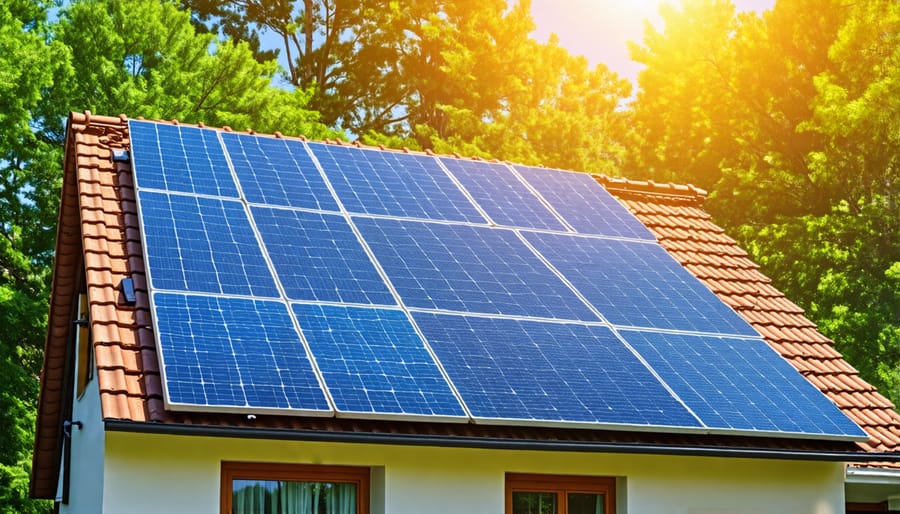
Solar panels harness the power of sunlight to generate clean, renewable electricity through a process called the photovoltaic effect. When sunlight strikes the solar cells within the panels, it excites electrons and creates an electrical current. This current is then sent through an inverter, which converts the direct current (DC) electricity produced by the panels into alternating current (AC) electricity that can be used to power homes and businesses. The amount of energy generation depends on factors such as panel efficiency, size, orientation, and the intensity of sunlight exposure. Excess energy can be stored in batteries for later use or fed back into the power grid, often resulting in credits from utility companies. With ongoing advancements in solar technology, panels are becoming increasingly efficient at converting sunlight into usable electricity, making solar an increasingly attractive option for those looking to reduce their reliance on fossil fuels and lower their energy costs.
Solar Panel Advantages
Solar panels offer several key advantages compared to solar shingles. One of the most significant benefits is their lower upfront cost, making them a more budget-friendly option for homeowners looking to transition to solar energy. Additionally, solar panels provide greater placement versatility, as they can be installed on various roof types or even mounted on the ground. This flexibility allows for optimal positioning to maximize energy production. Furthermore, solar panels are typically easier to install than solar shingles, reducing labor costs and installation time. With their modular design, solar panels can be easily expanded or relocated if energy needs change over time. While both solar shingles and panels offer environmental benefits and long-term savings, the lower cost, placement versatility, and straightforward installation of solar panels make them an attractive choice for many homeowners seeking to harness the power of the sun.
Typical Solar Panel Prices
The average cost of a solar panel system ranges from $15,000 to $25,000, depending on factors such as system size, equipment quality, and location. This price typically includes both the solar panels themselves and the installation costs. Solar panels alone can cost between $2.50 to $3.50 per watt, with most residential systems requiring 6 to 8 kilowatts (kW) of capacity. Installation expenses, which include labor, permits, and additional equipment like inverters and mounting hardware, can add another $2,000 to $5,000 to the total cost. While these upfront expenses may seem substantial, solar panels offer long-term energy savings and potential tax incentives that can offset the initial investment over time.
Cost Comparison: Solar Shingles vs Panels
Upfront Costs and Installation
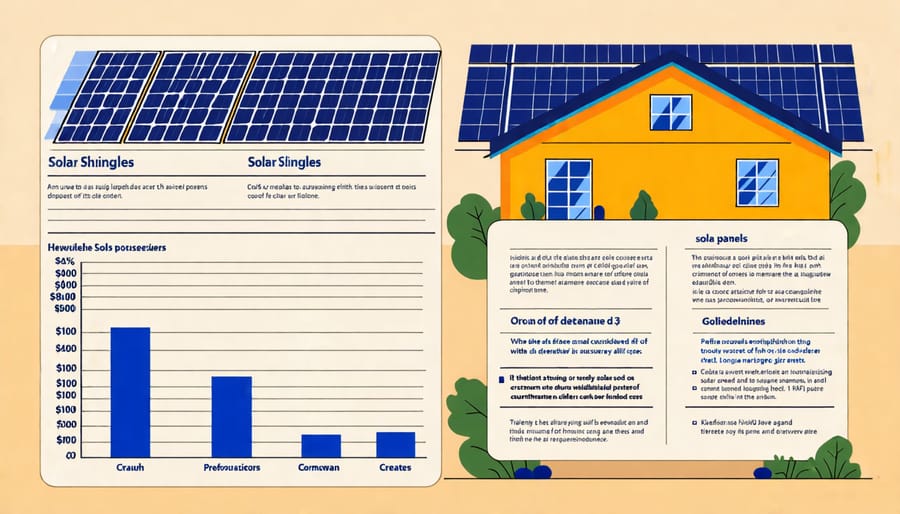
When it comes to upfront costs, solar shingles typically have a higher price point compared to traditional solar panels. The materials used in solar shingles, such as tempered glass and specialized photovoltaic cells, contribute to their increased cost. On average, solar shingles can range from $15 to $25 per square foot, while solar panels usually fall between $3 to $7 per watt. Professional installation costs also differ, with solar shingles requiring more intricate and time-consuming installation processes due to their seamless integration with the roof. This can lead to higher labor costs compared to the more straightforward installation of solar panels. However, it’s essential to consider the long-term benefits and potential savings of each option when evaluating the overall cost-effectiveness of solar shingles and panels for your specific project.
Long-Term Savings Potential
When evaluating the long-term savings potential of solar shingles versus traditional solar panels, it’s essential to consider factors such as system efficiency, durability, and maintenance costs. Solar shingles typically offer a slightly lower efficiency rating compared to high-quality solar panels, which can impact overall energy production and savings. However, the integrated design of solar shingles eliminates the need for separate roof maintenance, potentially offsetting the efficiency difference. Over a 25-year period, both options can result in substantial energy savings, with the specific amount varying based on location, energy consumption, and utility rates. While solar panels generally have a lower upfront cost, solar shingles offer a more aesthetically pleasing and streamlined solution that can enhance home value. Ultimately, the long-term savings potential of each option depends on individual circumstances, but both solar shingles and panels provide significant opportunities for reducing energy costs and achieving energy independence.
Return on Investment Factors
When evaluating the return on investment for solar shingles and panels, consider their lifespan, maintenance requirements, and impact on home value. Solar shingles typically last 25-30 years, while panels can endure 30-35 years with proper care. Both require minimal upkeep, but panels may need occasional cleaning and inspection. Integrating solar technology can significantly boost home value and attract environmentally conscious buyers. Although solar shingles have a higher upfront cost, their seamless aesthetics and long-term energy savings can justify the investment for many homeowners. Ultimately, the ROI depends on factors like local climate, energy rates, and installation costs.
Choosing the Right Option for Your Needs
When choosing between solar shingles and panels, consider your budget, aesthetic preferences, energy needs, and property characteristics. Solar shingles typically cost more upfront but offer a sleek, integrated appearance that blends seamlessly with your roof. They are an excellent choice if curb appeal is a top priority and you have a higher budget. On the other hand, traditional solar panels are more affordable and efficient, making them a smart choice for those looking to maximize energy production and return on investment. Evaluate your energy consumption and available roof space to determine the system size you need. Properties with limited roof area or complex roof designs may be better suited for solar shingles, while those with ample, unobstructed roof space can take advantage of the cost-effectiveness of solar panels. Ultimately, both options provide clean, renewable energy and can significantly reduce your electricity bills. Consult with a professional installer like Mose Solar to assess your specific needs and receive personalized recommendations tailored to your property and goals.
Conclusion
In summary, solar shingles and solar panels both offer effective solutions for harnessing renewable energy, but their costs and installation requirements differ. Solar shingles seamlessly integrate into your roof, providing a sleek aesthetic and long-lasting protection, while solar panels are a more affordable and versatile option. When deciding between the two, consider your budget, energy needs, and aesthetic preferences. Regardless of your choice, investing in solar energy not only reduces your carbon footprint but also offers long-term savings on electricity bills. At Mose Solar, we are dedicated to helping you navigate the world of solar energy and find the perfect solution for your home or business. Explore our range of cutting-edge solar products and services to embark on your journey towards a more sustainable future.