In today’s rapidly evolving solar energy landscape, integrators serve as the vital bridge between complex photovoltaic technologies and seamless digital solar PV management solutions. These specialized companies combine technical expertise, project management capabilities, and industry knowledge to transform standalone solar components into fully functional, optimized energy systems. As the photovoltaic sector embraces digital transformation, integrators have emerged as essential partners for businesses seeking to maximize their solar investments through sophisticated monitoring, automation, and performance optimization solutions. Their role extends beyond mere installation, encompassing system design, component selection, performance monitoring, and long-term maintenance strategies that ensure optimal energy production and return on investment. For organizations navigating the complex landscape of solar adoption, understanding the critical role of integrators is fundamental to achieving successful, sustainable photovoltaic implementations.
What Is a Solar PV System Integrator?
Key Responsibilities and Expertise
Integrators in the photovoltaic industry manage multiple critical responsibilities throughout the solar project lifecycle. Their primary role involves designing comprehensive solar energy systems that meet specific client requirements while optimizing performance and cost-effectiveness. This includes conducting detailed site assessments, performing energy consumption analyses, and creating customized system layouts.
System procurement and quality control form another crucial aspect of their expertise. Integrators evaluate and select appropriate components, from solar panels to inverters and mounting systems, ensuring compatibility and adherence to industry standards. They coordinate with manufacturers, distributors, and contractors while maintaining strict quality control protocols.
Project management responsibilities encompass overseeing installation teams, managing timelines, and ensuring regulatory compliance. Integrators handle permit applications, coordinate with utility companies for grid interconnection, and maintain communication with stakeholders throughout the implementation process.
Technical expertise extends to system monitoring and maintenance planning. They implement monitoring solutions, analyze performance data, and develop maintenance schedules to optimize system efficiency. Additionally, integrators often provide client training and documentation for system operation and maintenance procedures.
Technical vs. Digital Integration
In the photovoltaic industry, traditional technical integration primarily focuses on physical system components, including module mounting, electrical connections, and inverter installations. These integrators specialize in hardware compatibility and system performance optimization. Modern digital integration, however, encompasses smart monitoring systems, data analytics platforms, and IoT-enabled solutions that enhance system efficiency and management capabilities.
Digital integrators implement sophisticated software solutions for remote monitoring, predictive maintenance, and performance optimization. They integrate cloud-based platforms that enable real-time data collection, analysis, and reporting. This evolution has transformed integrators from purely technical specialists into technology solution providers who bridge the gap between conventional solar installations and smart energy management systems.
While technical integration remains fundamental, digital integration services have become equally crucial for maximizing system efficiency, reducing operational costs, and enabling predictive maintenance capabilities in modern photovoltaic installations.
Digital Integration in Modern Solar Operations
Smart Monitoring Systems
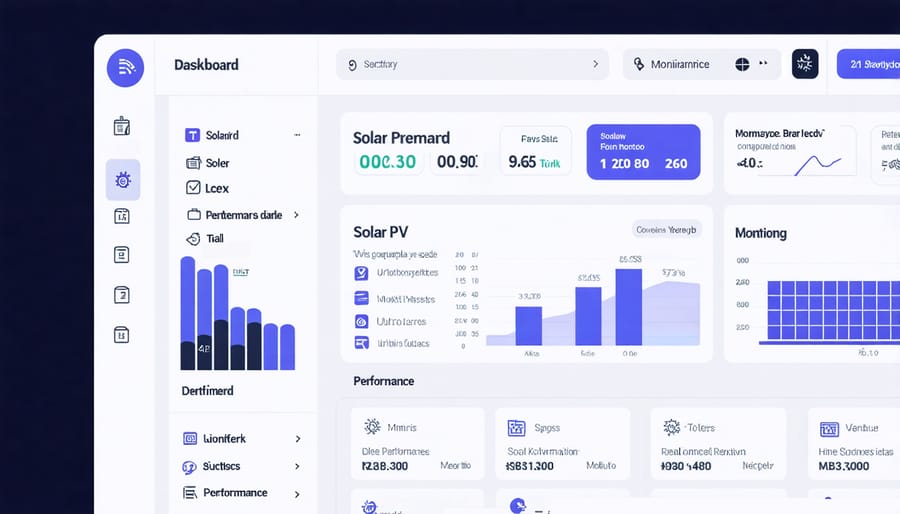
Modern integrators leverage advanced smart monitoring solutions to optimize photovoltaic system performance and maintenance. These digital platforms incorporate real-time data collection, automated performance analysis, and predictive maintenance capabilities, enabling proactive system management and enhanced operational efficiency.
Integrators implement sophisticated monitoring systems that track key performance indicators, including power output, voltage levels, and environmental conditions. Through IoT sensors and advanced analytics, these systems provide comprehensive visibility into system operations, detecting potential issues before they impact performance. The integration of artificial intelligence and machine learning algorithms enables pattern recognition and performance optimization across multiple installations.
Data analytics integration allows integrators to generate detailed performance reports, forecast energy production, and identify opportunities for system optimization. This data-driven approach helps facility owners maximize their return on investment while ensuring consistent power generation. The monitoring infrastructure also supports remote diagnostics and troubleshooting, reducing response times and maintenance costs.
By centralizing system monitoring and control, integrators provide stakeholders with user-friendly dashboards and automated alerts, ensuring transparent operations management and simplified decision-making processes.
Performance Optimization Tools
Modern integrators leverage sophisticated digital tools to enhance system optimization and performance. These tools include advanced monitoring platforms, predictive analytics software, and intelligent control systems that work in concert to maximize energy yield and system efficiency.
Key optimization tools commonly employed include real-time performance monitoring dashboards, weather forecasting integration systems, and automated fault detection algorithms. These solutions enable integrators to identify potential issues before they impact system performance, schedule preventive maintenance efficiently, and make data-driven decisions for system improvements.
Remote monitoring capabilities allow integrators to track multiple installations simultaneously, analyzing performance metrics and energy production data across entire portfolios. Advanced simulation software helps optimize system design before installation, while smart inverter management systems ensure optimal power conversion efficiency.
Machine learning algorithms increasingly play a crucial role, analyzing historical performance data to predict maintenance needs and optimize system operations based on environmental conditions. These digital tools transform raw data into actionable insights, enabling integrators to deliver superior value to their clients through enhanced system reliability and increased energy yields.
The Value Proposition of Digital Integration
Operational Efficiency Gains
Digital integration in photovoltaic operations has revolutionized efficiency across multiple operational dimensions. Modern integrators leverage advanced monitoring systems and automation tools to optimize solar plant performance, reducing response times to technical issues from hours to minutes. Through centralized control platforms, they enable real-time monitoring of multiple installations simultaneously, significantly decreasing maintenance costs and improving resource allocation.
These systems also facilitate predictive maintenance through data analytics, allowing integrators to address potential issues before they impact performance. Energy yield optimization improves by up to 15% through sophisticated algorithms that adjust panel orientation and cleaning schedules based on environmental data. Administrative efficiency gains are equally impressive, with automated reporting and compliance management reducing paperwork by approximately 60%.
The integration of supply chain management systems further streamlines procurement processes, while digital customer portals enhance communication and project transparency. This comprehensive digital approach results in reduced operational costs, improved system reliability, and enhanced customer satisfaction.

Cost Reduction and Revenue Enhancement
Digital integration services in the photovoltaic sector deliver substantial financial advantages through both cost reduction and revenue enhancement. By implementing automated monitoring systems and predictive maintenance protocols, integrators help solar facilities minimize unexpected downtime and reduce operational expenses by up to 25%. These systems optimize resource allocation, reducing labor costs while improving maintenance efficiency.
On the revenue side, integrators enhance plant performance through sophisticated yield optimization algorithms and advanced tracking systems. These improvements typically result in a 3-7% increase in energy production. Additionally, integrators enable smart grid integration, allowing solar facilities to participate in demand response programs and capitalize on peak pricing opportunities.
Data analytics services provided by integrators also help identify performance bottlenecks and optimization opportunities. By leveraging historical performance data and weather patterns, operators can make informed decisions about equipment upgrades and maintenance schedules, ensuring maximum return on investment while maintaining optimal system efficiency throughout the facility’s lifecycle.
System integrators play a pivotal role in shaping the future of the photovoltaic industry, serving as essential bridges between technology providers and end-users. As the solar energy sector continues to evolve with advancing digitalization, integrators are becoming increasingly crucial in delivering comprehensive solutions that maximize efficiency and return on investment. Their expertise in combining hardware, software, and services positions them as key enablers of successful solar implementations.
Looking ahead, the demand for skilled integrators is expected to grow substantially as solar technologies become more sophisticated and interconnected. Their ability to navigate complex technical requirements while ensuring seamless integration with existing infrastructure will remain vital for sustainable energy adoption. Organizations that partner with experienced integrators will be better positioned to leverage emerging technologies and maintain competitive advantages in the rapidly expanding renewable energy market.