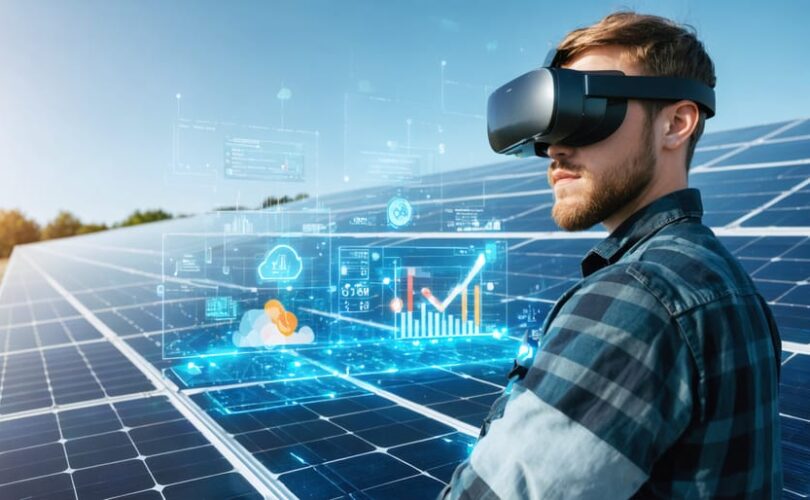
Augmented reality is revolutionizing solar system diagnostics and maintenance, transforming how technicians interact with smart PV systems in real-time. By overlaying digital performance metrics, thermal imaging data, and maintenance protocols directly onto physical solar installations, AR technology enables unprecedented accuracy in system diagnostics and optimization. This integration of virtual and physical elements empowers maintenance teams to identify potential issues before they escalate, reduce downtime, and maximize energy production efficiency.
Recent advancements in AR-enabled solar diagnostics have demonstrated up to 45% reduction in maintenance time and a 30% improvement in first-time fix rates. Through sophisticated sensor integration and real-time data visualization, technicians can now access comprehensive system analytics, historical performance data, and predictive maintenance alerts through their AR headsets while performing on-site inspections. This technological convergence represents a significant leap forward in solar system management, offering a clear path to enhanced operational efficiency and reduced maintenance costs.
Understanding AR-Enhanced Solar PV Diagnostics
Core Components of AR Solar Diagnostics
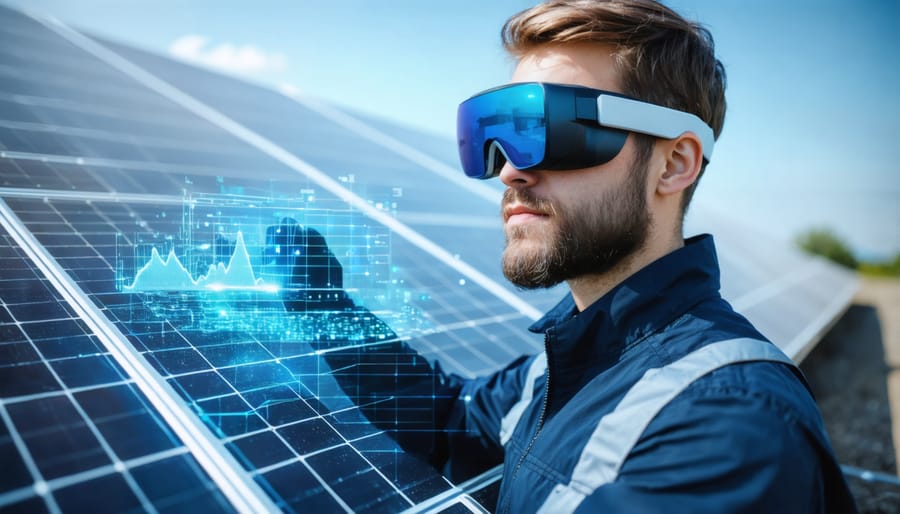
The implementation of AR solar diagnostics relies on several essential hardware and software components working in harmony. The primary hardware elements include AR-enabled smart glasses or head-mounted displays (HMDs) equipped with high-resolution cameras, depth sensors, and position tracking capabilities. These devices must be ruggedized for outdoor use and offer sufficient battery life for extended field operations.
Complementing the hardware, specialized software components form the technological backbone of the system. Computer vision algorithms process real-time imagery to identify solar panels and their components, while spatial mapping software creates accurate 3D representations of the installation environment. Advanced data processing modules analyze thermal signatures, electrical outputs, and performance metrics, overlaying this information onto the user’s field of view.
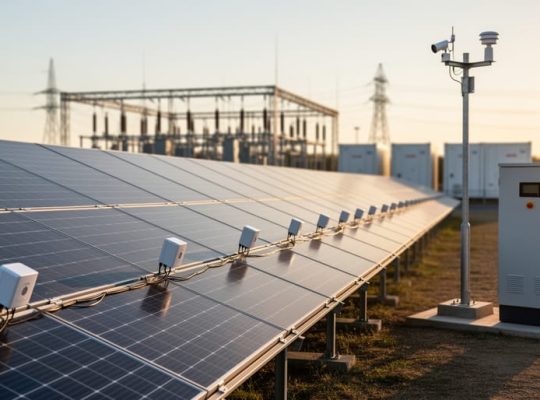
The system also requires robust connectivity solutions, including secure cloud infrastructure for data storage and real-time processing. Integration APIs enable seamless communication with existing solar monitoring systems and enterprise asset management platforms. Mobile edge computing capabilities ensure reliable performance even in areas with limited network coverage, while machine learning models continuously improve fault detection accuracy through pattern recognition and historical data analysis.
Real-Time Data Visualization
AR technology revolutionizes how technicians and operators interact with solar installations by providing real-time performance data directly in their field of view. Through sophisticated solar panel efficiency monitoring, AR systems overlay critical metrics such as power output, voltage levels, and temperature readings onto physical panels through smart devices or AR glasses.
These visual overlays enable immediate identification of performance variations and potential issues. Technicians can view historical data trends, current operating parameters, and predictive maintenance alerts while physically inspecting the installation. The system color-codes components based on their operational status, making it intuitive to spot underperforming panels or electrical anomalies.
The AR interface also displays diagnostic information such as I-V curves, thermal imaging data, and string performance comparisons in real-time. This immediate access to comprehensive performance metrics significantly reduces inspection times and improves accuracy in fault detection. Integration with weather data and solar irradiance measurements provides context for current performance levels, enabling operators to make informed decisions about maintenance scheduling and optimization strategies.
Key Benefits for PV Professionals
Enhanced Troubleshooting Efficiency
Augmented reality technology significantly accelerates the troubleshooting process in solar installations by enabling technicians to identify and resolve issues with unprecedented efficiency. Through AR-enabled devices, maintenance personnel can access real-time system data overlaid directly onto physical components, eliminating the need for manual reference checks and reducing diagnostic time by up to 70%.
The technology provides instant visualization of system parameters, including voltage levels, current flow, and thermal patterns. When anomalies occur, AR systems automatically highlight affected components and provide step-by-step guidance for resolution. This visual assistance helps technicians pinpoint exact fault locations without physical disassembly, particularly beneficial in large-scale solar installations where traditional troubleshooting methods could take hours.
AR platforms also integrate historical performance data and maintenance records, enabling predictive fault detection. By analyzing patterns and system behavior, the technology can identify potential issues before they escalate into major problems. This proactive approach significantly reduces system downtime and maintenance costs.
Furthermore, remote expertise becomes readily available through AR interfaces. Senior technicians can guide on-site personnel through complex repairs by sharing their view and annotating the AR display in real-time. This capability ensures consistent problem-solving quality across different locations while minimizing the need for expert travel.
The combination of visual diagnostics, real-time data access, and remote collaboration capabilities makes AR an invaluable tool for modern solar system maintenance, delivering faster resolution times and improved system reliability.
Predictive Maintenance Capabilities
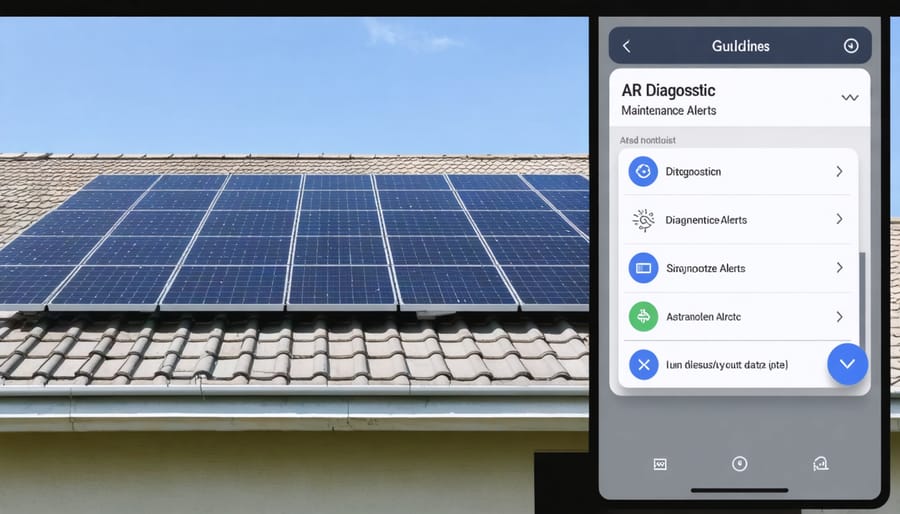
Augmented reality technology has revolutionized predictive maintenance in solar PV systems by enabling technicians to anticipate and address potential issues before they impact performance. Through AR-enabled devices, maintenance personnel can access real-time data overlays that display critical system parameters, thermal imaging information, and performance metrics directly in their field of view.
The integration of AI-driven algorithms with AR systems allows for sophisticated pattern recognition, identifying subtle variations in system behavior that might indicate impending component failures. Technicians can visualize performance trends, voltage anomalies, and thermal hotspots through AR displays, leading to more accurate diagnosis and efficient maintenance scheduling.
By implementing advanced system optimization techniques, AR platforms can continuously monitor and suggest adjustments to maximize energy yield. The technology enables precise tracking of panel degradation rates, connection integrity, and inverter efficiency, providing actionable insights for maintenance teams.
These predictive capabilities significantly reduce system downtime by enabling proactive maintenance interventions. Maintenance crews can receive step-by-step guided procedures through AR interfaces, ensuring consistent quality in repair work while minimizing human error. The system also maintains detailed maintenance histories and automatically generates comprehensive reports, facilitating better long-term asset management and performance optimization.
Implementation and Training
Technical Requirements
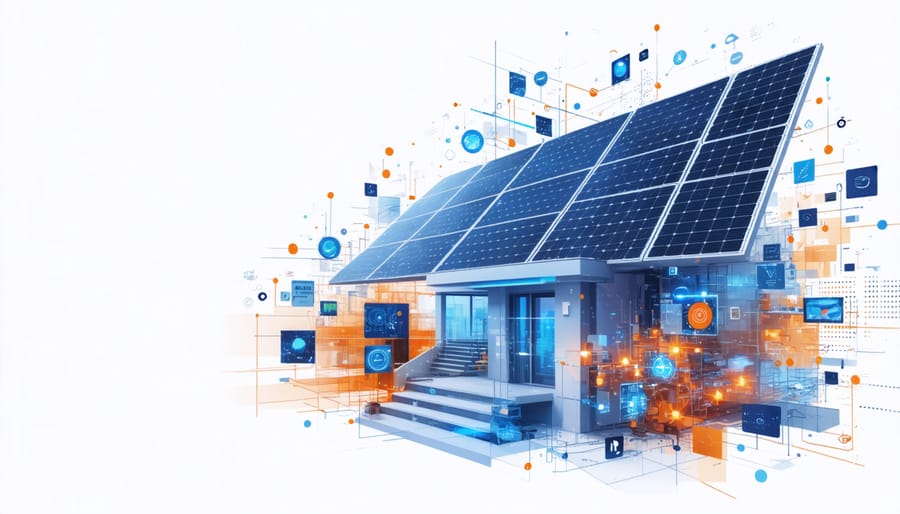
The implementation of augmented reality in solar system diagnostics requires a carefully planned technical infrastructure. At the hardware level, AR-enabled devices such as smart glasses, tablets, or smartphones with high-resolution cameras and advanced processing capabilities are essential. These devices must feature adequate RAM (minimum 6GB), powerful GPUs, and precise motion sensors for accurate spatial tracking.
Software requirements include specialized AR applications designed for solar system diagnostics, featuring real-time data processing capabilities and integration with existing monitoring systems. The software must support computer vision algorithms for pattern recognition and 3D modeling of solar installations. Compatible operating systems typically include iOS 14+ or Android 10+ for mobile devices, while enterprise-grade AR headsets require their proprietary platforms.
Network infrastructure demands include stable, high-speed internet connectivity (minimum 50 Mbps) for real-time data transmission and cloud computing integration. A secure cloud platform is necessary for storing historical performance data, thermal imaging records, and maintenance logs. The system should support APIs for seamless integration with existing solar monitoring platforms and enterprise asset management systems.
Additional technical considerations include:
– Robust data security protocols and encryption
– Weather-resistant hardware for outdoor usage
– Calibration tools for maintaining AR accuracy
– Backend servers for data processing
– Redundant backup systems for critical data
– Regular software updates and maintenance protocols
These requirements ensure reliable AR functionality in solar system diagnostics while maintaining data integrity and system performance.
Staff Training and Certification
Professional competency in augmented reality solar system operations requires comprehensive training and certification. Leading institutions offer specialized programs that combine theoretical knowledge with hands-on experience using AR devices and software platforms. These programs typically span 40-80 hours of instruction, covering system architecture, diagnostic procedures, and safety protocols.
Industry professionals must complete manufacturer-specific certifications for particular AR platforms used in solar installations. These certifications validate expertise in operating AR-enabled diagnostic tools, interpreting data overlays, and implementing maintenance protocols. Regular recertification ensures practitioners stay current with evolving technology and industry standards.
Several accredited technical institutions provide standardized training programs aligned with international solar industry benchmarks. Course curricula typically include modules on AR hardware configuration, software optimization, data interpretation, and troubleshooting methodologies. Practical assessments evaluate competency in real-world scenarios using AR-enabled diagnostic tools.
Professional development pathways often incorporate advanced specializations in areas such as thermal imaging analysis, predictive maintenance algorithms, and remote diagnostic procedures. Organizations can also opt for customized training solutions tailored to their specific AR implementation and operational requirements.
Continuing education requirements mandate regular skills updates through workshops, webinars, and hands-on training sessions. These programs ensure technicians maintain proficiency with latest AR innovations and industry best practices, ultimately enhancing the reliability and efficiency of solar system maintenance operations.
Future Developments and Industry Impact
Emerging Technologies
The future of augmented reality in solar system diagnostics is poised for significant advancement through several groundbreaking innovations. Integration with AI-powered solar diagnostics is enabling predictive maintenance capabilities, allowing technicians to anticipate potential system failures before they occur. Advanced computer vision algorithms are being developed to enhance thermal imaging accuracy, providing more precise hotspot detection and performance analysis in real-time.
Research institutions are working on next-generation AR headsets with improved field of view and enhanced environmental mapping capabilities, specifically designed for outdoor solar installations. These devices will feature advanced light adaptation technology to maintain optimal visibility in varying sunlight conditions. Integration with IoT sensors and smart grid systems is enabling comprehensive system monitoring through unified AR interfaces.
Emerging developments in edge computing are facilitating faster data processing directly on AR devices, reducing latency and improving real-time diagnostics. Additionally, collaborative AR platforms are being developed to enable remote expert assistance, allowing experienced technicians to guide on-site personnel through complex maintenance procedures virtually.
Industry Standards and Integration
AR diagnostics in solar system maintenance are increasingly shaping industry standards and best practices, driving the development of new protocols for inspection and maintenance procedures. Leading certification bodies, including the International Electrotechnical Commission (IEC) and the Solar Energy Industries Association (SEIA), have begun incorporating AR-enabled inspection methodologies into their standardization frameworks.
These standards emphasize the importance of data accuracy, measurement consistency, and proper documentation during AR-assisted inspections. Organizations must ensure their AR implementations comply with IEC 61724-1 standards for photovoltaic system performance monitoring and OSHA safety guidelines for maintenance operations.
Integration with existing enterprise asset management systems and computerized maintenance management software (CMMS) has become a crucial requirement. Modern AR solutions support standardized data formats and APIs that facilitate seamless information exchange between different platforms and stakeholders.
The industry is witnessing increased collaboration between AR technology providers and solar equipment manufacturers to develop standardized diagnostic protocols. This cooperation has resulted in more reliable fault detection algorithms and improved accuracy in performance assessments, establishing AR as an integral component of quality assurance programs in solar installations.
The integration of augmented reality in solar PV diagnostics represents a transformative advancement in renewable energy maintenance and operations. As demonstrated throughout this analysis, AR technology significantly enhances the efficiency, accuracy, and safety of solar system inspections while reducing operational costs and minimizing downtime. The ability to overlay real-time data, thermal imaging, and performance metrics directly onto physical solar installations has revolutionized how technicians and engineers approach system diagnostics and maintenance procedures.
Looking ahead, the continued evolution of AR technology promises even more sophisticated applications in the solar energy sector. Advanced machine learning algorithms, improved sensor integration, and enhanced visualization capabilities will further streamline maintenance workflows and enable predictive diagnostics. The development of more compact, powerful AR devices and improved software platforms will make this technology increasingly accessible to solar professionals across all levels of expertise.
Industry collaboration between technology providers, solar manufacturers, and research institutions continues to drive innovation in AR-based diagnostic solutions. As adoption rates increase and costs decrease, AR technology is poised to become a standard tool in solar PV maintenance, contributing significantly to the overall reliability and sustainability of renewable energy systems.
The future of solar PV diagnostics lies in the seamless integration of AR technology with existing monitoring systems, creating comprehensive maintenance solutions that optimize system performance while maximizing return on investment for stakeholders in the renewable energy sector.