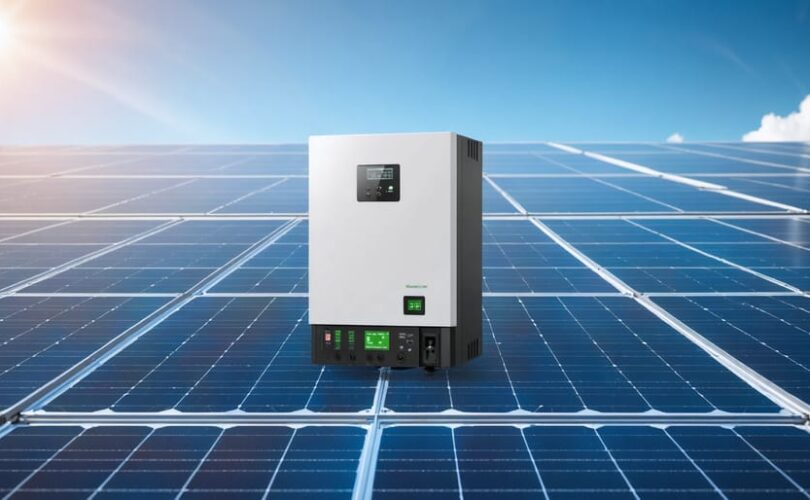
Three-phase solar power inverters represent a crucial advancement in renewable energy technology, transforming how we harness and distribute solar power across industrial and commercial applications. These sophisticated power conversion devices enable the seamless integration of photovoltaic systems with three-phase electrical grids, offering superior efficiency and balanced power distribution compared to their single-phase counterparts. As the backbone of modern solar installations, three-phase inverters play a pivotal role in maximizing energy yield while ensuring grid stability and power quality.
The evolution of three-phase solar inverters has revolutionized large-scale solar implementations, providing enhanced reliability, reduced harmonics, and improved power factor correction. With the growing demand for sustainable energy solutions, these inverters have become indispensable in both utility-scale solar farms and commercial buildings, offering sophisticated monitoring capabilities and smart grid compatibility. Their ability to handle higher power capacities while maintaining optimal performance makes them essential components in the transition toward renewable energy infrastructure.
Understanding the principles and applications of three-phase solar inverters is crucial for professionals and stakeholders in the renewable energy sector, as these systems continue to shape the future of clean energy distribution and grid integration.
Understanding 3-Phase Solar Inverters
Working Principles and Architecture
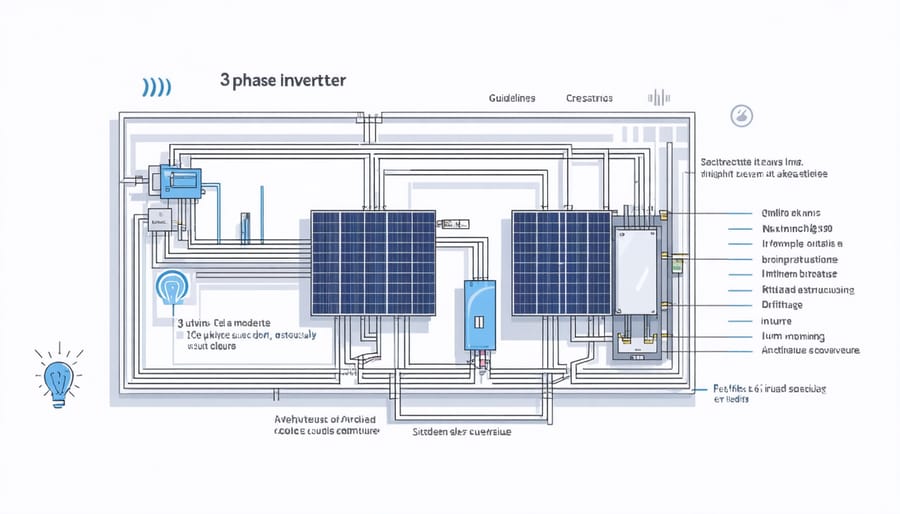
Three-phase solar inverters operate through a sophisticated process of converting DC power from solar panels into three-phase AC power suitable for grid-ready electricity conversion. The architecture consists of three main components: the DC-DC converter stage, the inverter bridge, and the output filter.
The DC-DC converter initially optimizes the input voltage from the solar array, ensuring stable power delivery. The inverter bridge, comprising six power semiconductor switches (typically IGBTs or MOSFETs), creates three separate AC waveforms, each phase-shifted by 120 degrees. This configuration enables balanced power distribution across all three phases.
The switching sequence is controlled by pulse width modulation (PWM), which generates sinusoidal output waveforms. Advanced control algorithms maintain phase synchronization and regulate voltage levels, while maximum power point tracking (MPPT) optimizes solar energy harvest.
The output filter smooths the converted AC waveforms, reducing harmonic distortion and ensuring compliance with grid connection standards. Modern three-phase inverters achieve efficiency ratings exceeding 98%, implementing features like reactive power control and grid support functions.
This architecture allows for bidirectional power flow, essential for grid-interactive systems, and provides superior power quality compared to single-phase alternatives. The system’s modular design facilitates scalability and maintenance while ensuring reliable operation across varying load conditions.
Key Components and Features
Modern 3-phase solar power inverters incorporate several critical components that work in harmony to ensure efficient power conversion and grid integration. The power stage consists of six IGBT (Insulated Gate Bipolar Transistor) switches arranged in three bridge legs, each handling one phase of the AC output. These switches are controlled by sophisticated gate drivers that ensure precise switching timing and protection.
The control system features a digital signal processor (DSP) or microcontroller that executes complex algorithms for Maximum Power Point Tracking (MPPT), grid synchronization, and power quality management. Advanced models include multiple MPPT channels to optimize energy harvest from different solar array configurations.
Essential protective components include surge arrestors, DC and AC disconnects, and ground fault detection circuits. The filtering stage comprises LCL filters that reduce harmonic distortion and ensure compliance with grid codes. Modern inverters also feature robust communication interfaces, supporting protocols like Modbus and RS485 for remote monitoring and control.
Key features of contemporary 3-phase inverters include:
– Anti-islanding protection
– Reactive power control
– Low voltage ride-through capability
– Dynamic grid support
– Power factor correction
– Advanced monitoring and diagnostics
– Temperature-controlled cooling systems
– Integrated DC string monitoring
These components and features work together to deliver high efficiency, typically exceeding 98%, while maintaining grid stability and power quality standards.
Grid Integration Capabilities
Grid Synchronization Technologies
Grid synchronization is a critical aspect of three-phase solar inverter operation, ensuring seamless integration with the utility grid. Modern synchronization technologies employ sophisticated algorithms and control systems to maintain precise phase alignment, frequency matching, and voltage regulation.
Phase-Locked Loop (PLL) systems serve as the foundation for grid synchronization, continuously monitoring and adjusting the inverter’s output to match grid parameters. Advanced implementations utilize digital PLL techniques, which offer enhanced stability and faster response times compared to traditional analog methods.
Synchronous Reference Frame (SRF) control strategies enable accurate tracking of grid voltage vectors, facilitating smooth power transfer between the solar system and the utility network. This approach incorporates feed-forward compensation mechanisms to handle grid disturbances and maintain stable operation during varying conditions.
Virtual Synchronous Generator (VSG) technology represents a cutting-edge solution that mimics the behavior of conventional generators, providing grid-supporting features like inertia and damping. This technology helps maintain grid stability, particularly in systems with high renewable energy penetration.
Modern inverters also implement anti-islanding protection schemes and fault ride-through capabilities, ensuring safe operation during grid disturbances. Advanced monitoring systems continuously assess grid quality parameters, including voltage levels, frequency variations, and power factor, making real-time adjustments to maintain optimal performance.
These synchronization technologies work in conjunction with sophisticated Maximum Power Point Tracking (MPPT) algorithms to ensure efficient power conversion while maintaining grid compliance standards.
Power Quality Management
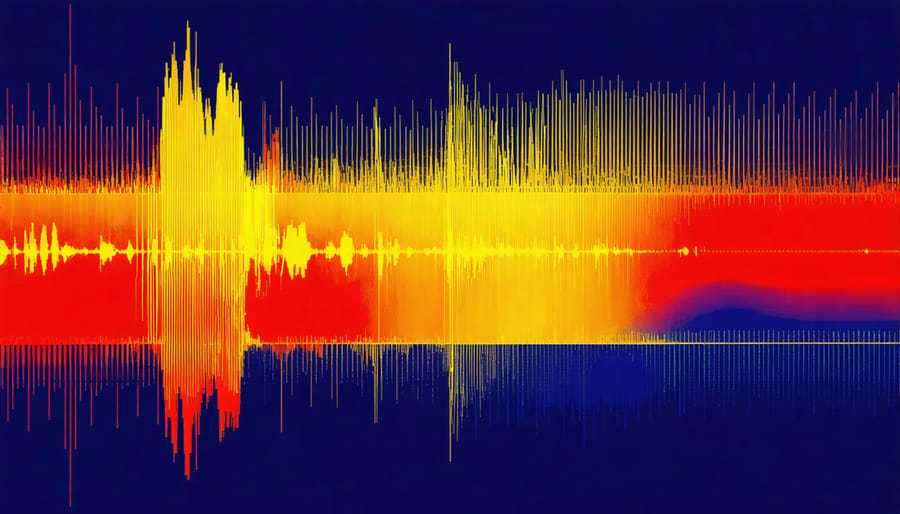
Power quality management in three-phase solar inverters is crucial for maintaining grid stability and ensuring optimal system performance. These inverters employ sophisticated control algorithms to regulate voltage levels, minimize harmonic distortion, and maintain proper power factor correction across all three phases.
The primary techniques for power quality management include active harmonic filtering, which reduces total harmonic distortion (THD) to meet stringent grid codes. Advanced inverters utilize pulse width modulation (PWM) strategies to generate clean sinusoidal output waveforms while maintaining balanced voltage and current across phases.
Reactive power compensation plays a vital role in maintaining grid stability. Modern three-phase inverters can dynamically adjust their power factor to provide or absorb reactive power as needed, helping to stabilize grid voltage during varying load conditions. This capability is particularly important in weak grid scenarios or areas with high penetration of renewable energy sources.
Voltage ride-through capabilities enable the inverter to remain connected during brief grid disturbances, preventing unnecessary system disconnections. Additionally, anti-islanding protection ensures safe operation by detecting grid failures and disconnecting the system when necessary.
Smart grid integration features allow these inverters to respond to grid commands, adjusting their output based on frequency and voltage measurements. This helps maintain overall power quality while supporting grid stability during both normal operation and contingency events.
Smart Grid Integration Features
Modern three-phase solar inverters incorporate advanced smart grid integration features that enable seamless interaction with utility networks and grid-connected solar storage systems. These capabilities include sophisticated power quality management, reactive power control, and grid support functions that help maintain grid stability.
Key smart grid features include real-time communication protocols such as Modbus TCP/IP and SunSpec, allowing inverters to respond dynamically to grid conditions and utility commands. Advanced monitoring systems provide detailed performance data, power quality metrics, and grid interaction parameters through secure cloud platforms.
These inverters can automatically adjust their operation based on grid frequency and voltage variations, implementing fault ride-through capabilities and anti-islanding protection. Dynamic power factor correction helps optimize grid power quality, while intelligent load management features enable demand response participation.
Modern smart grid integration also facilitates virtual power plant (VPP) participation, allowing multiple distributed energy resources to be aggregated and managed as a single entity. This capability enables more efficient grid management and creates opportunities for additional revenue streams through grid services.
The integration includes cybersecurity measures that protect both the inverter and grid infrastructure from unauthorized access, ensuring reliable and secure operation within smart grid environments. These features make three-phase inverters essential components in advanced renewable energy systems and grid modernization efforts.
Optimization Strategies
System Sizing and Configuration
Proper sizing of a three-phase solar inverter system requires careful consideration of multiple factors to optimize system performance. The inverter’s capacity should be calculated based on the total DC power output of the solar array, typically ranging between 75-85% of the array’s peak power rating. This sizing ratio ensures efficient operation while preventing unnecessary oversizing costs.
For configuration, the DC input voltage must match the inverter’s operating range, considering temperature variations that affect panel output. The system should maintain a minimum DC voltage above the inverter’s start-up threshold during low-light conditions while staying below maximum input limits during peak production.
Critical parameters for proper setup include:
– Maximum power point tracking (MPPT) configuration
– String sizing and arrangement
– Phase balancing requirements
– Grid connection specifications
– Protection device ratings
– Communication interface settings
The inverter’s nominal AC output voltage must match the local grid requirements, typically 400V/230V in three-phase systems. Protection settings should comply with local utility regulations and include anti-islanding, over/under voltage, and frequency protection features.
Regular monitoring and adjustment of these parameters ensure optimal energy conversion efficiency and system reliability. Professional installation and commissioning are essential to meet safety standards and warranty requirements.
Performance Monitoring and Management
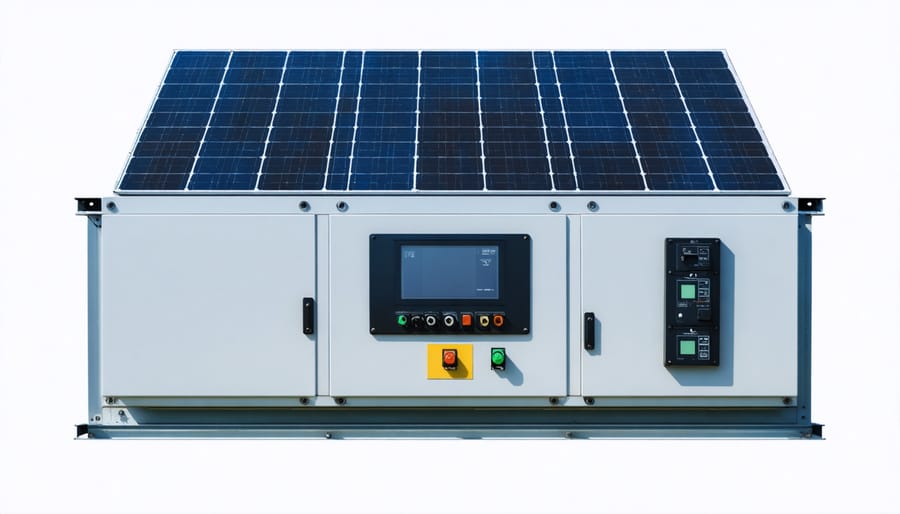
Performance monitoring and management in three-phase solar power inverters is crucial for maintaining optimal system efficiency and reliability. Modern inverter systems incorporate sophisticated monitoring tools that provide real-time data analysis and performance metrics through dedicated software platforms and remote monitoring capabilities.
Key monitoring parameters include DC input voltage and current from solar arrays, AC output characteristics across all three phases, power factor, total harmonic distortion (THD), and thermal performance. Advanced systems utilize integrated sensors and data logging features to track these metrics continuously, enabling proactive maintenance and system optimization.
Smart monitoring interfaces typically offer comprehensive dashboard displays showing instantaneous power generation, daily energy yield, and historical performance data. These systems often incorporate automated alert mechanisms that notify operators of any anomalies or potential issues requiring attention.
System optimization is achieved through intelligent algorithms that adjust operating parameters based on collected data. Maximum Power Point Tracking (MPPT) algorithms are continuously refined using performance feedback, while phase balancing mechanisms ensure optimal power distribution across all three phases.
Remote monitoring capabilities allow system operators to access performance data through web-based platforms or mobile applications, facilitating efficient maintenance scheduling and rapid response to system issues. Many modern inverters also support firmware updates and parameter adjustments through these remote interfaces, enabling ongoing system optimization without physical intervention.
Regular performance analysis helps identify trends, predict potential failures, and optimize maintenance schedules, ultimately maximizing system uptime and energy yield while minimizing operational costs.
Maintenance and Troubleshooting
Regular maintenance of 3-phase solar power inverters is crucial for ensuring optimal system performance and longevity. Implement routine visual inspections to check for physical damage, loose connections, and proper ventilation. Monitor key performance indicators through the inverter’s built-in monitoring system, including DC input voltage, AC output parameters, and conversion efficiency rates.
Professional maintenance should include quarterly cleaning of cooling fans and heat sinks to prevent overheating. Verify that all electrical connections are properly torqued and free from corrosion. Modern systems benefit from predictive maintenance strategies that utilize data analytics to identify potential issues before they cause system failures.
Common troubleshooting scenarios include ground fault detection, communication errors, and grid synchronization issues. When fault codes appear, consult the manufacturer’s documentation for specific resolution steps. Monitor DC string currents for imbalances that might indicate array problems. Check AC voltage levels across all three phases to ensure proper grid connection.
Keep detailed maintenance logs and schedule professional inspections annually. Replace surge protection devices and cooling fans according to manufacturer recommendations. For optimal performance, ensure firmware is current and system parameters are correctly configured for local grid requirements.
Three-phase solar power inverters have emerged as crucial components in modern renewable energy systems, offering enhanced efficiency, reliability, and grid integration capabilities. As we’ve explored throughout this article, these sophisticated devices play a vital role in converting DC power from solar arrays into stable, utility-grade AC power while maintaining balanced load distribution and power quality.
The technology continues to evolve rapidly, with manufacturers focusing on improving efficiency ratings beyond 98%, developing more sophisticated grid support features, and implementing advanced monitoring capabilities. Smart grid integration, remote diagnostics, and predictive maintenance functionalities are becoming standard features, pointing toward a future of increasingly intelligent and autonomous solar power systems.
Looking ahead, several promising developments are on the horizon. The integration of artificial intelligence and machine learning algorithms will enable more precise power management and fault prediction. Additionally, the continued miniaturization of components and advancement in semiconductor technology will likely lead to more compact, cost-effective solutions without compromising performance.
As global renewable energy adoption accelerates, three-phase solar inverters will play an increasingly important role in grid stability and energy management. The focus on enhanced cybersecurity features and compliance with evolving grid codes ensures these systems will remain at the forefront of the renewable energy transformation, enabling a more sustainable and reliable power infrastructure for future generations.