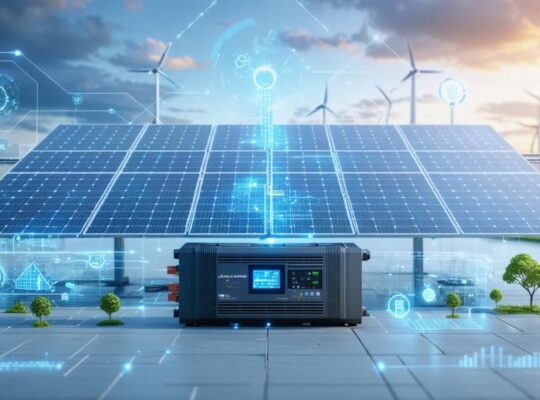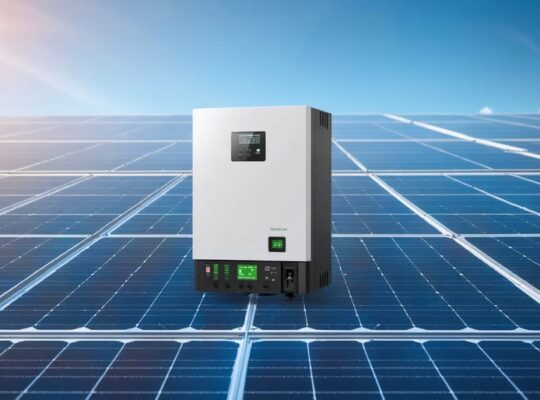
Artificial intelligence is revolutionizing the solar photovoltaic industry, transforming how we harness, manage, and optimize solar energy production. AI-driven PV management systems are delivering unprecedented improvements in system efficiency, predictive maintenance, and energy yield optimization. By leveraging machine learning algorithms and advanced data analytics, AI solutions are addressing critical challenges in solar power generation, from real-time performance monitoring to precise weather forecasting for output prediction.
The integration of AI in photovoltaic systems represents a paradigm shift in renewable energy management, offering potential efficiency gains of up to 20% and significant reductions in operational costs. As solar installations continue to scale globally, AI technologies are becoming increasingly essential for maximizing return on investment and ensuring sustainable energy production. This convergence of artificial intelligence and solar technology is not just enhancing current operations but is paving the way for next-generation smart grids and autonomous energy systems.
How AI Transforms Solar PV Operations
Real-time Performance Monitoring
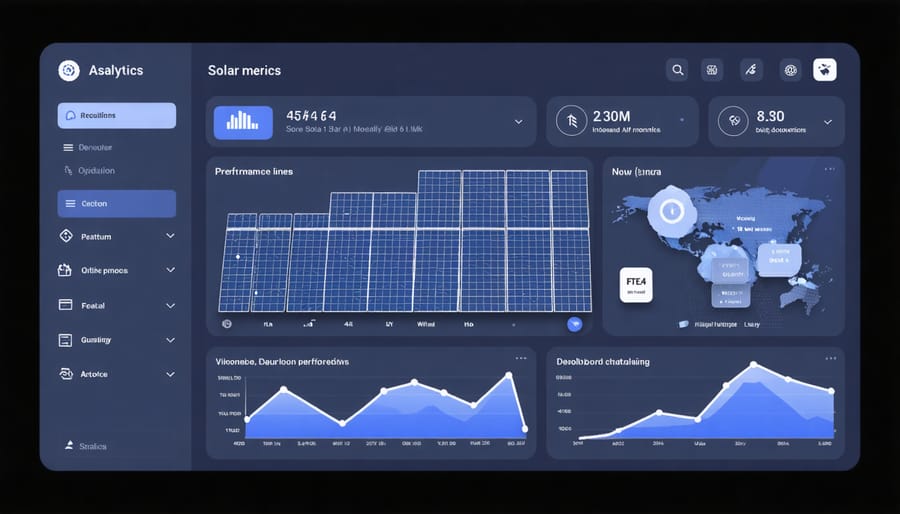
AI-driven monitoring systems represent a significant advancement in how we optimize PV system performance through real-time data analysis. These sophisticated systems utilize machine learning algorithms to continuously track and analyze critical performance metrics, including power output, voltage levels, and environmental conditions affecting solar panel efficiency.
The monitoring infrastructure combines data from multiple sensors with weather forecasts and historical performance records to create comprehensive performance profiles. Advanced AI algorithms can detect subtle variations in panel output, identifying potential issues before they escalate into significant problems. This predictive capability enables proactive maintenance scheduling and system optimization.
Key performance indicators monitored by AI systems include DC-to-AC conversion efficiency, string current measurements, panel degradation rates, and thermal characteristics. The systems also analyze factors such as shading patterns, dust accumulation, and temperature variations that impact overall system efficiency. By processing this data in real-time, AI monitoring solutions can automatically adjust system parameters to maintain optimal performance levels while providing actionable insights through intuitive dashboards and automated reporting mechanisms.
These monitoring capabilities ensure maximum energy yield while reducing operational costs and extending system lifespan through early fault detection and prevention.
Predictive Maintenance Solutions
Predictive maintenance powered by artificial intelligence has revolutionized how solar PV systems are monitored and maintained. AI algorithms analyze vast amounts of real-time sensor data to detect subtle patterns and anomalies that might indicate potential system failures. By processing parameters such as voltage fluctuations, temperature variations, and performance metrics, these systems can forecast maintenance needs weeks or even months in advance.
Machine learning models continuously learn from historical failure data, weather patterns, and performance logs to improve their prediction accuracy. This proactive approach enables maintenance teams to address issues before they escalate into major problems, significantly reducing system downtime and repair costs. The AI systems can distinguish between routine degradation and critical issues, helping prioritize maintenance activities effectively.
Advanced neural networks can even predict specific component failures, such as inverter malfunctions or panel degradation, with remarkable precision. This capability allows facility managers to optimize maintenance schedules, order replacement parts in advance, and coordinate repair activities during periods of low solar production. The result is enhanced system reliability, improved energy yield, and extended equipment lifespan, ultimately maximizing the return on investment for PV installations.
Advanced Analytics for Power Output Optimization
Weather Pattern Analysis
Artificial Intelligence revolutionizes weather pattern analysis for photovoltaic systems by processing vast amounts of meteorological data to optimize solar panel performance and boost energy output. Advanced machine learning algorithms analyze historical weather data, satellite imagery, and real-time atmospheric conditions to predict solar irradiance patterns with unprecedented accuracy.
These AI systems process multiple weather parameters simultaneously, including cloud cover, temperature variations, precipitation probability, and atmospheric particle concentration. By correlating these factors with historical energy production data, the algorithms develop sophisticated models that predict optimal panel positioning throughout the day.
The technology employs neural networks to identify weather-related patterns that might affect solar generation efficiency. This includes analyzing micro-climate variations, seasonal changes, and local weather phenomena that traditional forecasting methods might miss. The AI continuously learns from new data, improving its predictive capabilities over time.
Real-time adjustments based on AI weather analysis enable dynamic optimization of panel tilt angles and tracking systems. The system can anticipate weather changes hours in advance, allowing for preemptive adjustments to maximize energy harvesting during favorable conditions and protect equipment during adverse weather events.
For utility-scale installations, this predictive capability translates into more accurate power generation forecasts, enabling better grid integration and energy distribution planning. The technology also helps operators schedule maintenance activities during periods of lower expected solar resource availability.
Smart Grid Integration
Artificial Intelligence plays a pivotal role in revolutionizing smart grid integration for photovoltaic systems, enabling more efficient power distribution and enhanced grid stability. Through advanced machine learning algorithms, AI systems can predict solar power generation patterns, optimize load balancing, and facilitate seamless integration with smart solar storage solutions.
These intelligent systems continuously monitor grid conditions, analyzing real-time data from multiple sources including weather forecasts, energy consumption patterns, and grid stability parameters. This enables proactive management of power flow, reducing transmission losses and preventing potential grid instabilities.
AI-driven grid management systems excel at handling the intermittent nature of solar power generation by implementing sophisticated demand-response mechanisms. They can automatically adjust power distribution based on real-time demand, weather conditions, and available storage capacity, ensuring optimal grid performance even during peak load periods.
The integration of AI also enhances grid resilience through predictive maintenance and automated fault detection. Machine learning algorithms can identify potential issues before they become critical, allowing for preventive maintenance and reducing downtime. This predictive capability extends to voltage regulation, frequency control, and power quality management, ensuring consistent and reliable power delivery to end-users.
Furthermore, AI systems facilitate the creation of virtual power plants by coordinating multiple distributed PV installations, effectively managing energy resources across the grid network while maintaining system stability and reliability.

Machine Learning Models in Solar Forecasting
Production Forecasting Accuracy
Machine learning algorithms have revolutionized production forecasting in photovoltaic systems by significantly improving prediction accuracy and reliability. These advanced AI models analyze multiple data streams, including historical generation patterns, weather forecasts, satellite imagery, and real-time sensor data to provide precise power output predictions.
Modern ML models can achieve accuracy rates of up to 97% for day-ahead forecasting, representing a substantial improvement over traditional statistical methods. This enhanced accuracy is achieved through sophisticated neural networks that can identify complex patterns and correlations between various environmental factors and power generation outcomes.
The forecasting process typically incorporates both short-term and long-term predictions. Short-term forecasts, ranging from hours to days, help operators optimize daily operations and grid integration. Long-term forecasts, spanning weeks to months, support maintenance scheduling and financial planning.
Key advantages of AI-powered forecasting include:
– Reduced balancing costs through better grid integration
– Improved revenue optimization through accurate production estimates
– Enhanced maintenance scheduling capabilities
– Better resource allocation for operational efficiency
– Decreased uncertainty in power trading operations
These systems continuously learn from new data, improving their accuracy over time through automated model refinement. This self-improving capability ensures that forecasting accuracy remains high even as environmental conditions and system parameters change, making AI-driven forecasting an invaluable tool for modern PV operations.
Load Management Optimization
Load management optimization in PV systems leverages artificial intelligence to create a sophisticated balance between energy generation and consumption. AI algorithms analyze historical consumption patterns, weather forecasts, and real-time generation data to optimize the distribution of solar power across connected loads. These systems employ machine learning techniques to predict peak demand periods and adjust power allocation accordingly.
Smart load controllers powered by AI can prioritize essential loads during periods of limited generation while deferring non-critical consumption to times of peak solar production. This intelligent load scheduling helps maximize self-consumption of solar energy and reduces dependency on grid power. The AI systems continuously learn from usage patterns, improving their prediction accuracy over time.
Advanced load management solutions integrate with battery storage systems, using predictive analytics to determine optimal charging and discharging cycles. These systems can anticipate weather-related production dips and adjust load schedules preemptively. By analyzing factors such as time-of-use pricing, weather forecasts, and historical consumption data, AI algorithms can make real-time decisions that optimize both energy efficiency and cost savings.
The implementation of AI-driven load management has demonstrated significant improvements in system efficiency, with some installations reporting up to 30% reduction in peak demand charges and improved overall energy utilization rates.
Implementation Strategies and Best Practices
Successful implementation of AI solutions in solar PV systems requires a structured approach and careful consideration of several key factors. Begin by conducting a thorough assessment of your existing PV infrastructure and identifying specific areas where AI can provide the most significant impact, such as performance optimization, maintenance scheduling, or power forecasting.
Data quality and collection systems form the foundation of effective AI implementation. Install reliable monitoring equipment and sensors throughout your PV system to gather high-quality data on parameters including irradiance, temperature, power output, and weather conditions. Ensure your data collection infrastructure supports real-time monitoring and maintains consistent accuracy.
Choose appropriate AI algorithms based on your specific use case. For predictive maintenance, machine learning models like random forests or support vector machines often prove effective. For power forecasting, deep learning approaches such as neural networks or sequence models may be more suitable. Consider starting with simpler models and gradually increasing complexity as needed.
Establish a robust testing framework before full deployment. Implement AI solutions in phases, beginning with a pilot program on a smaller subset of your PV system. This approach allows for performance validation and necessary adjustments before scaling up. Document all implementation steps and maintain detailed records of system performance improvements.
Integration with existing systems is crucial for seamless operation. Ensure your AI solution can communicate effectively with your current SCADA systems, inverters, and monitoring platforms. Implement appropriate cybersecurity measures to protect both the AI system and your PV infrastructure from potential threats.
Regular evaluation and optimization of AI models is essential for maintaining performance. Establish clear metrics for success and continuously monitor system performance against these benchmarks. Update and retrain models periodically using new data to maintain accuracy and adapt to changing conditions.
Invest in training technical staff to understand and manage AI systems effectively. Create clear operational procedures and establish protocols for handling AI-generated alerts and recommendations. Regular maintenance of both hardware and software components ensures reliable long-term performance of your AI-enhanced PV system.
Artificial Intelligence has proven to be a transformative force in solar PV optimization, delivering significant improvements in efficiency, maintenance, and overall system performance. Through advanced machine learning algorithms and predictive analytics, AI solutions have demonstrated their ability to enhance energy yield, reduce operational costs, and extend the lifespan of PV installations. As technology continues to evolve, we can expect even more sophisticated AI applications, including enhanced forecasting capabilities, autonomous maintenance systems, and more accurate performance optimization models. The integration of AI with IoT devices and smart grid technologies will further revolutionize the solar energy sector, making renewable energy more accessible and efficient. For stakeholders in the PV industry, embracing AI technologies is no longer optional but essential for maintaining competitive advantage and contributing to a sustainable energy future. The continued collaboration between AI developers, solar manufacturers, and research institutions will be crucial in driving innovation and addressing the growing demands of the renewable energy market.