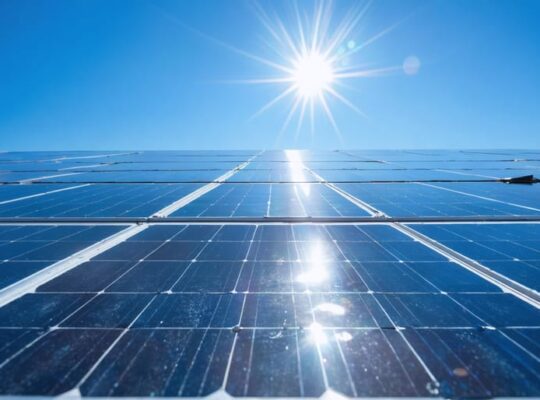
Predictive maintenance revolutionizes solar PV system performance by detecting potential failures before they occur, reducing downtime by up to 45%, and cutting maintenance costs by 30%. Advanced IoT sensors and machine learning algorithms continuously monitor critical components, analyzing real-time data to optimize your solar installations through early fault detection. This proactive approach transforms traditional reactive maintenance into a data-driven strategy, enabling facility managers to schedule interventions precisely when needed.
By integrating predictive maintenance solutions, organizations can extend equipment lifespan by 20%, maximize energy yield, and achieve substantial ROI through prevented failures and optimized performance. Modern predictive maintenance platforms leverage artificial intelligence to analyze historical performance data, weather patterns, and component degradation rates, providing actionable insights for maintenance teams and facility managers.
The implementation of these solutions represents a paradigm shift in solar PV system management, offering unprecedented visibility into system health and performance metrics while ensuring optimal operation throughout the installation’s lifecycle.
The Evolution of Solar PV Maintenance
Traditional vs. Predictive Maintenance
Traditional maintenance approaches rely on fixed schedules or reactive responses to equipment failures, often resulting in unnecessary costs and system downtime. These conventional methods typically involve routine inspections and component replacements based on predetermined intervals, regardless of the actual condition of the equipment.
In contrast, predictive maintenance solutions leverage advanced monitoring technologies and data analytics to anticipate potential failures before they occur. By utilizing sensors, IoT devices, and sophisticated algorithms, these systems continuously analyze performance metrics, environmental conditions, and component health in real-time. This proactive approach enables maintenance teams to identify emerging issues early, optimize resource allocation, and schedule repairs during planned downtimes.
The advantages of predictive maintenance over traditional methods are significant. While conventional maintenance might miss developing problems or waste resources on unnecessary interventions, predictive solutions provide data-driven insights that help reduce maintenance costs by up to 30% and extend equipment lifespan by 20-40%. Furthermore, predictive maintenance minimizes unexpected failures, improves system reliability, and ensures optimal performance throughout the solar installation’s lifecycle.

Core Components of Predictive Maintenance Solutions
IoT Sensors and Data Collection
IoT sensors form the foundation of modern predictive maintenance systems in solar PV installations. These sophisticated devices continuously monitor critical parameters including voltage, current, temperature, irradiance, and environmental conditions. Advanced sensor networks typically incorporate thermal imaging cameras, power optimizers, and smart inverters that work in concert to gather comprehensive performance data.
Data collection occurs through strategically placed sensors that measure both electrical and mechanical parameters. These sensors transmit real-time information via secure wireless protocols to central monitoring systems. Key measurements include panel degradation rates, inverter efficiency, string performance, and micro-environmental factors that might affect system output.
The integration of smart monitoring devices enables the capture of high-resolution performance data at intervals ranging from milliseconds to hours. This granular approach to data collection allows for the detection of subtle changes in system behavior that might indicate emerging issues. Modern IoT platforms also incorporate edge computing capabilities, performing initial data processing at the sensor level to reduce transmission loads and enable faster response times.
The collected data serves as the basis for advanced analytics and machine learning algorithms that predict potential equipment failures and optimize maintenance schedules.

AI and Machine Learning Algorithms
Predictive maintenance solutions leverage sophisticated AI and machine learning algorithms to process vast amounts of operational data from solar PV systems. These AI-driven PV management systems employ multiple algorithmic approaches, including neural networks, decision trees, and support vector machines, to analyze performance metrics and environmental data in real-time.
The algorithms excel at pattern recognition, identifying subtle deviations from optimal operating conditions that might escape traditional monitoring methods. By processing historical performance data, weather patterns, and component-specific parameters, these systems can predict potential failures weeks or even months before they occur.
Machine learning models continuously improve their accuracy through iterative learning, adapting to site-specific conditions and seasonal variations. They analyze correlations between various operational parameters, such as voltage fluctuations, temperature variations, and power output, to establish baseline performance metrics and detect anomalies.
These intelligent systems also incorporate sophisticated fault classification mechanisms, enabling them to distinguish between different types of maintenance issues and prioritize interventions based on severity and potential impact on system performance. This targeted approach ensures optimal resource allocation and maximizes system uptime.
Real-time Monitoring Systems
Modern real-time monitoring solutions form the backbone of effective predictive maintenance strategies in solar PV systems. These sophisticated platforms continuously collect and analyze performance data from multiple sensors, including voltage monitors, current meters, and environmental sensors, providing comprehensive system oversight.
Advanced monitoring systems typically incorporate three key components: data acquisition hardware, transmission infrastructure, and analytical software. The hardware consists of strategically placed sensors that measure critical parameters such as power output, temperature variations, and equipment status. This data is transmitted through secure networks to centralized platforms where sophisticated algorithms process the information.
The analytical software employs machine learning techniques to establish performance baselines and detect anomalies that might indicate potential failures. System operators receive automated alerts when parameters deviate from expected values, enabling proactive intervention before issues escalate into serious problems.
These platforms also generate detailed performance reports, trend analyses, and maintenance recommendations, enabling facility managers to optimize maintenance schedules and resource allocation. The integration of weather forecasting data further enhances predictive capabilities by accounting for environmental factors that impact system performance.
Implementation Strategy
System Assessment and Planning
A thorough system assessment forms the foundation of successful predictive maintenance implementation. Begin by conducting a comprehensive audit of your existing solar PV infrastructure, documenting key components, their age, and current maintenance practices. This baseline evaluation should include performance metrics, historical failure data, and maintenance costs.
Create an asset hierarchy that prioritizes critical components based on their impact on system performance and potential failure consequences. Consider factors such as component cost, replacement time, and the effect of failure on overall energy production. This hierarchical approach helps allocate resources effectively and determines appropriate monitoring strategies.
Develop clear implementation objectives aligned with your organization’s goals. These might include reducing downtime, extending equipment lifespan, or optimizing maintenance costs. Quantify these objectives with specific, measurable targets to evaluate success.
Assess your current technological capabilities and identify gaps in monitoring infrastructure. This includes evaluating sensor requirements, data collection systems, and analysis tools needed for predictive maintenance. Consider both hardware and software requirements, ensuring compatibility with existing systems.
Create a detailed implementation timeline that includes pilot testing phases, staff training programs, and gradual rollout plans. Account for potential disruptions to ongoing operations and plan accordingly. Establish key performance indicators (KPIs) to measure implementation progress and maintenance effectiveness.
Calculate the required investment, including equipment costs, software licenses, training expenses, and additional personnel if needed. Develop a comprehensive budget that accounts for both initial implementation and ongoing operational costs.
Integration and Optimization
The successful integration of predictive maintenance solutions requires a systematic approach that aligns with existing operational frameworks. Organizations should begin by conducting a thorough assessment of their current maintenance practices and identifying specific areas where predictive technologies can deliver the most value.
Implementation should follow a phased approach, starting with pilot programs in critical system components before expanding to full-scale deployment. This method allows organizations to validate the effectiveness of predictive maintenance tools while minimizing disruption to ongoing operations.
Data integration plays a crucial role in optimization. Establish robust data collection protocols and ensure compatibility between various monitoring systems. This includes integrating sensor networks, SCADA systems, and analytics platforms to create a unified data ecosystem that enables comprehensive system analysis.
Staff training is essential for maximizing the benefits of predictive maintenance solutions. Develop comprehensive training programs that cover both technical aspects of the new systems and data interpretation skills. This ensures that maintenance teams can effectively utilize predictive insights in their daily operations.
Regular performance evaluation and continuous improvement processes should be implemented to optimize the solution’s effectiveness. Set clear Key Performance Indicators (KPIs) to measure success, such as reduction in downtime, maintenance costs, and improved system efficiency. Use these metrics to fine-tune the predictive maintenance strategy and adjust parameters as needed.
Remember to maintain strong cybersecurity protocols throughout the integration process, as connected systems can introduce new vulnerabilities that must be properly managed.
Measuring Success and ROI

Key Performance Indicators
Effective predictive maintenance solutions rely on carefully selected Key Performance Indicators (KPIs) to measure and optimize system performance. These metrics provide crucial insights into maintenance effectiveness and help organizations make data-driven decisions for their solar installations.
Mean Time Between Failures (MTBF) serves as a fundamental indicator, measuring the average time between system failures and helping establish maintenance intervals. Similarly, Mean Time to Repair (MTTR) tracks the efficiency of maintenance operations by measuring the average time required to complete repairs.
Overall Equipment Effectiveness (OEE) combines availability, performance, and quality metrics to provide a comprehensive view of system health. This metric is particularly valuable when evaluating solar panel efficiency and maintenance impact on energy production.
Asset Reliability Index (ARI) measures the probability of equipment performing its intended function without failure, while Maintenance Cost per Unit of Production helps organizations understand the financial implications of their maintenance strategies.
Performance Ratio (PR) specifically monitors solar installation effectiveness by comparing actual versus theoretical energy output. This metric accounts for environmental factors and system losses, making it essential for identifying maintenance needs.
Leading indicators such as vibration analysis readings, thermal imaging results, and inverter performance data provide early warning signs of potential failures. These proactive metrics enable maintenance teams to address issues before they impact system performance.
Regular monitoring and analysis of these KPIs ensure optimal system performance while minimizing downtime and maintenance costs.
Predictive maintenance solutions have revolutionized the way solar PV systems are monitored and maintained, offering substantial benefits across operational efficiency, cost reduction, and system longevity. By leveraging advanced analytics, IoT sensors, and machine learning algorithms, organizations can now detect potential failures before they occur, optimize maintenance schedules, and maximize energy production.
The implementation of predictive maintenance has demonstrated significant returns on investment, with studies showing up to 30% reduction in maintenance costs and 70% decrease in system downtime. These solutions have proven particularly valuable for large-scale solar installations, where even minor improvements in efficiency can translate into substantial financial gains.
Looking ahead, the future of predictive maintenance in solar PV systems appears increasingly promising. Technological advancements in artificial intelligence and sensor capabilities will enable more accurate predictions and automated decision-making processes. Integration with smart grid technologies and energy management systems will further enhance the value proposition of predictive maintenance solutions.
As the solar industry continues to grow and mature, predictive maintenance will play an increasingly crucial role in ensuring the reliability and sustainability of renewable energy infrastructure. Organizations that embrace these solutions early will be better positioned to navigate the challenges of system optimization and maintenance while maintaining competitive advantages in the evolving energy landscape.