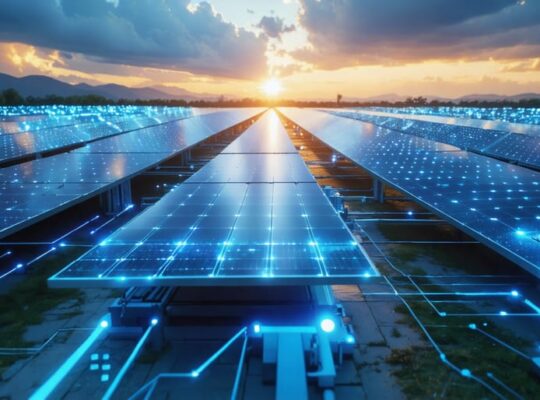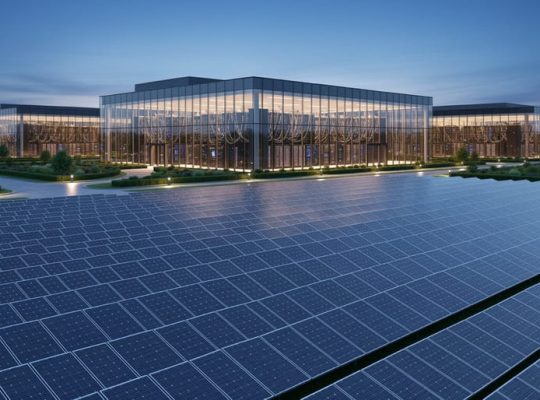
Implementing robust infrastructure for solar PV storage systems requires precise engineering, substantial investment, and strategic planning to ensure optimal performance and longevity. Modern solar installations demand sophisticated electrical infrastructure, including advanced inverter systems, robust transmission networks, and intelligent monitoring capabilities that seamlessly integrate with existing power grids. Beyond equipment specifications, successful solar deployment hinges on comprehensive site assessment, structural reinforcement of mounting surfaces, and establishment of reliable backup systems for continuous operation.
The evolution of solar technology has revolutionized infrastructure requirements, necessitating adaptation of traditional power distribution networks to accommodate bidirectional energy flow, enhanced grid stability measures, and advanced energy management systems. These technical demands must be balanced with environmental considerations, regulatory compliance, and economic feasibility to create sustainable, efficient solar energy solutions. Understanding these infrastructure requirements is crucial for stakeholders planning large-scale solar implementations or upgrading existing installations to meet growing energy demands while maintaining system reliability and safety standards.
Fundamental Storage System Components
Battery Systems and Enclosures
Modern battery storage systems are essential components of solar energy infrastructure, requiring careful consideration of both technology selection and housing requirements. Lithium-ion batteries dominate the market due to their high energy density, longer cycle life, and declining costs. These systems typically operate at efficiencies between 85-95% and provide storage capacities ranging from 5kWh for residential applications to several MWh for utility-scale installations.
Battery enclosures must meet specific standards for temperature control, ventilation, and moisture protection. The optimal operating temperature range for most battery systems is between 20-25°C (68-77°F), necessitating climate control systems in extreme environments. Enclosures should be constructed from fire-resistant materials and equipped with thermal management systems to prevent thermal runaway.
Safety features must include proper electrical isolation, overcurrent protection, and battery management systems (BMS) that monitor cell voltage, temperature, and state of charge. NEMA-rated enclosures provide protection against environmental factors, with NEMA 3R being the minimum requirement for outdoor installations.
Maintenance access points and proper clearance around battery banks are crucial for regular inspections and servicing. The enclosure design should also incorporate adequate ventilation systems to disperse any potential gas accumulation and maintain safe operating conditions. Regular monitoring and maintenance protocols ensure optimal performance and extended battery life while maintaining safety standards.
Power Conversion Equipment
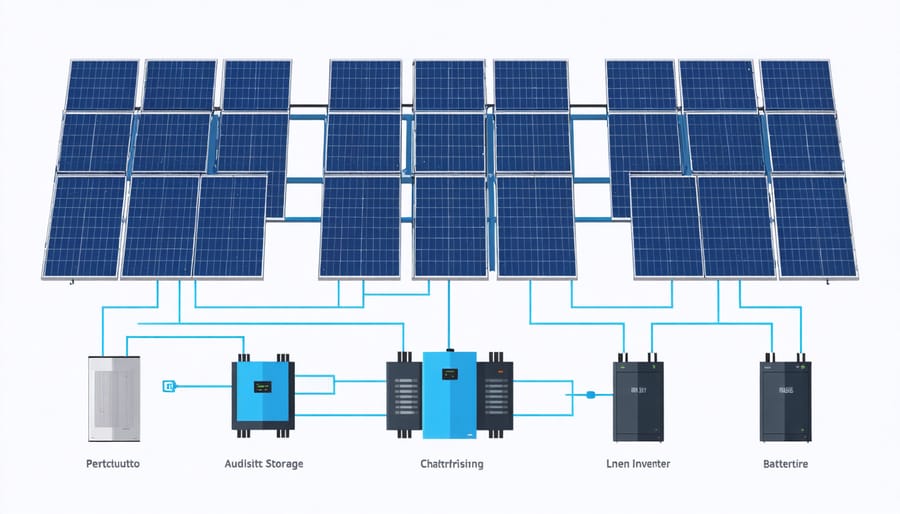
Power conversion equipment plays a crucial role in transforming solar energy into usable electricity for homes and businesses. The primary components include inverters, charge controllers, and power management systems, each serving specific functions in the solar infrastructure.
Inverters are essential devices that convert direct current (DC) generated by solar panels into alternating current (AC) suitable for household appliances and the electrical grid. Modern solar installations typically utilize either string inverters for smaller setups or microinverters for optimized performance in larger systems.
Charge controllers regulate the voltage and current flowing from solar panels to batteries, preventing overcharging and extending battery life. Maximum Power Point Tracking (MPPT) controllers are particularly effective, offering up to 30% more efficiency compared to traditional controllers by optimizing the voltage-current relationship.
Power management systems integrate these components while monitoring system performance, energy production, and consumption patterns. Advanced systems feature remote monitoring capabilities, automatic shutdown mechanisms, and grid interaction controls for feed-in management. These sophisticated controls ensure optimal energy distribution, system protection, and compliance with utility requirements.
When selecting conversion equipment, factors such as system size, environmental conditions, and grid connection requirements must be carefully considered to ensure reliable operation and maximum energy yield.
Safety Infrastructure Requirements
Fire Protection Systems
Fire protection systems are critical components of solar energy infrastructure, designed to detect, prevent, and suppress potential fire hazards while ensuring rapid emergency response capabilities. These systems typically incorporate multiple layers of protection, including advanced smoke and heat detection sensors strategically placed throughout solar installations.
Modern solar facilities employ intelligent fire detection systems that utilize photoelectric and ionization sensors to identify both smoldering and fast-burning fires. These sensors are connected to centralized monitoring stations that provide real-time alerts and automated emergency notifications to first responders.
Fire suppression infrastructure includes both active and passive systems. Active systems comprise automatic sprinklers, clean agent suppression systems, and specialized foam-based solutions designed specifically for electrical fires. Passive fire protection features include fire-resistant barriers, compartmentalization, and flame-retardant materials used in construction and component housing.
Emergency response infrastructure encompasses clearly marked access routes, dedicated water supplies, and specialized equipment storage areas. Solar facilities must maintain adequate water pressure and volume through dedicated fire pumps and storage tanks. Emergency shutdown capabilities are integrated into the system design, allowing rapid power isolation during fire events.
Fire protection documentation and response protocols are essential components, including detailed site maps, emergency contact information, and specific procedures for handling solar-related fires. Regular maintenance schedules, inspection protocols, and testing requirements ensure system reliability and compliance with local fire codes and safety regulations.
Training programs for facility personnel and local fire departments are crucial, focusing on the unique challenges of solar installation fires and proper response procedures. These programs include hands-on exercises and periodic drills to maintain emergency preparedness.
Monitoring and Control Systems
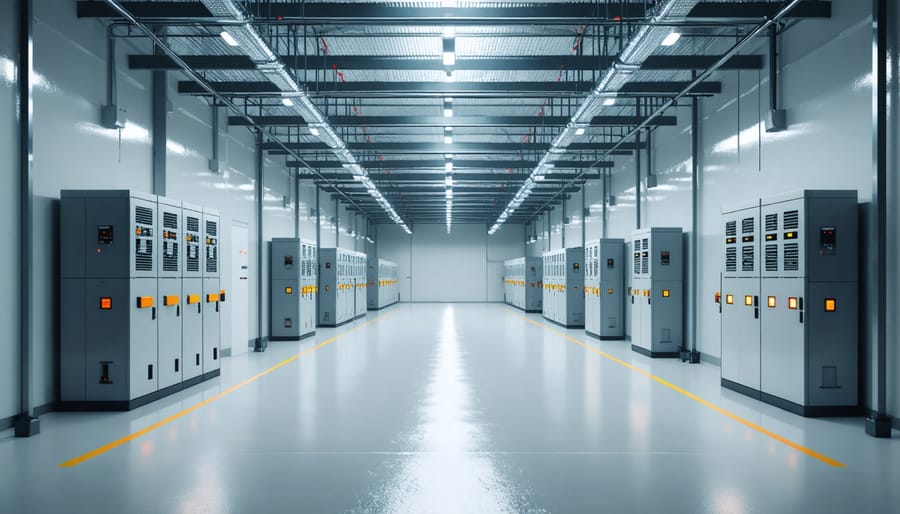
Effective monitoring and control systems are essential components of solar energy infrastructure, ensuring optimal performance, security, and reliability of photovoltaic installations. These systems typically integrate SCADA (Supervisory Control and Data Acquisition) technology with advanced sensors to provide real-time monitoring of system performance, environmental conditions, and equipment status.
Key monitoring requirements include power output tracking, inverter performance analysis, and weather station integration. Modern systems employ IoT sensors to measure voltage, current, temperature, and irradiance levels across the installation. This data enables predictive maintenance strategies and helps identify potential issues before they impact system efficiency.
Security infrastructure encompasses both physical and cybersecurity measures. Physical security includes perimeter fencing, access control systems, and surveillance cameras with motion detection capabilities. Cybersecurity protocols protect against unauthorized access to control systems and data networks, implementing encryption, firewalls, and secure authentication mechanisms.
Remote monitoring capabilities allow operators to access system data and controls from centralized locations, facilitating efficient management of multiple installations. Advanced analytics platforms process collected data to generate performance reports, maintenance schedules, and operational recommendations.
Emergency response systems are integrated into the monitoring infrastructure, featuring automated shutdown mechanisms and alert systems for critical events. These systems must comply with relevant safety standards and grid connection requirements, ensuring seamless integration with existing power infrastructure while maintaining system stability and reliability.
Regular calibration and maintenance of monitoring equipment ensure accurate data collection and system optimization, contributing to the overall efficiency and longevity of solar energy installations.
Environmental Control Infrastructure
Temperature Management
Temperature management is crucial for maintaining optimal performance and longevity of solar energy infrastructure. Solar photovoltaic (PV) panels operate most efficiently within specific temperature ranges, typically between 15-35°C (59-95°F). As panels heat up, their efficiency decreases by approximately 0.3-0.5% per degree Celsius above optimal operating temperatures.
Effective cooling systems are essential components of solar installations. Active cooling methods include forced-air ventilation systems, liquid cooling circuits, and heat sink technologies. These systems help dissipate excess heat and maintain stable operating temperatures. Passive cooling strategies, such as proper panel spacing and natural airflow channels, complement active systems while reducing energy consumption.
Thermal regulation extends beyond panel cooling to include inverter and battery storage systems. Climate-controlled equipment rooms require HVAC systems sized appropriately for heat loads. Temperature monitoring systems with automated controls help maintain optimal conditions while preventing system failures.
Ventilation requirements vary based on installation type and location. Roof-mounted systems need adequate airflow beneath panels, typically achieved through mounting structures that create air gaps of 100-150mm. Ground-mounted installations benefit from natural air circulation but may require additional cooling infrastructure in high-temperature regions.
Modern solar facilities increasingly implement smart thermal management solutions, incorporating sensors and predictive analytics to optimize cooling system operation and energy efficiency. These systems adjust cooling parameters based on real-time environmental conditions and system performance data.
Humidity and Atmospheric Controls
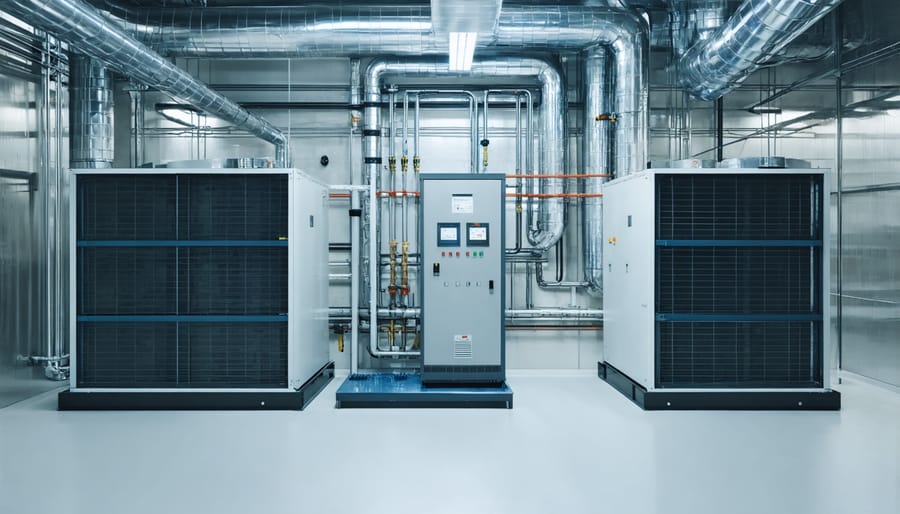
Effective humidity and atmospheric control systems are crucial components in solar energy infrastructure, particularly for protecting sensitive electronic equipment and maintaining optimal performance of photovoltaic systems. These systems typically comprise dehumidifiers, ventilation units, and air filtration mechanisms that work together to create a stable environment for solar equipment.
Temperature and moisture fluctuations can significantly impact the efficiency and longevity of solar components. Humidity control systems maintain relative humidity levels between 30% and 60%, preventing condensation that could lead to corrosion of electrical connections and degradation of solar panel backing materials. Advanced moisture sensors and automated climate control systems continuously monitor environmental conditions, triggering corrective measures when parameters deviate from preset ranges.
Air quality management systems filter out particulate matter, including dust, pollen, and industrial pollutants, which can accumulate on solar panels and reduce their efficiency. These systems often incorporate HEPA filters and positive pressure mechanisms to maintain clean air within equipment enclosures.
Modern atmospheric control systems also feature integrated monitoring capabilities that alert facility managers to potential issues before they become critical. These systems can be remotely monitored and adjusted, enabling proactive maintenance and reducing the risk of equipment failure due to environmental factors. Regular maintenance of these control systems, including filter replacement and sensor calibration, is essential for ensuring consistent performance of solar infrastructure components.
Compliance and Integration Requirements
Solar energy infrastructure must comply with numerous standards and regulations to ensure safe, reliable operation and seamless grid integration. The National Electrical Code (NEC) Article 690 provides comprehensive requirements for photovoltaic system installations, covering everything from equipment specifications to wiring methods. These standards are regularly updated to reflect technological advances and safety considerations.
Grid integration infrastructure requires sophisticated interconnection equipment that meets IEEE 1547 standards, which govern how distributed energy resources connect to the power grid. This includes smart inverters capable of providing grid support functions, such as voltage regulation and frequency response. Utility companies typically require additional protective equipment, such as disconnect switches and monitoring systems, to ensure grid stability and safety.
Local building codes and zoning regulations play a crucial role in solar infrastructure development. These regulations often dictate structural requirements, setback distances, and height restrictions for both roof-mounted and ground-mounted systems. Many jurisdictions have adopted specific solar-ready building codes that streamline the integration of photovoltaic systems into new construction projects.
Compliance with international standards, such as IEC 61215 for module quality and IEC 62446 for system documentation, is essential for ensuring equipment reliability and performance. These standards establish testing protocols and minimum requirements for components used in solar installations.
Environmental regulations must also be considered, particularly for utility-scale installations. This includes environmental impact assessments, wildlife protection measures, and stormwater management plans. Some regions require specific permits related to glare analysis and visual impact studies.
Monitoring and reporting infrastructure is often mandatory to comply with renewable energy credits (RECs) and incentive programs. This requires sophisticated data acquisition systems and communication protocols that meet cyber security standards while providing accurate performance metrics.
For optimal grid integration, many utilities now require advanced grid support features, including ramp rate controls and curtailment capabilities. This infrastructure enables solar systems to respond to grid conditions and maintain stability while maximizing renewable energy utilization.
The successful implementation of solar energy infrastructure requires careful consideration of multiple interconnected components and systems. From robust mounting structures and efficient photovoltaic arrays to sophisticated power conversion equipment and comprehensive monitoring systems, each element plays a vital role in creating a reliable solar power installation.
As the renewable energy sector continues to evolve, infrastructure requirements must adapt to accommodate emerging technologies and increasing demand. Grid integration capabilities, energy storage solutions, and smart monitoring systems are becoming increasingly critical components of modern solar installations. These advanced features enable better power management, improved reliability, and enhanced system performance.
Looking ahead, solar infrastructure development will need to focus on scalability, durability, and cost-effectiveness. The integration of artificial intelligence and machine learning technologies promises to optimize system performance and maintenance procedures further. Additionally, the growing emphasis on distributed energy resources necessitates robust communication networks and advanced grid management systems.
Future considerations must also address environmental impacts, land use requirements, and community engagement. Sustainable manufacturing practices, recycling programs for solar components, and efficient use of space will become increasingly important as solar adoption grows. Infrastructure planning should incorporate these factors while maintaining compliance with evolving regulatory standards and safety requirements.
The success of solar energy deployment ultimately depends on thoughtful infrastructure planning that balances technical requirements, economic feasibility, and environmental responsibility. Continuous innovation and adaptation of infrastructure solutions will remain crucial for meeting the growing demands of renewable energy integration.