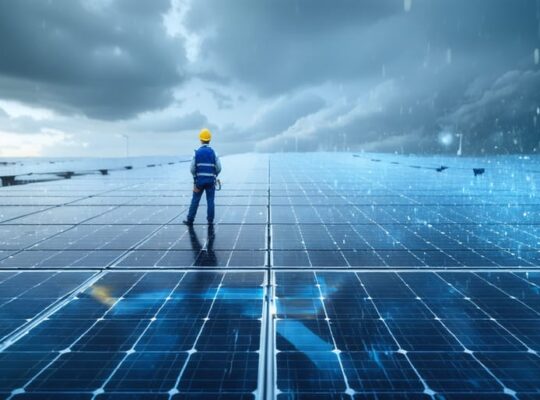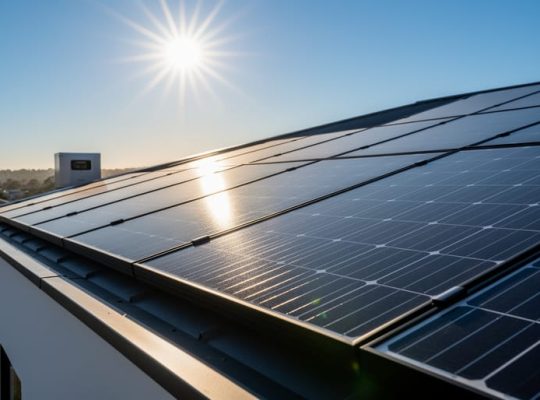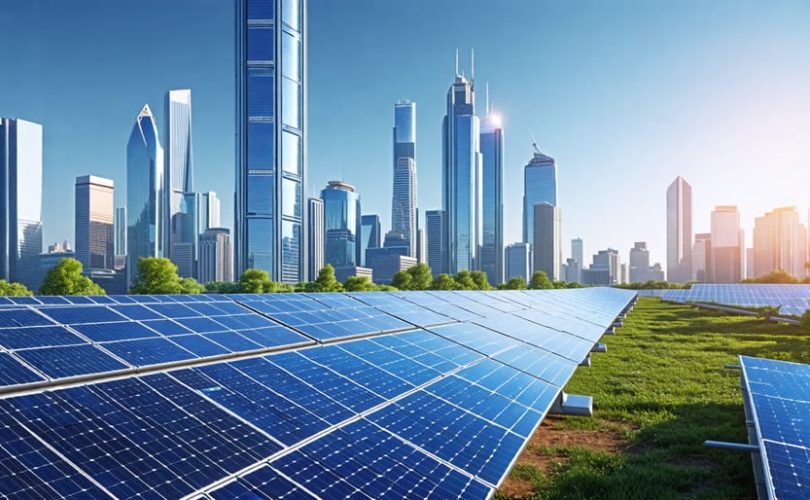
Discover the unparalleled reliability of solar panels, a cornerstone of the renewable energy revolution. Rigorous testing standards, meticulous manufacturing processes, and cutting-edge technologies converge to create photovoltaic systems that endure the test of time. With lifespans exceeding 25 years and performance guarantees backed by industry-leading warranties, solar panels offer a dependable and sustainable energy solution. Embrace the power of the sun and invest in a future where reliability and sustainability go hand in hand, paving the way for a cleaner, greener world.
Key Factors Affecting Solar Panel Reliability
Materials and Manufacturing Quality
The quality of materials and manufacturing processes used in solar panel production play a crucial role in determining their long-term reliability and performance. High-quality materials, such as premium-grade silicon, low-iron tempered glass, and durable encapsulants, contribute to the panel’s ability to withstand harsh environmental conditions and maintain optimal energy conversion efficiency over time. Rigorous quality control measures during manufacturing ensure that each component meets strict industry standards and is free from defects that could compromise the panel’s integrity. Advanced manufacturing techniques, like automated assembly lines and precision laser cutting, further enhance the consistency and reliability of the final product. Reputable manufacturers often employ extensive testing procedures, subjecting their panels to extreme temperatures, humidity, and mechanical stress to validate their durability and performance under real-world conditions. By investing in superior materials and adhering to stringent manufacturing standards, solar panel manufacturers can produce reliable, high-performance modules that deliver consistent energy output and have a longer operational lifespan, ultimately providing better value for consumers and contributing to the overall success of solar energy projects.
Environmental Conditions
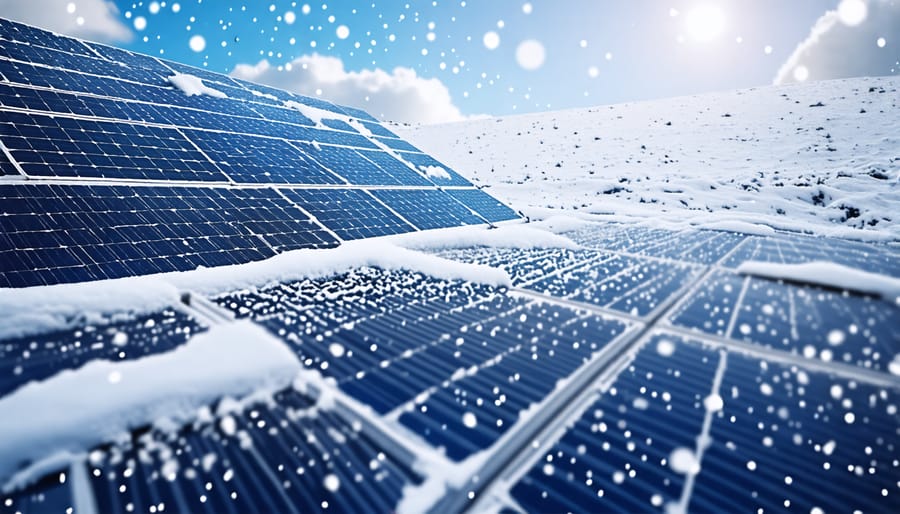
Solar panels are exposed to various environmental conditions that can significantly impact their reliability and performance over time. Temperature plays a crucial role, as high temperatures can reduce the efficiency of solar cells, leading to decreased power output. Conversely, cooler temperatures can enhance solar panel performance. Humidity is another factor to consider, as excessive moisture can lead to corrosion and degradation of solar panel components, compromising their reliability.
Wind can also affect solar panel reliability, particularly in areas prone to strong gusts or severe weather events. High winds can cause physical damage to solar panels, such as cracking or dislodging, which can impair their functionality. Precipitation, including rain, snow, and hail, can also pose challenges. While most solar panels are designed to withstand moderate amounts of precipitation, heavy downpours or prolonged exposure to moisture can lead to water ingress, potentially causing electrical issues or reduced performance.
To mitigate the impact of environmental conditions on solar panel reliability, manufacturers employ various strategies. These include using high-quality, durable materials, applying protective coatings, and designing panels with robust sealing and drainage systems. Regular maintenance, such as cleaning and inspections, can also help identify and address any environmental-related issues before they escalate. By understanding the effects of environmental conditions on solar panel reliability, industry professionals and consumers can make informed decisions regarding installation, maintenance, and long-term performance expectations.
Installation and Maintenance Practices
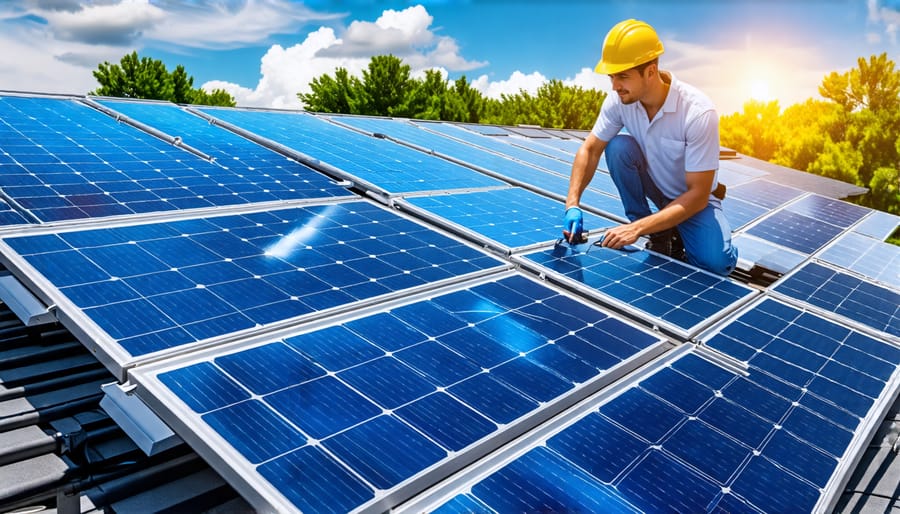
Proper installation and maintenance practices play a critical role in ensuring the reliability and longevity of solar panels. Professional installation by certified technicians is essential to optimize panel performance and minimize potential issues. Correct mounting, wiring, and configuration ensure that panels operate efficiently and safely. Regular maintenance, including cleaning panels to remove dirt, dust, and debris, helps maintain optimal energy production. Monitoring panel performance and promptly addressing any issues, such as damaged cells or electrical faults, can prevent more severe problems and extend the lifespan of the system. Scheduling annual inspections by qualified professionals allows for early detection and resolution of potential concerns. By prioritizing proper installation and proactive maintenance, solar panel owners can maximize the reliability and long-term benefits of their investment in renewable energy. Neglecting these crucial aspects can lead to reduced efficiency, safety hazards, and premature failure of solar panels. Investing time and resources into installation and maintenance best practices is a wise decision that pays off in the form of reliable, sustainable energy production for years to come.
Advancements in Solar Panel Technology
Monocrystalline and Multi-crystalline Modules
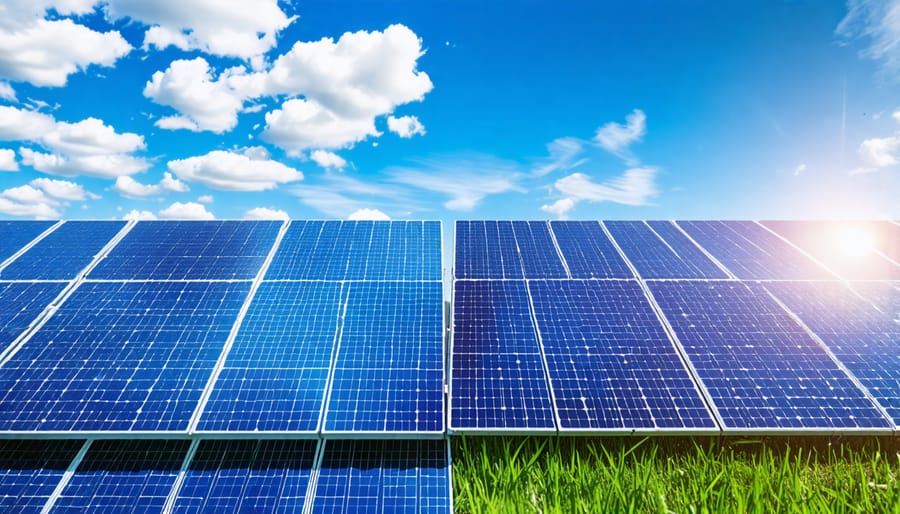
Monocrystalline and multi-crystalline solar modules are two primary technologies used in solar panels, each offering unique advantages in terms of reliability and performance. Monocrystalline and multi-crystalline solar modules differ in their manufacturing process and cell structure, resulting in distinct characteristics that impact their overall efficiency and longevity.
Monocrystalline modules are known for their higher efficiency, typically ranging from 17% to 22%. The single-crystal structure allows for better electron flow, leading to enhanced power output and performance in low-light conditions. These modules also tend to have a longer lifespan, with many manufacturers offering warranties of up to 25 years.
On the other hand, multi-crystalline modules offer a more cost-effective solution while still maintaining good reliability. Although their efficiency is slightly lower than monocrystalline modules, ranging from 15% to 17%, they are less expensive to manufacture. Multi-crystalline modules perform well in high-temperature environments and have a slightly lower temperature coefficient, meaning their performance is less affected by heat compared to monocrystalline modules.
Both monocrystalline and multi-crystalline modules undergo rigorous testing and quality control measures to ensure their reliability and durability. They are designed to withstand harsh weather conditions, including high winds, heavy snow loads, and extreme temperatures. The choice between the two technologies often depends on specific project requirements, budget constraints, and environmental factors.
Mono PERC Panels and Solar Tiles
As solar technology continues to evolve, newer innovations like mono PERC panels and solar tiles are revolutionizing the industry by enhancing the reliability and adaptability of solar energy systems. Mono PERC (Passivated Emitter and Rear Cell) panels employ a specialized cell architecture that allows for higher energy conversion efficiency, improved low-light performance, and better temperature coefficient compared to traditional monocrystalline panels. This advanced technology enables mono PERC panels to generate more power in various weather conditions, making them a reliable choice for both residential and commercial applications. Solar tiles, also known as solar shingles, seamlessly integrate with existing roofing materials, offering an aesthetically pleasing and durable alternative to conventional solar panels. These innovative tiles are designed to withstand harsh weather conditions, such as high winds, hail, and heavy snow loads, ensuring long-lasting performance and reliability. As these cutting-edge technologies gain traction in the market, they are expected to further bolster the dependability and versatility of solar energy systems, making them an increasingly attractive option for consumers seeking reliable and sustainable power solutions.
Ensuring Solar Panel Reliability
Choosing High-Quality Products
When selecting solar panels, opt for products from established and reputable manufacturers with a proven track record of quality and reliability. Look for panels with high efficiency ratings, as this indicates their ability to convert sunlight into electricity effectively. Ensure that the panels are certified to meet industry standards, such as IEC 61215 and IEC 61730, which guarantee their performance and safety. Choose panels with robust materials and construction, such as tempered glass and anodized aluminum frames, to withstand harsh weather conditions. Consider the warranty offered by the manufacturer, as longer warranties often signify higher quality and confidence in the product’s reliability. Additionally, research the manufacturer’s customer support and service network to ensure prompt assistance in case of any issues. By selecting high-quality components from trusted brands, you can minimize the risk of system failures and maximize the long-term performance and reliability of your solar installation.
Working with Qualified Professionals
When it comes to ensuring the reliability and longevity of solar panels, working with qualified professionals is crucial. Collaborating with experienced solar PV installers and maintenance teams can make a significant difference in the performance and lifespan of your solar energy system. These professionals have the knowledge, skills, and tools necessary to properly design, install, and maintain solar panels, minimizing the risk of defects, malfunctions, or premature degradation. They can also provide valuable guidance on selecting high-quality components, optimizing system configurations, and implementing effective monitoring and maintenance practices. By partnering with reputable solar PV professionals, you can have confidence in the reliability of your solar panels and enjoy the long-term benefits of clean, renewable energy. Whether you are a homeowner, business owner, or solar energy enthusiast, investing in the expertise of qualified professionals is a wise decision that can help ensure the success and sustainability of your solar energy journey.
Conclusion
Solar panel reliability is a critical factor in the widespread adoption of solar energy. Throughout this article, we have explored the key aspects that contribute to the longevity and performance of solar panels, including material quality, manufacturing processes, and environmental factors. Technological advancements in solar cell design, encapsulation techniques, and testing methods have significantly improved the reliability of modern solar panels. However, it is essential for solar energy stakeholders to prioritize the selection of reliable solar technology and adhere to proper maintenance practices to ensure optimal performance and long-term benefits. By investing in reliable solar panels and maintaining them effectively, we can collectively work towards a sustainable future powered by clean, dependable solar energy.