Structural integrity forms the cornerstone of safe, reliable solar PV installations, determining both immediate performance and system longevity. This fundamental engineering principle encompasses the ability of a structure to withstand anticipated loads while maintaining its original shape, stability, and functionality throughout its operational lifetime. In solar installations, structural integrity involves precise calculations of dead loads from equipment weight, live loads from maintenance personnel, environmental forces from wind and snow, and seismic considerations where applicable. Professional engineers must evaluate these complex interactions while adhering to local building codes and industry standards to ensure safe, lasting installations. Understanding structural integrity becomes particularly crucial as solar installations grow in size and complexity, requiring careful attention to mounting systems, roof capacity, and foundation design. This comprehensive approach to structural engineering not only protects significant investments but also ensures the safety of installation teams and building occupants while maximizing energy production efficiency.
What Makes a Solar Installation Structurally Sound?
Load-Bearing Capacity
In solar PV installations, understanding load-bearing capacity is crucial for maintaining structural integrity. Dead loads refer to the permanent, static weight of the system components, including solar panels, mounting hardware, and racking systems. These constant forces exert continuous pressure on the supporting structure throughout the system’s lifetime.
Live loads, on the other hand, encompass variable forces such as wind pressure, snow accumulation, maintenance personnel, and environmental factors. These dynamic loads can fluctuate significantly based on weather conditions and geographical location. For example, regions with heavy snowfall require structures capable of supporting substantial additional weight during winter months.
The combined effect of dead and live loads must be carefully calculated during the design phase to ensure the supporting structure can safely accommodate all anticipated forces. Engineers typically apply safety factors to these calculations, accounting for extreme weather events and potential structural degradation over time. This comprehensive approach to load analysis helps prevent structural failures and ensures the long-term stability of solar installations.
When assessing load-bearing capacity, consideration must also be given to the existing structure’s condition and its ability to support additional weight. This often requires detailed structural evaluations and may necessitate reinforcement measures before installation.

Material Strength and Durability
The selection of appropriate materials and fasteners is crucial for ensuring long-term structural integrity in solar PV installations. High-grade aluminum and stainless steel components are industry standards due to their excellent strength-to-weight ratio and corrosion resistance. These materials maintain their structural properties even when exposed to harsh weather conditions, UV radiation, and temperature fluctuations.
Mounting systems typically utilize corrosion-resistant fasteners, including stainless steel bolts, nuts, and washers, rated for sustained outdoor exposure. The durability of these components is measured through standardized testing procedures that simulate years of environmental stress. Quality fasteners must meet or exceed minimum load-bearing specifications while resisting galvanic corrosion when different metals come into contact.
Environmental factors such as wind loads, snow accumulation, and thermal expansion require materials with specific mechanical properties. For instance, mounting rails must demonstrate adequate flexural strength to prevent sagging under heavy snow loads, while roof attachments need sufficient pull-out strength to resist uplift forces during high winds. Regular inspection of these components ensures they maintain their structural integrity throughout the system’s operational lifetime.
Critical Factors Affecting Structural Integrity
Environmental Considerations
Environmental factors play a crucial role in determining and maintaining structural integrity in solar PV installations. Wind loads represent one of the most significant environmental considerations, as solar arrays must withstand varying wind speeds and directions. The pressure exerted by wind can create both uplift and downward forces, requiring careful calculation of load distributions and appropriate mounting system selection.
Snow loads present another critical environmental challenge, particularly in regions with heavy snowfall. The additional weight of accumulated snow can stress mounting structures and panels, necessitating robust support systems designed to handle these seasonal loads. Engineers must account for both the weight of fresh snow and the potential for ice formation, which can significantly increase the total load on structural components.
Thermal expansion and contraction of materials due to temperature fluctuations pose ongoing challenges to structural integrity. Solar panels and mounting systems experience daily and seasonal temperature variations, which can cause materials to expand and contract at different rates. This thermal cycling can lead to mechanical stress on mounting hardware, potentially compromising structural connections over time if not properly addressed in the initial design.
To maintain structural integrity against these environmental factors, installations must incorporate appropriate safety factors in their design calculations and utilize materials and components rated for local weather conditions. Regular inspections and maintenance become essential to ensure that environmental stresses haven’t compromised the system’s structural elements over time.
Roof Conditions
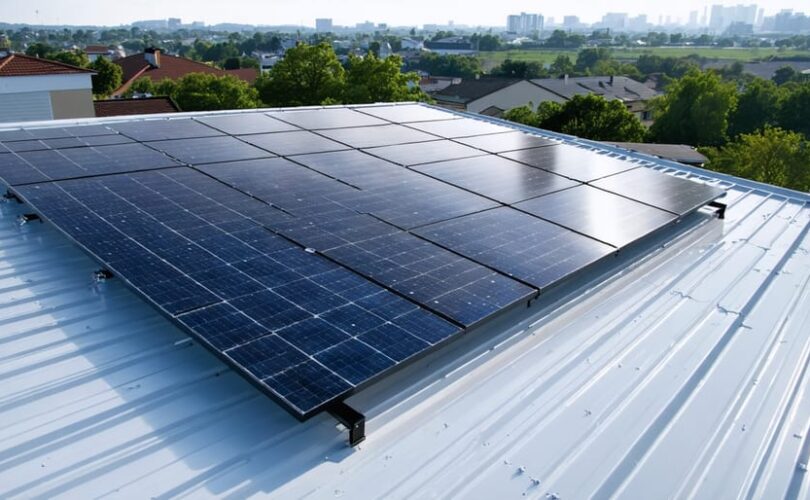
The condition of a building’s roof plays a pivotal role in determining its structural integrity for solar PV installations. A comprehensive roof assessment evaluates multiple factors, including the age of the roofing materials, existing structural support, and overall load-bearing capacity. Professional engineers examine the roof’s truss system, decking materials, and connection points to ensure they can accommodate additional dead loads and wind loads introduced by solar panels.
Key considerations include the roof’s current weight-bearing capacity, which must exceed the combined weight of the solar array and mounting system while maintaining safety margins for environmental factors such as snow accumulation and high winds. The roof’s age and remaining service life are crucial factors, as installing solar panels on a roof nearing the end of its lifecycle could necessitate costly removal and reinstallation during roof replacement.
Structural compatibility assessment also involves evaluating the roof’s pitch, orientation, and available mounting areas. Engineers must verify that the existing waterproofing system remains intact and that the proposed mounting solutions maintain the roof’s weather resistance capabilities. Regular maintenance inspections become essential to ensure continued structural integrity throughout the solar system’s operational lifetime.
Installation Methods
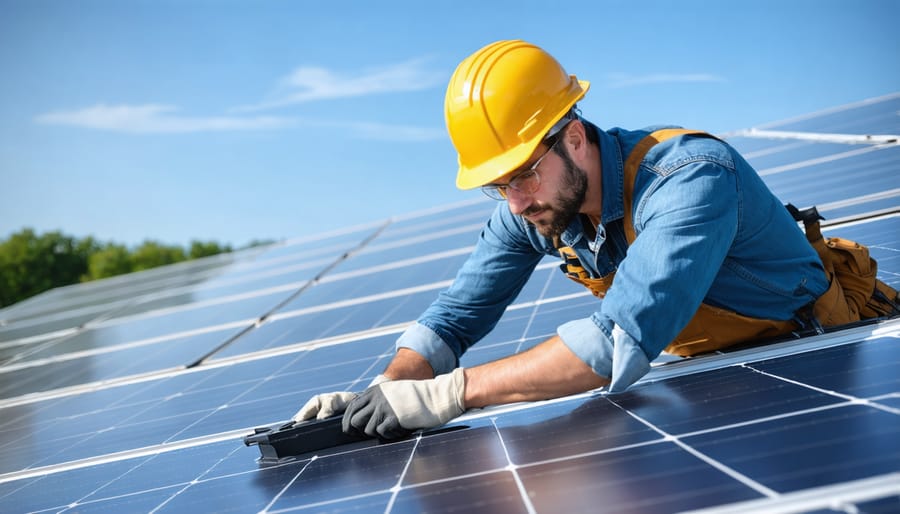
Proper installation methods are crucial for maintaining structural integrity in solar PV systems. The primary mounting techniques include direct roof attachment, ballasted systems, and ground-mounted installations. Each method requires specific hardware and precision in execution to ensure long-term stability.
Direct roof attachments utilize lag bolts or specialized fasteners that penetrate roof structures, connecting to rafters or trusses. These attachment points must be properly flashed and sealed to prevent water infiltration while maintaining structural support. The mounting rails should be installed perpendicular to rafters, with appropriate spacing determined by local wind and snow load requirements.
Ballasted systems rely on weight distribution and friction to secure arrays without penetrating the roof surface. The placement of ballast blocks must follow engineered drawings precisely to ensure even load distribution. Critical factors include maintaining minimum spacing between rows and adhering to edge zone requirements.
For all installation methods, torque specifications must be followed exactly, and appropriate materials must be used to prevent galvanic corrosion between different metals. Regular inspection of mounting points and hardware ensures continued structural integrity throughout the system’s lifetime. Documentation of installation procedures and material selections should be maintained for future reference and compliance verification.
Maintaining Structural Integrity Over Time
Regular Inspection Protocols
Regular structural assessments are crucial components of regular maintenance procedures for solar PV installations. These inspections should follow a systematic approach, incorporating both visual examinations and advanced diagnostic tools to evaluate structural components’ condition and performance.
A comprehensive inspection protocol typically includes assessment of mounting system integrity, examination of support structures, verification of fastener torque levels, and evaluation of structural connections. Inspectors should document any signs of corrosion, material fatigue, or physical damage that could compromise the installation’s stability.
Frequency of inspections varies based on environmental conditions, system size, and local regulations. Generally, major structural assessments should be conducted annually, with additional inspections following severe weather events or significant environmental changes. Critical components require quarterly visual checks to identify potential issues early.
Documentation plays a vital role in structural integrity management. Inspection reports should detail findings, including photographs, measurements, and recommendations for corrective actions. These records establish a baseline for future comparisons and help track structural degradation patterns over time.
To ensure inspection quality, only qualified personnel with appropriate certification and experience should perform these assessments. They must be familiar with relevant codes, standards, and manufacturer specifications while maintaining strict adherence to safety protocols throughout the inspection process.

Common Issues and Solutions
Understanding and addressing common structural issues is crucial for maintaining the integrity of solar PV installations. The most frequent problems include foundation settlement, which can lead to misalignment of mounting systems and reduced energy production efficiency. Material fatigue and weathering effects often manifest as corrosion in metal components or degradation of mounting hardware, particularly in coastal environments.
Wind-induced vibrations can loosen fasteners and compromise the structural stability of solar arrays, while thermal expansion and contraction cycles may cause mounting systems to shift or become unstable over time. Water infiltration through improperly sealed penetrations can lead to roof damage and compromise the mounting structure’s integrity.
Effective troubleshooting structural problems requires systematic assessment and prompt intervention. Solutions typically include:
– Regular inspection and tightening of mounting hardware
– Implementation of proper drainage systems
– Application of corrosion-resistant coatings
– Installation of vibration dampeners
– Upgrading mounting systems to accommodate thermal movement
Professional structural assessments should be conducted annually, with additional inspections following severe weather events. Maintaining detailed documentation of structural modifications and repairs ensures compliance with safety standards and facilitates future maintenance planning.
Professional Standards and Compliance
Building Codes and Regulations
Building codes and regulations form the foundation of structural integrity in solar PV installations. These regulations are established by various authorities, including the International Building Code (IBC), local jurisdictions, and specialized industry standards organizations. They specify minimum requirements for structural design, material quality, construction methods, and safety factors.
Key regulations typically address load calculations, wind resistance requirements, seismic considerations, and attachment methods. For example, the IBC mandates specific requirements for roof load capacity, while ASCE 7 provides detailed guidelines for wind and snow load calculations. These standards ensure that PV installations can withstand environmental forces while maintaining building safety.
Compliance with these regulations requires thorough documentation, engineering calculations, and often third-party verification. Installers must obtain necessary permits and undergo inspections to demonstrate adherence to applicable codes. Regular updates to these regulations reflect advancing technology and improved understanding of structural requirements.
Important considerations include:
– Material specifications and testing requirements
– Installation methods and attachment guidelines
– Safety factors for different climate zones
– Maintenance and inspection protocols
– Documentation and certification requirements
Professional engineers and certified installers must stay current with these regulations through continuing education and certification programs. This ensures that solar PV installations meet both current safety standards and performance requirements while maintaining long-term structural integrity.
Professional Certification Requirements
Professional certification requirements for structural integrity assessment and maintenance typically involve a combination of formal education, practical experience, and specialized training. Engineers and inspectors must hold a Professional Engineer (PE) license, which requires a bachelor’s degree in engineering from an ABET-accredited institution, four years of professional experience, and passing both the Fundamentals of Engineering (FE) and Professional Engineering (PE) exams.
Structural integrity specialists often need additional certifications specific to their industry focus. For solar PV installations, professionals should obtain certification from the North American Board of Certified Energy Practitioners (NABCEP), which is widely recognized as the gold standard in renewable energy certification. The International Code Council (ICC) also offers relevant certifications for building safety professionals.
Quality control inspectors must complete certification programs through organizations such as the American Society for Quality (ASQ) or the American Welding Society (AWS). These programs typically require a combination of education, work experience, and examination completion. Many jurisdictions also mandate continuing education requirements to maintain certification validity.
For academic and research positions, advanced degrees such as Master’s or Ph.D. in structural engineering, materials science, or related fields are often required. These professionals must stay current with evolving industry standards and technological advancements through regular participation in professional development activities and specialized training programs.
Structural integrity remains a cornerstone of successful solar PV installations, fundamentally impacting both system performance and longevity. Throughout this discussion, we’ve explored how proper structural assessment, design considerations, and maintenance protocols work together to ensure the safety and efficiency of solar installations.
The importance of maintaining structural integrity cannot be overstated. It protects valuable equipment investments, ensures optimal energy generation, and safeguards both property and personnel. Regular inspections, adherence to building codes, and implementation of industry best practices are essential components of a comprehensive structural integrity management strategy.
Key takeaways include the critical role of professional engineering assessments, the importance of load calculations, and the need for ongoing monitoring and maintenance. Understanding these elements helps stakeholders make informed decisions about their solar installations while ensuring compliance with safety standards and regulations.
Looking ahead, the solar industry continues to evolve with new technologies and installation methods. This evolution demands ongoing education and adaptation of structural integrity practices. Staying current with industry standards and maintaining proper documentation will remain crucial for successful solar PV deployments.
By prioritizing structural integrity from the initial design phase through regular maintenance, stakeholders can maximize their solar investment while ensuring safe and reliable operation throughout the system’s lifetime. This proactive approach to structural integrity management represents both responsible asset stewardship and commitment to sustainable energy development.