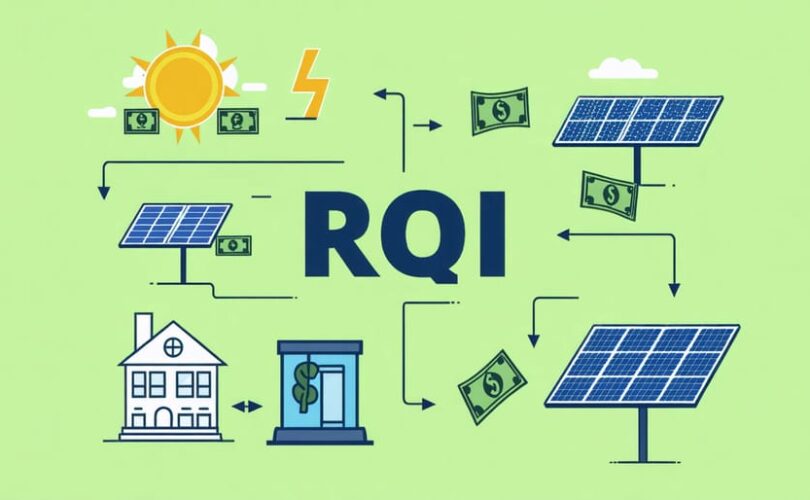
Calculate solar panel ROI accurately by analyzing three critical components: initial system costs, annual energy production, and local electricity rates. Comprehensive real-world ROI data demonstrates that most residential solar installations achieve payback periods between 5-10 years, with ROI ranging from 10-20% annually.
Factor in available tax incentives, renewable energy credits, and net metering policies to determine true investment returns. Current federal tax credits offer 30% of system costs, while state-level incentives can reduce initial expenses by an additional 10-30%, significantly accelerating ROI timelines.
Consider long-term variables including panel degradation rates (typically 0.5% annually), maintenance costs (averaging 1% of system cost per year), and projected electricity rate increases (historical average of 2.2% annually) for accurate return calculations. Modern solar installations typically generate returns exceeding traditional investment vehicles while providing environmental benefits and energy independence.
Analyze system performance metrics through professional monitoring solutions to validate ROI calculations and optimize energy production. Investment returns often surpass initial projections when combining direct savings with indirect benefits such as increased property values and reduced carbon footprint.
Understanding Initial Solar Investment Costs
Equipment Costs
The primary component of your solar installation investment is the photovoltaic (PV) panels themselves, typically ranging from $0.70 to $1.50 per watt depending on efficiency ratings and manufacturer. For a standard 6kW residential system, panel costs usually account for approximately 30% of the total equipment budget.
Inverters represent another significant expense, with string inverters ranging from $1,000 to $2,000 and microinverters costing $150 to $200 per panel. While microinverters are more expensive initially, they can optimize individual panel performance and potentially increase overall system efficiency.
Mounting systems, essential for secure panel installation, vary in cost based on roof type and installation method. Roof-mounted systems generally cost $0.10 to $0.15 per watt, while ground-mounted systems may range from $0.15 to $0.25 per watt.
Additional hardware requirements include:
– Wiring and conduit: $0.10-$0.15 per watt
– Junction boxes and disconnects: $0.05-$0.10 per watt
– Monitoring systems: $300-$600 per system
– Battery storage (optional): $5,000-$15,000 per unit
When calculating equipment costs, factor in a 5-10% contingency for replacement parts and potential system upgrades during the installation lifetime.

Installation and Permit Expenses
Installation and permit expenses typically constitute 10-20% of your total solar system costs. These expenses encompass labor charges from certified solar installers, electrical work, and necessary permits from local authorities. Labor costs average between $0.50 to $1.20 per watt installed, varying by region and system complexity. For a typical 6kW residential system, installation labor might range from $3,000 to $7,200.
Permit fees vary significantly by jurisdiction, typically ranging from $200 to $2,000. These costs cover building permits, electrical permits, and sometimes specialized solar permits. Some municipalities may require additional documentation or inspections, potentially increasing costs. Professional engineering stamps or structural assessments might be necessary, particularly for roof-mounted systems, adding $500-1,000 to total expenses.
Additional installation-related costs may include electrical system upgrades, mounting hardware, and safety equipment. Some installations require main service panel upgrades ($1,000-2,500) or specialized mounting solutions for complex roof configurations. When calculating ROI, factor in these installation and permit expenses as part of your initial investment to ensure accurate financial projections.
Calculating Energy Production Value
Annual Energy Generation
To accurately calculate your solar panel system’s return on investment, you must first determine its annual energy generation capacity. This calculation involves several key factors that influence your system’s power output throughout the year.
The primary metric for estimating annual energy generation is your location’s peak sun hours, which measures the intensity and duration of solar radiation in your area. This data is readily available through solar irradiance maps or meteorological databases. Multiply your system’s rated capacity (in kilowatts) by the number of peak sun hours to determine daily energy production.
Several factors affect your actual energy yield:
1. Panel efficiency rating
2. Geographic location and climate conditions
3. Panel orientation and tilt angle
4. Shading from nearby structures or vegetation
5. System losses from inverters and wiring
6. Temperature-related performance variations
7. Seasonal weather patterns
To calculate annual generation, multiply your daily production estimate by 365, then apply a system efficiency factor (typically 75-85%) to account for these variables. Modern solar design software can provide more precise estimates by incorporating historical weather data and detailed system specifications.
For example, a 10kW system in an area with 5 peak sun hours per day, operating at 80% efficiency, would generate approximately:
10kW × 5 hours × 365 days × 0.80 = 14,600 kWh annually
This calculated value serves as the foundation for determining your system’s financial returns through utility bill savings.
Utility Rate Analysis
Understanding your local utility rates is crucial for accurately calculating cost savings from solar energy. Begin by analyzing your electricity bills from the past 12 months to determine your average monthly consumption in kilowatt-hours (kWh) and the rate structure applied by your utility provider.
Most utilities employ tiered rate systems or time-of-use (TOU) pricing. In tiered systems, rates increase as consumption reaches higher tiers. TOU pricing varies based on peak and off-peak hours, with higher rates during periods of high demand. Calculate your effective rate by dividing your total annual electricity costs by total kWh consumed.
To determine avoided costs, multiply your anticipated solar production by your current electricity rate. Consider annual rate escalation, typically 2-4%, as utilities historically increase prices over time. Some regions offer net metering, where excess solar production is credited at retail rates, enhancing overall savings.
Document your utility’s specific policies regarding solar customers, including:
– Net metering rates and terms
– Interconnection fees
– Minimum utility charges
– Solar-specific rate schedules
Factor in seasonal variations in both consumption and production. Summer months often yield higher production but may coincide with peak utility rates, potentially increasing your avoided costs and improving ROI calculations.
Financial Incentives and Tax Benefits
Federal and State Tax Credits
Federal and state tax incentives significantly impact the ROI calculation for solar panel installations. The federal Investment Tax Credit (ITC) currently allows property owners to deduct 30% of their solar system costs from their federal taxes. This substantial incentive, combined with various solar financing options, can dramatically reduce initial investment costs.
To factor these credits into your ROI calculations, subtract the total tax credit amount from your initial investment costs. For example, if your system costs $20,000, the federal ITC would reduce your net investment by $6,000. State-specific incentives vary by location but may include additional tax credits, rebates, or performance-based incentives.
It’s important to note that tax credits are typically claimed in the tax year when installation is completed. Some credits may have carryover provisions if your tax liability is less than the credit amount. Consult with a qualified tax professional to understand how these incentives apply to your specific situation and ensure proper documentation for claiming these benefits.
Local Incentives and SREC Income
Local incentive programs and Solar Renewable Energy Certificates (SRECs) can significantly enhance your solar investment’s ROI. Many states and municipalities offer tax rebates, grants, and performance-based incentives that directly reduce your initial investment or provide ongoing revenue streams.
SRECs represent the environmental attributes of solar energy production, with one SREC typically earned for every megawatt-hour (MWh) of electricity generated. In states with SREC markets, system owners can sell these certificates to utility companies, generating additional income throughout the system’s lifetime. SREC prices vary by market and can range from $10 to $400 per certificate.
To calculate SREC income potential, multiply your system’s annual production in MWh by the current SREC market price in your state. For example, a 10kW system producing 12 MWh annually in a market with $200 SRECs could generate $2,400 yearly in additional revenue.
When evaluating local incentives, consult your state’s energy office or solar industry association for current programs. These benefits should be factored into your ROI calculations as both upfront cost reductions and ongoing income streams.
ROI Calculation Formula and Examples
The ROI Formula Explained
The Return on Investment (ROI) for solar panels follows a standardized calculation method that helps investors evaluate the financial viability of their solar installation. The basic ROI formula for solar panels is:
ROI = (Net Profit / Total Investment) × 100
For solar installations, this translates to:
ROI = [(Total Energy Savings + Incentives) – Total Costs] / Total Costs × 100
When analyzing financial metrics for solar investments, several components must be considered in the calculation:
Total Energy Savings: Calculate the annual electricity cost savings multiplied by the system’s expected lifespan (typically 25-30 years).
Total Costs Include:
– Initial equipment and installation costs
– Maintenance and repair expenses
– Insurance costs
– Financing charges (if applicable)
Incentives Include:
– Federal tax credits
– State rebates
– Local utility incentives
– Solar Renewable Energy Credits (SRECs)
For accurate ROI calculations, factor in:
– Annual energy production degradation (typically 0.5-1% per year)
– Inflation rates for electricity costs
– System maintenance requirements
– Potential equipment replacement costs
This comprehensive approach ensures a realistic assessment of your solar investment’s financial returns over its operational lifetime.
Case Study Examples
Let’s examine three diverse real-world scenarios that demonstrate ROI calculations for solar panel installations. In Sacramento, California, a 6kW residential system with an initial investment of $18,000 (after federal tax credit) generated annual electricity savings of $1,800. With minimal maintenance costs of $100 per year, this system achieved a payback period of 8.5 years and an ROI of 11.8% annually over 25 years.
In contrast, a commercial installation in Phoenix, Arizona, featuring a 50kW system required an initial investment of $125,000. The system produced annual energy savings of $15,000 and qualified for additional state incentives of $20,000. Including maintenance costs of $800 annually, this installation achieved payback in 7 years with a 14.2% annual ROI.
A smaller 4kW residential system in Boston, Massachusetts, costing $14,000 after incentives, demonstrates how geographic location impacts ROI. Despite lower sun exposure, high electricity rates resulted in annual savings of $1,400. With maintenance costs of $75 yearly, this system reached payback in 9.2 years with a 10.5% annual ROI.
These examples illustrate how system size, location, electricity rates, and available incentives significantly influence solar panel ROI calculations. Each case achieved positive returns while contributing to environmental sustainability, though payback periods varied based on local conditions and installation scale.
Long-term Financial Considerations
Maintenance Costs
Maintenance costs for solar panel systems are generally minimal but must be factored into your ROI calculations for accuracy. A typical maintenance budget should account for annual professional inspections ($150-300), periodic cleaning ($100-200 per session), and potential inverter replacement after 10-15 years ($1,000-2,500). Modern solar panels are designed for durability, with most manufacturers guaranteeing 25+ years of operation with minimal degradation.
To calculate maintenance costs’ impact on ROI, estimate annual expenses at 0.5-1% of your initial system cost. This typically amounts to $200-400 per year for residential systems. While these costs affect your overall returns, they’re offset by the system’s energy production benefits. Some maintenance tasks, like basic cleaning and visual inspections, can be performed by homeowners to reduce expenses.
Insurance coverage and warranty terms may also influence maintenance expenses, potentially reducing out-of-pocket costs for repairs or replacements. Consider these factors when projecting long-term maintenance expenses in your ROI calculations.
System Degradation Factors
Solar panels experience a gradual decline in efficiency over their operational lifetime, directly impacting the return on investment calculations. Most manufacturers guarantee that their panels will maintain at least 80% of their original output capacity after 25 years, with a typical degradation rate of 0.5% to 1% annually. This degradation factor must be incorporated into ROI projections for accurate financial planning.
Environmental conditions significantly influence degradation rates. Panels installed in areas with extreme temperatures, high humidity, or excessive dust accumulation may degrade faster than those in moderate climates. Regular maintenance and cleaning can help minimize these effects, but some efficiency loss is inevitable.
When calculating long-term returns, apply the cumulative degradation rate to annual energy production estimates. For example, a system producing 10,000 kWh in year one with a 0.7% annual degradation rate will generate approximately 9,930 kWh in year two, continuing this downward trend throughout its lifetime. This progressive reduction in energy output directly affects the system’s financial performance and should be factored into ROI calculations.
Calculating ROI for solar panels involves careful consideration of multiple factors, from initial investment costs to long-term energy savings and environmental benefits. By following the methods outlined in this guide, you can make an informed decision about your solar investment. Remember to account for installation costs, available incentives, electricity rates, system efficiency, and maintenance requirements when performing your calculations.
To ensure accurate ROI projections, consider consulting with qualified solar professionals who can provide detailed assessments based on your specific circumstances. Keep in mind that solar technology continues to advance, potentially improving efficiency and reducing costs over time. Regular monitoring of your system’s performance will help validate your ROI calculations and identify any necessary adjustments.
Take advantage of available solar calculators and assessment tools, but remember that personalized analysis yields the most accurate results. As you move forward with your solar investment decision, gather multiple quotes from reputable installers and carefully review their ROI projections. With proper planning and accurate calculations, solar panels can provide significant financial returns while contributing to environmental sustainability.