Cross-sector collaboration in solar workforce development represents a transformative approach to addressing the renewable energy industry’s pressing skills gap. By uniting academic institutions, industry leaders, and government agencies, these strategic partnerships create robust pathways for developing the next generation of solar energy professionals. Recent data from the Solar Energy Industries Association indicates that the solar workforce must triple by 2030 to meet ambitious clean energy goals, making effective collaboration between sectors not just beneficial, but essential.
The convergence of educational expertise, industry knowledge, and policy support enables the creation of comprehensive training programs that align theoretical knowledge with practical skills demanded by employers. These partnerships facilitate resource sharing, standardize training protocols, and create seamless transitions from education to employment. Notable success stories, such as the Solar Training Network and the Interstate Renewable Energy Council’s initiatives, demonstrate how cross-sector collaboration accelerates workforce development while ensuring program sustainability.
As the solar industry continues its exponential growth, these collaborative frameworks become increasingly critical in developing adaptable, future-ready professionals. Through shared responsibility and coordinated effort, cross-sector partnerships are establishing the foundation for a skilled, diverse, and resilient solar workforce capable of driving the clean energy transition forward.
The Current Skills Gap in Solar Energy
Technical Skills Demand
The evolving technical skills demand in solar PV installation and maintenance requires professionals to master both fundamental and advanced competencies. Core technical requirements include proficiency in electrical systems, understanding of PV system components, and expertise in safety protocols. Installers must demonstrate comprehensive knowledge of mounting systems, wiring configurations, and inverter technologies while maintaining adherence to national electrical codes and local regulations.
Advanced diagnostic capabilities and troubleshooting skills are essential for system optimization and maintenance. Professionals need expertise in monitoring systems, data analysis, and performance evaluation tools. Knowledge of energy storage integration, smart grid technologies, and hybrid system configurations has become increasingly important as solar installations grow more sophisticated.
Digital literacy is now crucial, with requirements spanning design software proficiency, remote monitoring platforms, and mobile applications for system management. Additionally, professionals must stay current with emerging technologies such as bifacial modules, building-integrated PV, and advanced power electronics to ensure optimal system performance and longevity.

Industry-Specific Knowledge Requirements
Working effectively in the solar energy sector requires a comprehensive understanding of multiple technical domains. Professionals must possess strong knowledge of electrical systems, including DC/AC power conversion, circuit design, and grid integration principles. Understanding photovoltaic technology fundamentals, such as solar cell operation, module characteristics, and array configuration, is essential for system design and optimization.
Safety protocols and regulatory compliance form another crucial knowledge area, encompassing NEC requirements, OSHA standards, and local building codes. Additionally, professionals need proficiency in system monitoring, data analysis, and performance evaluation tools to ensure optimal energy production and maintenance.
Environmental impact assessment skills are increasingly important, including site evaluation, shading analysis, and understanding of local climate conditions. Business acumen is also vital, covering project management, cost analysis, and understanding of renewable energy incentives and policies.
Knowledge of emerging technologies, such as energy storage systems, smart grid integration, and advanced inverter capabilities, helps professionals stay current with industry developments. Interdisciplinary understanding of architecture, construction methods, and structural engineering principles enables effective collaboration across project phases.
Academic-Industry Partnership Models
Curriculum Development Integration
Curriculum development integration represents a vital bridge between academic institutions and industry partners in the solar sector. Universities collaborate with solar companies to design educational programs that combine theoretical knowledge with practical skills demanded by the industry. This co-creation process ensures that graduates are equipped with relevant competencies and up-to-date technical expertise.
Industry partners contribute by providing real-world case studies, equipment specifications, and insights into emerging technologies and market trends. They participate in curriculum review committees, offering feedback on course content and suggesting modifications based on evolving industry needs. This input helps academic institutions maintain current and practical course materials that reflect actual workplace requirements.
Universities, in turn, incorporate these industry insights while maintaining academic rigor and educational standards. They develop comprehensive learning outcomes that balance theoretical foundations with hands-on experience. This often includes laboratory work with industry-standard equipment, field visits to solar installations, and project-based learning activities.
The integration process typically involves regular curriculum review cycles, where industry professionals and academic faculty assess and update course content. This ongoing collaboration ensures that educational programs remain aligned with industry developments, technological advancements, and market demands. Additionally, many programs incorporate industry certifications and standards into their curriculum, providing students with recognized credentials alongside their academic qualifications.
Practical Training Programs
Practical training programs form the cornerstone of effective cross-sector collaboration in solar workforce development. These programs integrate classroom learning with hands-on experience, creating a comprehensive educational framework that bridges theoretical knowledge and practical application.
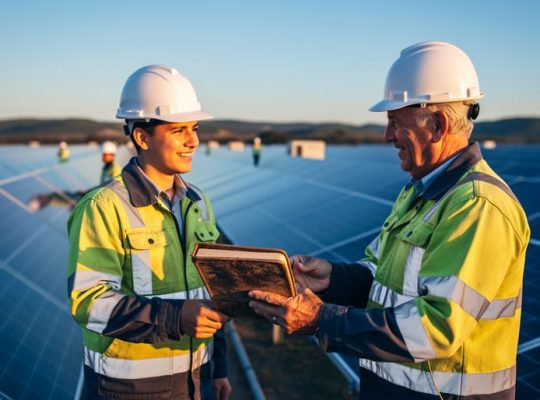
Industry partners collaborate with educational institutions to design internship opportunities that reflect real-world scenarios and challenges. These partnerships typically span 3-6 months, during which participants engage in supervised installation projects, system maintenance, and performance monitoring activities. Students benefit from direct mentorship by experienced professionals while contributing to actual solar projects.
Leading solar companies often provide specialized equipment and facilities for training purposes, ensuring participants gain experience with current technology and industry-standard tools. This approach allows trainees to develop proficiency in essential skills such as system design, safety protocols, and troubleshooting procedures.
Educational institutions contribute by providing structured learning environments and academic support, while industry partners offer real-world project exposure and networking opportunities. This symbiotic relationship ensures that graduates possess both theoretical understanding and practical expertise, making them immediately valuable to potential employers.
Success metrics from these programs indicate that participants typically achieve certification requirements 40% faster than traditional learning paths, with an 85% employment rate within three months of program completion.

Transferable Skills Enhancement
Technical to Commercial Translation
In successful cross-sector collaborations, translating technical expertise into commercial value requires a systematic approach that bridges the gap between academic knowledge and industry applications. Organizations must develop frameworks that effectively convert research findings and technical innovations into marketable solutions while maintaining quality and reliability standards.
A key aspect of this translation process involves identifying how specialized technical knowledge, including digital skills in solar technologies, can address specific market needs and create competitive advantages. This requires close collaboration between research institutions, industry partners, and commercial entities to ensure that technical developments align with market demands and economic feasibility.
The translation process typically involves several stages: technical assessment, market analysis, value proposition development, and commercialization strategy. Technical teams must work closely with business development professionals to identify practical applications, scalability potential, and market opportunities. This collaboration enables organizations to optimize resource allocation and maximize return on investment while maintaining technical integrity.
Success in this area often depends on establishing clear communication channels between technical experts and commercial teams, developing standardized processes for knowledge transfer, and implementing feedback mechanisms that ensure continuous improvement. Organizations that excel in technical-to-commercial translation typically maintain strong relationships with both academic institutions and industry partners, creating a sustainable ecosystem for innovation and market growth.
Soft Skills Integration
Effective cross-sector collaboration requires more than just technical expertise; it demands a comprehensive set of soft skills that enable seamless interaction between different stakeholders. Communication prowess stands as a cornerstone skill, enabling professionals to articulate complex technical concepts to diverse audiences, from academic researchers to industry practitioners.
Leadership capabilities play an equally crucial role, particularly in managing multi-disciplinary teams and coordinating efforts across organizational boundaries. Successful collaborators must demonstrate emotional intelligence, adaptability, and cultural awareness when working with partners from different sectors, each bringing their unique perspectives and operational approaches.
Project managers in cross-sector initiatives need to develop negotiation and conflict resolution abilities to navigate competing priorities and resource allocation challenges. The ability to build and maintain relationships, foster trust, and create an environment of mutual respect becomes essential for long-term collaborative success.
Time management and organizational skills help ensure project milestones are met while maintaining effective communication channels between all parties involved. Additionally, problem-solving capabilities and creative thinking enable professionals to address unexpected challenges that arise during collaborative ventures.
Professional development programs increasingly emphasize these soft skills alongside technical training, recognizing their vital role in successful cross-sector partnerships. Regular workshops, mentoring programs, and experiential learning opportunities help participants develop these essential capabilities while building their technical expertise.
Future-Proofing the Solar Workforce
Continuous Learning Pathways
In today’s rapidly evolving solar industry, continuous learning has become essential for maintaining professional competence and driving innovation. Organizations across sectors are developing structured pathways that combine traditional education with hands-on experience to build adaptable skill sets.
These learning pathways typically begin with foundational knowledge in renewable energy principles and progress through specialized technical training. Industry partners collaborate with educational institutions to create curricula that address current market needs while anticipating future technological developments. This approach ensures that professionals can adapt to emerging technologies and changing industry standards.
Many programs now incorporate modular learning components, allowing professionals to customize their education based on specific career goals. These modules often include practical workshops, online courses, and industry certifications that build upon each other systematically. Professional development opportunities are regularly updated to reflect new installation methods, safety protocols, and equipment innovations.
Cross-sector partnerships have led to the development of apprenticeship programs that combine classroom instruction with on-site training. These programs provide invaluable real-world experience while ensuring that theoretical knowledge is properly applied in practical situations. Mentorship relationships between experienced professionals and newcomers facilitate knowledge transfer and help maintain high industry standards.
To support ongoing professional growth, many organizations have implemented micro-credentialing systems that recognize specific skill acquisitions. These credentials provide tangible evidence of expertise in particular areas while encouraging continuous skill development. Regular assessments and feedback mechanisms help identify knowledge gaps and inform the development of new training modules.
The integration of digital learning platforms has made continuous education more accessible, allowing professionals to maintain their skills while managing work commitments. This flexibility ensures that the solar workforce remains current with industry best practices and technological advancements.
Innovation in Training Delivery
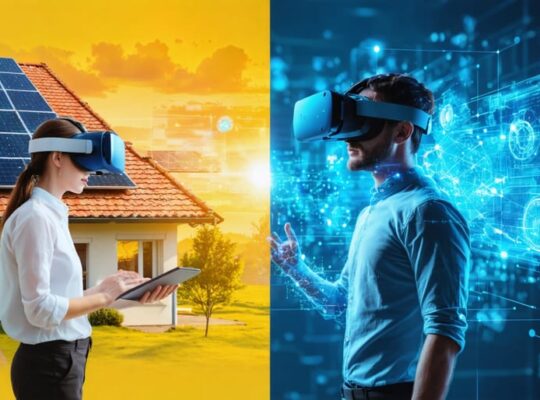
The landscape of solar workforce training has undergone significant transformation with the integration of advanced digital technologies and innovative delivery methods. Modern training approaches now combine traditional classroom instruction with interactive digital platforms, creating more accessible and effective learning environments. Industry leaders are increasingly adopting virtual reality training solutions that allow practitioners to simulate complex installation scenarios without physical risk.
Hybrid learning models have emerged as a particularly effective approach, blending online theoretical coursework with hands-on practical sessions. This flexibility enables professionals to maintain their current positions while upgrading their skills, addressing a crucial barrier to workforce development. Learning management systems (LMS) specifically designed for renewable energy education facilitate trackable progress and standardized assessment methods across different training providers.
Mobile learning applications have also gained prominence, offering micro-learning modules that focus on specific skills or procedures. These bite-sized learning units are especially valuable for field technicians who need quick reference guides or refresher training. Additionally, augmented reality applications allow trainees to overlay digital information onto real-world equipment, enhancing comprehension of complex systems.
Industry-education partnerships have fostered the development of specialized training platforms that incorporate real-time industry feedback. These collaborative efforts ensure that training content remains current with technological advances and market demands. Remote mentoring programs, enabled by video conferencing and digital collaboration tools, connect experienced professionals with learners across geographical boundaries, creating a more robust and interconnected learning ecosystem.
Cross-sector collaboration stands as a cornerstone in developing a robust and sustainable solar workforce for the future. As the renewable energy sector continues to expand rapidly, the synergy between educational institutions, industry partners, and government agencies becomes increasingly vital. This collaborative approach ensures that workforce development programs remain aligned with industry needs while maintaining high educational standards.
The success of solar workforce development hinges on the continued strengthening of these partnerships. Educational institutions provide the theoretical foundation and research capabilities, while industry partners offer practical insights and real-world experience. Government agencies contribute through policy support and funding mechanisms, creating a comprehensive ecosystem that nurtures talent and innovation.
Looking ahead, cross-sector collaboration will play an even more crucial role in addressing emerging challenges in the solar industry. From advancing technological capabilities to meeting evolving market demands, these partnerships will help create adaptable training programs that prepare workers for the dynamic nature of renewable energy careers.
The future of solar workforce development depends on maintaining and expanding these collaborative networks. By fostering strong relationships between sectors, stakeholders can ensure a steady pipeline of qualified professionals who are well-equipped to drive the solar industry forward. This collaborative approach not only benefits individual sectors but also contributes to the broader goal of accelerating the global transition to renewable energy.