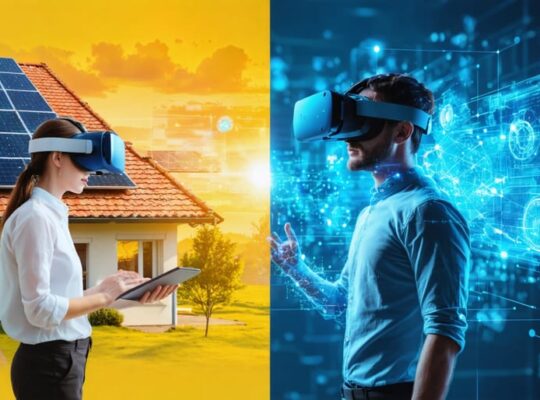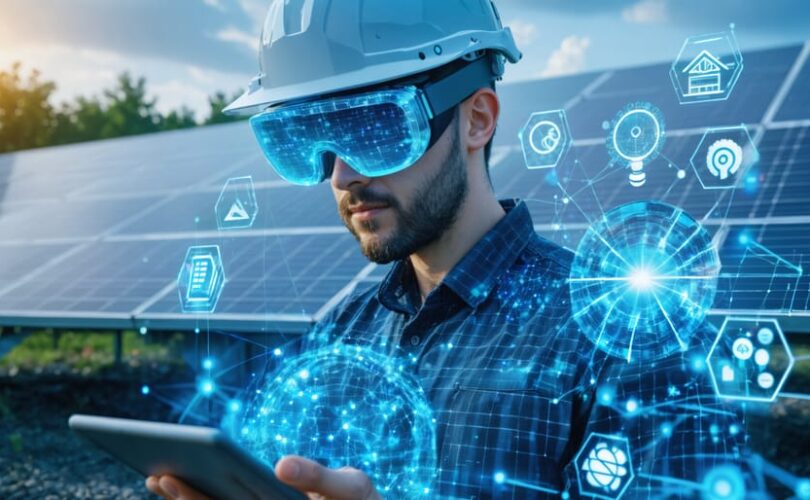
Digital upskilling has become imperative in the rapidly evolving solar energy sector, where technological advancement continues to reshape traditional roles and responsibilities. As photovoltaic systems become increasingly sophisticated, professionals must develop new digital competencies to remain competitive and drive innovation. From advanced monitoring systems and predictive maintenance algorithms to integrated smart grid solutions, the convergence of solar technology and digital transformation demands a workforce equipped with both technical expertise and digital fluency.
The integration of artificial intelligence, machine learning, and Internet of Things (IoT) technologies in solar installations has created unprecedented opportunities for career advancement, while simultaneously highlighting critical skill gaps in the industry. According to recent industry surveys, over 75% of solar companies now prioritize digital literacy when hiring and promoting staff, making digital upskilling not just advantageous but essential for career growth.
This transformation extends beyond basic computer proficiency to encompass data analytics, digital design tools, and automated system management. For professionals in the solar sector, developing these digital capabilities represents both a challenge and an opportunity to pioneer the next generation of renewable energy solutions. Understanding the pathway to digital competency is crucial for anyone seeking to thrive in this dynamic industry landscape.
The Digital Revolution in Solar Technology
Smart Solar Systems
Modern solar installations have evolved beyond simple panel arrays into sophisticated, interconnected systems leveraging Internet of Things (IoT) technology. These smart solar systems utilize advanced monitoring equipment and automation to optimize energy production and system performance. Real-time data collection enables precise tracking of power generation, consumption patterns, and environmental conditions, allowing for predictive maintenance and enhanced efficiency.
Central to these systems are smart inverters that communicate with monitoring platforms, providing detailed insights into system health and performance metrics. Automated management systems can adjust panel positioning, regulate power flow, and respond to grid demands without human intervention. Weather forecasting integration enables proactive system adjustments, maximizing energy yield during optimal conditions.
Remote monitoring capabilities allow technicians to diagnose issues, perform software updates, and manage multiple installations from centralized locations. This reduces operational costs and improves response times. Energy storage systems are increasingly integrated with smart controls, enabling automated decisions about when to store or release power based on consumption patterns and grid conditions.
The integration of these digital technologies requires professionals to develop new competencies in data analysis, network security, and automated system management.

Data Analytics and Performance Optimization
Data analytics has become a cornerstone of modern solar system optimization, enabling unprecedented levels of performance monitoring and efficiency improvements. Advanced monitoring systems now collect vast amounts of operational data from solar installations, including power output, weather conditions, panel temperatures, and inverter performance metrics. This data forms the foundation for sophisticated analysis that drives system optimization and predictive maintenance.
Machine learning algorithms process this information to identify patterns and anomalies, allowing operators to detect potential issues before they impact system performance. Real-time analytics platforms provide detailed insights into energy production patterns, helping operators make informed decisions about system adjustments and maintenance schedules.
Performance optimization through data analytics has shown remarkable results, with some installations reporting efficiency improvements of up to 20% through better tracking, cleaning schedules, and component maintenance timing. Cloud-based monitoring solutions enable remote diagnostics and performance benchmarking across multiple installations, while advanced visualization tools help technicians quickly identify and respond to performance issues.
The integration of Internet of Things (IoT) sensors and smart monitoring systems continues to expand the capabilities of data analytics in solar operations, making it an essential skill for modern solar professionals.
Essential Digital Skills for Solar Professionals
System Design and Modeling Software
Proficiency in system design and modeling software has become essential for modern solar professionals. Computer-Aided Design (CAD) tools enable precise planning and visualization of solar installations, allowing designers to create detailed technical drawings and optimize system layouts. Industry-standard software like AutoCAD and SketchUp help professionals develop accurate site plans, equipment placement diagrams, and structural integration designs.
3D modeling capabilities have revolutionized the solar design process, offering enhanced visualization and improved client communication. These tools allow designers to create realistic representations of solar installations, assess shading impacts, and evaluate aesthetic considerations before construction begins. Programs like PVsyst and Helioscope enable detailed performance simulations and energy yield predictions.
Solar-specific design software has evolved to include sophisticated features for system optimization, financial analysis, and compliance verification. These platforms integrate seamlessly with aerial imagery, shade analysis tools, and electrical design components. Popular solutions like Aurora Solar and OpenSolar streamline the entire design workflow, from initial site assessment to final permit documentation.
Professionals should focus on developing practical expertise in at least one major design platform while maintaining familiarity with multiple software solutions. Regular training and certification in these tools demonstrate commitment to industry best practices and enhance career prospects. Many software providers offer structured learning paths and professional certifications to validate competency levels.

Remote Monitoring and Diagnostics
Remote monitoring and diagnostics represent a crucial digital competency in modern solar PV systems, enabling professionals to maintain and troubleshoot installations efficiently. These digital tools allow technicians to track system performance, identify potential issues, and initiate corrective actions without physical site visits.
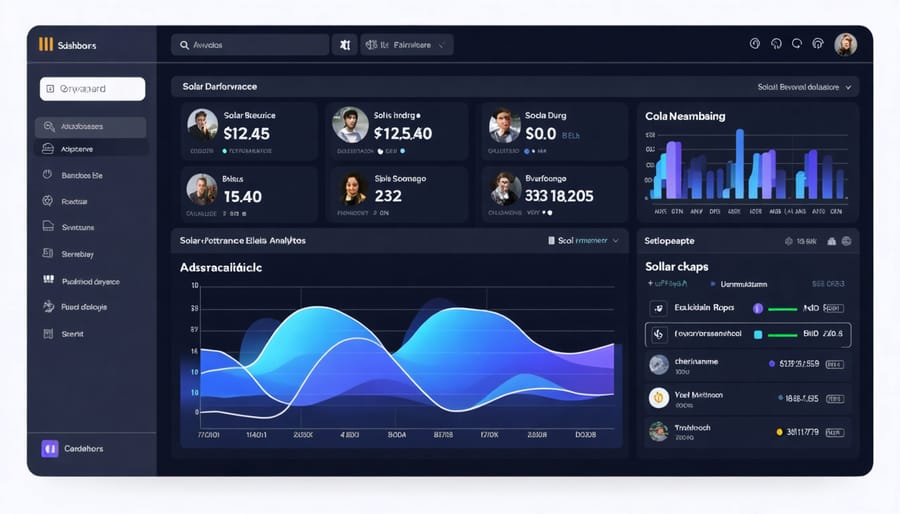
Advanced monitoring platforms collect real-time data from multiple sensors and inverters, providing comprehensive insights into system operations. Professionals must develop proficiency in interpreting performance metrics, analyzing power generation trends, and understanding fault codes through digital interfaces. This includes mastering data visualization tools, performance analytics software, and remote diagnostic applications.
Key digital skills in this domain include database management, sensor data interpretation, and familiarity with SCADA (Supervisory Control and Data Acquisition) systems. Technicians should also understand network connectivity protocols, data security measures, and cloud-based monitoring platforms that facilitate remote access to system parameters.
Predictive maintenance capabilities have evolved through machine learning algorithms and artificial intelligence, enabling professionals to anticipate potential failures before they occur. This requires understanding predictive analytics tools, fault detection systems, and automated alert mechanisms that ensure optimal system performance.
The integration of mobile applications and smart devices has further enhanced remote monitoring capabilities, allowing technicians to receive instant notifications and perform preliminary diagnostics from anywhere. Proficiency in these digital tools helps reduce system downtime, optimize maintenance schedules, and improve overall operational efficiency.
Data Management and Analysis
In today’s data-driven solar industry, professionals must develop strong capabilities in data management and analysis to optimize system performance and make informed decisions. This includes proficiency in collecting and organizing performance metrics from solar installations, utilizing monitoring systems, and implementing data validation protocols to ensure accuracy.
Key skills include working with specialized solar monitoring platforms, understanding SQL databases for data storage, and mastering data visualization tools like Power BI or Tableau to create meaningful performance reports. Professionals should be able to analyze energy yield data, identify performance trends, and generate actionable insights for system optimization.
Advanced analytics skills, such as predictive maintenance modeling and performance ratio calculations, are becoming increasingly valuable. Understanding statistical analysis methods helps in comparing actual versus expected energy production and identifying potential system issues before they impact performance.
Data security and compliance knowledge is also essential, as professionals must protect sensitive customer and system performance data while adhering to industry regulations. Familiarity with data backup procedures, access control protocols, and privacy requirements ensures responsible data management practices.
Additionally, professionals should develop expertise in weather data analysis, degradation studies, and financial performance metrics to provide comprehensive system evaluations. These analytical capabilities enable better decision-making for system maintenance, upgrades, and long-term planning.
Pathways to Digital Upskilling
Professional Certification Programs
Professional certification programs offer structured pathways for digital upskilling in the solar industry, complementing traditional solar industry apprenticeships with specialized digital competencies. Leading certification providers like CompTIA, Microsoft, and Cisco offer industry-recognized credentials that validate expertise in crucial digital skills.
The CompTIA A+ certification serves as a foundational credential for IT infrastructure and operational technology, while specialized certifications like Microsoft’s Azure Data Fundamentals address cloud computing and data management needs specific to renewable energy operations. For professionals focused on industrial control systems, the Cisco Industrial IoT Networking Specialist certification provides comprehensive training in managing connected solar installations.
Solar-specific digital certifications include the NABCEP Technical Sales Professional certification, which now incorporates digital design tools and customer relationship management platforms. The Solar Energy International (SEI) offers advanced courses in SCADA systems and performance monitoring, leading to professional certificates in solar technology automation.
These certification programs typically combine theoretical knowledge with hands-on practical experience, often featuring virtual labs and simulation environments. Many programs offer flexible learning formats, including self-paced online courses and hybrid learning options, making them accessible to working professionals. Regular updates to certification curricula ensure alignment with emerging technologies and industry standards, providing a reliable pathway for continuous professional development in the digital age.
Online Learning Platforms
Online learning platforms have revolutionized professional development in the solar industry, offering flexible and comprehensive digital upskilling opportunities. These platforms combine interactive coursework, practical simulations, and AI-powered training solutions to deliver targeted skill development programs.
Leading platforms like Coursera, LinkedIn Learning, and specialized solar industry portals provide structured learning paths covering essential digital competencies. These include system design software, remote monitoring tools, and data analytics applications specific to photovoltaic installations. The self-paced nature of these platforms allows professionals to balance learning with work commitments while accessing industry-recognized certifications.
Key benefits include:
– 24/7 accessibility to updated course materials
– Interactive assessments and real-world project simulations
– Expert-led instruction from industry professionals
– Progress tracking and performance analytics
– Collaborative learning environments
– Industry-recognized digital badges and certificates
Many platforms also feature specialized tracks for different roles within the solar sector, from technical designers to project managers. This targeted approach ensures learners acquire relevant digital skills aligned with their career goals. Additionally, enterprise solutions enable organizations to implement company-wide upskilling programs, fostering a culture of continuous learning and digital innovation.
Future-Proofing Your Solar Career
The solar industry’s rapid digital transformation demands a proactive approach to professional development. As technology continues to evolve, staying competitive requires a strategic focus on emerging digital competencies. The next generation of solar professionals must adapt to increasingly sophisticated tools and methodologies.
Key emerging technologies shaping the industry include artificial intelligence for system optimization, advanced data analytics for performance monitoring, and digital twin technology for virtual system modeling. Professionals should prioritize developing expertise in these areas while maintaining foundational knowledge of solar PV systems.
To future-proof your career, consider these essential steps:
1. Maintain continuous learning through certified professional development programs
2. Develop proficiency in cloud-based solar design platforms
3. Master data analysis tools specific to renewable energy systems
4. Build expertise in smart grid technologies and energy storage systems
5. Stay current with evolving industry standards and regulations
Industry certifications should be regularly updated to reflect new technological competencies. Organizations like NABCEP now incorporate digital skills requirements into their certification programs, recognizing the growing importance of technical literacy in solar careers.
Networking with industry peers through professional associations and participating in technical workshops can provide valuable insights into emerging trends. Many manufacturers and software providers offer specialized training programs for their products, which can enhance your technical capabilities.
Success in the evolving solar sector requires a combination of traditional solar expertise and advanced digital competencies. By investing in continuous skill development and staying informed about technological advances, professionals can position themselves for long-term career growth in this dynamic industry.
Digital upskilling has become an essential cornerstone for success in the modern solar industry. As technology continues to evolve at an unprecedented pace, professionals must embrace continuous learning and adaptation to remain competitive and effective in their roles. The convergence of renewable energy and digital technologies presents both challenges and opportunities, making it crucial for individuals to develop a comprehensive digital skill set.
For professionals looking to advance their careers, the path forward is clear: invest in digital skills development through structured learning programs, industry certifications, and hands-on experience. This investment should focus on core competencies such as data analytics, automation tools, digital monitoring systems, and emerging technologies specific to solar PV applications.
Organizations must also play their part by fostering a culture of continuous learning and providing resources for employee development. This includes partnering with educational institutions, implementing mentorship programs, and creating opportunities for practical application of digital skills in real-world scenarios.
The future of the solar industry belongs to those who can effectively bridge the gap between traditional solar expertise and digital proficiency. By taking proactive steps toward digital upskilling today, professionals can position themselves as valuable assets in an increasingly digital energy landscape. Remember that digital transformation is not a destination but a journey of continuous growth and adaptation.