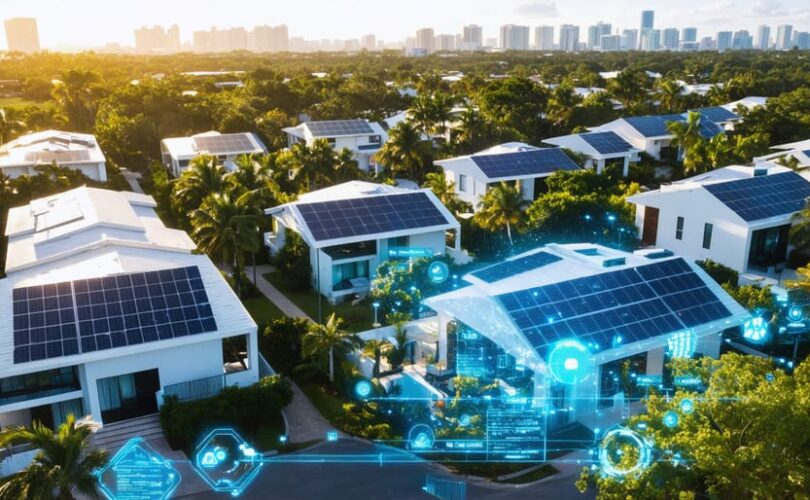
Florida’s solar energy landscape is undergoing a revolutionary transformation, with residential solar installations increasing by 71% in the past year alone. As energy costs continue to rise and environmental concerns take center stage, homeowners across the Sunshine State are discovering the compelling advantages of solar-powered homes. These sustainable dwellings not only harness Florida’s abundant sunlight—averaging 237 days of sunshine annually—but also offer substantial financial benefits through reduced utility bills and increased property values.
The integration of solar technology in Florida homes represents a perfect convergence of environmental responsibility and economic wisdom. With the state’s unique climate conditions and progressive energy policies, including tax incentives and net metering programs, Florida residents are uniquely positioned to benefit from solar power adoption. Modern solar installations seamlessly combine with smart home technologies, creating efficient, sustainable living spaces that meet the demands of today’s energy-conscious homeowners.
This comprehensive examination explores how Florida homeowners can leverage solar power to create energy-independent residences while navigating the state’s specific regulatory environment, installation requirements, and climatic considerations. From initial planning and implementation to long-term maintenance and optimization, we’ll analyze the critical factors that make solar-powered homes an increasingly attractive option in Florida’s evolving energy landscape.
The Florida Solar Advantage
Climate Benefits and Solar Potential
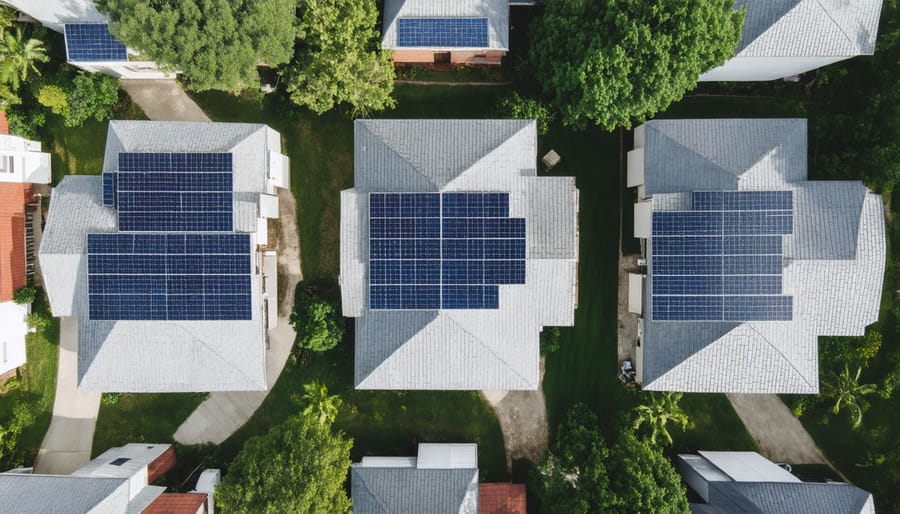
Florida’s exceptional solar potential stems from its geographical location and climate characteristics, making it an ideal state for solar power implementation. The state receives an average of 237 sunny days per year, with annual solar irradiance levels ranging from 5.0 to 6.0 kWh/m²/day, positioning it among the top states for solar energy production potential.
The subtropical climate presents unique advantages for solar power generation. Peak sunlight hours typically occur between 10 AM and 4 PM, providing consistent energy production throughout the year. Even during the rainy season (June through September), solar panels continue to generate significant power due to high diffuse radiation levels and intermittent sunshine between weather systems.
Research conducted by the Florida Solar Energy Center demonstrates that a properly sized residential solar system can offset 70-90% of a home’s annual electricity consumption. The state’s weather patterns, characterized by long summers and mild winters, align well with peak energy demand periods, particularly during air conditioning usage. This natural synchronization between solar production and energy consumption patterns enhances the overall efficiency and economic benefits of residential solar installations.
State Incentives and Regulations
Florida offers several compelling Florida solar tax incentives that make residential solar installations more financially attractive. The Solar and CHP Sales Tax Exemption eliminates state sales tax on solar energy systems, while the Property Tax Abatement for Renewable Energy Property ensures that added home value from solar installations doesn’t increase property taxes.
Net metering policies in Florida require utilities to credit solar system owners for excess energy production at retail rates, effectively reducing electricity bills through energy banking. The state’s interconnection standards streamline the process of connecting residential solar systems to the power grid, though specific requirements vary by utility provider.
Recent legislation has strengthened consumer protections for solar installations while maintaining the state’s commitment to renewable energy expansion. Homeowners should note that while Florida’s solar rights laws prevent HOAs from prohibiting solar installations, certain reasonable restrictions on placement and appearance may apply.
Local municipalities may offer additional incentives, including expedited permits and reduced fees for solar installations, making the transition to solar power increasingly accessible for Florida residents.
Smart Home Solar Integration Components
Solar PV System Fundamentals
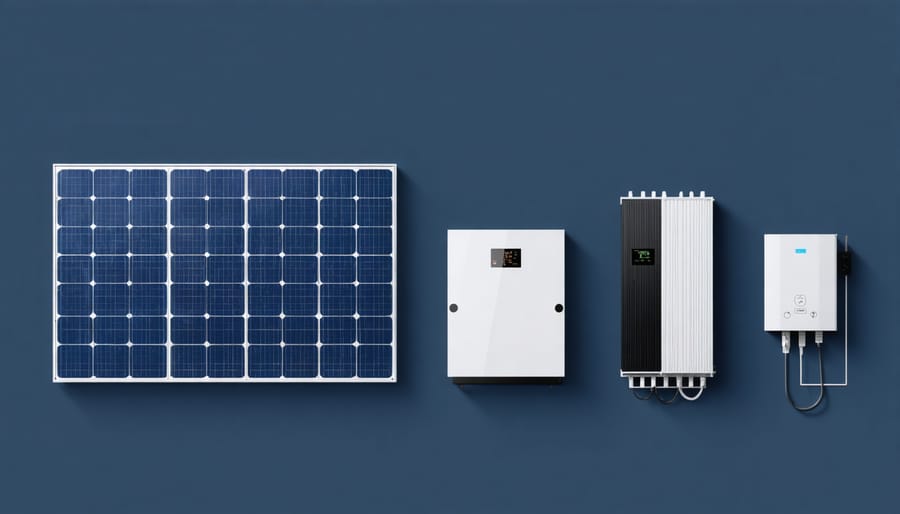
Modern solar photovoltaic (PV) systems consist of three primary components that work together to convert sunlight into usable electricity for Florida homes. The foundation of these systems is the solar panel array, typically featuring monocrystalline or polycrystalline silicon cells. These panels have achieved remarkable efficiency rates, with premium models now converting up to 23% of solar energy into electricity.
Central to the system’s operation is the inverter technology, which transforms the direct current (DC) generated by solar panels into alternating current (AC) suitable for household use. Modern installations primarily utilize either string inverters for whole-system conversion or microinverters attached to individual panels, offering enhanced performance monitoring and better shade tolerance.
Smart monitoring systems have revolutionized how homeowners interact with their solar installations. These sophisticated platforms provide real-time data on energy production, consumption patterns, and system health through user-friendly mobile applications and web interfaces. Advanced monitoring solutions can detect performance issues, predict maintenance needs, and optimize energy usage based on historical data and weather forecasts.
For Florida’s climate, systems are engineered to withstand high temperatures and humid conditions while maintaining optimal performance. Most installations include robust mounting systems rated for hurricane-force winds, ensuring both safety and reliability during severe weather events. This combination of cutting-edge technology and weather-resistant design makes modern solar PV systems particularly well-suited for Florida’s unique environmental challenges.
Energy Storage Solutions
Energy storage integration is crucial for maximizing the benefits of solar power systems in Florida homes. Modern residential battery systems provide reliable backup power during grid outages and optimize solar energy utilization throughout the day. The most commonly deployed solution in Florida is the lithium-ion battery system, which offers high energy density, long cycle life, and excellent performance in the state’s climate conditions.
These storage systems typically integrate seamlessly with existing solar installations through sophisticated power management systems. During peak sunlight hours, excess energy is stored for use during evening periods or inclement weather. This capability is particularly valuable during Florida’s hurricane season when grid reliability may be compromised.
The average Florida home can benefit from a 10-13 kWh battery capacity, though specific requirements depend on individual energy consumption patterns and backup power needs. Advanced battery management systems monitor and optimize charging cycles, protecting the battery’s longevity while ensuring maximum efficiency.
Integration with smart home technology allows homeowners to track energy usage, storage levels, and system performance in real-time. Many systems also feature automatic transfer switches that engage battery power instantly during grid failures, ensuring uninterrupted power to critical home systems and appliances.
Smart Home Control Systems
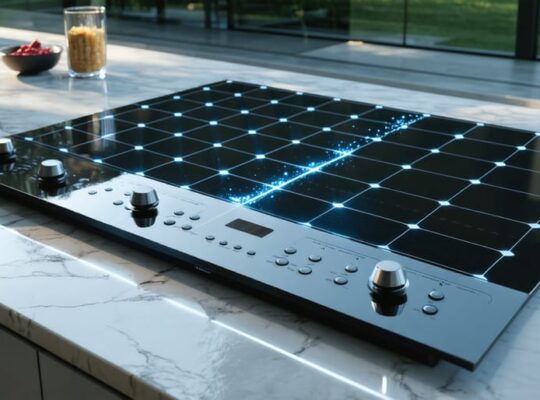
Modern solar-powered homes in Florida increasingly incorporate sophisticated home automation systems that optimize energy consumption and enhance overall efficiency. These integrated platforms enable homeowners to monitor and control their solar energy production, storage, and consumption in real-time through user-friendly interfaces.
Smart home control systems typically interface with solar inverters, battery storage units, and household appliances through a centralized hub. This integration allows for automated load balancing, where the system intelligently distributes power based on usage patterns and peak production periods. For example, during optimal solar generation hours, the system can automatically prioritize energy-intensive tasks like running the air conditioning or charging electric vehicles.
Advanced energy management platforms provide detailed analytics and reporting capabilities, helping homeowners understand their consumption patterns and maximize their solar investment. These systems can automatically adjust settings based on weather forecasts, time-of-use utility rates, and battery charge levels. Many platforms also offer remote access through mobile applications, enabling users to monitor and control their home’s energy systems from anywhere.
The integration extends to essential Florida-specific features such as storm preparation modes, which can automatically optimize battery storage and adjust consumption patterns when severe weather is anticipated. This functionality ensures critical systems remain operational during potential grid outages, a particularly valuable feature in Florida’s hurricane-prone climate.
Optimizing Solar Performance
Smart Load Management
Effective load management is crucial to maximize solar panel performance in Florida homes. Smart load controllers integrate with home energy systems to optimize power distribution based on solar production, battery storage capacity, and real-time consumption patterns. These systems prioritize essential appliances during peak demand while intelligently scheduling non-critical loads for periods of optimal solar generation.
Advanced monitoring systems track household energy usage through smart meters and provide detailed analytics, enabling homeowners to make informed decisions about their consumption habits. Time-of-use scheduling automatically shifts energy-intensive tasks like pool pump operation, electric vehicle charging, and HVAC system cycling to coincide with peak solar production hours, typically between 10 AM and 4 PM in Florida.
Load shedding protocols protect against grid instability by automatically disconnecting non-essential circuits during periods of low solar production or high demand. Smart inverters work in conjunction with load management systems to maintain stable power quality and seamlessly transition between solar, battery, and grid power sources as needed.
Energy storage systems play a vital role in load balancing, storing excess solar production for use during evening hours or cloudy days. Advanced battery management systems monitor state of charge, depth of discharge, and temperature to ensure optimal battery performance and longevity while maintaining sufficient backup power for critical loads.
Modern load management solutions also integrate with weather forecasting data to anticipate solar production variations and adjust consumption patterns accordingly, ensuring consistent power availability while minimizing reliance on grid electricity.
Weather-Smart Features
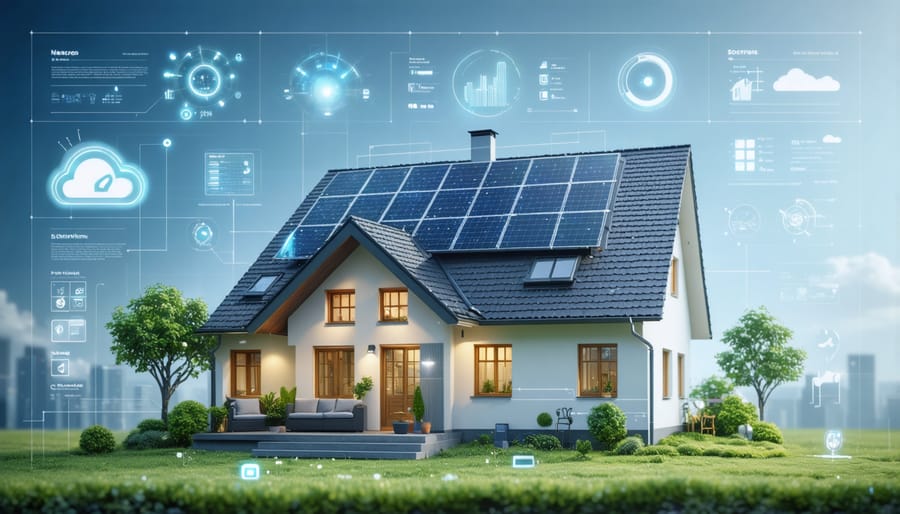
Modern solar-powered homes in Florida incorporate sophisticated weather-smart features that automatically respond to environmental conditions and grid events. These intelligent systems optimize energy consumption while ensuring maximum efficiency and protection of solar equipment during adverse weather conditions.
Advanced monitoring systems utilize real-time weather data to adjust solar panel positioning and energy storage strategies. During approaching storms, automated tilt mechanisms can adjust panels to minimize wind damage, while smart inverters regulate power flow to protect sensitive equipment from lightning-induced power surges.
The integration of weather prediction algorithms enables these homes to prepare for extended periods of cloud cover by pre-charging battery systems and adjusting household energy consumption patterns. During hurricane season, these systems can automatically enter “storm mode,” which includes securing solar arrays and ensuring backup power systems are fully charged.
Grid-interactive features allow homes to respond to utility signals during peak demand periods or grid emergencies. This capability enables automatic switching between grid power and stored solar energy, optimizing electricity costs while maintaining reliable power supply. The systems can also participate in demand response programs, providing grid stability benefits while generating revenue for homeowners.
Temperature-responsive features manage energy distribution based on Florida’s unique climate patterns. During intense summer heat, smart systems prioritize power for cooling systems while redirecting excess solar production to battery storage. In winter months, when heating demands are lower, the systems can optimize energy storage or feed surplus power back to the grid.
These weather-smart capabilities significantly enhance the resilience and efficiency of solar-powered homes, particularly crucial in Florida’s dynamic climate conditions.
Real-World Benefits and ROI
Energy Cost Savings
Florida homeowners implementing solar power systems consistently report substantial reductions in their monthly utility expenses. Data from the Florida Solar Energy Center shows that a properly sized residential solar installation can reduce electricity bills by 70-90%, with many households achieving average monthly savings between $100 and $150.
The long-term financial benefits are particularly compelling when considering Florida’s abundant sunshine and high electricity rates. A typical 6kW solar system in Florida, capable of powering an average-sized home, can generate annual savings of $1,200 to $1,800. Over the system’s 25-year warranty period, homeowners can expect cumulative savings ranging from $30,000 to $45,000, accounting for modest utility rate increases.
These calculations factor in Florida’s net metering policy, which allows homeowners to receive credits for excess energy produced during peak sunlight hours. Additionally, the federal solar tax credit currently enables homeowners to deduct 30% of their solar system’s cost from their federal taxes, significantly reducing the initial investment.
The return on investment (ROI) period for Florida solar installations typically ranges from 7 to 9 years, depending on factors such as system size, energy consumption patterns, and local utility rates. After this period, the generated electricity essentially becomes free, excluding minimal maintenance costs.
Home Value Impact
Research demonstrates that installing solar panels significantly enhances property values in Florida’s real estate market. Studies conducted by the Lawrence Berkeley National Laboratory reveal that homes with solar installations command a premium of approximately 4.1% compared to non-solar properties. The solar impact on home values is particularly pronounced in the Sunshine State, where energy efficiency and sustainable features increasingly influence buyer decisions.
Florida’s real estate professionals report that solar-equipped homes typically sell faster than conventional properties, with an average reduction in market time of 20%. This increased marketability stems from multiple factors, including lower operational costs, enhanced energy independence, and growing environmental consciousness among homebuyers.
The value appreciation is most significant for properties with newer, well-maintained solar systems from reputable manufacturers. Homes featuring integrated solar solutions, particularly those with battery storage capabilities and smart home integration, command the highest premiums. Additionally, properties with solar installations that optimize Florida’s abundant sunshine while maintaining aesthetic appeal tend to attract more potential buyers.
Real estate appraisers now regularly factor solar installations into their valuations, considering system age, energy production capacity, and remaining warranty period. This standardization of solar value assessment has helped establish more consistent pricing metrics in Florida’s housing market, benefiting both sellers and buyers.
Environmental Impact
Solar-powered homes in Florida demonstrate significant environmental benefits through measurable reductions in carbon emissions and energy consumption. Based on current data, the average Florida solar installation prevents approximately 14.5 metric tons of carbon dioxide emissions annually, equivalent to taking three cars off the road or planting 240 trees.
Studies conducted by the Florida Solar Energy Center indicate that residential solar installations reduce household carbon footprints by 70-80% compared to conventional grid-powered homes. This substantial decrease stems from the displacement of fossil fuel-generated electricity with clean, renewable solar power.
Beyond carbon reduction, solar homes contribute to broader environmental sustainability metrics. A typical 6kW residential solar system in Florida saves approximately 300,000 gallons of water annually that would otherwise be consumed in traditional power generation processes. Additionally, these installations help reduce air pollutants, including sulfur dioxide and nitrogen oxides, which contribute to acid rain and respiratory health issues.
The environmental impact extends to grid stability and energy independence. During peak demand periods, solar-powered homes reduce strain on the electrical grid, decreasing the need for additional power plants and their associated environmental impacts. The distributed nature of residential solar installations also minimizes transmission losses, improving overall system efficiency.
These environmental benefits compound over time, with most solar installations guaranteed to perform efficiently for 25-30 years, creating lasting positive impacts on Florida’s ecosystem and air quality.
The integration of solar power technology in Florida homes represents a significant step forward in sustainable living and energy independence. As demonstrated throughout this analysis, solar-powered homes offer substantial benefits, including reduced electricity costs, increased property values, and enhanced environmental sustainability. Florida’s abundant sunshine and favorable climate conditions continue to position the state as an ideal location for residential solar adoption.
The future outlook for solar-powered homes in Florida appears particularly promising, driven by technological advancements, decreasing installation costs, and supportive state policies. Smart home integration is increasingly becoming standard in solar installations, allowing homeowners to optimize their energy consumption and maximize system efficiency. This convergence of solar technology and home automation presents unprecedented opportunities for energy management and cost savings.
Industry projections indicate continued growth in Florida’s residential solar sector, with expectations of increased adoption rates and improved storage solutions. The development of more efficient photovoltaic materials and enhanced battery technologies will further strengthen the value proposition for homeowners considering solar installation.
Research collaborations between industry partners and Florida’s academic institutions are accelerating innovation in solar technology and smart home integration. These partnerships are essential in addressing challenges such as grid integration, energy storage, and system optimization while training the next generation of solar professionals.
As Florida continues to embrace renewable energy solutions, solar-powered homes will play an increasingly vital role in the state’s energy landscape. The combination of environmental benefits, economic advantages, and technological innovations makes solar power an attractive and sustainable choice for Florida homeowners looking to invest in their property’s future while contributing to a cleaner environment.