Solar-powered cooking represents a transformative intersection of renewable energy and culinary innovation, offering a sustainable solution to both energy consumption and environmental challenges. By harnessing photovoltaic technology and thermal solar collection methods, modern solar cooking systems have evolved far beyond simple reflective cookers, now encompassing sophisticated appliances that rival traditional kitchen equipment in functionality and reliability.
The integration of advanced photovoltaic systems with thermal storage capabilities has revolutionized solar cooking, enabling consistent performance even during cloudy periods or after sunset. These technological advancements make solar cooking increasingly viable for both domestic and commercial applications, particularly in regions with abundant solar resources and limited access to conventional energy sources.
As global energy demands rise and environmental concerns intensify, solar cooking emerges as a critical component of sustainable living practices. This technology not only reduces carbon emissions and energy costs but also provides energy independence and resilience during power outages or in off-grid locations. With recent innovations in materials science and thermal efficiency, solar cooking systems now achieve temperatures comparable to conventional ovens while maintaining the environmental benefits inherent to renewable energy solutions.
The Science Behind Solar-Powered Cooking Systems
PV Panels to Kitchen Power: The Energy Conversion Process
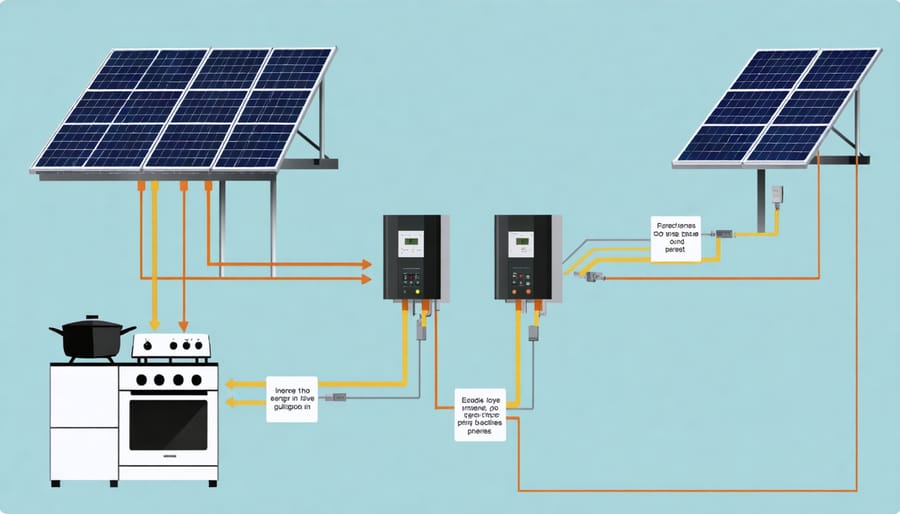
The conversion of solar energy into usable cooking power involves a sophisticated yet efficient process that leverages modern PV technology innovations. Photovoltaic panels capture sunlight through silicon cells, generating direct current (DC) electricity through the photovoltaic effect. This DC power flows through charge controllers, which regulate voltage and current to protect the system’s components while optimizing energy capture.
The regulated DC electricity is then either stored in deep-cycle batteries for later use or converted immediately through power inverters into alternating current (AC) electricity. This conversion is crucial as most modern cooking appliances require AC power to function. The inverter’s output matches standard household electrical specifications, typically 120V or 240V depending on regional standards.
For cooking applications, the system incorporates specialized power management units that help maintain stable energy delivery during high-demand cooking operations. These units monitor power consumption and adjust supply accordingly, ensuring consistent performance for various cooking methods. The entire process achieves efficiency rates between 15-22% in standard conditions, though advanced multi-junction cells can reach higher conversion rates.
Temperature sensors and smart controllers work in tandem to optimize power distribution, allowing users to maintain precise cooking temperatures while maximizing the system’s overall efficiency. This integrated approach ensures reliable cooking power throughout the day, even during periods of variable sunlight intensity.
Energy Storage Solutions for 24/7 Cooking Capability
Effective energy storage is crucial for ensuring reliable solar cooking capabilities throughout the day and during periods of limited sunlight. Modern battery systems, particularly lithium-iron-phosphate (LiFePO4) batteries, offer optimal performance for solar cooking applications due to their extended lifecycle, safety features, and stable discharge characteristics.
A well-designed storage solution typically incorporates a battery bank sized to provide 24-48 hours of autonomous cooking operation. For a standard 2000W solar cooking system, this translates to approximately 8-10 kWh of usable storage capacity. The system should include a sophisticated battery management system (BMS) to monitor state of charge, prevent over-discharge, and optimize battery longevity.
Power management systems play an essential role in maintaining consistent cooking performance. Advanced charge controllers with Maximum Power Point Tracking (MPPT) technology ensure efficient energy capture from solar panels, while intelligent load management systems prioritize power distribution based on cooking needs and available energy reserves.
Hybrid solutions that combine battery storage with thermal energy storage (TES) materials can further enhance system efficiency. Phase change materials (PCMs) or molten salt storage systems can retain heat for extended periods, reducing the overall electrical storage requirements while maintaining cooking capabilities during non-solar hours.
For optimal performance, the storage system should be integrated with weather forecasting data and smart controls, allowing for predictive energy management and automated adjustment of cooking schedules based on available and projected energy reserves.
Modern Solar Cooking Appliances
PV-Powered Induction Cooktops
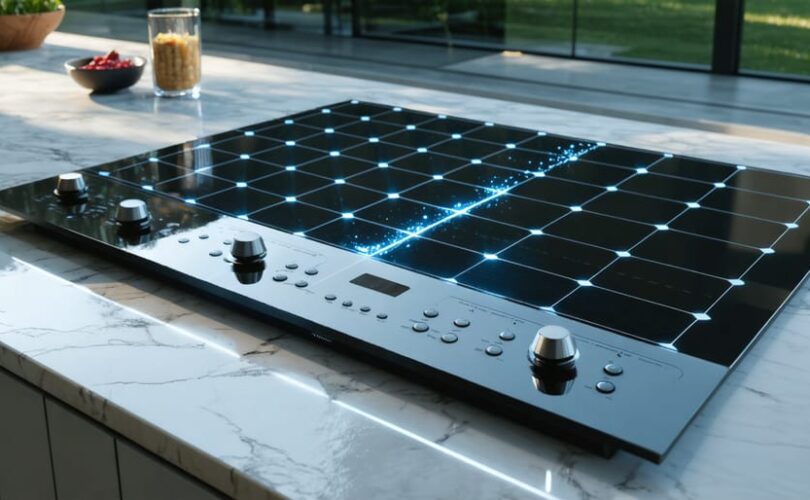
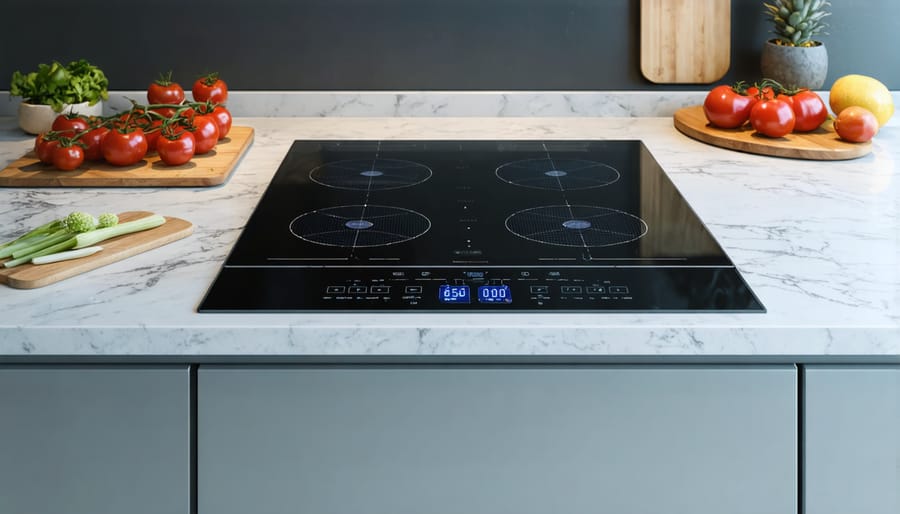
Photovoltaic-powered induction cooktops represent a significant advancement in solar cooking technology, combining the efficiency of induction heating with clean solar energy. These systems typically consist of solar panels, power conditioning equipment, and modern induction cooktops that operate on electricity generated from solar PV installations.
The key advantage of PV-powered induction cooking lies in its superior energy efficiency, with induction cooktops achieving up to 90% energy transfer efficiency compared to traditional electric or gas stoves. This high efficiency helps minimize the solar system size required for operation, making the technology more practical for residential applications.
A typical setup includes solar panels rated between 2-4 kW, depending on household cooking needs, connected to an inverter system that converts DC power to AC for the induction cooktop. Many systems incorporate battery storage to ensure cooking capability during non-sunny periods, though this increases the overall system cost.
Modern PV-powered induction systems often feature smart controllers that optimize power usage based on available solar energy and cooking requirements. These controllers can automatically adjust power consumption to match solar generation, ensuring efficient use of available energy while maintaining consistent cooking performance.
The integration of PV systems with induction cooking technology offers a sustainable solution for households seeking to reduce their carbon footprint while maintaining the convenience and control of modern cooking methods. As solar panel efficiency continues to improve and costs decrease, these systems are becoming increasingly viable for widespread adoption.
Solar Electric Ovens and Slow Cookers
Solar electric ovens and slow cookers represent a significant advancement in solar-powered cooking technology, combining photovoltaic energy capture with modern appliance functionality. These systems typically consist of an insulated cooking chamber, electric heating elements, and a PV panel array with battery storage, enabling consistent cooking temperatures regardless of direct sunlight conditions.
Modern solar electric ovens achieve temperatures ranging from 150°C to 230°C, making them suitable for baking, roasting, and conventional cooking methods. The efficiency of these systems varies between 20-35%, depending on factors such as insulation quality, power storage capacity, and weather conditions. High-end models incorporate smart temperature controls and mobile monitoring capabilities, allowing precise cooking management.
Solar-powered slow cookers operate at lower temperatures (60°C-95°C) but demonstrate superior energy efficiency, typically utilizing 85-150 watts during operation. These appliances excel in long-duration cooking scenarios, making them ideal for stews, soups, and braised dishes. The integration of thermal mass materials in newer models helps maintain stable temperatures during cloudy periods or after sunset.
Recent innovations include hybrid systems that can switch between direct solar thermal heating and PV-powered electric heating, maximizing efficiency across different weather conditions. These adaptive systems achieve overall energy conversion efficiencies of up to 40% when combining both heating methods, representing a significant improvement over traditional solar cookers.
For optimal performance, these appliances require proper sizing of PV arrays and battery storage systems, typically necessitating 400-800 watts of solar panel capacity for standard household units.
Smart Integration and Monitoring Systems
Modern solar cooking systems are increasingly incorporating advanced monitoring and control technologies, seamlessly integrating with smart home energy management platforms. These intelligent systems utilize IoT sensors and sophisticated algorithms to optimize cooking performance and energy utilization. Real-time monitoring capabilities allow users to track solar energy collection, storage efficiency, and cooking temperatures through mobile applications or dedicated control panels.
Smart integration features include automated temperature regulation, cooking time optimization based on available solar resources, and predictive maintenance alerts. Advanced systems incorporate weather forecasting data to suggest optimal cooking times and automatically switch between solar and backup power sources when necessary. Many units now feature remote monitoring capabilities, enabling users to check system status and adjust settings from anywhere.
Data logging and analysis functions help users understand their cooking patterns and energy consumption, facilitating better resource management. Some systems include machine learning algorithms that adapt to user preferences and local weather patterns over time, continuously improving efficiency. Integration with smart meters and home automation systems allows for coordinated energy management, ensuring optimal use of available solar power across all household appliances.
These technological advancements have significantly enhanced the reliability and user-friendliness of solar cooking solutions, making them increasingly attractive for both residential and commercial applications.
Implementation and Benefits
Energy Cost Analysis and ROI
The financial analysis of solar-powered cooking systems reveals compelling long-term benefits despite initial investment costs. A typical solar cooking system, including PV panels, battery storage, and induction cooktop, requires an upfront investment of $2,000-$3,500. However, this investment can yield significant returns through reduced energy costs and environmental benefits.
Based on average household cooking energy consumption of 800-1,000 kWh annually, solar cooking systems can reduce traditional electricity costs by 60-80%. At current utility rates, this translates to annual savings of $150-$200 in moderate climate regions and up to $300 in areas with higher electricity costs.
The ROI calculation considers several factors: initial equipment costs, installation expenses, maintenance requirements (typically minimal), and energy savings over time. Most systems achieve payback periods of 7-10 years, depending on local solar conditions and electricity rates. This analysis assumes average daily cooking requirements of 2-3 hours and factors in seasonal variations in solar availability.
Additional financial benefits include potential tax incentives, renewable energy credits, and increased property value. Many jurisdictions offer rebates or tax deductions for solar installations, which can reduce initial costs by 20-30%. Furthermore, the durability of modern solar cooking systems, with expected lifespans of 20-25 years, ensures sustained cost savings well beyond the initial payback period.
Environmental Impact Assessment
Solar-powered cooking systems represent one of the most impactful sustainable energy solutions for reducing household carbon emissions. Quantitative studies indicate that transitioning from traditional biomass cooking to solar methods can reduce CO2 emissions by 2-3 metric tons per household annually. This significant reduction stems from eliminating the need for wood fuel, which contributes to deforestation and releases greenhouse gases during combustion.
Environmental benefits extend beyond carbon reduction. Solar cooking systems help preserve local forest resources, particularly in regions where wood collection for cooking fuel drives deforestation. Research shows that a single solar cooker can save approximately 2,000 kg of firewood annually, protecting vital forest ecosystems and biodiversity.
The lifecycle assessment of solar cooking technologies demonstrates minimal environmental impact during operation, with the primary environmental costs occurring during manufacturing. Modern photovoltaic-powered cooking solutions exhibit increasingly efficient production processes, with manufacturers implementing recycling programs for end-of-life components.
Water conservation represents another crucial environmental advantage, as solar cooking typically requires less water than traditional methods. This aspect becomes particularly relevant in water-stressed regions where resource management is critical. Additionally, the reduction in indoor air pollution from eliminating solid fuel combustion yields significant health and environmental benefits, contributing to improved air quality at both household and community levels.
Installation and Maintenance Considerations
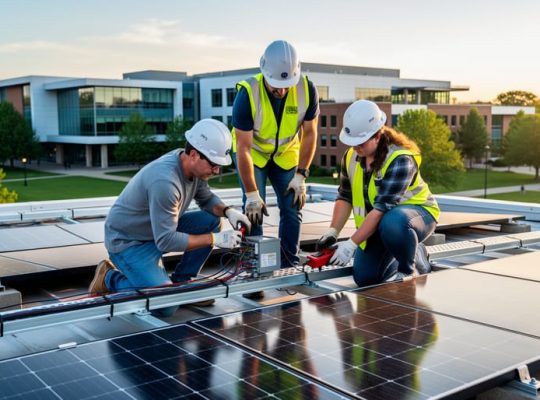
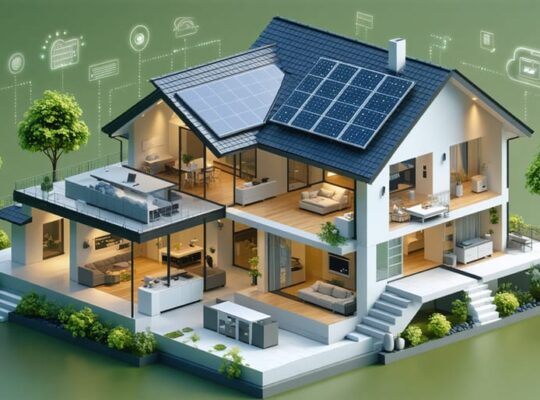
The successful implementation of a solar-powered cooking system requires careful consideration of installation requirements and ongoing maintenance protocols. Initial setup should prioritize optimal solar exposure, typically requiring a south-facing orientation in the Northern Hemisphere with an unobstructed view of the sun during peak hours. Professional installation is recommended to ensure proper integration with existing solar home integration systems and compliance with local building codes.
System maintenance primarily involves regular cleaning of photovoltaic panels and cooking surfaces, inspection of electrical connections, and verification of thermal storage functionality. Quarterly cleaning of solar collectors using non-abrasive materials and approved cleaning solutions helps maintain optimal energy conversion efficiency. Weather-resistant components should be inspected bi-annually for signs of wear or damage, particularly after extreme weather events.
Key maintenance checkpoints include:
– Verification of electrical connections and wiring integrity
– Inspection of thermal storage media and insulation
– Assessment of tracking mechanisms (if applicable)
– Monitoring of temperature sensors and control systems
– Examination of cooking surface conditions
Professional evaluation is recommended annually to ensure system performance and safety standards are maintained. Users should maintain detailed maintenance records and promptly address any performance irregularities to prevent system degradation and maintain cooking efficiency.
Solar powered cooking technology stands at the cusp of a transformative evolution, poised to play a crucial role in our transition toward sustainable living practices. As photovoltaic technology continues to advance and become more efficient, solar cooking systems are becoming increasingly sophisticated, reliable, and accessible to a broader population. The integration of smart controls, improved thermal storage solutions, and hybrid capabilities demonstrates the remarkable progress in addressing traditional limitations of solar cooking.
The future outlook for solar cooking technology is particularly promising in both developed and developing regions. In urban environments, these systems are evolving to complement existing renewable energy installations, offering environmentally conscious consumers a way to reduce their carbon footprint while maintaining modern cooking conveniences. In rural and off-grid areas, advanced solar cooking solutions present opportunities for energy independence and improved quality of life.
Research institutions and industry leaders are actively developing next-generation solar cooking technologies that promise greater efficiency, enhanced user experience, and improved integration with other renewable energy systems. These developments, coupled with decreasing costs and increasing awareness of environmental issues, suggest that solar cooking will become an integral component of sustainable household energy systems.
As we move toward a more sustainable future, solar powered cooking represents more than just an alternative cooking method – it embodies the practical application of renewable energy in daily life, contributing to both environmental preservation and energy security. The continued advancement of this technology will be essential in addressing global energy challenges and promoting sustainable living practices worldwide.