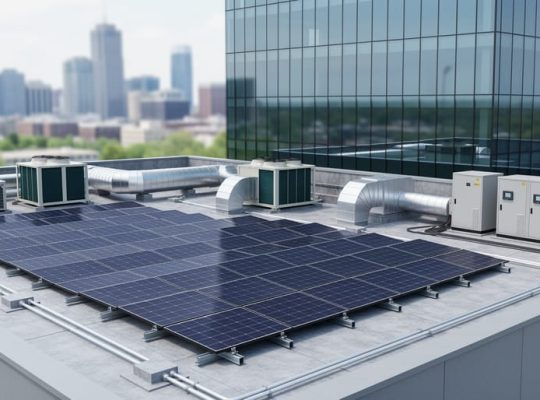
As global energy demands surge and climate change concerns intensify, solar power stands at the forefront of sustainable energy solutions. The question of its long-term sustainability encompasses far more than just environmental benefits – it involves complex interactions between technological advancement, economic viability, and social impact. Modern photovoltaic systems have achieved remarkable efficiency rates exceeding 20%, while manufacturing processes continue to reduce their carbon footprint. Yet, critical examination reveals both promising developments and significant challenges in solar power’s journey toward true sustainability.
From the recyclability of solar panels to the stability of supply chains for raw materials, the sustainability equation demands rigorous analysis across multiple dimensions. Recent technological breakthroughs in energy storage systems and smart grid integration have strengthened solar power’s position as a reliable energy source. However, questions persist about the industry’s ability to scale while maintaining environmental responsibility and economic feasibility.
This comprehensive analysis explores the multifaceted aspects of solar power sustainability, examining current technologies, future innovations, and the critical factors that will determine whether solar energy can truly fulfill its promise as a sustainable energy solution for generations to come.
Environmental Sustainability of Solar PV Systems
Carbon Footprint and Energy Payback
The environmental impact of solar power systems extends beyond their operational phase, necessitating a thorough analysis of solar panel lifecycle sustainability. Current research indicates that photovoltaic systems typically achieve their energy payback period within 1-4 years, depending on the technology type and geographical location. Crystalline silicon panels, the most common variety, generally reach this milestone in approximately 2 years under optimal conditions.
Carbon footprint calculations reveal that solar panels generate between 40-50 grams of CO2 equivalent per kilowatt-hour during manufacturing. However, this initial carbon investment is offset by decades of clean energy production, with modern panels operating for 25-30 years while producing minimal emissions. Over their lifetime, solar panels prevent approximately 20-30 times the carbon emissions created during their production.
The manufacturing process has become increasingly efficient, with technological advances reducing both energy requirements and material waste. Contemporary production facilities utilize renewable energy sources and implement closed-loop manufacturing processes, further decreasing the environmental impact. Energy intensity in manufacturing has decreased by approximately 12-15% per watt in the past decade, indicating significant improvements in production efficiency.
When compared to conventional energy sources, solar power demonstrates superior sustainability metrics, with lifetime carbon emissions approximately 95% lower than coal-fired power plants and 90% lower than natural gas facilities.
Raw Material Sustainability
The sustainability of solar power heavily depends on the availability and responsible management of raw materials used in photovoltaic (PV) manufacturing. Silicon, the primary material in most solar panels, is abundant in the Earth’s crust, representing approximately 27% of its mass. However, the production process requires high-purity silicon, which demands significant energy input during refinement.
Critical materials like silver, used for electrical contacts, and rare earth elements present sustainability challenges. While silver usage per cell has decreased through technological improvements, its limited global supply necessitates continued innovation in alternative materials and manufacturing processes.
The industry has made substantial progress in recycling capabilities, with modern facilities able to recover up to 95% of semiconductor materials and 90% of glass from decommissioned panels. This circular economy approach significantly reduces the demand for virgin materials and minimizes environmental impact. Additionally, manufacturers are developing new technologies that require fewer rare materials while maintaining or improving panel efficiency.
The emergence of thin-film technologies and perovskite cells shows promise in reducing material intensity. These alternatives use minimal amounts of semiconductor materials while offering competitive efficiency rates. However, their long-term durability and recycling potential require further research and development.
To ensure long-term sustainability, the industry must continue investing in recycling infrastructure, material recovery technologies, and alternative material research. This comprehensive approach will help secure the raw material supply chain for future solar power expansion.
Economic Viability of Off-Grid Solar
Initial Investment vs. Long-term Returns
The financial dynamics of solar power installations present a compelling case for long-term sustainability when analyzed through a comprehensive cost-benefit framework. While the initial investment in off-grid solar system design and implementation can be substantial, ranging from $15,000 to $35,000 for residential installations, the return on investment typically materializes within 5-10 years.
Modern solar installations demonstrate remarkable longevity, with quality photovoltaic panels maintaining 80% or more of their original efficiency even after 25 years. This extended operational lifespan, combined with minimal maintenance requirements, contributes significantly to the system’s economic viability. The average homeowner can expect to save between $10,000 and $30,000 in electricity costs over the system’s lifetime, depending on local energy rates and consumption patterns.
Financial incentives further enhance the investment proposition. Government tax credits, renewable energy certificates, and feed-in tariffs can reduce initial costs by 26-30% in many jurisdictions. Additionally, property value typically increases by 3-4% with solar installation, providing immediate equity benefits.
Technological advancements continue to drive down manufacturing costs while improving panel efficiency, making new installations increasingly cost-effective. The levelized cost of electricity (LCOE) for solar power has decreased by more than 70% over the past decade, now ranging from $0.04 to $0.06 per kilowatt-hour in many regions, comparing favorably with traditional energy sources.
Maintenance and Replacement Costs
The long-term financial sustainability of solar power systems hinges significantly on maintenance and replacement costs throughout their operational lifetime. Solar panels typically require minimal maintenance, with annual cleaning and inspection costs ranging from $150 to $300 per system. However, these costs can vary based on system size, location, and environmental conditions.
The most substantial maintenance expense comes from inverter replacement, typically necessary every 10-15 years, with costs ranging from $1,000 to $2,500 for residential systems and significantly more for commercial installations. Battery storage systems, when present, require replacement every 5-15 years, depending on the technology used and usage patterns, with costs ranging from $5,000 to $15,000.
Performance degradation is another factor affecting long-term costs. Solar panels typically degrade at a rate of 0.5% to 1% annually, meaning their efficiency decreases over time. While this reduction is gradual, it impacts the system’s overall energy production and, consequently, its economic benefits.
Component warranties help mitigate these costs. Most quality solar panels come with 25-year performance warranties, while inverters typically carry 10-year warranties. Proper maintenance can extend component lifespans beyond these periods, optimizing the system’s economic sustainability.
When calculating the total cost of ownership, these maintenance and replacement expenses typically represent 15-20% of the initial system cost over its lifetime. However, technological improvements continue to reduce these costs while increasing component reliability and longevity, making solar power increasingly sustainable from a maintenance perspective.
Technical Durability and Performance
System Lifespan and Degradation
Modern solar panels demonstrate remarkable durability, with manufacturers typically guaranteeing performance for 25-30 years. Understanding solar PV system reliability is crucial for assessing long-term sustainability. Research indicates that high-quality panels maintain approximately 80% of their initial efficiency after 25 years of operation, with degradation rates averaging 0.5-1% annually.
Several factors influence system degradation, including environmental conditions, installation quality, and maintenance practices. Premium panels in optimal conditions may experience degradation rates as low as 0.3% per year, while systems in harsh environments or with suboptimal maintenance might degrade faster.
The primary mechanisms of degradation include:
– Photochemical breakdown of materials
– Thermal cycling stress
– Potential-induced degradation
– Microcracks in solar cells
– Delamination of module layers
Despite these degradation factors, modern manufacturing improvements have significantly enhanced panel durability. Many systems continue functioning well beyond their warranty period, though at reduced efficiency. The extended operational lifespan, coupled with increasing panel efficiency and decreasing production costs, supports the long-term sustainability of solar power as a renewable energy solution.
Regular monitoring and maintenance can help optimize system performance and extend operational life, making solar installations increasingly attractive for long-term energy generation.
Technology Evolution and Upgradability
Solar power technology continues to evolve at a remarkable pace, with efficiency improvements and cost reductions driving sustainable development in the sector. Modern photovoltaic systems are designed with upgradability in mind, allowing for component replacements and system expansions as technology advances.
Recent developments in solar cell technology have pushed conversion efficiencies beyond 25% in commercial applications, with laboratory tests achieving even higher rates. Researchers are exploring new materials and manufacturing techniques, including perovskite cells and multi-junction technologies, which promise to further enhance performance while reducing production costs.
The modular nature of solar installations enables progressive upgrades without requiring complete system overhauls. Inverters, batteries, and monitoring systems can be replaced or upgraded independently as more efficient versions become available. This adaptability ensures that solar installations can maintain optimal performance throughout their operational lifetime.
Smart monitoring systems and predictive maintenance technologies are increasingly integrated into solar installations, enabling proactive management and performance optimization. These systems can identify potential issues before they affect system efficiency and suggest timely upgrades or replacements.
Looking ahead, emerging technologies such as artificial intelligence and Internet of Things (IoT) integration are set to revolutionize solar power management, making systems more efficient and responsive to changing energy demands. This continuous technological evolution supports the long-term sustainability of solar power as a renewable energy solution.
Social and Infrastructure Impact
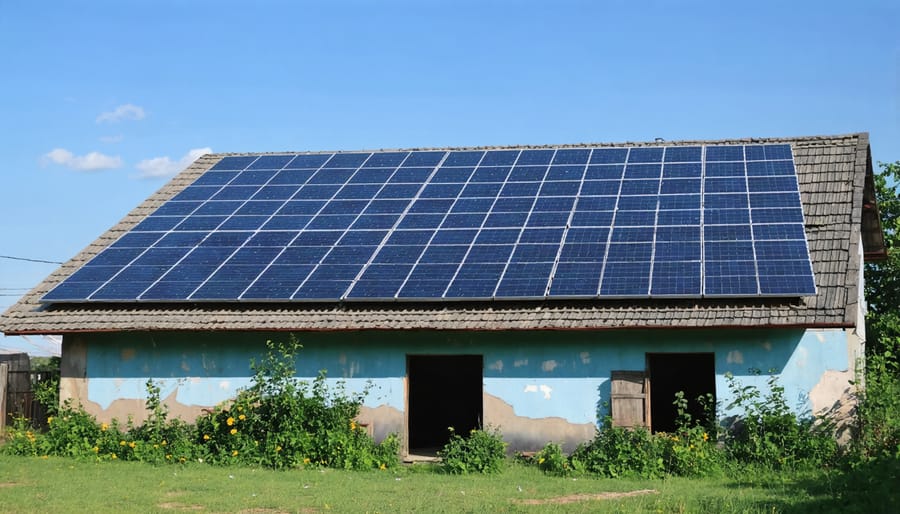
The social implications of solar power sustainability extend far beyond individual energy generation, influencing community development, infrastructure planning, and socioeconomic dynamics. As communities increasingly adopt solar technology, the potential for true energy independence grows, fostering resilience and reducing vulnerability to centralized grid failures.
Solar power installations create significant employment opportunities across various sectors, from manufacturing and installation to maintenance and research. The International Renewable Energy Agency reports that the solar industry employs millions globally, with projections indicating continued growth in job creation. These employment opportunities often require specialized skills, driving educational initiatives and workforce development programs in communities.
Infrastructure adaptation for solar sustainability presents both challenges and opportunities. While existing power grids require modernization to accommodate distributed solar generation, this necessity catalyzes grid infrastructure improvements. Smart grid technologies, advanced energy storage systems, and improved transmission networks are being developed and implemented, enhancing overall energy system reliability.
The democratization of energy production through solar power is reshaping social structures. Communities previously dependent on distant power plants can now generate their electricity locally, fostering energy autonomy and economic resilience. This shift particularly benefits rural and underserved areas, where traditional grid connections may be unreliable or cost-prohibitive.
However, considerations must be given to equitable access to solar technology. Initial installation costs can create socioeconomic barriers, potentially excluding lower-income communities from solar benefits. Progressive policies, financial incentives, and community solar projects are emerging as solutions to ensure broader participation in the solar transition.
As urban planning evolves to incorporate solar infrastructure, new architectural approaches and land-use considerations are reshaping our built environment. Solar-ready building designs, integrated photovoltaic materials, and innovative urban solar installations are becoming standard elements in sustainable city development, demonstrating the profound impact of solar sustainability on modern society.
The evidence overwhelmingly supports solar power’s status as a sustainable energy solution, with continuing technological advances and declining costs further strengthening its long-term viability. Solar PV systems demonstrate strong environmental sustainability through their minimal operational emissions, increasingly efficient manufacturing processes, and improving end-of-life recycling capabilities. The technology’s economic sustainability is validated by falling installation costs, rising energy conversion efficiencies, and compelling returns on investment across various scales of implementation.
While challenges persist, particularly in areas of energy storage, intermittency management, and recycling infrastructure, ongoing research and development continue to yield innovative solutions. The industry’s commitment to circular economy principles and sustainable manufacturing practices is driving improvements in the environmental footprint of solar technologies throughout their lifecycle.
Looking ahead, solar power’s role in the global energy transition appears increasingly central. Projections indicate continued cost reductions, efficiency improvements, and technological breakthroughs that will enhance its sustainability credentials further. The integration of smart grid technologies, advanced energy storage solutions, and improved recycling processes will address current limitations while expanding solar power’s applications.
For stakeholders across the renewable energy sector, solar PV represents a technically mature, economically viable, and environmentally responsible energy solution that aligns with both immediate needs and long-term sustainability goals. As the technology continues to evolve, its contribution to a sustainable energy future becomes increasingly assured.