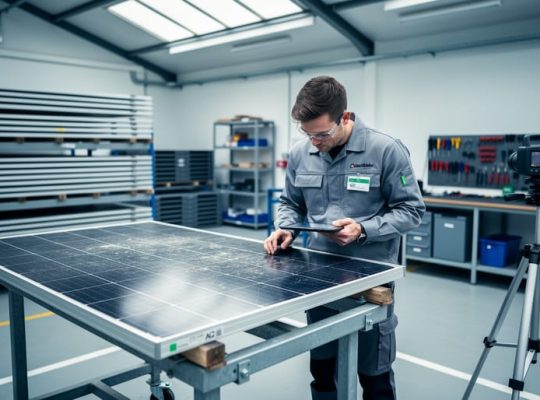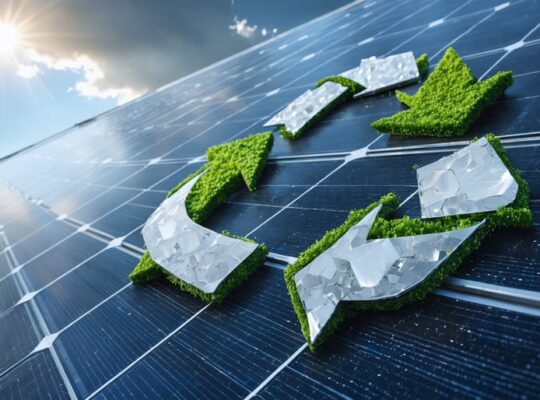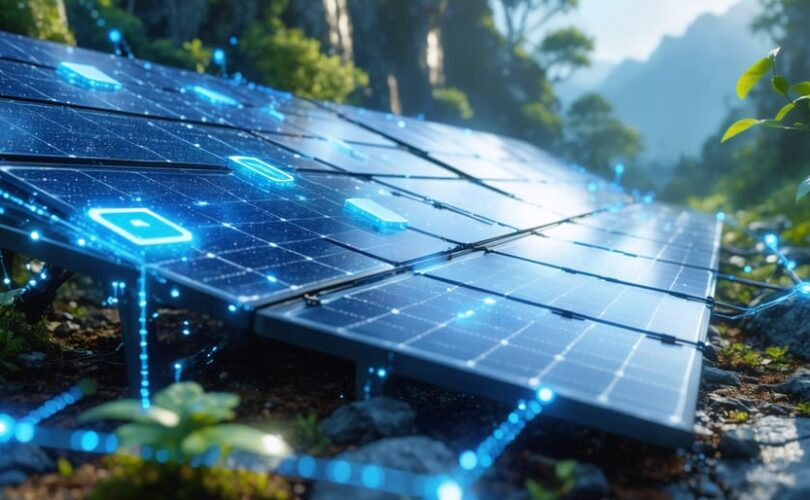
Digital transformation in photovoltaic end-of-life management revolutionizes how we handle solar panel recycling and disposal through intelligent monitoring systems, data-driven decision-making, and automated processing solutions. As the global solar industry matures, sophisticated digital tools emerge as essential components for tracking panel performance, predicting maintenance needs, and optimizing recycling workflows. These technological advances enable unprecedented efficiency in material recovery while ensuring environmental compliance and sustainability metrics are meticulously monitored and reported.
The integration of Internet of Things (IoT) sensors, blockchain traceability, and artificial intelligence algorithms creates a comprehensive digital ecosystem that transforms traditional solar waste management into a precise, data-driven operation. This digital infrastructure not only enhances operational efficiency but also provides valuable insights for improving panel design, extending operational lifespans, and maximizing resource recovery rates.
By embracing digital solutions, stakeholders across the solar value chain can now access real-time monitoring, predictive maintenance schedules, and automated recycling process optimization. This technological evolution represents a critical step toward achieving circular economy objectives in the photovoltaic sector, ensuring that end-of-life solar panels contribute to a sustainable future rather than environmental waste.
The Digital Revolution in Solar Panel Lifecycle Management
Smart Tracking Systems
Smart tracking systems have revolutionized the way we monitor and manage photovoltaic panel lifecycles. These sophisticated digital solutions employ advanced sensors, data analytics, and machine learning algorithms to provide real-time monitoring of panel performance and degradation rates. By continuously collecting and analyzing performance metrics, these systems can accurately predict when panels will reach their end-of-life stage.
The tracking process begins with the installation of IoT sensors that measure key parameters such as power output, temperature variations, and environmental conditions. This data is then processed through predictive modeling software that identifies patterns and trends in panel degradation. The system alerts operators when panels show signs of decreased efficiency or potential failure, enabling proactive maintenance and replacement planning.
Many modern tracking platforms now integrate with facility management systems, creating a comprehensive overview of panel health across entire solar installations. These solutions not only optimize maintenance schedules but also help organizations better plan for panel replacement and recycling initiatives. The data collected through these systems contributes to improving future panel designs and extending operational lifespans, making solar energy more sustainable and cost-effective in the long term.
Automated Material Recovery Platforms
Modern material recovery facilities are undergoing a digital transformation with the integration of AI-powered systems and machine learning algorithms. These automated recycling solutions utilize advanced sensors, computer vision, and robotic sorting mechanisms to efficiently process end-of-life photovoltaic materials.
The platforms employ sophisticated pattern recognition to identify different types of materials within solar panels, including glass, silicon cells, and metal frames. Real-time data analytics optimize the separation processes, ensuring maximum recovery rates while maintaining material purity. Smart conveyor systems work in conjunction with AI-controlled robotic arms to precisely sort and categorize components based on their composition and recycling requirements.
These automated systems significantly reduce human error, increase processing speed, and improve workplace safety. The integration of IoT sensors enables continuous monitoring of system performance, material flow, and quality control metrics. This data-driven approach not only enhances operational efficiency but also provides valuable insights for improving recycling protocols and reducing waste.
The implementation of these platforms represents a crucial step toward creating a more sustainable solar industry, where material recovery becomes increasingly efficient and economically viable.
Digital Tools Revolutionizing PV Recycling Operations
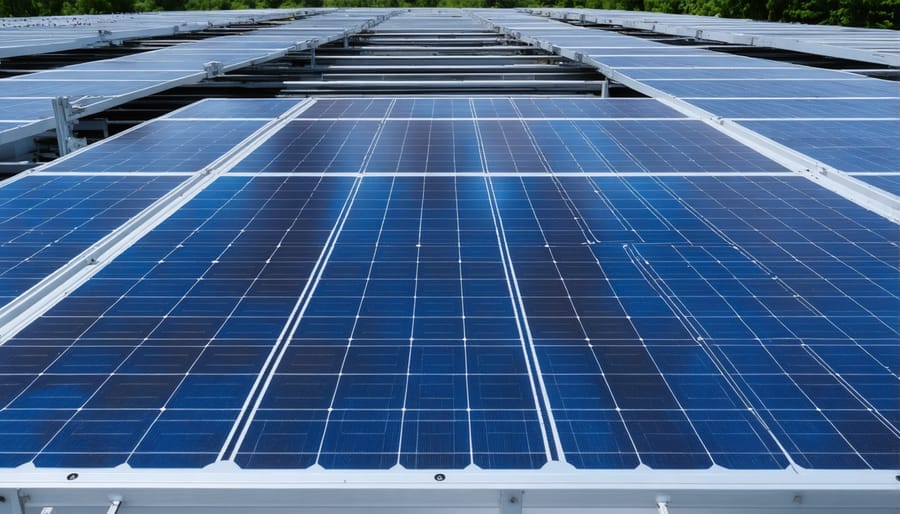
IoT Sensors and Real-time Monitoring
Internet of Things (IoT) sensors and real-time monitoring systems have revolutionized the efficiency and effectiveness of photovoltaic recycling operations. These advanced technologies enable continuous tracking of material flows, process parameters, and system performance throughout the recycling chain.
Smart sensors deployed across recycling facilities monitor crucial metrics such as material composition, temperature, pressure, and chemical concentrations. This data-driven approach allows for precise control over separation processes and immediate detection of potential issues. For instance, optical sensors can instantly identify different types of solar panel materials, ensuring optimal sorting and recovery rates.
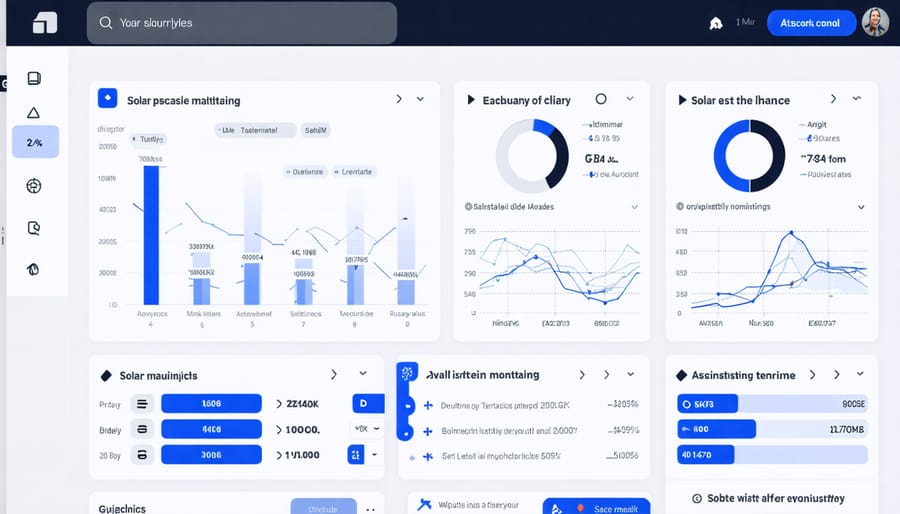
Real-time monitoring systems integrate data from multiple sensors to create comprehensive operational dashboards. These platforms enable facility managers to make informed decisions quickly, optimize resource allocation, and maintain quality control standards. The technology also supports predictive maintenance schedules, reducing downtime and extending equipment lifespan.
Environmental parameters are closely tracked through IoT devices, ensuring compliance with regulations and maintaining workplace safety. Automated alerts notify operators of any deviations from optimal conditions, allowing for swift corrective actions. This level of monitoring has significantly improved recovery rates of valuable materials like silver and silicon from end-of-life solar panels.
The implementation of IoT technology has led to substantial improvements in energy efficiency and waste reduction during the recycling process. By analyzing historical data patterns, facilities can identify opportunities for process optimization and implement more sustainable practices.
Blockchain for Material Traceability
Blockchain technology serves as a revolutionary tool for ensuring transparency and traceability in recycled photovoltaic materials. By creating an immutable digital ledger, blockchain enables stakeholders to track materials from their origin through the entire recycling process, establishing a reliable chain of custody that validates the authenticity and quality of recycled components.
The implementation of blockchain in material traceability offers several key advantages. First, it provides a tamper-proof record of material composition, processing methods, and quality certifications. This documentation helps manufacturers ensure compliance with regulatory requirements and sustainability standards. Second, blockchain enables real-time tracking of material flows, helping optimize logistics and reduce waste in the recycling process.
For recycling facilities, blockchain technology facilitates the creation of digital material passports that contain detailed information about the composition, history, and processing of recycled materials. These passports enhance the value of recycled materials by providing verified documentation of their origin and quality, making them more attractive to manufacturers seeking sustainable resources.
Industry stakeholders can also leverage blockchain to implement smart contracts, automating compliance verification and material certification processes. This automation reduces administrative overhead while increasing the efficiency and reliability of material tracking systems. As the photovoltaic industry continues to embrace circular economy principles, blockchain technology plays an increasingly crucial role in ensuring the transparent and efficient flow of recycled materials through the value chain.

Data-Driven Decision Making in PV Waste Management
Predictive Analytics for Resource Planning
Predictive analytics has revolutionized resource planning in photovoltaic end-of-life management by leveraging historical data and machine learning algorithms to forecast future recycling needs. Advanced modeling techniques analyze patterns in solar panel decommissioning rates, material composition, and geographical distribution to optimize resource allocation across recycling facilities.
These analytical tools process multiple data streams, including installation dates, panel degradation rates, and regional weather patterns, to generate accurate predictions of when and where recycling services will be needed. This proactive approach enables facility managers to adjust staffing levels, equipment deployment, and storage capacity well in advance of demand spikes.
The implementation of smart sensors and IoT devices in recycling facilities provides real-time data on processing volumes and equipment performance. This information feeds into predictive models, continuously refining forecasts and improving operational efficiency. Machine learning algorithms identify trends in material recovery rates and processing times, helping optimize scheduling and resource distribution.
By incorporating economic factors and regulatory requirements into these models, organizations can better plan for infrastructure investments and capacity expansions. This data-driven approach reduces operational costs, minimizes waste, and ensures adequate resources are available when and where they’re needed most, supporting sustainable end-of-life management of photovoltaic systems.
Environmental Impact Assessment Tools
Digital environmental impact assessment tools have revolutionized how we measure and optimize our technological footprint. Leading platforms like Joulebug and GreenScanner provide real-time monitoring of device energy consumption, helping users identify power-hungry applications and implement energy-saving strategies. These tools analyze usage patterns and offer personalized recommendations for reducing digital waste.
Carbon footprint calculators specifically designed for digital activities have become increasingly sophisticated. They account for factors such as server usage, data transfer volumes, and device power consumption to provide accurate environmental impact metrics. Notable solutions include Website Carbon Calculator and Digital Cleanup Calculator, which help quantify the environmental cost of online activities.
Enterprise-level environmental management systems now integrate digital activity tracking with broader sustainability goals. These comprehensive platforms monitor electronic waste management, energy efficiency, and carbon emissions from digital operations. They often feature automated reporting capabilities that align with international environmental standards and regulations.
Mobile applications focused on sustainable digital practices are gaining traction, offering features like e-waste recycling locators, power consumption optimization, and eco-friendly device purchasing guides. These tools empower users to make environmentally conscious decisions about their digital lifestyle while providing measurable impact data.
Future-Proofing Solar PV End-of-Life Management
The landscape of solar PV recycling is rapidly evolving, with emerging technologies promising to revolutionize end-of-life management strategies. Artificial Intelligence and Machine Learning algorithms are being developed to optimize recycling processes, enabling more precise material separation and recovery. These systems can identify and sort different types of panels based on their composition, significantly improving recycling efficiency.
Robotics and automation are transforming material handling and dismantling procedures. Advanced robotic systems equipped with computer vision can safely separate module components while minimizing human exposure to potentially hazardous materials. This technology not only increases processing speed but also ensures consistent quality in recovered materials.
Blockchain technology is emerging as a valuable tool for tracking PV modules throughout their lifecycle. This digital ledger system creates an immutable record of panel components, making it easier to plan for future recycling needs and ensure regulatory compliance. The technology also enables better verification of recycled material origins, supporting the circular economy.
Digital twins and predictive analytics are being implemented to forecast end-of-life volumes and optimize recycling facility operations. These tools help recycling centers better prepare for incoming waste streams and adjust their processes accordingly. Additionally, new chemical recycling technologies are being developed to recover high-purity silicon and other valuable materials, significantly reducing the environmental impact of solar panel disposal.
Research institutions and industry leaders are collaborating on innovative solutions like smart dismantling systems and automated quality control processes. These developments, combined with improving material recovery rates, are making solar PV recycling more economically viable and environmentally sustainable for future generations.
The digital transformation of photovoltaic end-of-life management represents a significant leap forward in our industry’s evolution. By embracing digital solutions, we’ve witnessed remarkable improvements in efficiency, traceability, and sustainability across the entire PV lifecycle management process. The integration of artificial intelligence, blockchain technology, and IoT sensors has revolutionized how we approach waste reduction, material recovery, and circular economy principles in solar energy systems.
Looking ahead, the future of digital solutions in PV end-of-life management appears increasingly promising. We anticipate further advancements in automated recycling processes, enhanced data analytics capabilities, and more sophisticated tracking systems. These developments will likely lead to higher recovery rates of valuable materials, reduced environmental impact, and more cost-effective recycling operations.
The collaboration between industry stakeholders, research institutions, and technology providers continues to drive innovation in this field. As we move forward, the focus will remain on developing more sophisticated digital tools that can address emerging challenges while maintaining environmental responsibility and economic viability.
To ensure sustained progress, ongoing investment in research and development, coupled with supportive regulatory frameworks, will be crucial. The industry’s commitment to digital transformation not only enhances current operations but also paves the way for a more sustainable and efficient future in photovoltaic end-of-life management.