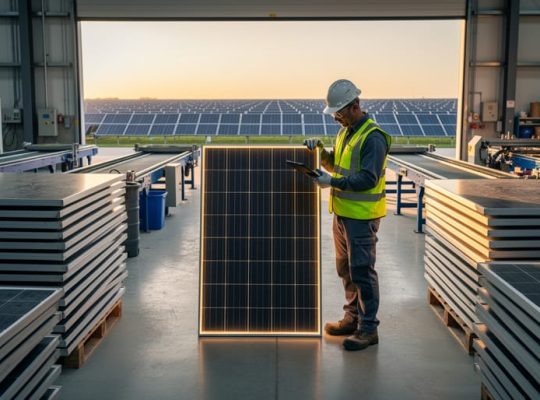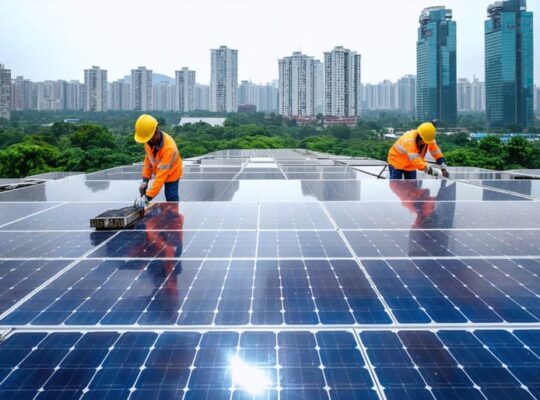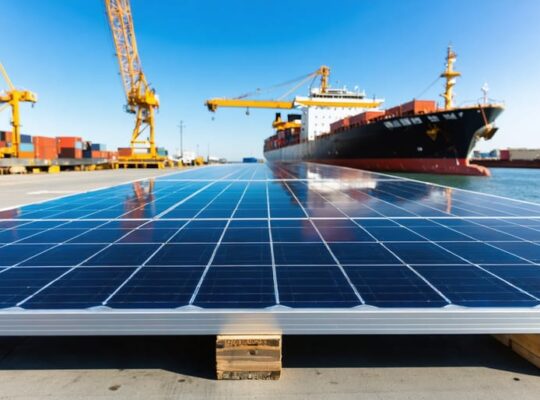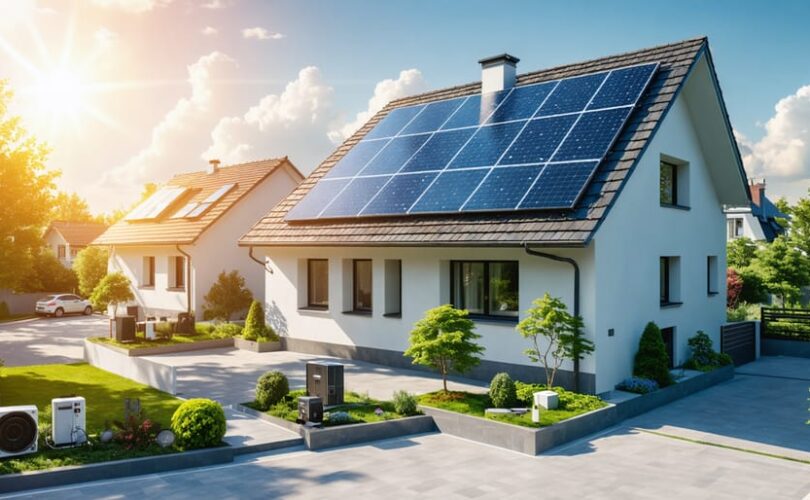
Decentralized energy systems are revolutionizing the global power landscape, offering a paradigm shift from traditional centralized power generation to a more resilient, sustainable, and democratized energy future. These distributed networks, incorporating solar panels, wind turbines, and energy storage systems at local levels, are transforming how we generate, store, and consume electricity. By placing power generation closer to end-users, these systems significantly reduce transmission losses, enhance grid reliability, and provide communities with greater energy independence.
The growing adoption of decentralized energy systems represents a critical response to mounting environmental challenges and energy security concerns. With advancements in renewable technologies and smart grid infrastructure, these systems now offer compelling economic advantages while supporting the transition to a low-carbon economy. Their ability to integrate seamlessly with existing power infrastructure, coupled with declining installation costs and improved efficiency, makes them increasingly attractive to businesses, municipalities, and homeowners alike.
As we stand at the cusp of a major energy transformation, decentralized systems are proving instrumental in creating a more sustainable and resilient energy ecosystem, capable of meeting the complex demands of our rapidly evolving world while fostering environmental stewardship and economic growth.
Understanding Decentralized Solar Energy Systems
Key Components and Infrastructure
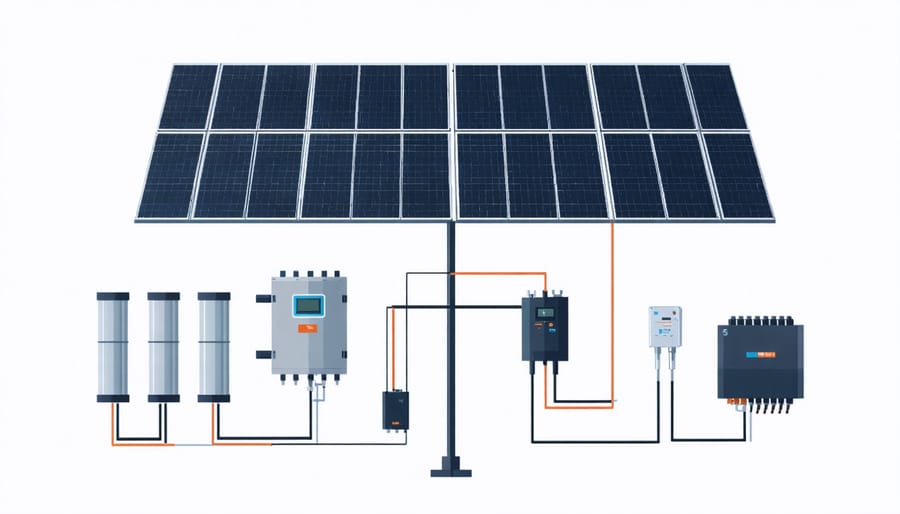
Decentralized energy systems rely on several critical components working in harmony to generate, store, and distribute power effectively. At the core are photovoltaic (PV) modules, which convert solar radiation into electrical energy through semiconductor materials. These modules are typically arranged in arrays to maximize energy capture and system efficiency.
Power conditioning units, particularly inverters, form another crucial element by converting the DC power generated by PV modules into grid-compatible AC power. Modern inverters often include smart features for system monitoring, power optimization, and grid integration capabilities.
Energy storage systems, predominantly utilizing lithium-ion batteries, enable power availability during non-generation periods and help stabilize grid operations. These systems typically include battery management systems (BMS) that monitor and control charging cycles, temperature, and overall battery health.
The infrastructure also encompasses smart meters, communication systems, and control equipment that enable real-time monitoring and automated system management. Protection devices and switchgear ensure safe operation and seamless integration with existing power networks, while mounting structures and balance-of-system components provide physical support and electrical connections necessary for system functionality.
Grid Integration vs. Stand-alone Systems
Decentralized energy systems can be configured either as grid-integrated or stand-alone installations, each serving distinct purposes and applications. Grid-integrated systems maintain a connection to the main power grid, enabling bi-directional power flow. This configuration allows excess energy to be fed back into the grid and provides backup power during periods of insufficient local generation.
Stand-alone systems, also known as off-grid systems, operate independently from the utility grid. These configurations are particularly valuable in remote locations where grid connection is impractical or cost-prohibitive. They typically require robust energy storage solutions and careful system sizing to ensure reliable power supply.
The choice between grid integration and stand-alone configuration depends on several factors, including location accessibility, local regulations, power requirements, and economic considerations. Grid-integrated systems often prove more cost-effective in urban and suburban areas, benefiting from net metering policies and reduced storage requirements. Conversely, stand-alone systems excel in remote applications, providing energy independence and eliminating transmission losses, despite higher initial investment in storage capacity.
Both configurations contribute to grid resilience and energy democratization, though through different mechanisms and with varying degrees of autonomy.
Economic Analysis of Decentralized Solar Systems
Initial Investment and Installation Costs
The implementation of decentralized energy systems requires careful consideration of initial investments and installation expenses. These upfront costs typically encompass equipment procurement, system design, permitting, and professional installation services. For residential solar installations, costs generally range from $15,000 to $25,000 for a standard 6kW system, while commercial installations can range from $50,000 to several million dollars depending on scale and complexity.
Equipment costs constitute approximately 60% of the total investment, including solar panels, inverters, energy storage systems, and monitoring equipment. Installation labor typically accounts for 20-25% of expenses, while permitting, inspection, and interconnection fees comprise the remaining 15-20%.
Various financing mechanisms are available to offset these substantial initial costs. Traditional options include bank loans, lease arrangements, and power purchase agreements (PPAs). Many jurisdictions offer zero interest solar financing options, tax incentives, and renewable energy credits to improve affordability. Property Assessed Clean Energy (PACE) programs enable property owners to finance systems through property tax assessments.
Installation costs can be optimized through careful system sizing, component selection, and site evaluation. Economies of scale often apply to larger installations, reducing per-watt costs. Professional energy audits and system design services help ensure optimal sizing and maximum return on investment while minimizing unnecessary expenses.
Operational Cost Benefits
Decentralized energy systems offer significant operational cost advantages compared to traditional centralized power infrastructure. The primary benefit comes from reduced energy bills, as these systems enable users to generate their own electricity, particularly through solar PV installations. Studies indicate that businesses and households can achieve 30-60% reduction in utility costs, depending on system size and local energy prices.
Maintenance expenses are notably lower in decentralized systems due to their modular nature. When individual components require service or replacement, the entire system remains operational, minimizing downtime costs. Modern monitoring systems enable predictive maintenance, allowing operators to address potential issues before they become costly problems.
The operational savings extend beyond direct energy costs. Decentralized systems reduce transmission losses, which typically account for 8-15% of electricity costs in centralized systems. Additionally, these systems provide protection against rising utility rates and market volatility, offering long-term cost predictability for businesses and households.
Energy storage integration further enhances cost benefits by enabling peak shaving and time-of-use optimization. Organizations can store excess energy during low-demand periods and utilize it during peak hours when grid electricity is most expensive. This load management capability typically results in an additional 15-25% reduction in energy costs.
The return on investment period for decentralized energy systems has decreased significantly, with most installations achieving payback within 5-8 years, depending on local incentives and energy costs.
Government Incentives and Tax Benefits
Government support plays a crucial role in accelerating the adoption of decentralized energy systems through various financial mechanisms and policy frameworks. Recent solar policy developments have introduced significant incentives that substantially improve the economic viability of these systems.
Federal tax credits, such as the Investment Tax Credit (ITC), allow system owners to deduct up to 30% of their installation costs from their federal taxes. Many states offer additional tax incentives, including property tax exemptions and sales tax waivers for renewable energy equipment. These benefits can reduce initial capital costs by 40-50% in some jurisdictions.
Performance-based incentives, including feed-in tariffs and net metering programs, provide ongoing financial returns by compensating system owners for excess energy fed back into the grid. Municipal governments often supplement these programs with local grants, rebates, and low-interest financing options.
Commercial entities can benefit from accelerated depreciation schedules, allowing them to recover their investment more quickly through tax deductions. Agricultural operations may access specialized USDA grants designed to promote rural energy independence.
The combination of these incentives significantly improves project economics, reducing payback periods from 8-10 years to 4-6 years in many cases. As governments continue to prioritize clean energy transition, these support mechanisms are expected to expand, further enhancing the attractiveness of decentralized energy investments.
Market Viability and Future Prospects
Technology Advancement and Cost Reduction
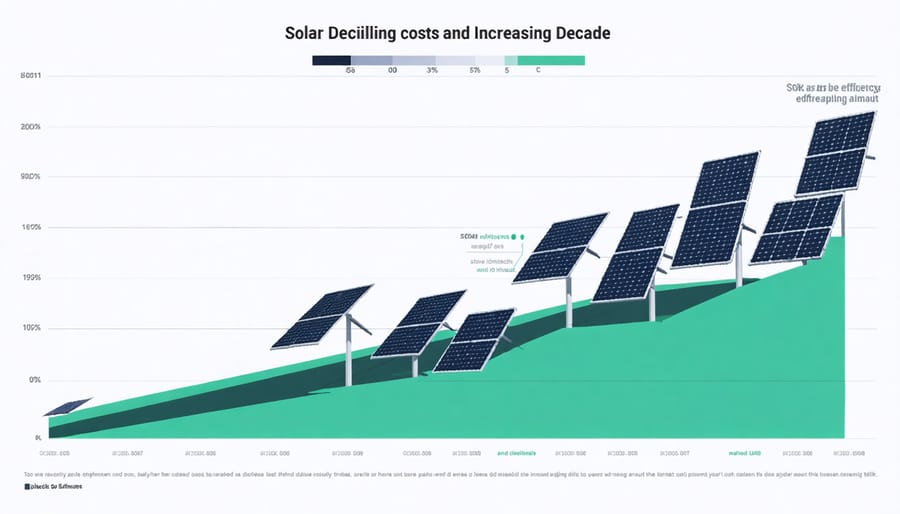
Recent technological advancements have significantly enhanced the efficiency and reduced the costs of decentralized energy systems. Solar photovoltaic technology has experienced remarkable improvements, with panel efficiency increasing from around 15% to over 23% in commercial applications, while production costs have decreased by more than 80% over the past decade.
Energy storage solutions, particularly lithium-ion batteries, have undergone similar transformations. Battery costs have fallen by approximately 89% since 2010, making energy storage increasingly viable for residential and commercial applications. This cost reduction, coupled with improved energy density and longer lifecycles, has made decentralized systems more reliable and economically attractive.
Smart grid technologies and advanced monitoring systems have also evolved substantially. Modern power electronics, including sophisticated inverters and power optimizers, now offer enhanced system performance and grid integration capabilities. These improvements allow for better power quality, increased system reliability, and more efficient energy distribution.
Artificial intelligence and machine learning applications are further optimizing system operations. Predictive maintenance algorithms can now anticipate potential issues before they occur, while smart control systems automatically adjust energy flow based on real-time demand and generation patterns.
Manufacturing innovations, including automated production lines and improved materials, continue to drive down equipment costs. Additionally, standardization of components and installation procedures has reduced labor costs and improved system reliability. These developments have made decentralized energy systems increasingly competitive with traditional centralized power generation.
Looking forward, emerging technologies such as perovskite solar cells and solid-state batteries promise to further enhance system efficiency while reducing costs, making decentralized energy systems even more accessible and economically viable.
Market Growth Indicators
Recent market growth trends indicate substantial expansion in decentralized energy systems, with global installations increasing by 27% annually since 2020. This growth is primarily driven by declining technology costs, improved storage solutions, and supportive regulatory frameworks across major markets.
Key indicators suggest that the decentralized energy sector is poised for continued expansion, with microgrids and distributed generation systems showing particular promise. Investment in decentralized solar installations has doubled over the past three years, while battery storage integration has seen a compound annual growth rate of 32%.
Market analysis reveals several compelling trends: commercial and industrial adoption rates have increased by 45% since 2021, residential installations have grown by 38%, and utility-scale implementations have expanded by 25%. These figures demonstrate robust growth across all market segments.
Geographic distribution of installations shows significant regional variations, with emerging markets in Southeast Asia and Africa experiencing the fastest growth rates. Mature markets like Europe and North America are focusing on grid modernization and storage integration, driving steady expansion in these regions.
Economic indicators further support positive market outlook, with installation costs decreasing by approximately 15% annually. Return on investment periods have shortened from 8-10 years to 5-7 years in most applications, making decentralized systems increasingly attractive to investors and end-users.
Technological advancement metrics, particularly in smart grid integration and energy management systems, suggest accelerating adoption rates through 2025. Industry forecasts project the global decentralized energy market to reach $500 billion by 2027, representing a significant opportunity for stakeholders across the value chain.
Implementation Challenges and Solutions
The implementation of decentralized energy systems presents several significant challenges that require careful consideration and strategic solutions. Technical integration complexities often arise when connecting multiple distributed generation sources to existing grid infrastructure. This challenge can be addressed through advanced power electronics and smart grid technologies that enable seamless integration and improved system stability.
Financial barriers represent another major hurdle, particularly the high initial capital costs associated with equipment installation and system setup. Organizations can overcome this through various financing mechanisms, including power purchase agreements (PPAs), energy service companies (ESCOs), and government incentives. Additionally, the development of innovative business models that distribute costs among multiple stakeholders has proven effective in making projects more financially viable.
Regulatory frameworks and policy uncertainties can impede deployment progress. Success stories from various regions demonstrate that engaging with policymakers and advocating for supportive legislation helps create an enabling environment for decentralized energy systems. This includes establishing clear interconnection standards and fair compensation mechanisms for distributed generation.
Technical expertise and maintenance requirements pose operational challenges. Building local capacity through training programs and partnerships with educational institutions ensures sustainable system operation. Remote monitoring systems and predictive maintenance protocols help minimize downtime and optimize performance.
Grid stability and power quality concerns can emerge when integrating multiple distributed resources. Implementation of advanced control systems, energy storage solutions, and proper sizing of system components helps maintain grid reliability. Modern power management systems effectively coordinate multiple generation sources and loads, ensuring system stability.
Community acceptance and stakeholder engagement present social challenges that require careful attention. Successful implementations often involve early community consultation, transparent communication about benefits and impacts, and development of inclusive participation models. Educational outreach programs help build understanding and support for decentralized energy initiatives while addressing common misconceptions about system reliability and environmental impact.
Decentralized energy systems represent a transformative approach to power generation and distribution, offering compelling advantages in terms of reliability, sustainability, and economic efficiency. As demonstrated throughout this analysis, these systems provide communities and organizations with greater energy independence while contributing to grid resilience and environmental sustainability. The integration of smart technologies and advanced energy management systems continues to enhance their effectiveness, while declining costs of renewable technologies make implementation increasingly viable. Looking ahead, decentralized energy systems are poised to play a pivotal role in the global energy transition, supported by evolving regulatory frameworks and growing market demand. As technology advances and storage solutions improve, we can expect to see wider adoption across various sectors, from residential communities to industrial applications, fundamentally reshaping our energy landscape for a more sustainable future.