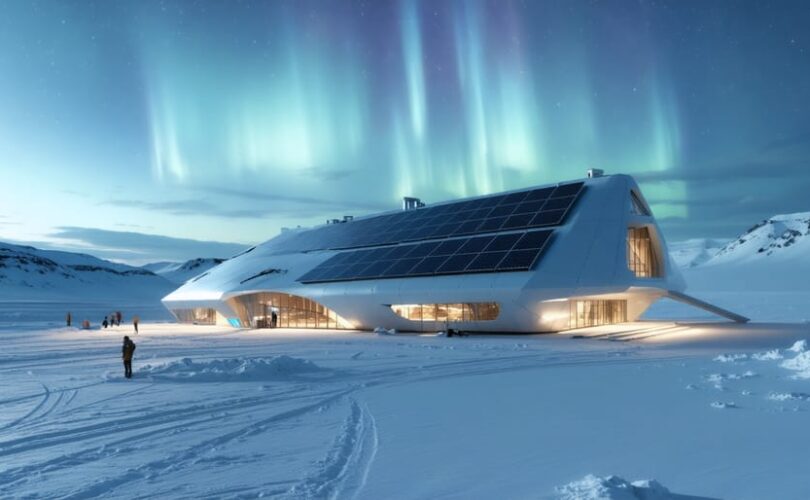
The Cold Climate Housing Research Center (CCHRC) stands at the forefront of advancing sustainable building technologies for extreme environments, pioneering innovative solutions that enhance cold climate solar performance and energy efficiency. Operating as a living laboratory in Fairbanks, Alaska, where temperatures can plunge below -40°F, this state-of-the-art facility combines rigorous scientific research with practical applications to develop resilient housing solutions. Through partnerships with leading universities and industry experts, CCHRC conducts comprehensive studies on building systems, thermal efficiency, and renewable energy integration specifically designed for harsh winter conditions. Their groundbreaking work has revolutionized our understanding of sustainable architecture in extreme environments, establishing new standards for energy-efficient construction while addressing unique challenges posed by permafrost, limited daylight, and severe weather conditions. This research hub serves as a crucial resource for architects, engineers, and policymakers working to create sustainable, comfortable living spaces in cold regions worldwide.
The Cold Climate Housing Research Center’s Innovative Approach
State-of-the-Art Testing Facilities
The research center houses an array of sophisticated testing equipment designed specifically for evaluating building performance in extreme cold conditions. The facility features multiple thermal chambers capable of simulating temperatures from -60°F to 100°F, allowing researchers to assess building materials and systems under controlled environmental conditions. A custom-built wind tunnel enables the study of air infiltration patterns and building envelope performance under various wind speeds and directions.
The center’s signature Mobile Test Laboratory (MTL) serves as a portable research platform, equipped with advanced monitoring systems for field testing in remote locations. This unit contains thermal imaging cameras, blower door testing equipment, and data logging systems for comprehensive building analysis. Additionally, the facility maintains several mock-up building sections where researchers can evaluate different wall assemblies, foundation systems, and insulation techniques.
A dedicated vapor transmission laboratory allows scientists to study moisture movement through building materials, while the thermal imaging suite provides detailed analysis of heat loss patterns. The center also features a specialized ventilation testing chamber for evaluating heat recovery ventilators and other air handling systems crucial for cold climate performance.
Research Methodology and Standards
The Cold Climate Housing Research Center employs rigorous testing protocols aligned with international standards to ensure reliable and replicable results. Research methodologies include controlled environment testing in specialized chambers that simulate extreme arctic conditions, with temperatures ranging from -40°F to 40°F and varying humidity levels. These facilities utilize advanced monitoring systems that collect real-time data on thermal performance, moisture management, and energy efficiency.
Testing procedures follow guidelines established by organizations such as ASHRAE and ISO, while incorporating specialized protocols developed specifically for cold climate applications. The center maintains strict quality control measures, including third-party verification of results and peer review processes. Long-term monitoring of occupied buildings provides valuable real-world performance data, complementing laboratory findings.
Research standards emphasize reproducibility and practical applicability, with all methodologies documented in detail for verification by other institutions. The center’s collaborative approach includes partnerships with universities and research facilities worldwide, ensuring methodologies remain current with evolving industry benchmarks and technological advances. This comprehensive framework enables the development of evidence-based solutions for cold climate housing challenges.
Critical Adaptations for Arctic PV Performance
Snow Load Management Systems
Snow load management systems at the Cold Climate Housing Research Center represent a critical area of study for ensuring structural integrity and safety in regions experiencing heavy snowfall. These systems integrate sophisticated monitoring equipment with engineered design solutions to address the challenges of snow accumulation on building structures, particularly roofs.
The center’s research focuses on developing and testing various snow management technologies, including heated roof panels, engineered slope designs, and innovative materials that facilitate controlled snow shedding. Advanced monitoring systems utilize pressure sensors and real-time data collection to measure snow loads across different roof configurations, providing valuable insights for building code development and architectural design recommendations.
Key components of these management systems include:
– Automated snow load monitoring devices
– Thermal detection systems for identifying potential stress points
– Smart melting systems that activate based on accumulation thresholds
– Structural reinforcement strategies for critical support areas
Research findings have led to the development of specific design guidelines for cold climate regions, incorporating factors such as roof pitch optimization, material selection for reduced snow adhesion, and strategic placement of snow breaks. These guidelines have been particularly valuable for structures in Alaska and other arctic regions where snow loads can exceed traditional building standards.
The center also evaluates the energy efficiency implications of various snow management solutions, ensuring that protective measures don’t compromise the building’s overall thermal performance. This includes studying the integration of snow management systems with other building components, such as ventilation and insulation systems, to create comprehensive solutions for cold climate construction.
Thermal Regulation Innovations
The Cold Climate Housing Research Center has pioneered several innovative thermal regulation solutions to optimize solar panel efficiency in extreme weather conditions. These advancements focus on maintaining stable operating temperatures for photovoltaic systems through both passive and active measures.
Key innovations include the development of specialized thermal mass materials that help regulate temperature fluctuations. These materials absorb excess heat during peak daylight hours and release it gradually when temperatures drop, creating a more stable environment for solar components. The center has also implemented advanced ventilation systems that utilize natural convection currents to manage heat buildup behind solar panels.
Another significant breakthrough involves the integration of phase-change materials (PCMs) into solar panel mounting systems. These PCMs transition between solid and liquid states at specific temperatures, effectively absorbing or releasing heat to maintain optimal operating conditions. This technology has proven particularly effective in preventing thermal stress during rapid temperature changes common in cold climates.
The research center has also developed smart thermal management systems that automatically adjust airflow and heating elements based on real-time temperature monitoring. These systems employ sophisticated algorithms to predict weather patterns and preemptively adjust thermal regulations, ensuring consistent performance even in challenging conditions.
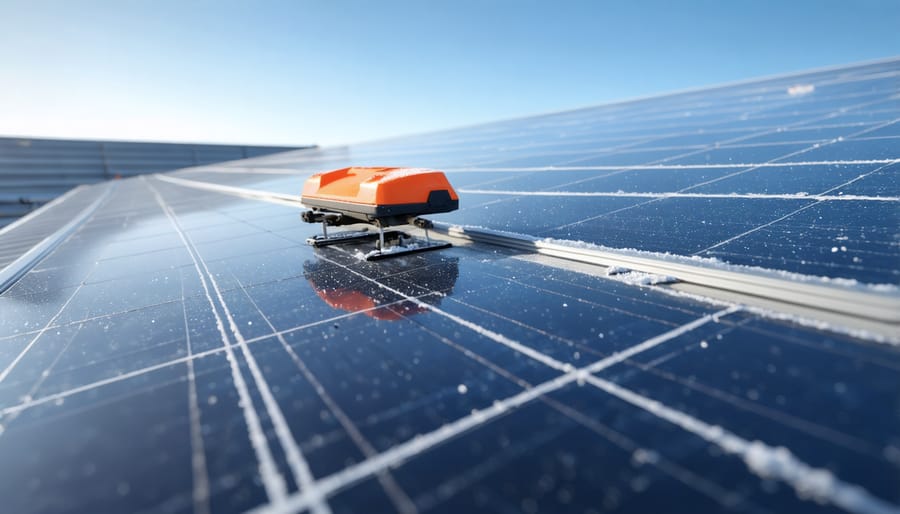
Recent developments include the implementation of nano-engineered surface coatings that enhance heat dissipation while maintaining maximum light absorption. These coatings have demonstrated remarkable effectiveness in preventing snow accumulation and ice formation, two common challenges in cold climate solar installations.
System Resilience Breakthroughs
Material Science Advancements
Recent advancements in material science have revolutionized the development of cold-climate housing components, particularly in the realm of solar panel resilience technologies. The research center has pioneered the use of nano-engineered surface coatings that significantly enhance ice-shedding capabilities while maintaining optimal light transmission for photovoltaic systems.
Key innovations include the development of hydrophobic materials that prevent moisture accumulation and subsequent freezing on building envelopes. These materials incorporate specially designed microscopic patterns that minimize ice adhesion strength by up to 90% compared to conventional surfaces. Additionally, researchers have successfully implemented phase-change materials within building components, providing enhanced thermal regulation during extreme temperature fluctuations.
The center’s material testing laboratory has validated several breakthrough composites that combine superior insulation properties with unprecedented durability in sub-zero conditions. These include aerogel-enhanced building panels that achieve R-values exceeding 50 per inch while maintaining structural integrity in temperatures as low as -60°C.
Recent collaborations with materials scientists have yielded advanced polymer-based sealants specifically engineered for extreme thermal cycling. These compounds maintain flexibility and adhesion properties even during rapid temperature changes, significantly extending the service life of building envelope components and reducing maintenance requirements in harsh arctic environments.
Monitoring and Maintenance Solutions
The Cold Climate Housing Research Center employs sophisticated monitoring and maintenance solutions to ensure optimal performance of its research facilities and experimental systems. Advanced sensor networks throughout the facility continuously track crucial parameters including temperature variations, humidity levels, energy consumption patterns, and system efficiency metrics in real-time.
Building management systems integrate data from multiple sources, providing comprehensive performance analytics through user-friendly dashboards. These systems utilize artificial intelligence and machine learning algorithms to predict potential issues before they occur, enabling proactive maintenance scheduling and reducing system downtime.
Remote monitoring capabilities allow researchers and facility managers to access performance data and control systems from anywhere, particularly valuable during extreme weather conditions. The center implements automated alert systems that notify technical staff when parameters deviate from preset thresholds, ensuring swift response to potential problems.
Preventive maintenance protocols are driven by data analytics, with scheduled inspections and component replacements based on actual wear patterns rather than fixed intervals. This approach has proven more cost-effective and reliable in maintaining system integrity in harsh arctic conditions.
The center also maintains detailed maintenance logs and performance histories, creating valuable datasets for ongoing research and system optimization. This information helps refine design standards and operational guidelines for cold-climate housing technologies, while supporting the development of more resilient and efficient building systems.
Real-World Implementation Success Stories
The Cold Climate Housing Research Center (CCHRC) has successfully implemented numerous innovative solutions across various regions, demonstrating the practical value of their research findings. In Fairbanks, Alaska, their flagship Sustainable Village project showcases cutting-edge environmental adaptation strategies through four prototype homes, each utilizing different construction techniques and energy systems optimized for subarctic conditions.
One notable success story involves the Remote Housing Innovation Project in Nome, where CCHRC collaborated with local communities to develop energy-efficient homes capable of withstanding temperatures below -40°F while reducing heating costs by 80% compared to conventional structures. The project incorporated advanced building envelope designs, solar thermal systems, and innovative ventilation solutions.
In partnership with the Native Village of Unalakleet, CCHRC implemented a community-wide housing initiative that combined traditional knowledge with modern technology. The resulting homes demonstrated exceptional durability during severe coastal storms while maintaining indoor air quality and reducing energy consumption by 60%.
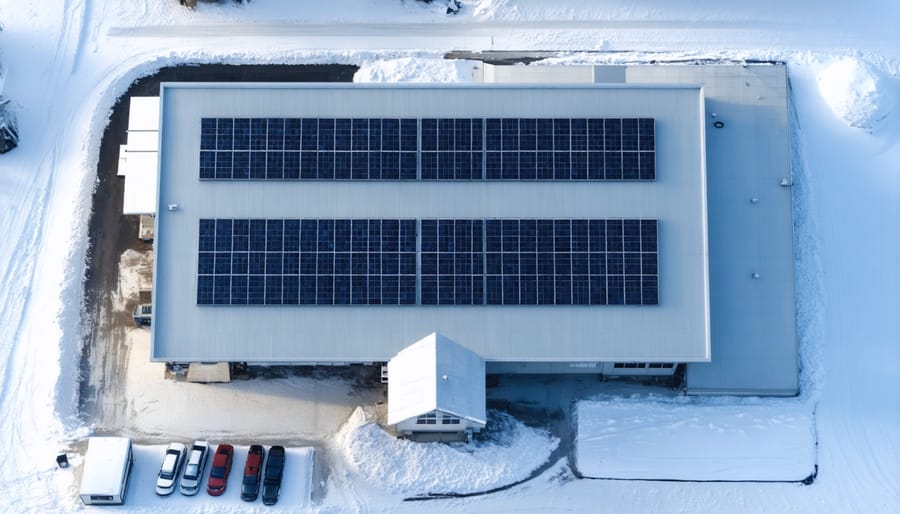
The Research and Testing Facility (RTF) in Fairbanks serves as a living laboratory, continuously monitoring and validating various technologies. Data collected over ten years shows that the facility’s integrated photovoltaic system, despite challenging arctic conditions, achieves 85% of the performance levels observed in temperate climates through specialized mounting techniques and snow-shedding designs.
CCHRC’s work with the Sustainable Northern Communities program has resulted in the construction of over 100 energy-efficient homes across Alaska. These structures incorporate region-specific adaptations, such as elevated foundations for permafrost regions and reinforced roof systems for high snow loads, while maintaining optimal thermal performance and indoor environmental quality.
The center’s research has also influenced building codes and construction practices beyond Alaska. Their findings on vapor barriers and insulation techniques have been adopted by builders in other cold-climate regions, including northern Canada and Scandinavia, demonstrating the global applicability of their research outcomes.
The Cold Climate Housing Research Center has demonstrated significant advances in optimizing photovoltaic systems for extreme environments, establishing crucial benchmarks for future developments in cold-climate solar applications. Through rigorous testing and innovative design approaches, researchers have successfully addressed key challenges such as snow accumulation, reduced daylight hours, and thermal cycling effects on PV components.
Research findings indicate that properly engineered solar installations can maintain up to 90% efficiency even in sub-zero temperatures, with specialized mounting systems showing particular promise in preventing snow-related performance losses. These discoveries have led to the development of new industry standards and best practices for cold-climate PV installations.
Looking ahead, several promising research directions emerge. Advanced materials science initiatives focus on developing cold-resistant solar cell technologies and more efficient energy storage solutions. Ongoing studies explore the integration of artificial intelligence for predictive maintenance and performance optimization in harsh winter conditions. Additionally, researchers are investigating hybrid energy systems that combine solar power with other renewable sources to ensure reliable year-round operation.
Future research priorities include enhancing system durability, improving cold-weather energy storage capabilities, and developing more cost-effective installation methods for remote locations. Collaboration between research institutions, industry partners, and international organizations continues to drive innovation in this crucial field, ensuring sustainable energy solutions for cold-climate regions worldwide.