
Digital operations transformation in the solar industry demands a fundamental shift in how organizations leverage technology and data to optimize their performance. As digital innovation in solar PV continues to accelerate, companies must adapt their operational frameworks to remain competitive and efficient. This transformation encompasses the strategic integration of advanced monitoring systems, artificial intelligence-driven analytics, and automated workflow processes that streamline every aspect of solar plant operations.
The convergence of operational technology (OT) and information technology (IT) has created unprecedented opportunities for solar facilities to enhance their productivity, reduce maintenance costs, and improve overall system reliability. By implementing digital transformation initiatives, organizations can achieve real-time visibility into their operations, predict equipment failures before they occur, and optimize energy production through data-driven decision-making.
As the renewable energy sector evolves, digital operations transformation has become not just a competitive advantage but a fundamental requirement for survival in an increasingly complex and demanding market. This strategic evolution requires a carefully planned approach that balances technological innovation with practical implementation considerations.
The Digital Revolution in Solar PV Operations
From Manual to Smart Monitoring
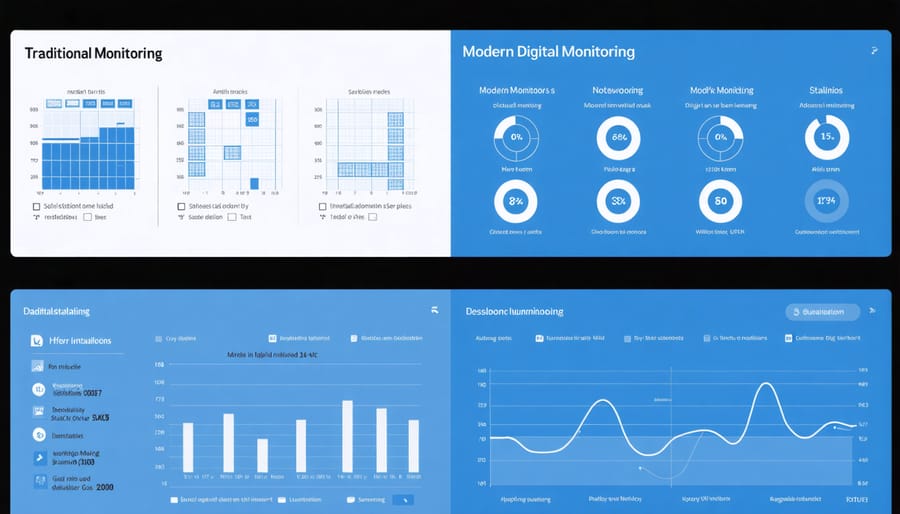
The transition from manual to smart monitoring represents a fundamental shift in how solar PV operations are managed and optimized. Traditional monitoring methods, which relied heavily on physical inspections and manual data collection, have given way to sophisticated digital systems that provide real-time insights and predictive capabilities.
Modern smart monitoring solutions incorporate advanced sensors, Internet of Things (IoT) devices, and artificial intelligence to continuously track system performance, environmental conditions, and equipment health. These systems can automatically detect anomalies, predict potential failures, and optimize energy production without human intervention.
The impact on operational efficiency has been substantial. Smart monitoring reduces response times from hours to minutes, minimizes downtime through predictive maintenance, and enables data-driven decision-making. Organizations implementing these solutions typically report 15-30% improvements in operational efficiency and significant reductions in maintenance costs.
Furthermore, the integration of smart monitoring with cloud platforms allows for centralized control and remote management of multiple solar installations, enabling operators to scale their operations effectively while maintaining consistent performance standards across all sites.
Real-time Data Analytics
Real-time data analytics is revolutionizing solar PV operations by enabling operators to make informed decisions based on live performance metrics and predictive insights. Advanced analytics platforms integrate data from multiple sources, including weather stations, inverters, and monitoring systems, to provide comprehensive operational visibility. These systems leverage artificial intelligence and machine learning algorithms to analyze vast amounts of data, identifying patterns and potential issues before they impact system performance.
By implementing digital twin technology, operators can simulate various scenarios and optimize system parameters in real-time. This capability allows for proactive maintenance scheduling, improved energy yield forecasting, and enhanced grid integration strategies.
The integration of real-time analytics also facilitates automated performance optimization, enabling systems to self-adjust based on environmental conditions and grid demands. This level of automation not only improves operational efficiency but also reduces maintenance costs and extends equipment lifespan. Organizations implementing these analytics solutions typically report significant improvements in system availability and overall performance metrics, with some achieving up to 20% increases in energy yield through optimized operations.
Key Components of Digital PV Operations
IoT Sensors and Smart Devices
Internet of Things (IoT) sensors and smart devices play a pivotal role in the digital transformation of solar installations. Through IoT integration in solar systems, operators can monitor performance metrics, environmental conditions, and equipment health in real-time. Advanced sensors measure crucial parameters such as solar irradiance, panel temperature, power output, and weather conditions, enabling precise system optimization and predictive maintenance.
These smart devices communicate through secure networks, transmitting data to centralized monitoring platforms where sophisticated algorithms analyze performance patterns and identify potential issues before they escalate. Temperature sensors detect hotspots that might indicate panel degradation, while voltage and current sensors monitor electrical performance across the installation.
Modern IoT implementations also include smart inverters that automatically adjust power conversion parameters, weather stations that predict energy generation potential, and intelligent tracking systems that optimize panel orientation throughout the day. This interconnected ecosystem of sensors and devices enables automated responses to changing conditions, reducing operational costs and maximizing energy yield.
The integration of these technologies creates a self-monitoring solar installation capable of autonomous operation while providing operators with comprehensive insights for strategic decision-making.

Cloud-based Management Platforms
Cloud-based management platforms have revolutionized solar asset operations by providing comprehensive, real-time monitoring and control capabilities. These sophisticated systems integrate data from multiple sources, enabling operators to optimize performance, streamline maintenance, and enhance overall operational efficiency.
Modern solar asset management platforms offer features such as automated performance analytics, predictive maintenance scheduling, and advanced reporting tools. Operators can access critical system data from anywhere, facilitating quick decision-making and remote troubleshooting. The platforms typically include customizable dashboards that display key performance indicators, energy production metrics, and financial analytics in an easily digestible format.
These systems excel in fault detection and diagnosis, using machine learning algorithms to identify potential issues before they escalate into major problems. The platforms can automatically generate maintenance tickets, track warranty information, and maintain detailed equipment histories. Additionally, they enable seamless collaboration between team members, stakeholders, and service providers through integrated communication tools.
Security features protect sensitive operational data while ensuring compliance with industry regulations. Most platforms offer scalable solutions that can accommodate growing solar portfolios, from single installations to utility-scale operations, making them suitable for organizations of various sizes and complexity levels.
Predictive Maintenance Systems
Predictive maintenance systems represent a significant advancement in solar PV facility operations, leveraging AI and machine learning applications to anticipate and prevent equipment failures before they occur. These systems continuously analyze real-time sensor data from solar panels, inverters, and other critical components to identify patterns and anomalies that might indicate potential issues.
By monitoring key performance indicators such as voltage fluctuations, thermal signatures, and power output variations, predictive maintenance algorithms can detect subtle changes that human operators might miss. This enables maintenance teams to schedule interventions precisely when needed, rather than relying on fixed maintenance schedules or reactive repairs.
The implementation of predictive maintenance systems typically results in significant operational benefits, including reduced downtime, optimized maintenance costs, and extended equipment lifespan. Statistical analysis shows that facilities utilizing these systems can achieve up to 30% reduction in maintenance costs and a 70% decrease in unexpected failures. This proactive approach ensures maximum system availability and maintains optimal energy production efficiency throughout the solar installation’s lifecycle.
Implementation Strategies
Assessment and Planning
The first crucial step in digital operations transformation involves conducting a comprehensive assessment of existing operational processes, technological infrastructure, and workforce capabilities. This evaluation should identify operational inefficiencies, bottlenecks, and areas where digital integration can deliver the most significant impact.
Begin by mapping current workflows and documenting manual processes that could benefit from automation. Analyze key performance indicators (KPIs) and operational metrics to establish baseline performance levels. This data-driven approach ensures that transformation efforts are directed toward areas with the highest potential return on investment.
Following assessment, develop a strategic roadmap that outlines short-term and long-term transformation goals. This plan should include specific milestones, resource requirements, and timeline estimates. Consider factors such as system integration requirements, data management needs, and necessary staff training programs.
Prioritize initiatives based on their potential impact, implementation complexity, and resource availability. Create detailed implementation plans for each priority area, including risk mitigation strategies and change management protocols. Establish clear governance structures and assign responsibility for different aspects of the transformation process.
Remember to involve key stakeholders throughout the planning phase to ensure buy-in and address concerns early. Regular reviews and adjustments of the transformation plan help maintain alignment with organizational objectives and accommodate emerging technologies or changing business needs.
Training and Adoption
Successful digital operations transformation requires a well-structured approach to training and adoption across the organization. Begin by conducting a thorough skills assessment to identify knowledge gaps and training needs among team members. This helps create targeted learning programs that address specific competency requirements for different roles within the solar PV operations.
Develop a comprehensive training curriculum that combines theoretical knowledge with hands-on practical experience. Include modules on digital tools, data analytics, automated monitoring systems, and new operational processes. Ensure training materials are accessible through multiple formats, including interactive online modules, classroom sessions, and on-the-job mentoring.
Implementation should follow a phased approach, starting with pilot programs before full-scale deployment. Select technology champions within each team to serve as local experts and change agents. These individuals can provide peer support and help maintain momentum during the transformation process.
Regular feedback sessions and performance monitoring help identify adoption challenges early. Address resistance to change by clearly communicating benefits and involving team members in the decision-making process. Create incentive programs that recognize and reward successful adoption of new digital tools and processes.
Establish ongoing support mechanisms, including help desk services and refresher training sessions. Document best practices and lessons learned to create a knowledge base that supports continuous improvement and sustainable transformation of solar PV operations.
Measuring Success and ROI
Performance Metrics
Tracking the success of digital operations transformation requires a comprehensive set of performance metrics that align with organizational objectives. Key Performance Indicators (KPIs) typically fall into four essential categories: operational efficiency, quality assurance, financial impact, and digital adoption rates.
In operational efficiency, metrics include system response time, process automation rates, and mean time between failures (MTBF). Organizations should monitor equipment uptime, maintenance scheduling efficiency, and resource utilization rates. For solar PV operations specifically, performance ratio (PR) and specific yield measurements provide crucial insights into system optimization.
Quality assurance metrics focus on error rates, compliance adherence, and customer satisfaction scores. Digital transformation success is reflected in reduced incident reports, improved first-time-right rates, and enhanced predictive maintenance accuracy. Real-time monitoring capabilities should show measurable improvements in fault detection and response times.
Financial metrics evaluate return on investment (ROI), operational cost reduction, and revenue growth attributed to digital initiatives. Organizations typically track cost per watt, maintenance expenses, and labor efficiency gains. The measurement of energy yield improvements and revenue per customer provides valuable insights into transformation effectiveness.
Digital adoption metrics assess user engagement, system utilization rates, and digital workflow completion rates. Important indicators include employee training completion rates, digital tool usage statistics, and the percentage of processes successfully migrated to digital platforms. These metrics help organizations ensure that technological investments translate into practical operational improvements.

Cost-Benefit Analysis
Implementing digital operations transformation requires careful evaluation of both financial investments and expected returns. Initial costs typically include software platforms, hardware upgrades, employee training, and system integration expenses. However, these investments often yield significant long-term benefits through improved operational efficiency and reduced manual intervention.
Organizations implementing digital transformation report average cost savings of 15-25% in operational expenses within the first two years. These savings primarily come from automated workflows, predictive maintenance, and optimized resource allocation. Additionally, digital transformation enables better data-driven decision-making, leading to improved asset performance and reduced downtime.
The return on investment (ROI) timeline varies depending on the scope and scale of implementation. Small to medium-sized solar operations typically see positive ROI within 18-24 months, while larger enterprises may experience returns in 12-18 months due to economies of scale. Key financial benefits include reduced labor costs, minimized equipment failures, and enhanced energy yield through smart monitoring systems.
When conducting a cost-benefit analysis, organizations should consider both quantitative metrics (such as operational cost reduction and productivity improvements) and qualitative benefits (including enhanced customer satisfaction and competitive advantage). Success metrics should align with organizational goals and include specific KPIs for measuring transformation effectiveness.
The digital transformation of solar PV operations represents a crucial evolution in the renewable energy sector, fundamentally reshaping how organizations operate, compete, and deliver value. As we look toward the future, the integration of digital technologies will continue to drive efficiency improvements, cost reductions, and enhanced performance across the solar industry.
Organizations that successfully implement digital operations transformation position themselves to capitalize on emerging opportunities, from predictive maintenance and automated monitoring to data-driven decision-making and improved customer engagement. The convergence of IoT devices, artificial intelligence, and cloud computing creates a foundation for smarter, more responsive solar installations that can adapt to changing conditions and requirements.
Looking ahead, we can expect to see increased adoption of digital twins, blockchain for energy trading, and advanced analytics platforms that further optimize solar PV operations. The integration of these technologies will be essential for scaling renewable energy deployment and achieving ambitious clean energy targets.
However, success in digital transformation requires more than just technology implementation. Organizations must foster a culture of innovation, invest in workforce development, and maintain a clear strategic vision aligned with their operational goals. Those who embrace this holistic approach to digital transformation will be better equipped to navigate future challenges and capitalize on opportunities in the evolving solar energy landscape.