
The intersection of sustainability and logistics presents one of the most critical challenges in modern supply chain management, particularly as companies strive to reduce their carbon footprint while maintaining operational efficiency. Recent studies indicate that logistics operations account for approximately 20% of global carbon emissions, making it imperative to revolutionize how we approach transportation and warehousing in the renewable energy sector. The environmental impact of solar energy extends beyond panel production to encompass the entire supply chain ecosystem.
By implementing smart routing algorithms, adopting electric vehicle fleets, and optimizing warehouse energy consumption, forward-thinking organizations are demonstrating that profitability and environmental stewardship can coexist. These innovations, coupled with advances in blockchain technology for supply chain transparency and artificial intelligence for predictive logistics, are reshaping industry standards and setting new benchmarks for sustainable operations.
As we navigate the complexities of global commerce, the integration of sustainable practices in logistics not only addresses environmental concerns but also offers competitive advantages through reduced operational costs and enhanced brand reputation. This transformation represents a fundamental shift in how businesses approach their supply chain strategies, marking a new era in sustainable logistics management.
The Environmental Impact of PV Transportation
Carbon Footprint Metrics
Transportation modes in logistics contribute significantly to the overall carbon footprint of supply chain operations. Air freight generates approximately 500g of CO2 per tonne-kilometer, making it the highest emitter among transport options. Road transport follows with 60-150g of CO2 per tonne-kilometer, varying based on vehicle type and load efficiency. Rail transport proves more environmentally friendly, producing about 30-40g of CO2 per tonne-kilometer, while sea freight remains the most carbon-efficient at 10-40g of CO2 per tonne-kilometer.
Last-mile delivery accounts for 53% of total shipping costs and contributes disproportionately to urban emissions. Electric vehicles in last-mile logistics can reduce carbon emissions by up to 67% compared to conventional delivery vehicles. Intermodal transportation solutions, combining different transport modes, can optimize both efficiency and environmental impact by leveraging the strengths of each method.
Companies implementing real-time route optimization and load consolidation strategies have reported emission reductions of 15-25%. Advanced analytics and AI-driven logistics planning help identify opportunities for reducing empty miles and optimizing vehicle capacity utilization, further decreasing the carbon footprint across the supply chain network.
Supply Chain Distance Analysis
The geographical distribution of photovoltaic manufacturing and deployment sites presents significant challenges in PV supply chain sustainability. Key raw material sources are often thousands of kilometers away from manufacturing facilities, while end markets may be dispersed across multiple continents. This spatial disconnect necessitates complex transportation networks involving sea freight, rail transport, and road logistics.
Analysis of transportation routes reveals that typical solar panels travel an average of 10,000 kilometers from raw material extraction to final installation. This extensive distance contributes significantly to the carbon footprint of solar products, with transportation accounting for approximately 3-5% of total lifecycle emissions. The challenge is particularly acute for emerging markets where infrastructure limitations can extend delivery times and increase environmental impact.
To optimize logistics networks, companies are implementing route optimization algorithms and establishing regional manufacturing hubs. These strategies reduce transportation distances while maintaining supply chain resilience. Advanced mapping technologies and real-time tracking systems enable more efficient route planning, helping balance economic and environmental considerations in the global solar supply chain.
Innovative Sustainable Logistics Solutions
Route Optimization Technologies
Modern logistics operations are increasingly leveraging advanced route optimization technologies to enhance efficiency while reducing carbon footprint. These sophisticated systems utilize artificial intelligence and machine learning algorithms to analyze multiple variables simultaneously, including traffic patterns, delivery schedules, vehicle capacity, and fuel consumption.
Real-time GPS tracking and dynamic routing capabilities allow fleet managers to respond promptly to changing conditions, such as traffic congestion or weather events. This adaptive approach minimizes idle time and unnecessary detours, resulting in significant fuel savings and reduced emissions. Advanced algorithms can calculate the most efficient delivery sequences, consolidate shipments, and optimize load factors to maximize vehicle utilization.
Transportation Management Systems (TMS) integrate these optimization tools with broader logistics operations, providing comprehensive visibility across the supply chain. These platforms can identify opportunities for multimodal transportation solutions, combining different transport methods to achieve optimal efficiency. For instance, they might suggest rail transport for long-distance shipments and electric vehicles for last-mile delivery in urban areas.
Predictive analytics further enhance route optimization by forecasting delivery demands and potential disruptions. This proactive approach enables better resource allocation and prevents unnecessary vehicle movements. Some systems also incorporate environmental impact calculations, allowing companies to balance operational efficiency with sustainability goals.
The implementation of these technologies typically results in 10-30% reduction in transport distances and corresponding emissions decreases. As these systems continue to evolve, they increasingly incorporate renewable energy considerations, such as routing electric delivery vehicles based on charging station locations and battery capacity.
Electric and Hybrid Transport Solutions
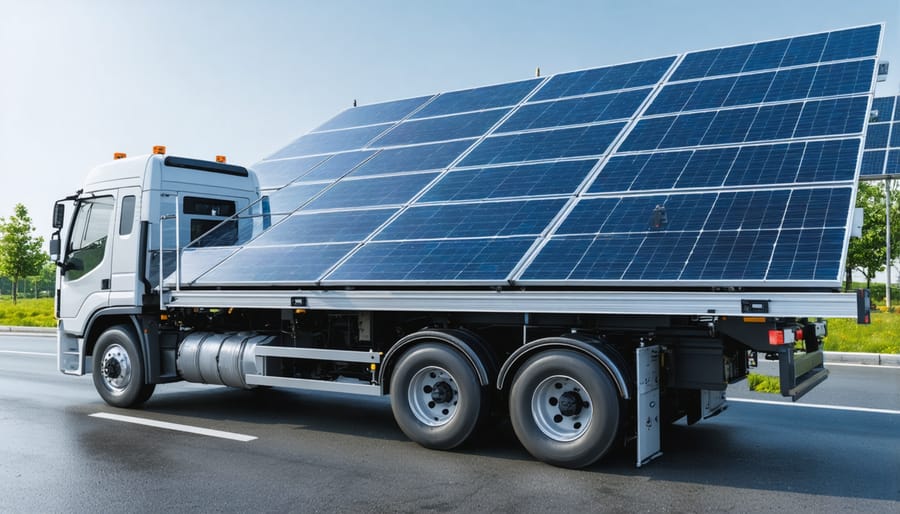
The integration of electric and hybrid vehicles into photovoltaic logistics operations represents a significant step toward reducing the carbon footprint of solar energy supply chains. Fleet operators are increasingly adopting electric delivery vans and hybrid trucks for last-mile distribution of solar panels and components, achieving up to 75% reduction in transport-related emissions compared to conventional diesel vehicles.
Modern electric vehicles (EVs) equipped with advanced battery management systems can now handle the demanding requirements of PV module transportation. These vehicles offer sufficient range and payload capacity while maintaining optimal temperature conditions for sensitive solar components. Hybrid solutions, combining electric motors with efficient internal combustion engines, provide flexibility for longer routes and heavier loads, particularly beneficial for interstate transportation of bulk solar equipment.
Strategic placement of charging infrastructure along common delivery routes has become crucial for successful EV integration. Many logistics companies are installing solar-powered charging stations at their distribution centers, creating a self-sustaining ecosystem that further enhances environmental benefits. This approach not only reduces operational costs but also demonstrates the practical application of renewable energy in transportation.
Real-world implementations have shown that electric transport solutions can maintain delivery efficiency while significantly reducing environmental impact. Companies utilizing electric vehicles for PV logistics report average cost savings of 20-30% in fuel and maintenance expenses over traditional fleets. Additionally, these vehicles contribute to noise reduction in urban areas and align with increasingly stringent environmental regulations in many jurisdictions.
The transition to electric and hybrid transport requires careful planning and initial investment, but the long-term benefits in terms of operational costs and environmental impact make it an essential component of sustainable PV logistics strategies.

Packaging and Waste Reduction
Sustainable Packaging Materials
In the pursuit of sustainable logistics, packaging materials play a critical role in reducing environmental impact while ensuring product protection. Modern sustainable packaging solutions incorporate recyclable and biodegradable materials that maintain structural integrity throughout the supply chain. Common eco-friendly options include corrugated cardboard made from recycled content, biodegradable packaging peanuts derived from cornstarch, and mushroom-based packaging materials.
Recent innovations have introduced advanced bio-based polymers that offer comparable protection to traditional petroleum-based materials while significantly reducing carbon footprint. These materials decompose naturally without leaving harmful residues, addressing end-of-life disposal concerns. Companies are increasingly adopting reusable packaging systems, such as durable plastic containers and standardized pallets, which can be circulated multiple times through reverse logistics networks.
The selection of sustainable packaging materials requires careful consideration of factors including durability, weight, cost-effectiveness, and local recycling infrastructure. Materials must withstand various environmental conditions while minimizing transportation weight to reduce fuel consumption. Leading organizations are implementing lifecycle assessment tools to evaluate the environmental impact of different packaging options, considering factors from raw material extraction to end-of-life disposal.
As regulations around packaging waste become stricter, manufacturers are developing innovative solutions like water-soluble protective films and plant-based cushioning materials. These alternatives not only support environmental goals but often provide cost benefits through reduced material usage and simplified recycling processes.
Recycling and Reuse Programs
Modern logistics operations are increasingly adopting comprehensive recycling and reuse programs as part of their commitment to sustainability. These initiatives align with the broader circular economy in solar industry principles, focusing on minimizing waste and maximizing resource efficiency throughout the supply chain.
Key components of successful recycling programs include reverse logistics systems, which facilitate the collection and processing of used materials, packaging, and equipment. Companies are implementing sophisticated tracking systems to monitor recyclable materials and establishing partnerships with specialized recycling facilities to ensure proper material recovery.
Reusable packaging solutions have become increasingly prevalent, with many organizations transitioning from single-use containers to durable, multi-trip packaging systems. These solutions not only reduce waste but also offer significant cost savings over time. Advanced tracking technologies, such as RFID tags and blockchain systems, enable efficient management of reusable assets throughout their lifecycle.
Companies are also developing innovative approaches to material recovery, including the implementation of automated sorting systems and the establishment of dedicated recycling centers within their distribution networks. These facilities process various materials, from packaging materials to electronic components, ensuring maximum resource recovery and minimal environmental impact.
The integration of these programs requires careful coordination among suppliers, manufacturers, distributors, and end-users, supported by robust data management systems and clear standard operating procedures. Success metrics typically include recovery rates, waste reduction percentages, and cost savings achieved through material reuse.
Cost-Benefit Analysis of Sustainable Logistics
Initial Investment Requirements
Implementing sustainable logistics practices requires significant upfront investment across multiple operational areas. The initial capital expenditure typically encompasses three main categories: infrastructure modifications, technology integration, and workforce development.
Infrastructure modifications often demand the largest financial commitment, including warehouse retrofitting with energy-efficient systems, installation of renewable energy sources, and upgrading loading docks with smart technology. Companies should anticipate investing between 15-25% of their current logistics budget for these essential improvements.
Technology integration costs include implementing advanced tracking systems, logistics management software, and real-time monitoring solutions. These investments typically range from $50,000 to $500,000, depending on the organization’s size and complexity. Essential components include warehouse management systems, route optimization software, and emissions monitoring tools.
Workforce development requires allocation for training programs, certification courses, and ongoing education. Organizations should budget approximately $2,000-5,000 per employee for comprehensive sustainability training and skill development.
Additional considerations include consulting fees for sustainability experts, compliance certification costs, and potential temporary operational disruptions during implementation. Companies should maintain a contingency fund of 10-15% of the total investment to address unforeseen challenges.
While these initial investments may seem substantial, they typically result in positive ROI within 3-5 years through reduced operational costs, improved efficiency, and enhanced market competitiveness. Organizations can often access government incentives, grants, and tax benefits to offset these initial expenses.
Long-term Financial Benefits
Implementing sustainable logistics practices in photovoltaic operations yields significant long-term financial advantages that extend beyond immediate environmental benefits. Studies indicate that companies adopting sustainable logistics strategies typically achieve a 15-25% reduction in operational costs over a five-year period.
Energy-efficient transportation solutions, such as optimized routing and consolidated shipments, can reduce fuel consumption by up to 30%, directly impacting the bottom line. Companies implementing smart warehouse management systems report average annual savings of 20% on storage and handling costs, while simultaneously reducing product damage rates by 40%.
Investment in sustainable packaging materials, though initially more expensive, demonstrates substantial cost benefits through reduced material usage, improved space utilization, and decreased waste management expenses. Organizations report an average return on investment within 2-3 years of implementation.
Digital tracking systems and predictive analytics contribute to inventory optimization, reducing carrying costs by 15-20% annually. Moreover, sustainable practices often qualify businesses for government incentives, tax benefits, and preferential treatment in procurement processes, creating additional revenue streams.
Companies with demonstrated commitment to sustainable logistics typically experience enhanced brand value and customer loyalty, leading to increased market share and premium pricing opportunities. Analysis shows that environmentally conscious logistics practices can increase profit margins by 5-8% through combined cost savings and revenue enhancement opportunities.
The integration of sustainable practices in photovoltaic logistics represents a critical step toward achieving true environmental benefits in the renewable energy sector. Throughout this analysis, we’ve explored how optimized transportation routes, innovative packaging solutions, and strategic warehouse management can significantly reduce the carbon footprint of PV supply chains while maintaining economic viability.
The future of sustainable PV logistics looks promising, with emerging technologies like AI-driven route optimization and electric delivery vehicles poised to further reduce environmental impact. Industry leaders are increasingly adopting circular economy principles, implementing reverse logistics programs, and investing in sustainable packaging alternatives. These developments suggest a transformation in how the solar industry approaches its logistics operations.
Key success factors moving forward will include increased collaboration between stakeholders, continued technological innovation, and standardization of sustainable practices across the supply chain. The implementation of smart tracking systems and blockchain technology will enhance transparency and accountability in sustainable logistics operations.
As the PV industry continues to grow, the importance of sustainable logistics will only increase. Companies that proactively adopt sustainable practices now will gain competitive advantages while contributing to environmental preservation. The challenge lies in balancing economic feasibility with environmental responsibility, but evidence suggests that sustainable logistics practices often lead to long-term cost savings and improved operational efficiency.
For the PV sector to truly deliver on its promise of clean energy, sustainable logistics must remain a priority in strategic planning and operational decision-making.