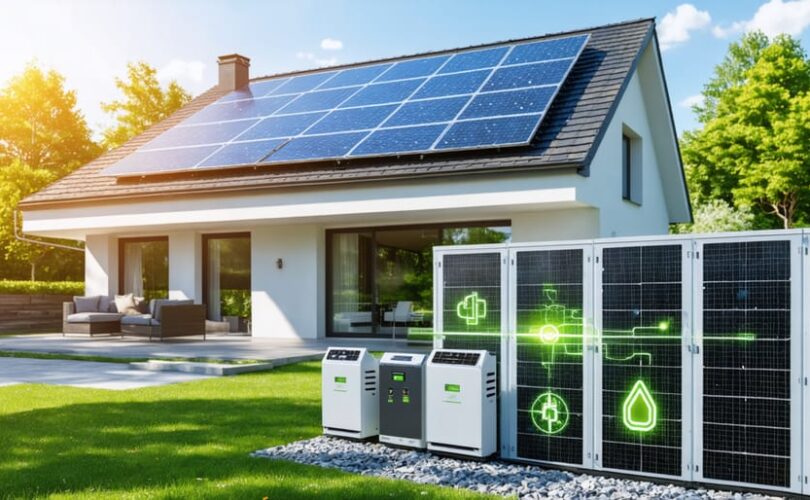
A 9kW solar system with integrated battery storage represents a comprehensive power solution capable of meeting the energy demands of medium to large households while providing crucial backup during grid outages. Modern solar power storage systems combine high-efficiency photovoltaic panels with advanced lithium-ion batteries, delivering up to 36kWh of daily electricity generation under optimal conditions. This hybrid configuration enables homeowners to achieve up to 80% energy independence while maintaining reliable power supply during evening hours and adverse weather conditions. The integration of smart inverter technology and sophisticated battery management systems ensures seamless switching between grid and stored power, maximizing system efficiency and extending battery lifespan. For households considering long-term energy independence, this setup offers an optimal balance between initial investment, storage capacity, and sustained performance, with an expected return on investment period of 5-7 years under current energy pricing structures.
Understanding 9kW Solar System Components
Solar Panel Configuration
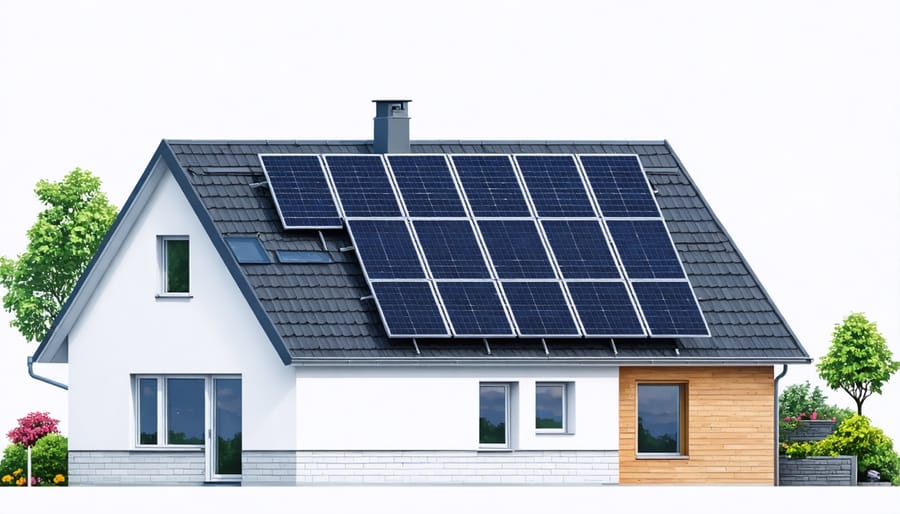
A typical 9kW solar system requires careful configuration of photovoltaic panels to achieve optimal solar panel efficiency and power output. The standard configuration consists of 24-30 panels, depending on their individual wattage ratings, which typically range from 300W to 375W per panel. High-efficiency monocrystalline panels are predominantly used for these installations due to their superior performance and space efficiency.
For residential installations, panels are typically arranged in 2-3 parallel strings, with 8-10 panels per string. This configuration optimizes voltage and current requirements while maintaining system stability. The exact arrangement depends on available roof space, orientation, and inverter specifications. South-facing installations in the Northern Hemisphere achieve maximum exposure, though east-west configurations can also provide effective energy generation throughout the day.
Modern 9kW systems often incorporate half-cell technology panels, which offer improved shade tolerance and reduced internal resistance losses. These panels measure approximately 1.7m x 1m each, requiring roughly 50-60 square meters of installation area. The mounting system should maintain a 20-40 degree tilt angle, adjusted according to geographical location and local climate conditions. This configuration ensures optimal year-round performance while accommodating seasonal variations in sun position and intensity.
Battery Storage Solutions
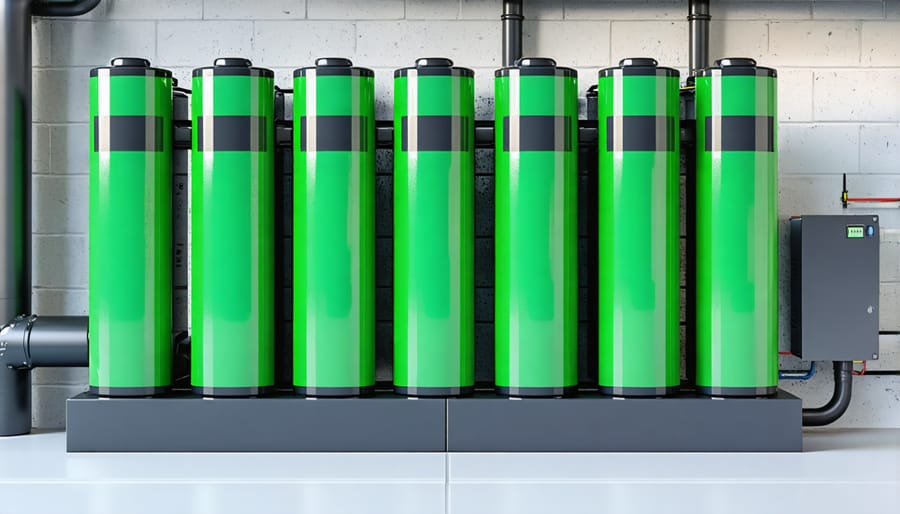
For a 9kW solar system, selecting appropriate battery storage solutions is crucial for optimal system performance. Lithium-ion batteries dominate the market due to their high energy density, longer lifespan, and improved efficiency. For typical residential installations, a storage capacity between 10-15kWh provides sufficient backup for essential loads during non-generating hours.
The most common battery configurations include:
– Lithium Iron Phosphate (LiFePO4): Offers superior safety and longevity
– Lithium Nickel Manganese Cobalt (NMC): Provides higher energy density
– Advanced Lead Acid: Cost-effective but requires more maintenance
System integration can be achieved through AC or DC coupling methods. DC coupling connects batteries directly to the solar charge controller, maximizing charging efficiency. AC coupling, while slightly less efficient, offers more flexibility in retrofitting existing systems.
When sizing battery capacity, consider:
– Daily energy consumption patterns
– Critical load requirements
– Desired backup duration
– Weather patterns and seasonal variations
– System expansion possibilities
Modern battery systems include smart monitoring capabilities, allowing real-time performance tracking and automated power management. Most manufacturers recommend maintaining depth of discharge below 80% to extend battery life and maintain optimal performance characteristics.
Hybrid Storage System Integration
Grid Connection and Battery Backup
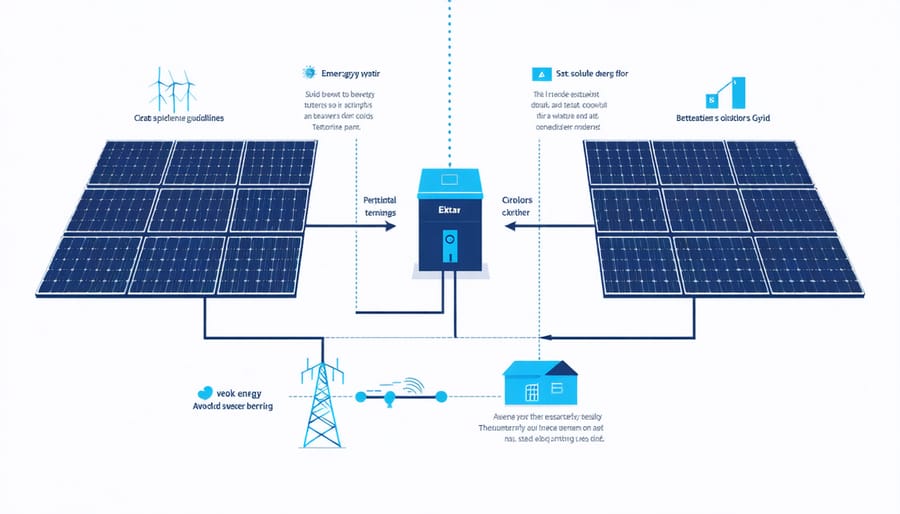
A 9kW solar system with battery storage operates as a sophisticated hybrid power solution, seamlessly integrating with the electrical grid while providing backup capabilities during outages. The system employs a bi-directional inverter that manages power flow between solar panels, batteries, and the grid, ensuring optimal energy utilization and system reliability.
During daylight hours, the solar array generates electricity that primarily serves immediate household consumption needs. Excess power is directed to charge the battery bank, typically ranging from 10-20kWh capacity for a 9kW system. Once batteries reach full charge, remaining surplus energy is exported to the grid, often earning credits through net metering arrangements.
The battery storage system serves multiple functions in grid-connected operation. It enables power arbitrage by storing excess solar energy for use during peak rate periods, reducing electricity costs. The batteries also provide instantaneous backup power during grid outages, with automatic transfer switches isolating the home from the grid while maintaining essential loads.
System configuration typically includes critical load panels that separate essential circuits from non-essential ones. This ensures that during extended outages, battery power is reserved for crucial applications like refrigeration, lighting, and communication devices. Most modern systems incorporate smart energy management controllers that optimize battery charging and discharging based on usage patterns, weather forecasts, and electricity rates.
For maximum efficiency, the grid connection maintains battery charge levels when solar production is insufficient. This hybrid approach ensures system reliability while maximizing self-consumption of solar-generated electricity. The integration also allows for participation in grid services programs, where utilities may offer incentives for allowing controlled access to stored energy during peak demand periods.
Professional installation ensures compliance with local utility interconnection requirements, including proper isolation mechanisms and grid protection features. Regular monitoring and maintenance of both solar and battery components maintain system performance and longevity.
Energy Management Systems
Energy Management Systems (EMS) play a crucial role in maximizing the efficiency of a 9kW solar system with batteries. These sophisticated control systems monitor, analyze, and optimize system performance through advanced algorithms and real-time data processing.
Modern EMS platforms incorporate several key features to enhance system operation. Load management capabilities enable automatic prioritization of power distribution, ensuring critical appliances receive consistent power supply while managing discretionary loads during periods of lower generation. Smart inverter control algorithms facilitate seamless switching between solar, battery, and grid power sources, maintaining stable power output while maximizing self-consumption of solar energy.
The system’s battery management functionality monitors state of charge, depth of discharge, and charging cycles to protect battery life while ensuring optimal energy storage utilization. Advanced forecasting algorithms analyze weather patterns and historical consumption data to predict energy generation and usage, allowing the system to make proactive adjustments to charging and discharge schedules.
Integration with home automation systems enables demand-side management, automatically adjusting energy consumption patterns to align with peak solar generation periods. Many systems now incorporate machine learning capabilities that continuously refine operational parameters based on usage patterns and system performance data.
Remote monitoring and control features allow system owners to track performance metrics, receive maintenance alerts, and adjust settings through mobile applications or web interfaces. These platforms typically provide detailed analytics on energy production, consumption, and storage patterns, enabling informed decision-making about energy usage.
For grid-connected systems, EMS platforms can implement peak shaving and time-of-use optimization strategies, storing excess solar energy during off-peak periods and deploying it during peak rate hours to maximize economic benefits. This intelligent power management ensures optimal utilization of the 9kW solar system’s capabilities while maintaining grid stability and reducing overall energy costs.
Performance and Benefits
Energy Production Capabilities
A 9kW solar system with batteries typically generates between 32-40 kWh of electricity per day, depending on geographical location, panel orientation, and seasonal variations. During optimal conditions, this system can produce approximately 12,000-14,000 kWh annually, meeting the energy needs of a medium to large household.
The system’s energy production capabilities are influenced by several efficiency factors. Solar panel efficiency, typically ranging from 15% to 22%, determines how effectively sunlight is converted into electricity. Modern battery storage systems maintain efficiency rates of 85-95%, ensuring minimal energy loss during the storage and discharge process.
Peak production occurs during midday hours, generally between 10 AM and 2 PM, when solar irradiance is highest. The system can generate surplus energy during these periods, which is stored in batteries for nighttime use or periods of low solar production. A properly configured 9kW system with battery storage can maintain consistent power supply, achieving grid independence rates of up to 80-90% in favorable conditions.
Weather conditions significantly impact daily production. Cloud cover can reduce efficiency by 10-25%, while extreme temperatures may affect both panel and battery performance. Solar panels typically operate most efficiently at temperatures between 15-35°C, with production decreasing by approximately 0.5% for every degree above optimal temperature.
The integration of smart inverter technology and battery management systems helps optimize energy production and storage, ensuring maximum system efficiency. These components work together to regulate power flow, protect against overcharging, and maintain optimal battery health, contributing to the system’s overall performance and longevity.
Cost Savings and ROI
A 9kW solar system with battery storage represents a significant initial investment, but the long-term financial benefits make it an economically sound decision. The average cost ranges from $18,000 to $25,000, including installation, with battery storage adding approximately $8,000 to $12,000 to the total system cost.
To maximize cost savings, consider that this system typically generates 36-40 kWh per day, potentially reducing electricity bills by 70-90% for the average household. With current utility rates, homeowners can expect annual savings between $2,000 and $3,500 on electricity costs.
The return on investment (ROI) calculation factors in several elements:
– Federal tax incentives (30% of system cost)
– State-specific rebates and incentives
– Net metering benefits
– Increased property value (3-4% on average)
– Reduced dependency on grid electricity
– Protection against rising utility rates
Most installations achieve complete ROI within 5-7 years, depending on local electricity rates and consumption patterns. The system’s 25-year warranty ensures long-term value, with panels maintaining 85% efficiency after two decades. Battery storage enhances these savings by enabling power arbitrage – storing excess energy during low-rate periods and using it during peak-rate hours.
Annual maintenance costs remain minimal, typically under $200, further improving the long-term financial benefits. When factoring in the current trajectory of utility rate increases (averaging 2.5% annually), the lifetime savings can exceed $50,000 for most households.
Installation and Maintenance
Professional Installation Requirements
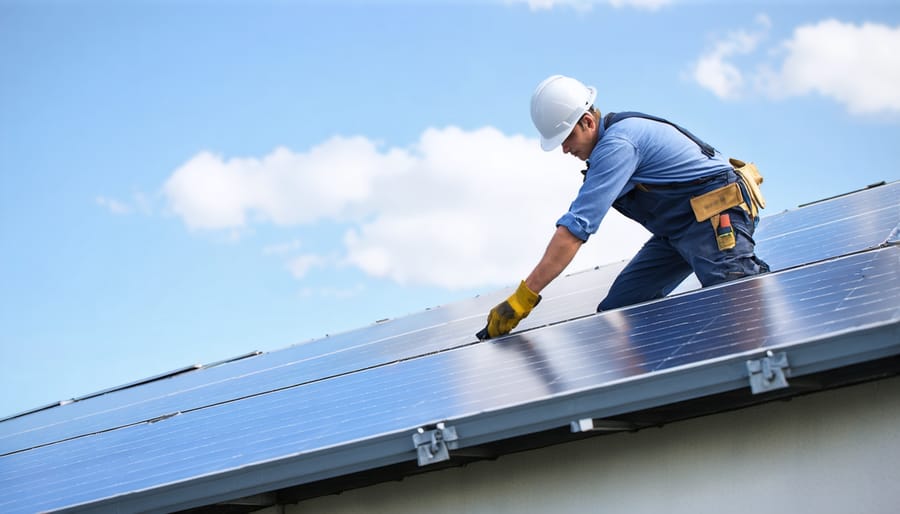
The installation of a 9kW solar system with batteries requires professional expertise and adherence to strict regulatory standards. Licensed electricians with specialized solar certification must perform the installation to ensure compliance with National Electrical Code (NEC) requirements and local building codes.
Installers must possess current certification from the North American Board of Certified Energy Practitioners (NABCEP) or equivalent regional authorities. This certification demonstrates competency in system design, safety protocols, and best practices for solar-plus-storage installations.
Key technical requirements include proper voltage calculations, appropriate conductor sizing, and comprehensive grounding systems. The installation team must ensure correct battery placement in temperature-controlled environments, proper ventilation for safety, and appropriate clearances for maintenance access.
Documentation requirements encompass detailed electrical diagrams, equipment specifications, and interconnection agreements with local utilities. Installers must obtain necessary permits and schedule inspections with local authorities having jurisdiction (AHJ) before system activation.
Safety considerations are paramount, requiring proper personal protective equipment (PPE) and adherence to fall protection standards during roof installation. Battery installation demands special attention to chemical handling procedures and emergency response protocols.
Professional installers must also configure the battery management system (BMS), program charge controllers, and establish monitoring systems for optimal performance. Post-installation testing should verify proper system operation, including charge/discharge cycles and emergency shutdown procedures.
System commissioning requires thorough documentation of baseline performance metrics and completion of all required safety checks. Installers must provide comprehensive training to property owners on system operation and maintenance procedures before final handover.
Maintenance Guidelines
Regular maintenance is crucial for ensuring optimal performance and longevity of your 9kW solar system with batteries. Begin with monthly visual inspections of all system components, checking for physical damage, loose connections, or signs of wear. Clean the solar panels quarterly using distilled water and a soft brush to remove dust, leaves, and debris that can reduce efficiency.
Monitor your battery system’s state of charge (SOC) and depth of discharge (DOD) through your inverter’s management system. Maintain battery temperatures within the manufacturer’s recommended range, typically between 20-25°C (68-77°F). Inspect battery terminals every six months for corrosion and ensure proper terminal tightening torque.
Verify inverter operation monthly by checking error logs and cooling fan functionality. Clean inverter ventilation areas and heat sinks annually to prevent overheating. Document all system performance metrics, including daily energy production and consumption patterns, to identify potential issues early.
Schedule professional maintenance annually for comprehensive system evaluation. This should include thermal imaging of electrical connections, battery capacity testing, and calibration of monitoring equipment. Keep detailed maintenance records, including dates, procedures performed, and any replacement parts used.
For optimal battery life, avoid frequent deep discharges below 20% capacity and implement proper charge cycling as per manufacturer specifications. Update system firmware when available and ensure surge protection devices are functioning correctly. Replace battery systems typically every 7-10 years, depending on usage patterns and environmental conditions.
Maintain clear access to all system components and keep emergency shutdown procedures readily available. Regular maintenance not only extends system life but also ensures continued warranty coverage and optimal return on investment.
A 9kW solar system with battery storage represents a significant investment in sustainable energy technology, offering homeowners and businesses a robust solution for energy independence. Throughout this comprehensive analysis, we’ve explored the essential components, design considerations, and performance metrics that define these systems. The integration of properly sized battery storage with a 9kW solar array provides reliable power generation and storage capabilities, enabling users to maximize self-consumption and maintain energy security during grid outages.
The economics of such systems continue to improve as technology advances and manufacturing scales up. Current market trends indicate declining costs for both solar panels and battery storage solutions, making these systems increasingly accessible to a broader range of consumers. However, successful implementation requires careful consideration of local climate conditions, energy consumption patterns, and regulatory requirements.
Looking ahead, the evolution of smart grid technologies and energy management systems will further enhance the capabilities of 9kW solar-plus-storage solutions. Emerging innovations in battery chemistry and solar panel efficiency promise to deliver even greater value for system owners. Additionally, the growing emphasis on grid resilience and environmental sustainability suggests that these hybrid systems will play an increasingly vital role in our energy future.
For optimal results, we recommend working with qualified professionals who can properly size, design, and install your system while ensuring compliance with local codes and utility requirements. Regular maintenance and monitoring will help maintain system performance and maximize the return on investment over the installation’s lifetime. As the renewable energy landscape continues to evolve, 9kW solar systems with batteries remain a practical and future-proof solution for sustainable power generation and storage.