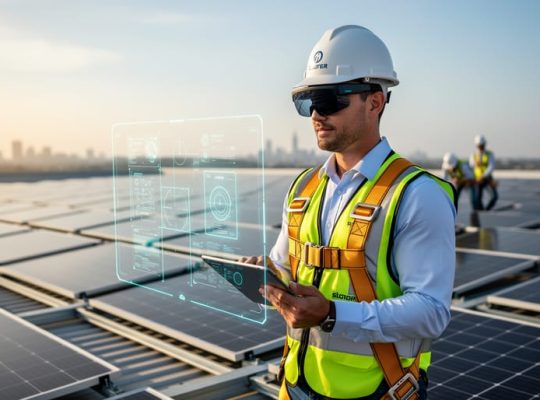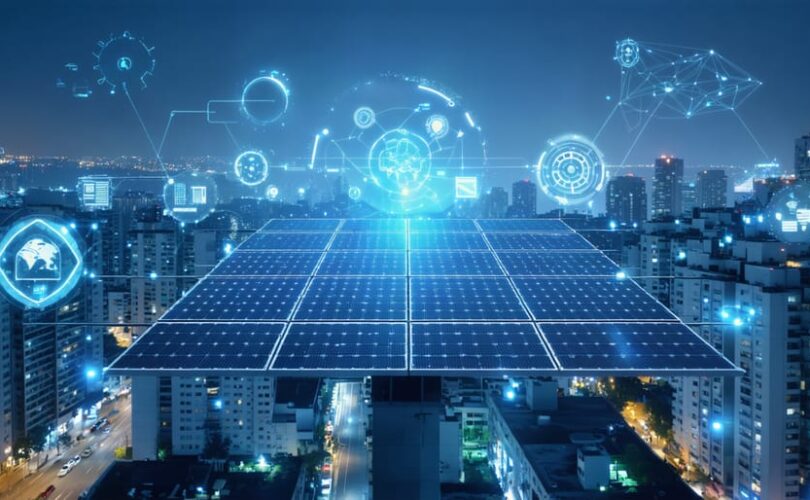
Adaptive design revolutionizes solar PV system design by dynamically responding to urban environments’ unique challenges and evolving energy demands. This innovative approach integrates smart algorithms, real-time monitoring systems, and flexible configuration capabilities to optimize photovoltaic installations across diverse city landscapes. By incorporating adaptive principles, modern solar arrays automatically adjust their operational parameters based on environmental conditions, shading patterns, and grid requirements, maximizing energy yield while minimizing system losses.
Unlike traditional fixed installations, adaptive solar systems employ advanced control mechanisms that continuously optimize panel orientation, power output, and load distribution. This sophisticated methodology enables seamless integration with existing urban infrastructure while accommodating future modifications and expansions. The result is a resilient, future-proof energy solution that delivers superior performance across varying environmental conditions and user requirements.
Recent technological advances in adaptive design have introduced self-learning capabilities that enhance system efficiency through predictive maintenance and automated performance optimization. These systems analyze historical data patterns, weather forecasts, and real-time measurements to make intelligent adjustments, ensuring optimal energy generation throughout the system’s lifecycle. For urban planners and energy professionals, this represents a significant leap forward in achieving sustainable, scalable solar solutions for modern cities.
The Evolution of Urban Solar Integration
Traditional vs. Adaptive PV Systems
Traditional photovoltaic systems typically consist of fixed-angle solar panels mounted on rooftops or ground-based structures. While these conventional installations have served the industry well, they operate at suboptimal efficiency due to their static nature. They cannot adjust to changing environmental conditions, resulting in energy production losses during non-peak sun angles and adverse weather conditions.
In contrast, adaptive PV systems represent a significant technological advancement in solar energy harvesting. These systems incorporate smart tracking mechanisms, automated tilt adjustment capabilities, and sophisticated sensor arrays that continuously monitor environmental parameters. The key distinction lies in their ability to dynamically respond to changing conditions, optimizing energy capture throughout the day and across seasons.
Modern adaptive designs feature dual-axis tracking systems that follow the sun’s path with precision, potentially increasing energy yield by 25-45% compared to fixed installations. Additionally, these systems integrate weather monitoring capabilities, allowing them to adjust panel positioning during high winds or protect themselves from hail damage. Some advanced implementations even incorporate machine learning algorithms to predict optimal positioning based on historical performance data and weather patterns.
The cost-benefit analysis increasingly favors adaptive systems, despite higher initial investment requirements. The enhanced energy production efficiency, coupled with decreasing hardware costs and improved durability, typically results in faster return on investment compared to traditional fixed installations.
Urban-Specific Challenges
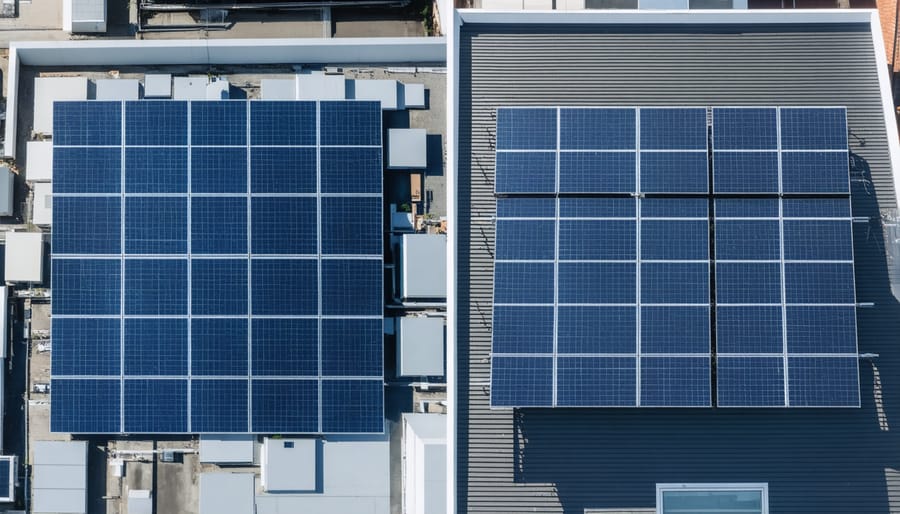
Implementing photovoltaic systems in urban environments presents unique urban solar installation challenges that require innovative adaptive design solutions. Dense city landscapes create complex shading patterns from surrounding buildings, infrastructure, and vegetation, necessitating sophisticated modeling and performance optimization strategies. Space constraints often limit installation options, particularly on existing structures where rooftop area may be restricted by mechanical equipment, access requirements, and building codes.
Aesthetic considerations play a crucial role in urban PV integration, as many cities have strict architectural guidelines and historic preservation requirements. Designers must balance energy generation objectives with visual impact, often incorporating building-integrated photovoltaic (BIPV) solutions that seamlessly blend with existing facades and rooflines. These systems must also account for urban-specific environmental factors such as increased heat island effects, higher pollution levels, and reflected light from neighboring glass structures.
Additionally, urban installations must address structural loading limitations, especially in older buildings not originally designed for solar array weights. Wind loads in urban canyons can be particularly challenging, requiring careful consideration of mounting systems and array configurations. Success in urban environments demands a holistic approach that combines technical expertise with creative design strategies to maximize energy production while meeting municipal regulations and stakeholder expectations.
Key Components of Adaptive PV Design
Flexible Mounting Systems
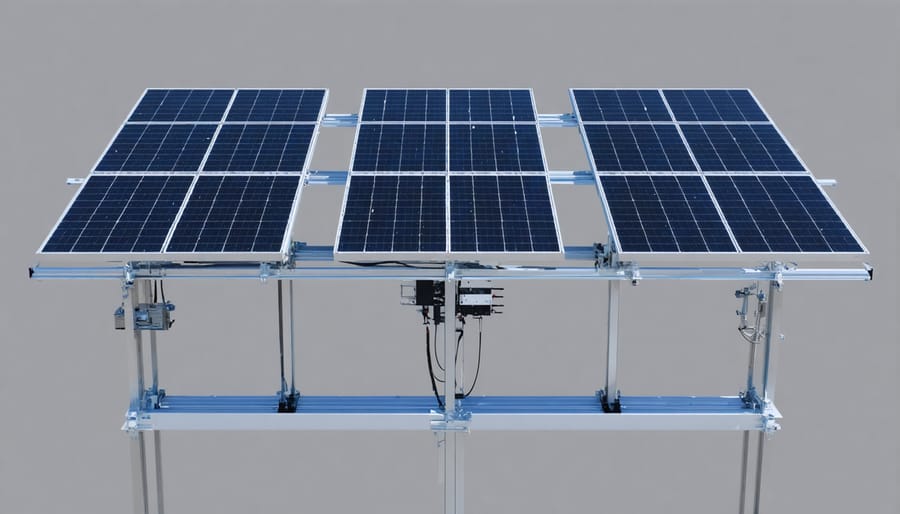
Flexible mounting systems represent a crucial component of adaptive solar design, enabling photovoltaic installations to maximize energy generation across diverse urban environments. These systems incorporate adjustable racking solutions that accommodate various roof angles, building orientations, and structural requirements while maintaining optimal solar panel positioning.
Modern mounting systems feature innovative designs that allow for both fixed and adjustable tilt angles, providing installers with multiple configuration options to optimize solar exposure throughout the year. The integration of multi-axis adjustment capabilities enables precise orientation control, particularly beneficial in urban settings where traditional fixed mounting may not achieve optimal performance due to building constraints or shading patterns.
These systems typically incorporate lightweight, yet durable materials such as aluminum alloys and corrosion-resistant steel, ensuring long-term reliability while minimizing structural load requirements. Advanced mounting solutions often feature tool-less assembly options and pre-engineered components, significantly reducing installation time and labor costs.
Adjustable racking systems also facilitate easier maintenance access and panel cleaning, contributing to sustained system efficiency. Many contemporary designs incorporate smart monitoring capabilities, allowing system operators to track mounting stability and make necessary adjustments to maintain optimal performance parameters.
For retrofit applications, flexible mounting systems offer particular advantages, as they can adapt to existing building features while maintaining structural integrity and weatherproofing requirements. This adaptability proves essential in urban environments where building characteristics vary significantly.
Smart Shade Management
Smart shade management technologies have revolutionized the way photovoltaic systems handle partial shading conditions, significantly improving overall system performance and energy yield. Modern power optimizers and microinverters work at the module level to minimize the impact of shading from buildings, trees, or other urban obstacles.
These advanced systems employ Maximum Power Point Tracking (MPPT) for each individual solar panel, ensuring optimal performance even when some modules are partially shaded. This granular approach to power management allows each panel to operate independently, preventing the reduction in output that traditionally affects entire strings of panels when just one module is shaded.
Machine learning algorithms now play a crucial role in predicting shading patterns and adjusting system parameters accordingly. These intelligent systems analyze historical performance data and real-time environmental conditions to optimize power conversion efficiency throughout the day.
Bifacial modules with transparent backing materials have emerged as another innovative solution, capturing reflected light and diffuse radiation from both sides of the panel. When combined with smart tracking systems, these modules can increase energy yield by 5-30% compared to traditional monofacial panels in partially shaded environments.
Real-time monitoring systems provide detailed performance analytics, enabling system operators to identify and address shading issues promptly. This proactive approach to shade management ensures consistent energy production and maximizes return on investment in urban solar installations.
Aesthetic Integration Solutions
Modern building integration of photovoltaic systems demands a delicate balance between energy generation efficiency and architectural aesthetics. Contemporary solutions have evolved significantly, offering architects and designers multiple options to seamlessly incorporate solar technologies while preserving visual appeal.
Color-matched solar panels represent a significant advancement, with manufacturers now producing modules in various hues and patterns that complement building materials. These panels utilize specialized anti-reflective coatings and surface treatments to achieve desired colors while maintaining optimal energy conversion rates.
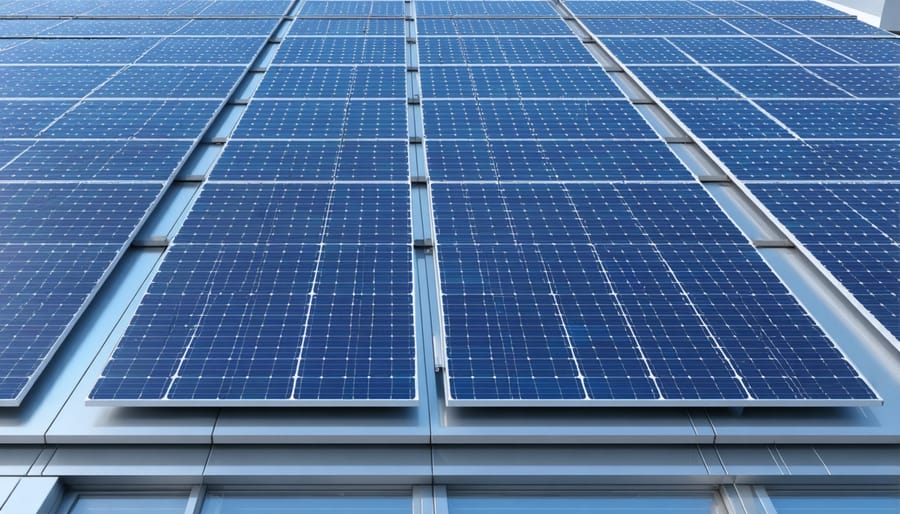
Innovative mounting systems have also transformed integration possibilities. Flush-mounted solutions create a streamlined appearance by allowing panels to sit directly against building surfaces, while structural glazing techniques enable PV elements to replace traditional building materials entirely. Solar roof tiles and solar skin overlays offer alternatives that maintain traditional architectural elements while incorporating renewable energy generation.
Building-Integrated Photovoltaics (BIPV) has evolved to include transparent and semi-transparent options, enabling windows and skylights to generate power while maintaining natural lighting. These solutions utilize advanced thin-film technologies and selective transparency to balance daylight admission with power generation.
Design software now incorporates sophisticated modeling tools that help visualize the aesthetic impact of solar installations during the planning phase. This allows stakeholders to evaluate multiple integration approaches and optimize both visual appeal and energy production before implementation begins.
The integration of customizable panel sizes and shapes further expands design possibilities, enabling installations to follow building contours and architectural features naturally. This flexibility, combined with modern mounting solutions, ensures that solar integration enhances rather than compromises building aesthetics.
Implementation Strategies
Site Assessment and Planning
Effective site assessment and planning form the cornerstone of successful adaptive design implementation in urban photovoltaic systems. The process begins with comprehensive location analysis, incorporating multiple environmental factors such as solar access, shading patterns, and structural integrity of existing buildings.
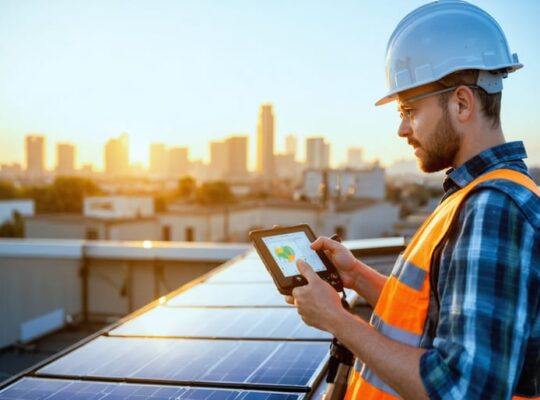
Professional assessors utilize advanced mapping tools and 3D modeling software to create detailed site surveys. These tools analyze sun paths throughout the year, identifying optimal panel placement and potential obstacles. Key considerations include building orientation, roof pitch, and surrounding structures that may cast shadows during peak generation hours.
The planning phase involves careful evaluation of local building codes, zoning regulations, and grid interconnection requirements. Engineers must consider load-bearing capacity of existing structures, available mounting space, and accessibility for maintenance. Weather data analysis helps predict system performance and guides equipment selection for specific microclimates.
Environmental factors such as wind patterns, temperature variations, and precipitation levels influence system design choices. Urban heat island effects and potential air pollution impacts must be factored into performance calculations. Additionally, planners must account for future developments that could affect system efficiency.
Integration with existing infrastructure requires careful coordination with building management systems and power distribution networks. The assessment process concludes with detailed recommendations for system configuration, including optimal array layout, equipment specifications, and integration strategies that maximize energy yield while maintaining architectural integrity.
Building Integration Techniques
The successful integration of solar systems into existing structures requires careful consideration of both technical and aesthetic factors. Building-integrated photovoltaics serve as the foundation for modern adaptive design solutions, offering seamless incorporation while maintaining architectural integrity.
Key integration techniques include the use of solar tiles that replace traditional roofing materials, ensuring structural compatibility while maximizing energy generation potential. Facade integration employs specialized mounting systems that consider building load capacity, wind resistance, and thermal expansion characteristics.
Professional assessments must evaluate structural integrity, orientation optimization, and shading patterns before implementation. Engineers typically utilize advanced modeling software to analyze load distribution and identify optimal mounting points. This process ensures both safety compliance and system efficiency.
Material selection plays a crucial role in integration success. Modern solar modules featuring anti-glare coatings and customizable appearances help maintain architectural aesthetics while delivering optimal performance. Mounting systems should incorporate weather-resistant components and proper waterproofing measures to protect building envelope integrity.
Installation methodologies must follow precise sequences, beginning with thorough site preparation and ending with comprehensive system testing. Particular attention should be paid to maintaining existing warranty conditions and ensuring compliance with local building codes and regulations. This systematic approach guarantees long-term system reliability while preserving structural integrity.
Performance Monitoring Systems
Modern adaptive design systems rely heavily on sophisticated solar performance monitoring technologies to optimize their functionality and efficiency. These monitoring systems integrate various sensors, data analytics platforms, and real-time feedback mechanisms to continuously evaluate system performance and trigger necessary adjustments.
Key components typically include irradiance sensors that measure incoming solar radiation, power output meters that track electricity generation, and environmental sensors that monitor temperature, humidity, and wind conditions. Advanced monitoring platforms utilize machine learning algorithms to analyze this data stream, identifying patterns and predicting potential issues before they impact system performance.
Digital twin technology has emerged as a powerful tool in performance monitoring, creating virtual replicas of physical installations that enable precise simulation and optimization. These digital models help operators understand how different variables affect system efficiency and guide automated adjustments to maximize energy yield.
Real-time monitoring interfaces provide operators with comprehensive dashboards displaying critical performance metrics, system health indicators, and maintenance alerts. This data-driven approach enables proactive maintenance scheduling and helps maintain optimal system efficiency throughout the installation’s lifecycle. The integration of cloud-based platforms further enhances monitoring capabilities by enabling remote access and facilitating data-driven decision-making across multiple installations.
Future Trends and Innovations
Next-Generation Materials
The evolution of urban photovoltaic systems has been dramatically accelerated by next-generation solar materials specifically engineered for city environments. These advanced materials represent a significant leap forward in addressing the unique challenges of urban solar integration, combining enhanced efficiency with architectural adaptability.
Building-integrated photovoltaics (BIPV) now incorporate transparent and semi-transparent materials that serve dual purposes as both energy generators and building elements. Thin-film technologies, including amorphous silicon and copper indium gallium selenide (CIGS), offer exceptional flexibility in application while maintaining robust performance under varied lighting conditions typical of urban settings.
Recent developments in smart glass technology have produced electrochromic and thermochromic materials that automatically adjust their properties in response to environmental conditions. These adaptive materials optimize energy generation while simultaneously managing heat gain and glare, crucial considerations for urban buildings.
Particularly promising are new composite materials that combine photovoltaic capabilities with traditional construction materials. Self-cleaning surfaces and anti-soiling coatings help maintain optimal performance in polluted urban environments, while advanced encapsulation techniques ensure longevity despite exposure to harsh city conditions.
These innovations enable seamless integration of solar technology into urban infrastructure, from building facades to street furniture, marking a significant step toward sustainable city development.
AI and Machine Learning Integration
Artificial Intelligence and Machine Learning technologies are revolutionizing adaptive design in urban solar installations by enabling sophisticated performance optimization and predictive maintenance capabilities. These smart systems analyze vast amounts of data from multiple sources, including weather patterns, energy consumption trends, and real-time performance metrics, to maximize solar energy generation in complex urban environments.
Advanced algorithms continuously monitor and adjust solar panel positioning, responding to changing environmental conditions and shadow patterns created by surrounding buildings. Machine learning models can predict optimal panel configurations based on historical data and environmental factors, ensuring maximum energy yield throughout the year.
These intelligent systems also integrate with building management systems to optimize energy distribution and storage. By analyzing usage patterns and weather forecasts, AI-powered controllers can make informed decisions about when to store excess energy and when to utilize it, improving overall system efficiency.
Predictive maintenance algorithms identify potential issues before they affect system performance, reducing downtime and maintenance costs. These systems can detect anomalies in panel performance, inverter efficiency, and other critical components, allowing for proactive maintenance scheduling.
Recent developments in computer vision and deep learning have enhanced shade analysis capabilities, enabling more accurate predictions of shadow impacts on solar arrays throughout the day. This technology helps designers optimize panel placement and configuration during the initial planning stages, resulting in more efficient and productive urban solar installations.
Adaptive photovoltaic design represents a pivotal advancement in urban solar energy implementation, offering transformative solutions for cities striving toward sustainability. By seamlessly integrating solar technology with existing architectural elements, adaptive design bridges the gap between energy efficiency and urban aesthetics, making renewable energy more accessible and acceptable in densely populated areas.
The impact of adaptive PV design extends beyond mere energy generation. It demonstrates how innovative thinking can transform urban challenges into opportunities, creating multifunctional spaces that generate clean energy while preserving the architectural integrity of our cities. This approach has proven particularly valuable in historical districts and areas with strict aesthetic guidelines, where traditional solar installations might face resistance.
Looking ahead, the potential for adaptive PV design continues to expand. Technological advancements in flexible solar materials, improved efficiency rates, and smart energy management systems are opening new possibilities for integration. The growing emphasis on sustainable urban development and carbon neutrality goals worldwide further reinforces the significance of adaptive solar solutions.
As cities continue to evolve, adaptive PV design will play an increasingly crucial role in shaping sustainable urban environments. Its success lies in the ability to balance technical performance with architectural considerations, creating solutions that benefit both the environment and urban communities. This harmonious approach to solar integration represents the future of sustainable urban development, making clean energy an integral part of our city landscapes.