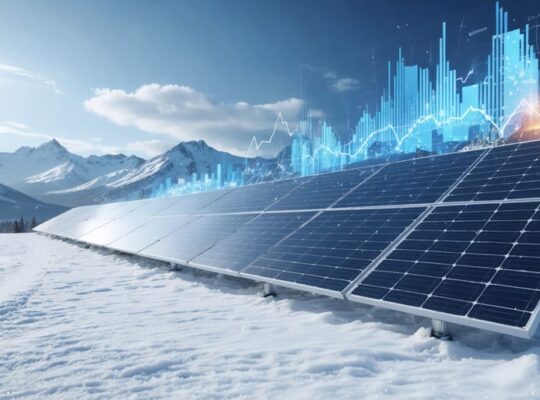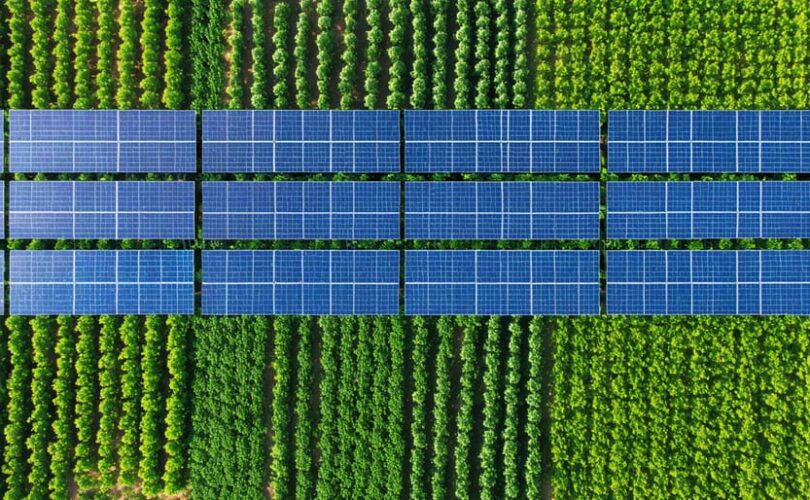
The integration of solar technology with traditional farming practices represents a transformative approach to modern agriculture, addressing both food security and renewable energy demands. Agrivoltaic systems – the combination of photovoltaic installations with crop cultivation – are revolutionizing how we utilize agricultural land, achieving up to 70% greater land efficiency compared to separate solar and farming operations. By elevating solar panels above cropland, these innovative systems create microclimates that can reduce water consumption by 20-30% while providing crops with optimal shade protection during intense weather conditions.
As climate change intensifies pressure on agricultural resources, environmental agriculture through solar integration offers a compelling solution for sustainable food production. Research demonstrates that certain crops, particularly shade-tolerant varieties, show increased yields of up to 30% when grown under solar arrays. These dual-use systems generate clean energy sufficient to power farm operations while maintaining, and in some cases enhancing, agricultural productivity.
For farmers, agricultural professionals, and renewable energy developers, understanding the symbiotic relationship between solar technology and crop production has become critical. This expertise enables the development of resilient farming systems that contribute to climate change mitigation while ensuring food security for future generations. The emerging field of environmental agriculture represents not just an adaptation strategy, but a proactive approach to creating sustainable, climate-smart farming practices.
Understanding Agricultural PV Systems
Types of Agrivoltaic Installations
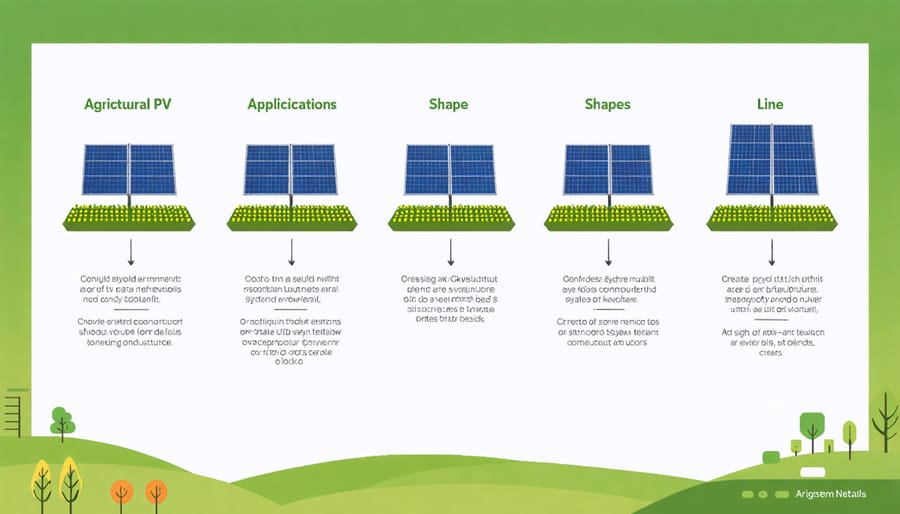
Agrivoltaic installations come in several distinct configurations, each designed to optimize both agricultural productivity and solar energy generation. The most common type is the elevated structure system, where photovoltaic panels are mounted high above the ground (typically 3-5 meters) to allow farming equipment and crops to thrive underneath while maximizing space utilization and helping to boost solar panel efficiency.
Dynamic installations feature adjustable panels that can modify their tilt and spacing based on crop requirements and seasonal variations. These systems provide enhanced flexibility for different growth stages and agricultural operations, though they require more sophisticated control mechanisms.
Semi-transparent or specialized solar panels represent another configuration, utilizing innovative photovoltaic materials that allow specific light wavelengths to pass through, supporting photosynthesis while generating electricity. These are particularly effective for shade-tolerant crops and greenhouse applications.
Vertical bifacial systems present a newer approach, with double-sided panels arranged in north-south oriented rows. This configuration is especially suitable for livestock grazing and specific crop types, as it maintains substantial inter-row spacing while capturing reflected light from both sides.
Inter-row installations position conventional solar panels between crop rows, creating designated corridors for agricultural activities. This setup optimizes land use while maintaining clear access for farming operations, though it requires careful planning to prevent shading issues.
Dual-Use Land Management
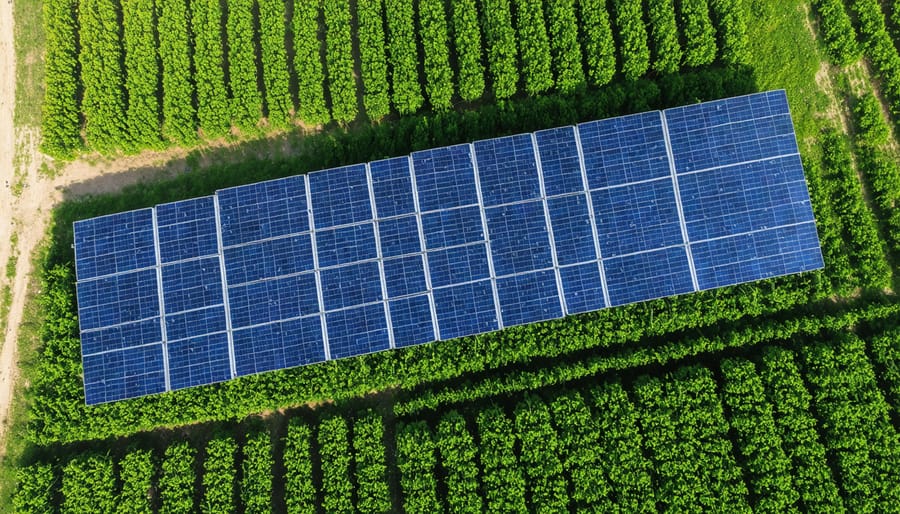
Agricultural PV systems represent a groundbreaking approach to land management by enabling simultaneous solar energy generation and crop cultivation on the same plot of land. This dual-use strategy, also known as agrivoltaics, maximizes land efficiency through careful system design and placement that considers both agricultural and energy production requirements.
The key to successful dual-use implementation lies in optimizing panel height, spacing, and orientation to ensure adequate sunlight reaches crops while maintaining efficient energy generation. Elevated mounting structures typically range from 2.5 to 4 meters high, allowing farm machinery to operate underneath while creating beneficial microclimates for certain crops.
These systems can be configured in various ways to accommodate different farming practices. Fixed-tilt arrays are commonly used for row crops, while tracking systems may be employed for pasture or specialty crop applications. The spacing between panel rows is carefully calculated to balance shadow patterns with crop light requirements throughout the growing season.
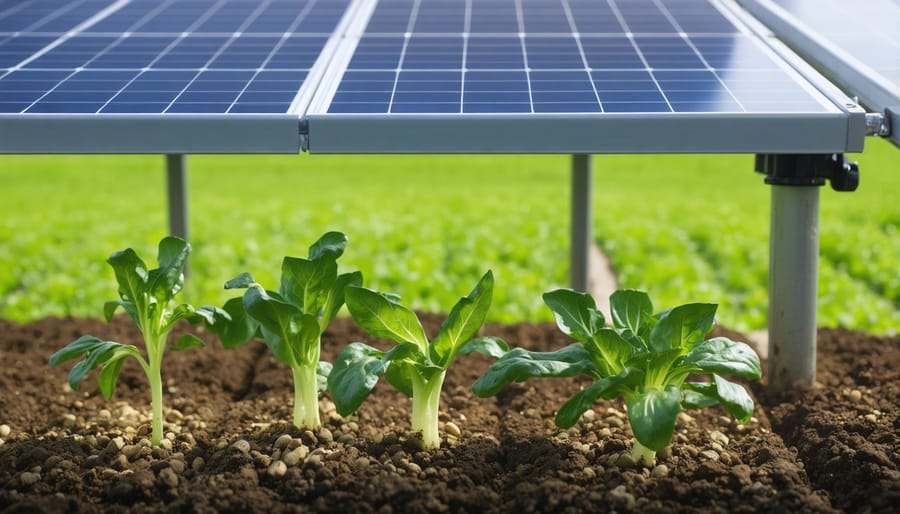
Research has shown that some crops actually benefit from the partial shade provided by solar panels, particularly in regions with high solar radiation or during heat waves. Water efficiency also improves under these systems, as reduced evaporation rates help conserve soil moisture. This synergistic relationship between agriculture and solar technology demonstrates how modern farming can adapt to meet both food and energy demands while preserving valuable agricultural land.
Climate Adaptation Benefits
Crop Protection and Microclimate Control
Photovoltaic (PV) systems in agriculture offer significant advantages beyond energy generation, serving as protective structures that create optimal growing conditions for crops. These resilient solar panel solutions act as shields against extreme weather events, providing crucial protection from excessive solar radiation, hail, and heavy rainfall.
The strategic placement of solar panels creates a controlled microclimate that benefits crop development. By filtering and diffusing sunlight, PV systems reduce plant stress and water evaporation while maintaining appropriate temperature levels. This partial shading effect is particularly beneficial for shade-tolerant crops and can extend growing seasons in regions with intense solar exposure.
Research has shown that the temperature regulation provided by agrivoltaic installations can reduce water consumption by 20-30% compared to conventional farming methods. The panels create air circulation patterns that help maintain optimal humidity levels and protect against frost damage during colder months. This microclimate control is especially valuable in arid regions where water conservation is crucial.
Moreover, PV systems can be equipped with smart sensors and automated controls to adjust panel orientation and spacing based on crop requirements and seasonal changes. These adaptable configurations ensure that plants receive appropriate light levels throughout their growth cycles while maximizing energy generation efficiency.
The protective canopy effect of solar panels also helps preserve soil moisture and reduce soil erosion. By intercepting heavy rainfall and controlling water distribution, these systems contribute to better soil health and reduced runoff. This protection extends to delicate crops that might otherwise be damaged by direct exposure to harsh weather conditions.
Agricultural PV installations can be customized with various panel densities and heights to accommodate different crop types and farming practices. This flexibility allows farmers to optimize both energy production and agricultural yields while creating resilient, climate-smart farming systems.
Water Conservation Solutions
Water conservation in agricultural settings has become increasingly critical as climate change impacts intensify and water resources become scarcer. Modern farming operations are implementing sophisticated water management strategies that significantly improve irrigation efficiency while maintaining or enhancing crop yields.
Precision irrigation systems, integrated with soil moisture sensors and weather monitoring equipment, enable farmers to deliver water precisely when and where crops need it. These systems can reduce water consumption by up to 30% compared to traditional irrigation methods while maintaining optimal growing conditions. Smart controllers adjust irrigation schedules based on real-time data, preventing over-watering and reducing water waste.
Drip irrigation technology has revolutionized water delivery in agriculture, achieving efficiency rates of up to 95% compared to 60-70% for conventional spray irrigation. By delivering water directly to plant root zones, drip systems minimize evaporation losses and prevent soil erosion. This method is particularly effective when combined with mulching practices, which further reduce water loss through evaporation.
Water recycling and capture systems play a crucial role in conservation efforts. Rainwater harvesting infrastructure can collect and store precipitation for use during dry periods, while water treatment systems enable the safe reuse of agricultural runoff. These integrated approaches create closed-loop water systems that significantly reduce dependence on external water sources.
Deficit irrigation strategies, when properly implemented, can maintain crop yields while using less water. This approach involves carefully timing irrigation to crop growth stages, ensuring water is available during critical development periods while allowing moderate stress during less sensitive phases.
The adoption of drought-resistant crop varieties and improved soil management practices further enhances water conservation efforts. Cover cropping and conservation tillage increase soil organic matter content, improving water retention capacity and reducing irrigation requirements. These practices also contribute to soil health and carbon sequestration, creating multiple environmental benefits beyond water conservation.
Economic and Environmental Impact
Farm Revenue Diversification
Energy generation through agricultural photovoltaic systems presents farmers with significant opportunities to diversify their revenue streams while maintaining traditional farming operations. By implementing solar installations on their land, farmers can generate substantial additional income through various mechanisms, creating a more resilient and sustainable business model.
Power purchase agreements (PPAs) represent one of the primary revenue sources, allowing farmers to sell electricity generated from their solar installations to utility companies or private entities. These long-term contracts typically span 15-25 years, providing steady, predictable income that helps offset seasonal fluctuations in agricultural earnings.
Feed-in tariffs and renewable energy credits offer additional financial benefits. Farmers can earn premium rates for the electricity they generate and sell back to the grid, while also benefiting from government incentives designed to promote renewable energy adoption in the agricultural sector.
Land lease arrangements present another revenue opportunity, particularly for farmers with larger properties. By leasing portions of their land to solar developers, farmers can maintain agricultural activities while earning consistent rental income. This approach is especially valuable for less productive areas or fields that require periodic fallowing.
Many agricultural operations are also reducing their operational costs through energy self-consumption. By using the generated solar power for irrigation systems, processing facilities, and storage units, farmers significantly lower their electricity expenses, effectively increasing their profit margins.
The integration of solar installations with specific crops has shown promising results in terms of enhanced crop yields and quality. For instance, certain shade-tolerant crops benefit from the partial shade provided by elevated solar panels, potentially increasing crop value while simultaneously generating power.
Carbon credit markets represent an emerging opportunity for farmers with solar installations. By reducing their carbon footprint through renewable energy generation, farmers can participate in carbon trading schemes, creating an additional revenue stream while contributing to climate change mitigation efforts.
Modern agricultural photovoltaic systems thus enable farmers to transform their operations into multi-revenue enterprises, enhancing financial stability while supporting environmental sustainability.
Carbon Footprint Reduction
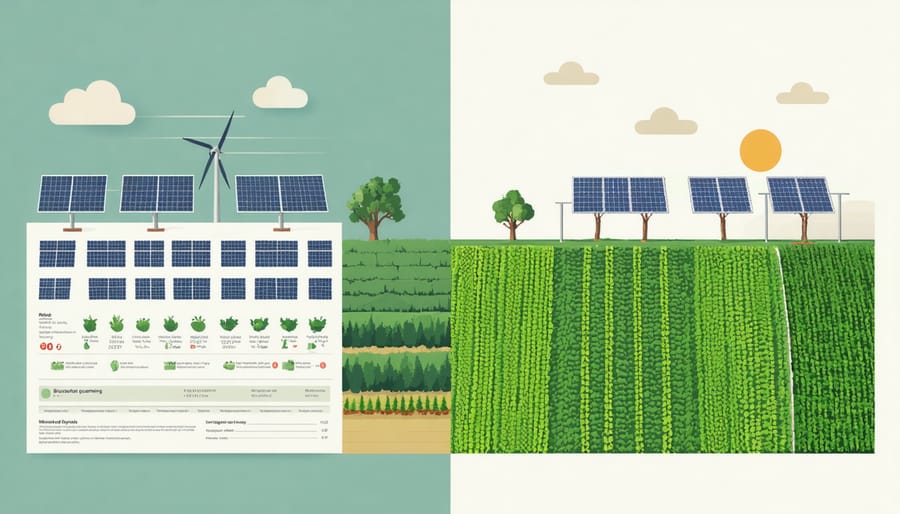
Agricultural photovoltaic systems play a crucial role in transforming agricultural landscapes while significantly reducing carbon emissions. These innovative systems contribute to environmental sustainability through multiple pathways, creating a synergistic relationship between energy production and farming practices.
The implementation of agrivoltaic systems typically results in a 25-30% reduction in carbon emissions compared to traditional farming methods. This reduction stems from decreased reliance on grid electricity, optimized water usage, and reduced need for fossil fuel-powered farming equipment. The dual-use approach maximizes land efficiency, preventing the need for additional land clearing while maintaining agricultural productivity.
Solar panels in agricultural settings provide shade management, which reduces water evaporation by up to 30% in many installations. This water conservation aspect not only decreases the energy required for irrigation but also preserves valuable groundwater resources. The improved water efficiency translates to lower pumping requirements, further reducing the carbon footprint of farming operations.
Modern agrivoltaic installations incorporate smart monitoring systems that optimize energy usage and crop yields simultaneously. These systems can adjust panel orientation based on crop needs, maximizing both solar energy capture and plant photosynthesis. Research indicates that such optimized systems can achieve carbon emission reductions of up to 5 metric tons per hectare annually.
The carbon benefits extend beyond direct energy savings. The shade provided by solar panels can reduce soil temperature fluctuations, helping to maintain soil organic carbon levels and improve soil health. This enhanced soil stability contributes to better carbon sequestration capabilities, creating a positive feedback loop for environmental sustainability.
By combining renewable energy generation with sustainable farming practices, agricultural PV systems demonstrate how technology can address both food security and climate change challenges simultaneously, setting new standards for environmental stewardship in modern agriculture.
Implementation Strategies
System Design Considerations
Effective agrivoltaic system design requires careful consideration of multiple interconnected factors to ensure optimal performance and sustainable integration. The layout must balance solar panel positioning with crop requirements, considering factors such as sunlight penetration, shade patterns, and plant growth characteristics. Height and spacing of solar arrays should be customized based on specific crop needs and local climate conditions.
Water management systems need integration with weather-resistant PV systems to maximize irrigation efficiency while protecting electrical components. Soil quality monitoring and maintenance protocols must be established to prevent degradation and ensure continued agricultural productivity.
The structural design should account for wind loads, precipitation patterns, and potential extreme weather events. Foundation selection must minimize soil disruption while providing adequate support for the solar infrastructure. Additionally, access paths for agricultural machinery and maintenance equipment should be incorporated into the layout design.
Environmental impact assessments should evaluate biodiversity effects, drainage patterns, and potential microclimate changes. Implementation plans must include monitoring systems for both agricultural yields and energy production to optimize system performance over time. Regular maintenance schedules should be developed to address both agricultural and solar components effectively.
Best Practices for Integration
Successful integration of agricultural photovoltaic systems requires careful planning and adherence to established best practices. Begin with comprehensive site assessment, analyzing factors such as solar radiation levels, soil composition, and existing farming operations. Implement resilience strategies that account for both agricultural and energy production goals.
Maintain optimal panel height and spacing to ensure sufficient light reaches crops while maximizing energy generation. Regular monitoring of soil moisture, crop growth patterns, and system performance is essential for identifying necessary adjustments. Establish clear maintenance protocols that address both agricultural and solar components.
Consider crop selection carefully, choosing species that thrive under partial shade conditions and complement the system’s design. Implement smart irrigation systems that integrate with the PV infrastructure to optimize water usage and prevent panel soiling.
Engage agricultural experts and solar professionals during both planning and operational phases. Document system performance, crop yields, and environmental impacts to refine practices over time. Regular training for farm personnel ensures proper system operation and maintenance.
Develop contingency plans for extreme weather events and establish clear communication channels between agricultural and solar maintenance teams. This integrated approach ensures long-term success and sustainability of the agrivoltaic system.
Agricultural photovoltaic systems represent a groundbreaking shift in modern farming practices, offering a robust solution to the dual challenges of climate change and sustainable food production. By seamlessly integrating renewable energy generation with agricultural operations, these systems demonstrate remarkable potential in building climate-resilient farming methods for the future.
The transformative impact of agrivoltaic installations extends beyond mere energy generation. These systems create microclimates that protect crops from extreme weather events, reduce water consumption through improved soil moisture retention, and provide reliable shade during intense heat periods. This adaptation capability is particularly crucial as global agriculture faces increasingly unpredictable weather patterns and resource constraints.
Evidence from pilot projects worldwide indicates that agricultural PV systems can enhance crop yields while generating clean energy, effectively maximizing land use efficiency. The technology’s versatility allows for customization across different farming contexts, from small-scale operations to large commercial enterprises, making it an accessible solution for diverse agricultural needs.
Looking ahead, the widespread adoption of agricultural PV systems could revolutionize farming practices, creating a more resilient and sustainable agricultural sector. As technology continues to advance and implementation costs decrease, these systems are poised to play a pivotal role in addressing food security concerns while contributing to climate change mitigation efforts. The synthesis of agriculture and solar technology represents not just an innovation in farming, but a crucial step toward ensuring the long-term viability of our food systems in a changing climate.