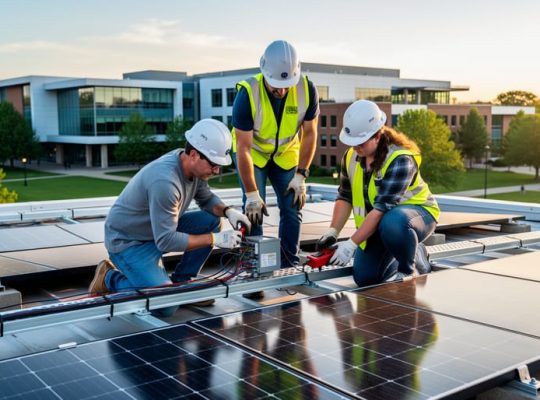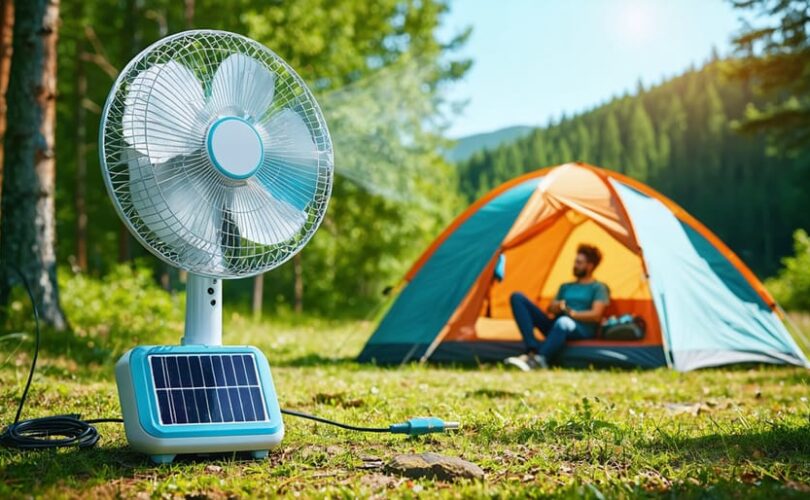
Solar-powered outdoor fans represent a pivotal advancement in sustainable cooling technology, merging renewable energy efficiency with practical outdoor comfort solutions. These innovative devices harness photovoltaic technology to convert sunlight directly into mechanical energy, providing reliable cooling without traditional power infrastructure requirements. As global temperatures rise and outdoor activities become increasingly challenging, these autonomous cooling systems offer a compelling solution for both environmental consciousness and practical comfort management.
The integration of high-efficiency solar panels with advanced DC motor technology has revolutionized outdoor cooling capabilities, enabling these systems to operate effectively even in varying light conditions. Modern solar-powered fans utilize maximum power point tracking (MPPT) controllers to optimize energy harvest, while incorporating energy storage solutions that ensure consistent operation during cloudy periods or after sunset. This technological convergence has resulted in robust, weather-resistant systems capable of delivering sustained airflow in diverse outdoor environments.
For professionals in renewable energy and environmentally conscious consumers alike, solar-powered outdoor fans represent a crucial intersection of sustainable technology and practical application. These systems demonstrate the viable implementation of solar power in everyday applications, offering tangible benefits while contributing to reduced carbon emissions and energy independence.
Understanding Solar-Powered Outdoor Fan Technology
Solar Panel Integration and Efficiency
The efficiency of solar-powered outdoor fans depends primarily on the quality and configuration of their photovoltaic components. Modern solar power integration in these systems typically employs monocrystalline or polycrystalline silicon cells, with conversion efficiencies ranging from 15% to 22%. These panels are specifically designed to optimize performance in varying light conditions, incorporating anti-reflective coatings and maximum power point tracking (MPPT) technology.
The photovoltaic array in outdoor fans usually consists of compact panels rated between 10W and 30W, depending on the fan’s size and power requirements. These panels utilize series-parallel configurations to maintain stable voltage output, typically operating at 12V DC. Advanced models feature integrated charge controllers that regulate power flow and protect the battery system from overcharging or deep discharge.
To maximize efficiency, manufacturers implement several key technologies: bypass diodes to minimize power losses from partial shading, temperature-compensated charging algorithms, and specialized DC motors optimized for solar applications. The integration of high-capacity lithium-ion batteries, typically ranging from 2000mAh to 5000mAh, ensures continued operation during low-light conditions.
Recent innovations include the implementation of micro-inverter technology and smart power management systems that can adjust fan speed based on available solar input, maximizing system efficiency while maintaining optimal performance levels throughout the day.
Battery Storage Systems
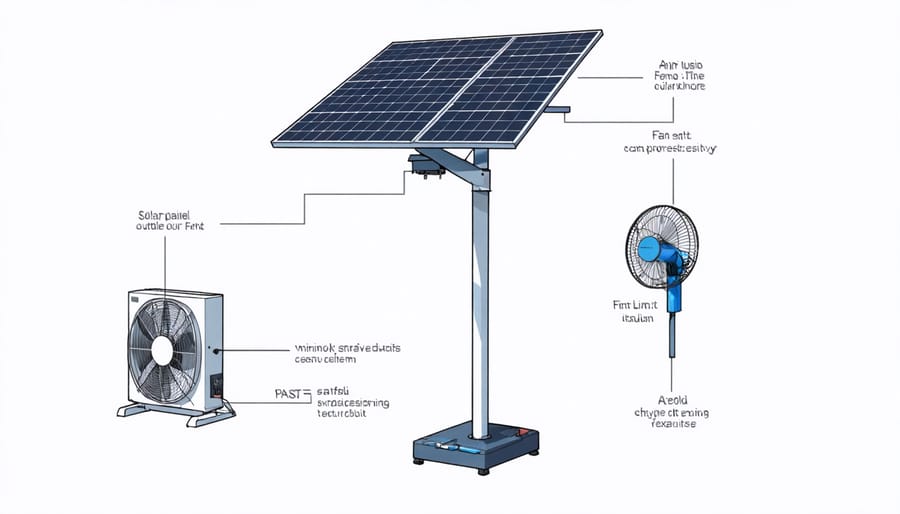
Battery storage systems are crucial components in solar-powered outdoor fan installations, enabling continuous operation even when direct sunlight is unavailable. Modern lithium-ion batteries, specifically designed for portable solar technology, offer superior energy density and longer cycle life compared to traditional lead-acid alternatives.
Most solar-powered outdoor fans incorporate deep-cycle batteries rated between 12V and 24V, with capacity ranges from 20Ah to 100Ah depending on the application requirements. These systems typically provide 8-12 hours of continuous operation on a full charge, though actual runtime varies based on fan speed settings and environmental conditions.
Advanced battery management systems (BMS) protect against overcharging, over-discharging, and temperature fluctuations, extending battery life and ensuring safe operation. Many modern units feature smart charging algorithms that optimize power intake during peak sunlight hours while maintaining battery health through controlled discharge rates.
For enhanced reliability, some systems employ hybrid storage solutions combining lithium-ion batteries with supercapacitors. This configuration delivers improved surge handling capabilities and faster charging response, particularly beneficial during intermittent cloud cover. Storage capacity can be expanded through modular battery banks, allowing users to customize their setup based on specific power requirements and desired runtime duration.
Performance and Environmental Benefits
Cooling Efficiency Metrics
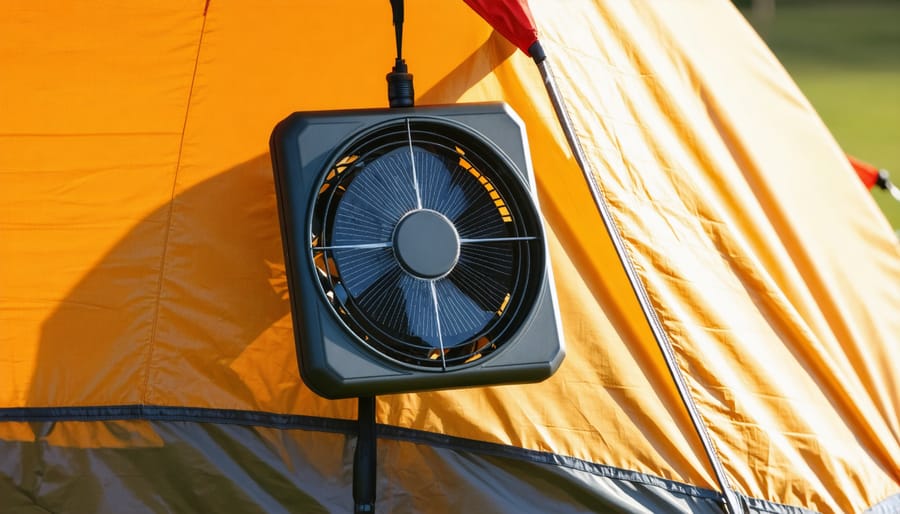
The cooling efficiency of solar-powered outdoor fans is measured through several key performance metrics that determine their practical effectiveness. The primary indicators include airflow rate (measured in cubic feet per minute or CFM), air velocity (measured in feet per minute or FPM), and coverage area (measured in square feet).
High-quality solar outdoor fans typically deliver airflow rates between 500-1500 CFM, depending on their size and power configuration. The air velocity, which directly impacts cooling sensation, generally ranges from 400-800 FPM at optimal operating conditions. These measurements are conducted under standardized testing procedures that account for various environmental factors, including solar intensity and ambient temperature.
Energy conversion efficiency plays a crucial role in overall performance. Modern solar-powered fans achieve conversion rates of 15-20% from solar energy to mechanical energy, with premium models incorporating Maximum Power Point Tracking (MPPT) technology to optimize power utilization. The cooling effectiveness is also influenced by the fan blade design, with aerodynamically optimized blades providing up to 30% better air distribution compared to standard designs.
Temperature reduction capability varies based on environmental conditions, but field tests demonstrate that well-designed solar outdoor fans can create a perceived temperature reduction of 5-10°F (2.8-5.6°C) within their immediate coverage area. This cooling effect is most pronounced when the fan is positioned correctly and operating at peak efficiency during optimal sunlight conditions.
Environmental Impact Analysis
Solar-powered outdoor fans represent a significant advancement in sustainable energy solutions, offering substantial environmental benefits compared to traditional electric fans. Analysis shows that a single solar-powered fan can reduce carbon emissions by approximately 50-100 kg CO2 annually when compared to grid-powered alternatives, depending on usage patterns and local energy sources.
The environmental impact extends beyond carbon reduction. These systems eliminate the need for traditional power infrastructure, reducing material consumption and associated environmental degradation. By utilizing photovoltaic technology, solar-powered fans operate with zero direct emissions and minimal environmental footprint during operation.
The sustainability benefits are particularly noteworthy in the manufacturing process. Modern solar-powered fans typically incorporate recycled materials and energy-efficient components, with an average energy payback period of 1-2 years. This means the energy used in production is recovered relatively quickly through clean operation.
Life cycle assessments indicate that solar-powered outdoor fans have approximately 70% lower environmental impact compared to conventional electric fans over their operational lifetime. This calculation considers raw material extraction, manufacturing, transportation, use phase, and end-of-life disposal. The absence of power cables and electrical infrastructure further reduces environmental disruption in outdoor settings, making these systems particularly valuable for environmentally sensitive areas and conservation zones.
Installation and Maintenance Considerations
Optimal Positioning for Maximum Efficiency
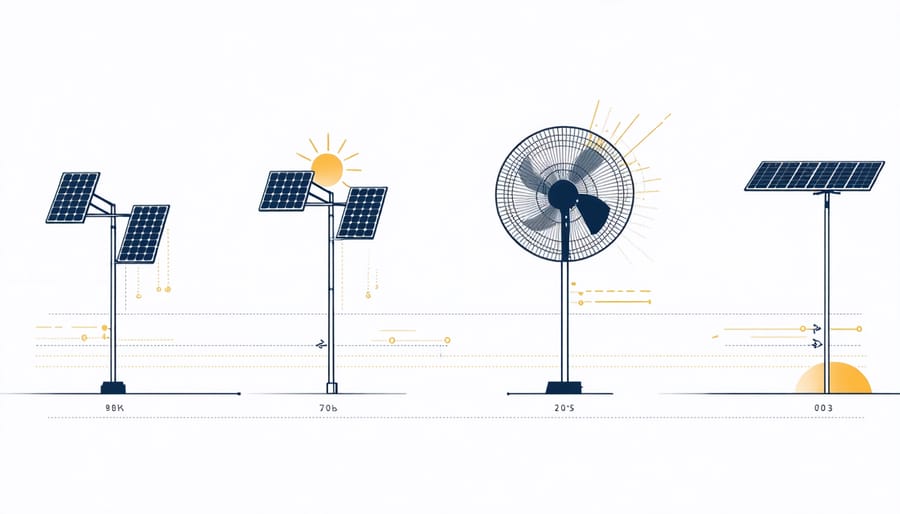
The effectiveness of a solar-powered outdoor fan largely depends on the strategic positioning of both the solar panel and the fan unit. For optimal energy generation, position the solar panel at an angle between 30-45 degrees, facing true south in the Northern Hemisphere or true north in the Southern Hemisphere. This orientation maximizes exposure to direct sunlight throughout the day.
Consider seasonal variations when determining panel placement. During summer months, a slightly lower tilt angle (around 30 degrees) proves more efficient, while winter operation may require steeper angles up to 45 degrees. Ensure the panel remains unobstructed by shadows from nearby structures, trees, or other obstacles, particularly during peak sunlight hours between 10 AM and 2 PM.
The fan unit’s placement should complement the panel’s position while serving its intended purpose. Mount the fan at a height of 4-6 feet for optimal air circulation in outdoor spaces. Consider prevailing wind patterns to enhance natural airflow. For maximum cooling efficiency, position the fan to create cross-ventilation, allowing air to move freely through the target area.
Install the solar panel within 15-20 feet of the fan unit to minimize voltage drop in the connecting cables. If longer distances are necessary, use appropriate gauge wiring to maintain electrical efficiency. Regular cleaning of both the panel surface and fan blades ensures sustained performance and longevity of the system.
Maintenance Best Practices
Regular maintenance of solar-powered outdoor fans is essential for optimal performance and longevity. Begin by inspecting the solar panel surface monthly, removing dust, leaves, and debris using a soft, damp cloth. Avoid abrasive cleaning materials that could scratch the photovoltaic cells. Ensure the panel maintains its optimal angle toward the sun, adjusting seasonally if necessary.
Check all electrical connections quarterly for signs of corrosion or loose wiring. Apply appropriate weather-resistant sealant to protect connections from moisture damage. Inspect the fan blades for accumulated dirt or insect nests, cleaning them carefully to maintain aerodynamic efficiency and prevent imbalance during operation.
For battery-equipped models, monitor the charge controller indicators regularly. Replace batteries according to manufacturer specifications, typically every 3-5 years, depending on usage patterns and environmental conditions. Test the fan’s various speed settings monthly to ensure consistent operation.
Common troubleshooting steps include:
– Verifying solar panel orientation if performance decreases
– Cleaning photovoltaic cells when power output diminishes
– Checking fuse connectivity if the fan stops suddenly
– Inspecting motor brushes for wear after extended use
– Testing voltage output using a multimeter to identify potential charging issues
Document all maintenance activities and create a regular schedule to prevent operational issues. During winter storage, remove batteries and store them in a temperature-controlled environment to extend their service life.
Future Developments and Industry Trends
The future of solar-powered outdoor fans is being shaped by rapid technological advancements and increasing demand for sustainable cooling solutions. Recent solar power efficiency innovations are driving the development of more powerful and compact systems, with researchers predicting significant improvements in photovoltaic cell performance over the next decade.
Industry analysts forecast a compound annual growth rate of 15% in the solar-powered cooling market through 2028, with outdoor fans representing a significant segment. This growth is primarily driven by advances in battery storage technology, which are enabling longer operating times and improved reliability. New lithium-iron-phosphate (LiFePO4) batteries are becoming standard, offering enhanced safety and longevity compared to traditional lithium-ion alternatives.
Emerging trends include the integration of smart technology, allowing users to control fan speed and monitor energy consumption through mobile applications. Manufacturers are also exploring hybrid designs that combine solar power with small wind turbines, maximizing energy generation potential in varied weather conditions.
Material science innovations are contributing to the development of more efficient fan blades using biomimetic designs inspired by natural forms. These advances, coupled with improvements in motor efficiency, are expected to increase air flow while reducing energy consumption by up to 30% compared to current models.
The market is witnessing increased interest in modular systems that can be easily scaled according to cooling requirements. These systems feature plug-and-play components and standardized connections, making installation and maintenance more accessible for consumers.
Research partnerships between manufacturers and academic institutions are focusing on developing next-generation photovoltaic materials, including perovskite solar cells, which promise higher efficiency at lower production costs. Industry experts anticipate these developments will lead to more affordable and effective solar-powered outdoor cooling solutions within the next five years.
Environmental regulations and growing awareness of sustainable practices are expected to drive further innovation in this sector. Manufacturers are investing in recyclable materials and circular design principles, ensuring these products align with broader sustainability goals while meeting increasing consumer demand for eco-friendly cooling solutions.
Solar-powered outdoor fans represent a significant advancement in sustainable outdoor recreation technology, offering numerous benefits for camping enthusiasts and outdoor event organizers. These innovative cooling solutions combine environmental responsibility with practical functionality, making them increasingly popular among environmentally conscious consumers.
The integration of photovoltaic technology with portable fan systems has demonstrated remarkable efficiency in providing reliable cooling without dependency on traditional power sources. This independence from grid electricity makes solar-powered fans particularly valuable for remote camping locations, outdoor workshops, and recreational activities where conventional power access is limited or unavailable.
Field testing and user experiences have consistently shown that these systems can maintain optimal performance throughout extended outdoor activities, provided they receive adequate solar exposure. The ability to operate autonomously using renewable energy not only reduces environmental impact but also eliminates the need for battery replacement or fuel consumption, resulting in long-term cost savings.
For outdoor recreation professionals and event organizers, solar-powered fans offer a sustainable solution for maintaining comfortable environments during daylight hours. The technology’s advancement has addressed previous limitations in power storage and operational efficiency, making these systems increasingly reliable for various outdoor applications.
As the technology continues to evolve, solar-powered outdoor fans are becoming more efficient, durable, and cost-effective, solidifying their position as essential equipment for sustainable outdoor cooling solutions. Their contribution to reducing carbon footprint while enhancing outdoor comfort makes them a valuable investment for both individual users and commercial applications.