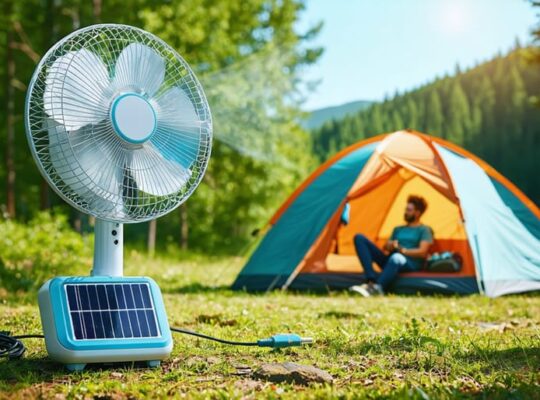
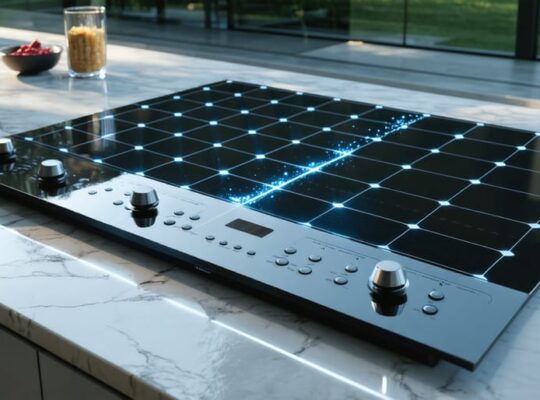
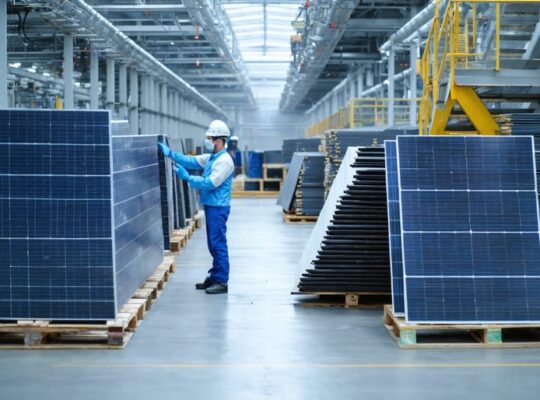
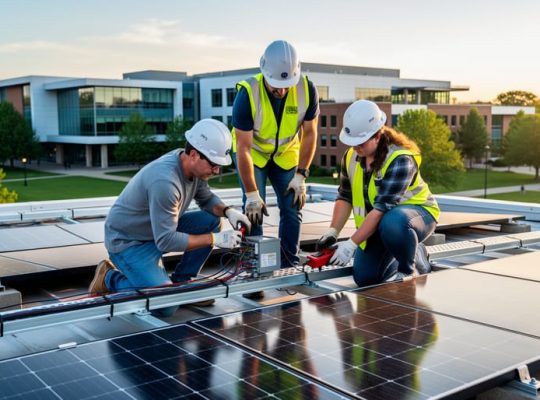
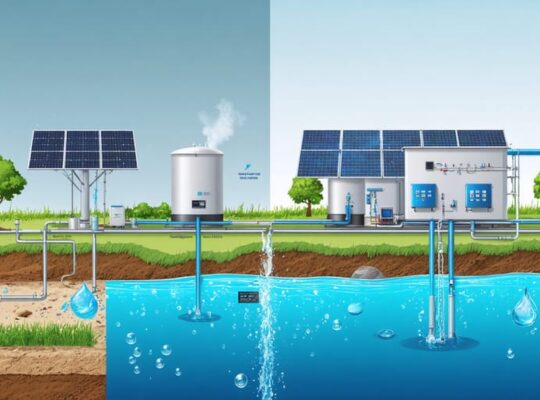
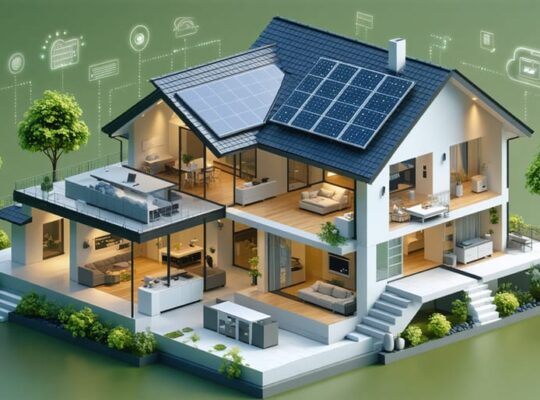
Solar-powered devices represent a transformative frontier in sustainable technology, offering innovative solutions to our growing energy needs while reducing environmental impact. As global energy demands surge and climate concerns intensify, these devices harness the sun’s abundant energy to power everything from everyday gadgets to sophisticated industrial equipment. Recent advances in photovoltaic technology have dramatically improved efficiency and reduced costs, making solar-powered devices increasingly accessible to consumers and businesses alike.
The integration of solar technology into portable electronics, home systems, and commercial applications has created a diverse ecosystem of products that combine environmental responsibility with practical utility. Modern solar devices achieve conversion efficiencies exceeding 20%, utilizing advanced materials and smart power management systems to maximize energy capture and storage. This remarkable progress has positioned solar-powered devices at the forefront of the renewable energy revolution, offering reliable alternatives to traditional power sources.
From solar chargers that keep our mobile devices operational during outdoor adventures to sophisticated solar-powered irrigation systems transforming agricultural practices, these innovations demonstrate the versatility and potential of photovoltaic technology. As we continue to face energy challenges and environmental pressures, solar-powered devices emerge as crucial tools in building a more sustainable future.
How Solar-Powered Gadgets Actually Work
The Science Behind Miniature Solar Cells
Recent advances in photovoltaic technology have revolutionized the development of miniature solar cells, enabling more efficient solar power integration in compact devices. These microscale photovoltaic cells utilize advanced semiconductor materials, such as gallium arsenide and perovskites, to achieve higher conversion efficiencies in smaller form factors.
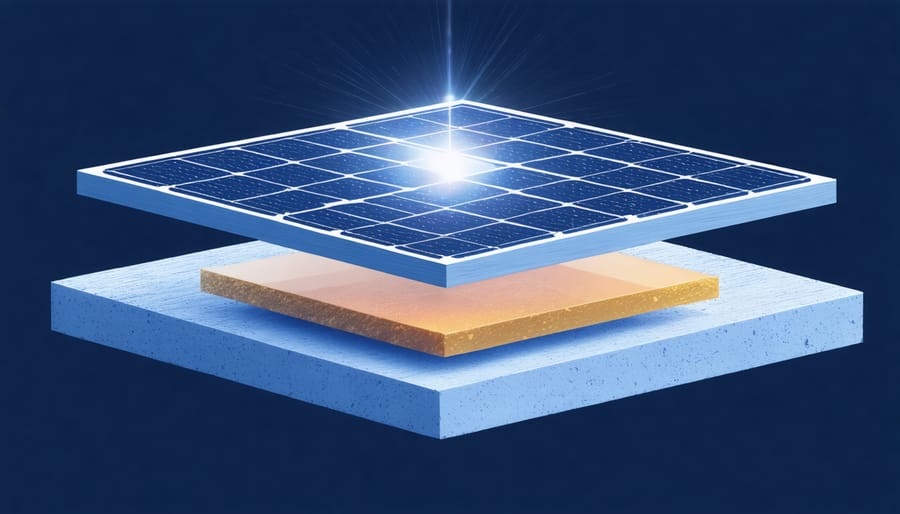
Multi-junction cell architectures have particularly enhanced the performance of miniature solar cells, allowing them to capture a broader spectrum of light energy. By stacking multiple layers of photovoltaic materials, each optimized for different wavelengths, these cells can achieve conversion efficiencies exceeding 40% – a significant improvement over traditional single-junction designs.
Surface texturing and anti-reflective coatings further maximize light absorption while minimizing reflection losses. Additionally, innovative interconnection techniques and advanced encapsulation methods protect these delicate components while maintaining their electrical performance. These technological improvements have made it possible to power increasingly sophisticated portable devices while maintaining their compact size and reliability.
Power Storage Solutions
Modern solar-powered devices rely heavily on advanced battery technologies and sophisticated energy management solutions to maintain consistent performance. Lithium-ion batteries remain the predominant storage technology, offering high energy density and extended cycle life. These systems typically incorporate intelligent charge controllers that optimize power distribution and protect against overcharging or deep discharge scenarios.
Recent developments in battery chemistry have introduced lithium iron phosphate (LiFePO4) variants, which provide enhanced thermal stability and longer operational lifespans. Power management systems employ Maximum Power Point Tracking (MPPT) technology to extract optimal energy from solar panels while maintaining battery health.
Storage capacity varies significantly based on device requirements, ranging from compact 2000mAh units in portable chargers to sophisticated 10kWh systems for larger applications. Modern power storage solutions also feature smart monitoring capabilities, allowing users to track energy generation, consumption patterns, and storage levels through mobile applications or integrated displays. This data-driven approach enables more efficient energy utilization and helps extend battery life through predictive maintenance protocols.
Most Effective Solar-Powered Personal Devices
Solar Watches and Fitness Trackers
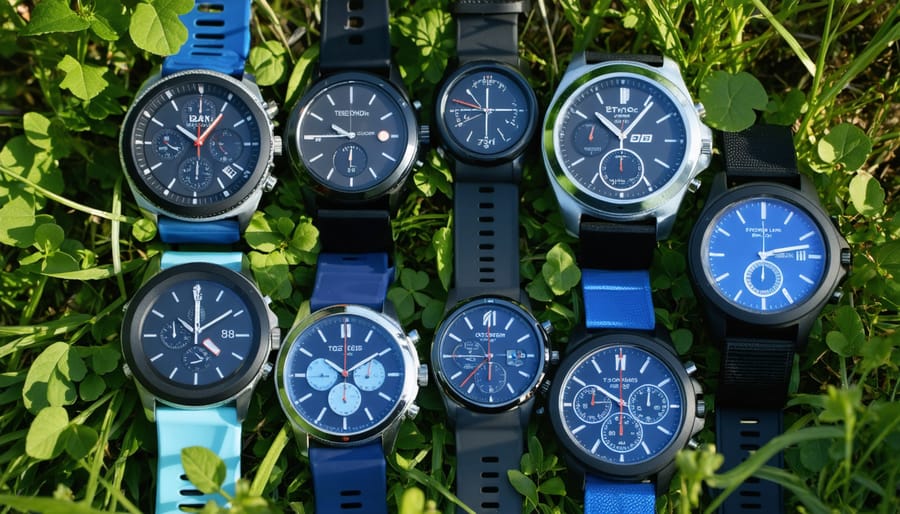
Solar-powered timepieces and fitness trackers represent a significant advancement in sustainable wearable technology, combining precision timekeeping with environmental consciousness. Leading manufacturers like Casio, Citizen, and Garmin have developed sophisticated solar charging systems that efficiently convert both natural and artificial light into stored energy.
These devices typically employ photovoltaic cells integrated beneath the watch face or display, utilizing high-efficiency solar panels that can maintain functionality for several months on a full charge. The Citizen Eco-Drive collection, for instance, demonstrates remarkable power reserve capabilities, operating for up to six months in complete darkness after achieving a full charge.
Modern solar fitness trackers incorporate advanced features such as heart rate monitoring, GPS tracking, and sleep analysis while maintaining extended battery life through solar charging. The Garmin Instinct Solar and Fenix series have set new standards by combining robust activity tracking with solar charging technology, enabling virtually infinite battery life under optimal conditions.
The durability of these devices has also improved significantly, with many models featuring water resistance, scratch-resistant crystals, and robust construction suitable for outdoor activities. Manufacturing processes have evolved to ensure the solar cells remain protected while maximizing their exposure to light sources.
For optimal performance, users should expose their devices to adequate light levels regularly, though most modern units can maintain functionality with minimal direct sunlight exposure. This practical approach to sustainable technology has made solar-powered wearables increasingly popular among environmentally conscious consumers and outdoor enthusiasts.
Portable Solar Chargers
Portable solar chargers represent a significant advancement in personal renewable energy solutions, offering users the ability to harness solar power for their mobile devices anywhere. These devices typically consist of foldable photovoltaic panels connected to power storage units, enabling efficient energy collection and storage for later use.
Modern portable solar chargers feature conversion efficiencies ranging from 15% to 25%, with premium models incorporating monocrystalline solar cells for optimal performance. Most units provide multiple charging ports, supporting various output voltages (5V, 12V, and 18V) to accommodate different devices, from smartphones to laptops.
The market offers various configurations, from compact single-panel units delivering 5-10 watts to larger multi-panel systems capable of generating 20-60 watts. Key considerations when selecting a portable solar charger include power output capacity, charging speed, durability ratings (typically IP65 or higher for weather resistance), and storage capacity of integrated power banks.
Advanced features in current models include MPPT (Maximum Power Point Tracking) technology for optimized charging performance, intelligent device recognition for appropriate power delivery, and pass-through charging capabilities. Many units also incorporate protective features such as overcharge prevention, short-circuit protection, and temperature control.
For optimal performance, users should position panels at a 45-degree angle facing the sun and consider environmental factors such as shade and cloud cover. Regular maintenance, including cleaning the panels and proper storage, ensures long-term reliability and efficiency.
Solar-Integrated Backpacks and Accessories
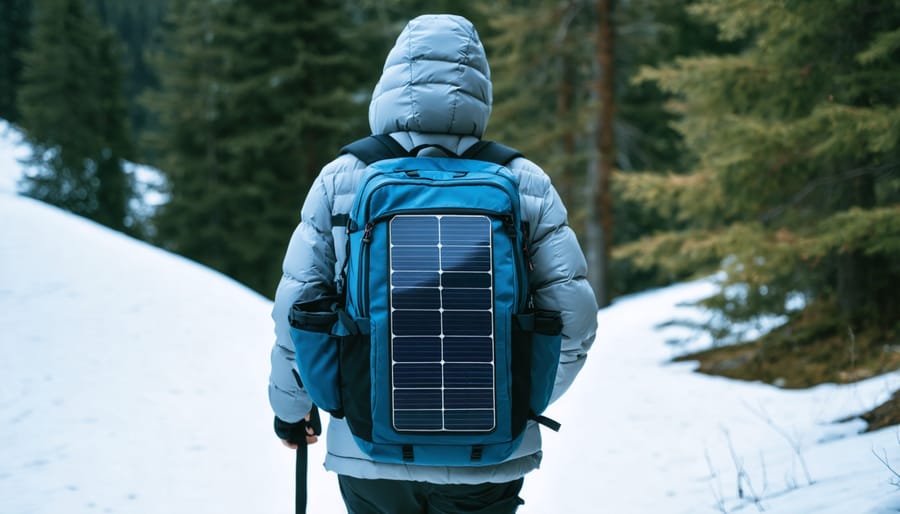
Solar-integrated backpacks and accessories represent a significant advancement in portable energy solutions, combining functionality with sustainable power generation. These products typically incorporate flexible photovoltaic panels seamlessly integrated into their design, enabling users to charge electronic devices while on the move.
Modern solar backpacks generally feature monocrystalline or polycrystalline solar panels rated between 5W and 10W, capable of charging smartphones, tablets, and other USB-powered devices. The conversion efficiency of these panels typically ranges from 15% to 22%, depending on the manufacturer and technology employed.
Leading manufacturers have developed weatherproof designs that protect both the solar components and stored devices, while maintaining aesthetic appeal. Most models include built-in voltage regulators and power banks, allowing energy storage for use during non-daylight hours. The power banks commonly range from 10,000mAh to 25,000mAh capacity.
Beyond backpacks, the market offers various solar-integrated accessories, including:
– Messenger bags with detachable solar panels
– Hat brims with embedded photovoltaic cells
– Jacket designs incorporating flexible solar materials
– Bicycle panniers with solar charging capabilities
Performance metrics indicate that these devices perform optimally in direct sunlight, generating sufficient power to charge a smartphone in 2-4 hours under ideal conditions. However, users should note that charging efficiency may decrease in cloudy conditions or indirect light.
For professional applications, specialized solar gear offers enhanced durability and higher power outputs, particularly beneficial for field researchers, outdoor professionals, and emergency response teams.
Maximizing Solar Device Performance
Positioning and Usage Best Practices
To maximize solar power efficiency in devices, proper positioning and usage practices are essential. Solar-powered devices should be placed in locations that receive direct sunlight for optimal performance, ideally facing south in the Northern Hemisphere and north in the Southern Hemisphere. The recommended tilt angle should match your geographical latitude for fixed installations, though adjustable mounts can optimize seasonal exposure.
Avoid partial shading from trees, buildings, or other obstacles, as even minimal shadowing can significantly reduce power generation. Clean the solar panels regularly to prevent dust, debris, and bird droppings from diminishing performance. During winter months or in areas with limited sunlight, consider using reflective surfaces to enhance light capture.
For portable devices, maintain awareness of peak sunlight hours, typically between 10 AM and 2 PM. Position devices perpendicular to incoming sunlight and adjust their orientation throughout the day when possible. In hot climates, ensure adequate ventilation around the device, as excessive heat can reduce solar panel efficiency.
Store solar-powered devices in moderate temperatures and protect them from extreme weather conditions when not in use. For backup power solutions, integrate energy storage systems and monitor battery health regularly to maintain optimal performance levels.
Maintenance and Longevity
Regular maintenance is crucial for maximizing the lifespan and efficiency of solar-powered devices. The primary maintenance requirement involves keeping the solar panels clean and free from debris, dust, or snow that could obstruct sunlight absorption. A gentle wipe with a soft, damp cloth is typically sufficient for most devices, though specialized cleaning solutions may be recommended for larger installations.
The durability of solar-powered devices varies significantly based on their construction quality and environmental exposure. Most consumer-grade solar devices are designed to last between 5-10 years, while high-quality solar panels used in professional applications can maintain optimal performance for 20-25 years. The photovoltaic cells gradually degrade at a rate of approximately 0.5-1% annually under normal conditions.
To extend device longevity, users should protect their solar-powered equipment from extreme weather conditions when possible. Storage in temperature-controlled environments during periods of non-use can prevent premature degradation of components. Regular inspection of wiring connections, charging ports, and battery housing is essential to identify and address potential issues before they affect device performance.
Battery maintenance is equally important, as most solar devices utilize rechargeable batteries. Following manufacturer-recommended charging cycles and avoiding complete battery depletion can significantly extend battery life. Some advanced solar devices include built-in battery management systems that automatically optimize charging patterns and protect against overcharging.
Future Innovations in Solar Wearables
The landscape of solar wearables is rapidly evolving, with breakthrough innovations promising to revolutionize how we harness and utilize solar energy in our daily lives. Recent developments in solar charging technology have paved the way for more efficient and aesthetically pleasing wearable devices.
Emerging photovoltaic textiles represent a significant advancement, incorporating solar cells directly into fabric fibers. These smart textiles can generate power while maintaining flexibility and comfort, making them ideal for integration into everyday clothing. Research laboratories are currently developing solar-powered garments that can charge mobile devices while providing real-time health monitoring capabilities.
Transparent solar cells are another promising innovation, enabling the development of solar-powered smart glasses and vehicle windows. These cells achieve up to 10% efficiency while maintaining optical clarity, opening new possibilities for seamless integration into everyday items.
Quantum dot solar cells show particular promise for wearable applications due to their enhanced power conversion efficiency and reduced production costs. These next-generation cells can capture a broader spectrum of light, potentially increasing energy generation by up to 25% compared to traditional solar cells.
Several major manufacturers are preparing to launch solar-powered smartwatches with extended battery life and improved charging capabilities. These devices will feature ultra-thin solar panels integrated into their displays, eliminating the need for conventional charging methods while maintaining sleek design aesthetics.
In the medical field, solar-powered health monitoring devices are being developed to provide continuous patient care without the need for frequent battery changes. These devices include vital sign monitors and medication delivery systems that operate autonomously using ambient light.
The integration of artificial intelligence with solar wearables is expected to optimize energy harvesting and usage patterns, potentially doubling device efficiency through smart power management systems. These developments suggest a future where solar-powered wearables become an integral part of our technological infrastructure, supporting sustainable energy solutions while meeting growing consumer demands for portable power.
Solar-powered devices represent a significant stride toward sustainable technology adoption, offering tangible benefits that extend beyond environmental conservation. These innovative solutions provide reliable power independence while reducing electricity costs and carbon emissions. The integration of photovoltaic technology into everyday devices has demonstrated remarkable versatility, from portable chargers and lighting systems to more sophisticated applications in industrial and agricultural sectors.
The practical advantages of solar-powered devices are compelling: they require minimal maintenance, operate silently, and provide consistent performance in various environmental conditions. Moreover, the declining costs of photovoltaic components have made these devices increasingly accessible to consumers and businesses alike. The return on investment continues to improve as technology advances and manufacturing efficiencies increase.
As we progress toward a more sustainable future, the adoption of solar-powered devices becomes increasingly crucial. Organizations and individuals can contribute to environmental preservation while enjoying the practical benefits of renewable energy. The technology’s reliability, coupled with its environmental benefits, presents a compelling case for widespread implementation.
We encourage stakeholders to explore the diverse applications of solar-powered devices in their respective domains. Whether for personal use, business operations, or research purposes, these devices offer sustainable solutions that align with global sustainability goals while providing practical utility. The continued advancement of solar technology promises even more innovative applications and improved efficiency in the years to come.