Solar-powered healthcare facilities revolutionize medical service delivery in remote and underserved regions, offering sustainable wellness solutions that transform patient care. By integrating photovoltaic systems with medical equipment, healthcare providers can ensure consistent power supply for critical operations, from vaccine refrigeration to diagnostic devices. These systems deliver an average energy cost reduction of 40-60% while maintaining reliable power for life-saving equipment.
Modern solar wellness solutions combine advanced energy storage technologies with smart monitoring systems, enabling healthcare facilities to operate 24/7 regardless of grid connectivity. The implementation of solar microgrids in medical centers has demonstrated remarkable resilience during natural disasters and power outages, maintaining essential services when traditional power sources fail. This technology proves particularly vital in developing regions, where unreliable electricity historically compromised healthcare delivery.
Current innovations in solar-powered medical equipment extend beyond basic power provision, incorporating IoT capabilities for remote diagnostics and telemedicine applications. These advancements enable healthcare practitioners to leverage renewable energy for expanded service delivery while reducing their environmental impact. The integration of solar technology in healthcare represents a crucial intersection of sustainable energy and public health, providing a foundation for resilient, accessible medical care worldwide.
The Solar-Healthcare Connection
Energy Security in Healthcare Facilities
Healthcare facilities require uninterrupted power supply to maintain critical operations and save lives. Solar power systems, integrated with advanced energy security solutions, provide reliable backup power for essential medical equipment, ensuring continuous patient care during grid outages. These systems incorporate sophisticated battery storage technology and intelligent power management systems to maintain stable energy flow to critical departments.
Modern solar installations in healthcare facilities prioritize emergency rooms, operating theaters, and intensive care units, guaranteeing power availability for life-support systems, diagnostic equipment, and medication storage. The implementation of micro-grid architectures enables hospitals to operate independently during emergencies, maintaining optimal temperature control for sensitive medical supplies and ensuring proper functionality of ventilation systems.
Statistical data indicates that solar-powered healthcare facilities reduce operational costs by 40-60% while providing enhanced energy reliability compared to traditional backup generators. This sustainable approach not only ensures patient safety but also contributes to the facility’s environmental goals and regulatory compliance requirements.
Cost Benefits for Healthcare Providers
Healthcare providers implementing solar solutions can realize substantial cost savings through reduced energy expenditure, with many facilities reporting 40-60% decreases in utility bills within the first year. The initial investment in solar infrastructure typically achieves return on investment (ROI) within 5-7 years, while the systems continue to generate value for 25+ years. These savings can be redirected to essential medical equipment, staff resources, and patient care improvements.
Beyond direct energy cost reduction, healthcare facilities benefit from various financial incentives, including federal tax credits, state-level rebates, and renewable energy certificates. Many providers also qualify for specialized healthcare sector grants and sustainable infrastructure funding programs. Additionally, solar installations help stabilize long-term operating costs by reducing exposure to volatile energy market fluctuations.
Maintenance costs for solar systems in healthcare settings are relatively low, typically requiring only annual inspections and occasional panel cleaning. Modern monitoring systems allow facilities to optimize energy consumption patterns, leading to further operational efficiencies. These combined benefits make solar adoption a financially sound strategy for healthcare providers focused on long-term sustainability and cost management.
Solar-Powered Medical Technologies
Portable Diagnostic Equipment
The integration of solar power with portable diagnostic equipment has revolutionized healthcare delivery, particularly in remote and underserved areas. These mobile medical devices combine advanced diagnostic capabilities with sustainable energy solutions, ensuring reliable operation even in locations without stable grid connectivity.
Modern portable diagnostic units typically incorporate high-efficiency photovoltaic panels coupled with energy storage systems, enabling continuous operation during both daylight hours and after sunset. Key equipment includes portable ultrasound machines, digital X-ray systems, and blood analysis devices, all optimized for low power consumption while maintaining clinical accuracy.
Solar-powered diagnostic equipment commonly features rapid-charge capabilities, utilizing advanced power management systems that maximize energy harvest during peak sunlight hours. These systems typically require 200-400 watts of solar capacity, depending on usage patterns and local environmental conditions. Energy-efficient LED displays and smart power management protocols help extend operational duration between charges.
The latest generation of portable diagnostic devices incorporates IoT connectivity for remote monitoring and telemedicine applications, powered by integrated solar systems. This enables real-time consultation with specialists while maintaining energy independence. Manufacturers have achieved significant improvements in energy efficiency, with many devices now operating at 30-40% less power consumption compared to traditional hospital equipment.
Investment in solar-powered diagnostic tools has demonstrated substantial returns through reduced operational costs and increased healthcare access. Healthcare providers report up to 70% reduction in energy-related expenses while maintaining consistent diagnostic capabilities. These solutions have proven particularly valuable during humanitarian missions and disaster response scenarios, where conventional power sources may be compromised or unavailable.
Vaccine Storage Solutions
Solar-powered cold chain systems represent a groundbreaking solution for vaccine preservation, particularly in regions with limited or unreliable grid electricity access. These systems utilize photovoltaic technology to maintain precise temperature control, ensuring vaccine efficacy throughout storage and distribution phases.
The core components of solar vaccine storage solutions include high-efficiency solar panels, advanced battery systems, and specialized refrigeration units. These systems typically employ direct-drive technology, eliminating the need for conventional batteries while maintaining temperatures between 2°C and 8°C, the critical range for most vaccine storage requirements.
Modern solar-powered vaccine refrigerators incorporate smart monitoring systems that provide real-time temperature tracking and automated alerts. This technology ensures consistent temperature maintenance and enables healthcare providers to respond promptly to any deviations from optimal storage conditions.
The integration of phase-change materials (PCMs) in these systems provides additional temperature stability during periods of limited sunlight. PCMs can maintain required temperatures for up to 10 days without power input, offering crucial backup protection for vaccine inventory.
Implementation success stories demonstrate significant improvements in vaccination program effectiveness. Healthcare facilities utilizing solar-powered cold chain systems report up to 95% reduction in vaccine wastage compared to traditional storage methods. These systems prove particularly valuable during mass vaccination campaigns and in remote healthcare outposts.
Recent innovations include IoT-enabled monitoring platforms that optimize energy consumption and provide predictive maintenance alerts. These advancements, coupled with decreasing solar technology costs, make vaccine storage solutions increasingly accessible to healthcare providers worldwide.
Remote Healthcare Applications
Mobile Health Clinics
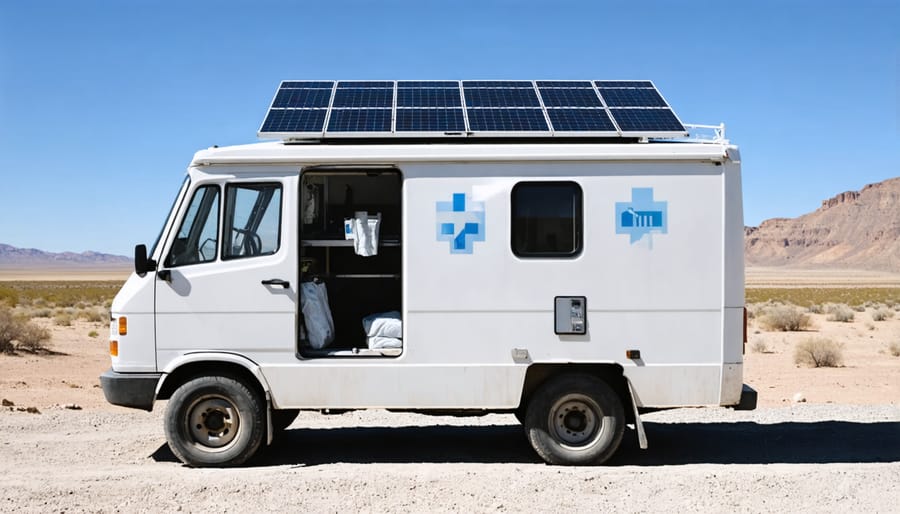
Solar-powered mobile health clinics represent a groundbreaking advancement in mobile healthcare solutions, particularly in remote and underserved areas. These facilities integrate photovoltaic systems with medical equipment, creating self-sustaining units capable of delivering essential healthcare services without relying on traditional power infrastructure.
These clinics typically feature roof-mounted solar panels generating 2-5 kW of power, coupled with advanced battery storage systems ensuring 24/7 operation. The solar array powers critical medical equipment, including refrigeration units for vaccines, diagnostic devices, and basic surgical tools. Modern implementations utilize smart power management systems to optimize energy distribution based on usage patterns and priority levels.
The integration of solar technology enables these units to maintain consistent temperature control for medical supplies, operate diagnostic equipment, and power communication systems for telemedicine consultations. Energy monitoring systems track power consumption and generation, ensuring optimal performance while maintaining critical medical operations.
Recent innovations include bifacial solar panels that increase energy yield by up to 30%, lightweight structural materials that improve mobility, and AI-driven power management systems that enhance operational efficiency. These advancements have significantly improved the reliability and effectiveness of mobile medical facilities, particularly in disaster response scenarios and rural healthcare initiatives.
Telemedicine Infrastructure
Solar-powered telemedicine infrastructure represents a transformative solution for delivering healthcare services to remote and underserved communities. These systems integrate photovoltaic arrays with advanced communication technologies to create reliable, sustainable healthcare networks that operate independently of traditional power grids.
The core components typically include a 5-10kW solar PV system, battery storage units, and satellite or cellular communication equipment. This configuration enables real-time video consultations, remote diagnostic capabilities, and digital health record management, even in areas without consistent grid access.
Advanced solar telemedicine units often feature redundant power systems and intelligent load management to ensure uninterrupted service during critical medical procedures. The integration of high-efficiency solar panels with smart inverters allows for optimal power generation and distribution, while sophisticated battery management systems maintain consistent power quality for sensitive medical equipment.
Implementation success stories demonstrate the reliability of these systems, with some installations maintaining 99.9% uptime in challenging environments. Modern solar telemedicine infrastructure can support multiple examination rooms, laboratory equipment, and data centers simultaneously, consuming approximately 30-40 kWh daily.
The scalability of solar-powered communication systems allows healthcare providers to expand services incrementally, matching community needs while maintaining cost-effectiveness. Regular maintenance protocols and remote monitoring capabilities ensure sustained performance, making these systems a viable long-term solution for global healthcare access.
Future Innovations
Integrated Building Solutions
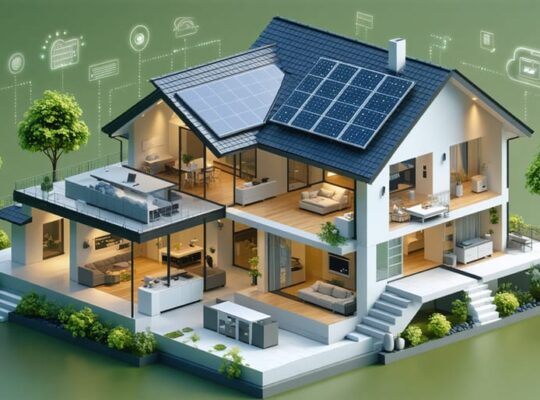
Healthcare facilities are increasingly adopting integrated building systems that incorporate solar PV technology as a cornerstone of their wellness solutions. These sophisticated installations merge renewable energy generation with advanced building management systems to create healthcare environments that are both sustainable and therapeutic.
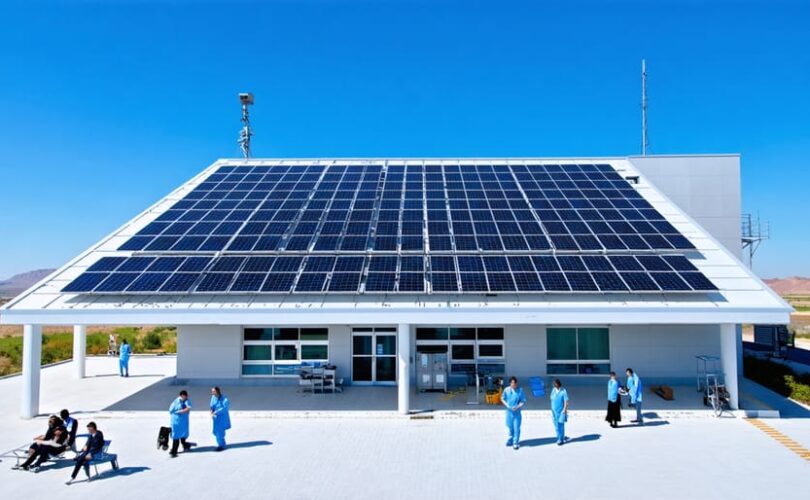
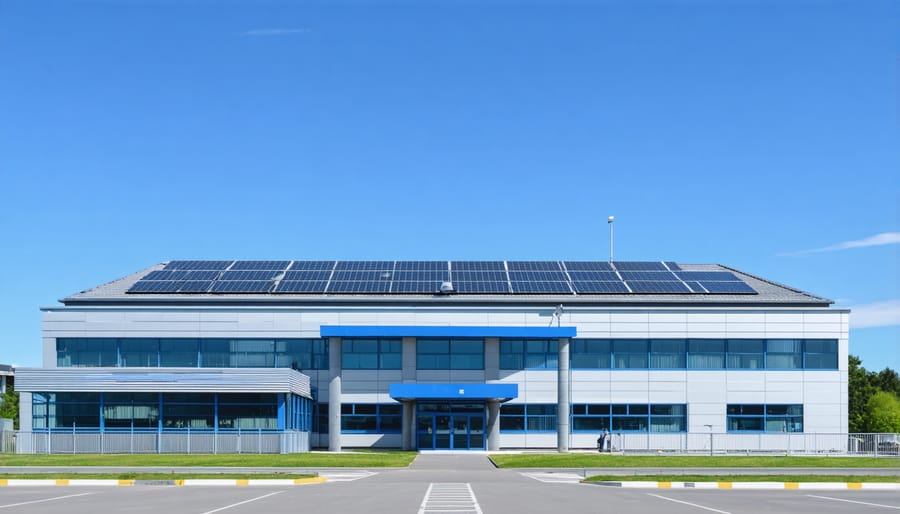
Modern healthcare facility designs integrate solar arrays seamlessly into building envelopes, utilizing rooftops, parking structures, and even façade elements to maximize power generation. This approach not only ensures consistent energy supply for critical medical equipment but also contributes to maintaining optimal indoor environmental conditions for patient recovery.
The integration process involves careful consideration of multiple factors, including electrical load requirements, backup power systems, and daylight harvesting strategies. Advanced monitoring systems track energy production and consumption in real-time, enabling facility managers to optimize performance and maintain uninterrupted operation of vital medical services.
Solar PV integration also supports healthcare facilities in achieving certification under various green building standards while reducing operational costs. The resulting energy independence enhances facility resilience, particularly crucial during power outages or natural disasters when maintaining medical services is paramount.
These solar-powered solutions demonstrate how renewable energy technology can be effectively incorporated into healthcare infrastructure, creating environments that promote both environmental sustainability and patient wellbeing.
Smart Health Monitoring
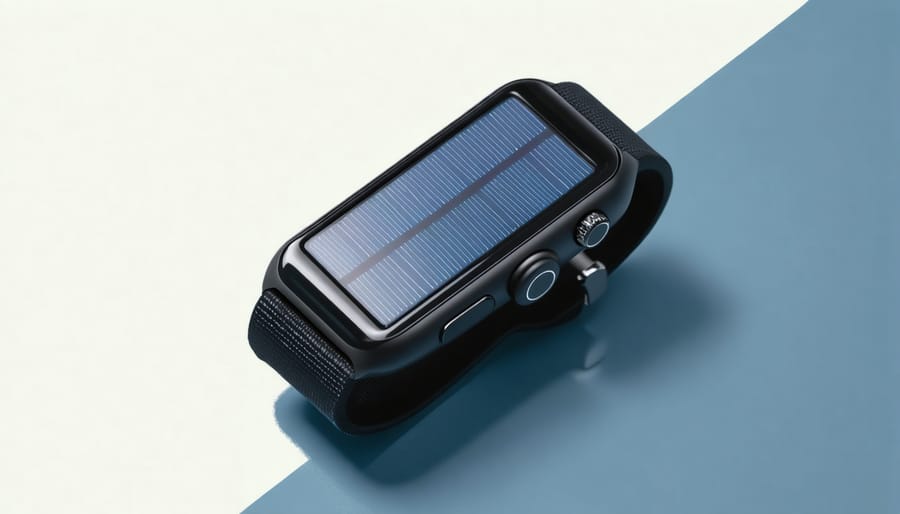
The integration of solar technology with healthcare monitoring systems has revolutionized personal wellness management. Solar-powered wearable devices now enable continuous health tracking without the constraints of traditional battery-dependent systems. These innovative solutions incorporate photovoltaic cells that harvest ambient light to power various sensors, providing real-time monitoring of vital signs, activity levels, and environmental conditions.
Recent developments in IoT healthcare devices showcase remarkable advancements in energy efficiency and functionality. These systems utilize high-efficiency solar cells combined with power management circuits to operate sensors for heart rate monitoring, blood oxygen measurement, and temperature tracking. The integration of energy harvesting technology ensures consistent operation even in indoor environments, making these devices practical for both clinical and home healthcare applications.
Smart health monitoring solutions powered by solar energy offer particular benefits in remote healthcare settings, where conventional power sources may be unreliable or unavailable. These systems can transmit critical health data to healthcare providers while maintaining operation through sustainable energy harvesting. The technology has proven especially valuable in telehealth applications, enabling continuous patient monitoring without the need for frequent battery replacements or charging.
Healthcare facilities are increasingly adopting these solar-powered monitoring solutions to enhance patient care while reducing operational costs and environmental impact. The combination of renewable energy and advanced sensing technology represents a significant step forward in sustainable healthcare delivery.
The integration of solar power into healthcare delivery systems represents a transformative advancement in medical facility operations and patient care capabilities. Through the implementation of photovoltaic solutions, healthcare providers have demonstrated significant improvements in service reliability, cost efficiency, and environmental sustainability. The data consistently shows that facilities utilizing solar power experience reduced operational expenses, enhanced energy security, and improved capacity to serve remote communities.
Looking ahead, the confluence of advancing solar technology and healthcare needs presents promising opportunities. Emerging innovations in energy storage systems, smart grid integration, and more efficient photovoltaic panels are expanding the potential applications in medical settings. These developments are particularly crucial for rural healthcare facilities and mobile medical units, where reliable power supply directly correlates with improved patient outcomes.
The future outlook suggests an accelerated adoption of solar solutions in healthcare, driven by decreasing installation costs, improving technology efficiency, and increasing awareness of environmental impacts. Industry projections indicate that by 2030, a significant percentage of healthcare facilities worldwide will incorporate some form of solar power infrastructure. This transition not only supports global sustainability goals but also strengthens healthcare resilience against power disruptions and natural disasters.
As the healthcare sector continues to embrace renewable energy solutions, the synergy between solar power and medical services will likely yield new innovations in equipment design, facility operations, and service delivery models. This evolution promises to enhance both the quality and accessibility of healthcare services while contributing to a more sustainable future.