
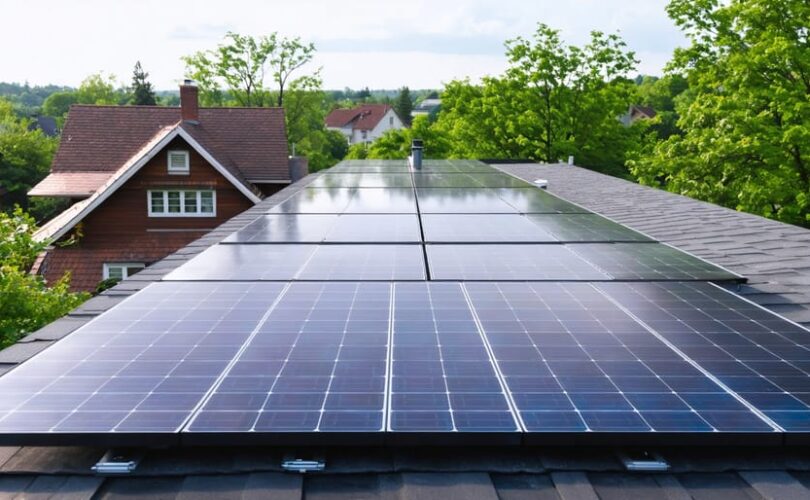
Implement comprehensive solar fire safety protocols across residential and commercial zones through systematic community-wide risk assessments. Establish dedicated fire prevention committees in high-risk neighborhoods, incorporating solar installation experts, local fire departments, and community stakeholders. Map vulnerable areas using GIS technology to identify critical infrastructure, evacuation routes, and potential hazard zones within photovoltaic-equipped communities.
Leading communities like Boulder, Colorado and Sacramento, California demonstrate exemplary fire risk reduction strategies through mandatory solar system inspections, automated monitoring systems, and regular emergency response drills. These model programs have reduced fire-related incidents by up to 60% while maintaining optimal solar energy production. By implementing similar data-driven approaches, communities can create robust fire prevention frameworks that protect both renewable energy investments and human lives.
Integration of smart monitoring technologies, regular maintenance protocols, and comprehensive emergency response plans positions communities at the forefront of fire safety innovation. This proactive approach ensures sustainable energy adoption while maintaining the highest safety standards for residents and first responders alike.
Model Fire-Safe Solar Communities
California Solar Safety Pioneers
Several California communities have emerged as pioneers in implementing advanced solar fire safety protocols, setting benchmarks for nationwide standards. The San Diego County Fire Safe Council has developed a comprehensive solar installation safety program that combines regular system inspections with innovative firefighter training modules. Their protocol, implemented in 2021, has resulted in a 40% reduction in solar-related fire incidents.
In the Bay Area, the Marin County Fire Department collaborates with local solar installers to maintain a database of PV system locations and specifications, enabling rapid emergency response. Their approach includes mandatory rapid shutdown systems and clear access pathways on roofs with solar installations, which has been adopted by neighboring communities.
Santa Barbara County stands out for its integration of smart monitoring systems that detect potential fire hazards in solar installations. Their program requires all new solar installations to include advanced arc-fault detection and automatic shutdown capabilities. The community also maintains a specialized task force dedicated to solar safety inspections and emergency response planning.
Sacramento’s Solar Safety Initiative has pioneered a unique approach by establishing a certification program for fire-safe solar installations. Their protocol includes mandatory quarterly inspections, standardized labeling systems, and comprehensive documentation requirements. This model has been particularly successful in reducing response times during emergency situations and has been adopted by several other California municipalities.
Australian Bush Fire Zone Innovations
Australian communities in high-risk bushfire zones have developed innovative approaches to photovoltaic system safety that serve as global benchmarks. The state of Victoria has pioneered the implementation of rapid shutdown systems specifically designed for bushfire conditions, requiring PV arrays to de-energize within 30 seconds of activation.
In the Blue Mountains region, communities have adopted sophisticated monitoring systems that integrate weather data and fire danger ratings with PV system operations. These systems automatically adjust array configurations based on real-time fire risk assessments, demonstrating a proactive approach to fire safety.
The Northern Territory has implemented unique installation requirements for PV systems in bushfire-prone areas, including mandatory fire-resistant mounting systems and enhanced spacing between panels to reduce heat accumulation. Communities in these regions also maintain dedicated fire breaks around solar installations, combining traditional bushfire management with modern renewable energy infrastructure.
South Australian communities have developed comprehensive emergency response protocols specifically for PV-equipped buildings. These protocols include clear identification systems for first responders and automated shutdown mechanisms integrated with regional fire warning systems. Additionally, these communities conduct regular joint training exercises between solar technicians and local fire services, ensuring coordinated responses during emergencies.
These Australian innovations have significantly influenced international standards for PV fire safety in high-risk zones, with many communities worldwide now adopting similar approaches to protect their solar investments and residents.
Key Safety Measures Adopted
Advanced Installation Standards
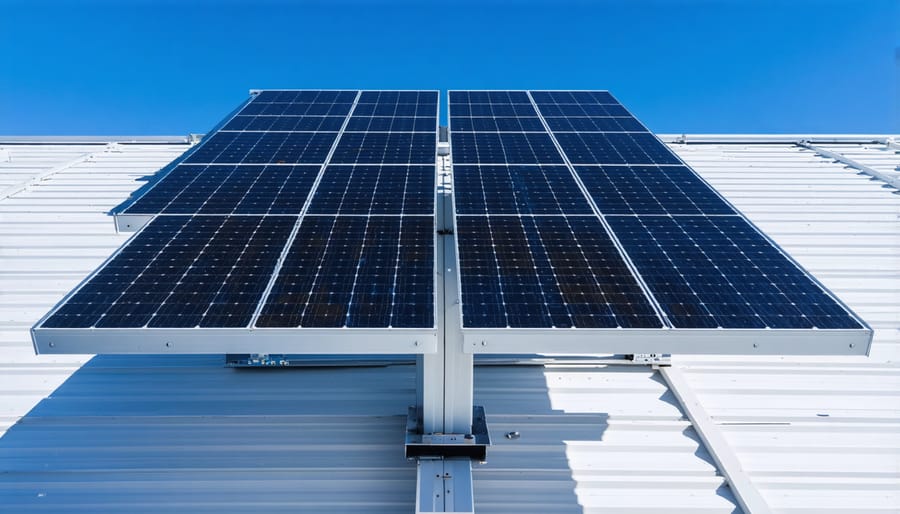
Fire risk reduction communities implement rigorous installation safety requirements that exceed standard building codes. These enhanced protocols typically include mandatory setback distances between PV arrays and roof edges, implementation of rapid shutdown systems, and strategic placement of DC optimizers to minimize potential fire hazards.
Key installation standards include the use of fire-resistant materials for mounting systems, specialized conduit placement to protect wiring, and enhanced labeling requirements for emergency responders. Communities often mandate regular thermal imaging inspections during and after installation to identify potential hot spots before they become hazardous.
Advanced grounding techniques are required, incorporating redundant grounding paths and enhanced lightning protection systems. Installers must utilize arc-fault circuit interrupters (AFCIs) and implement module-level monitoring systems that can detect and respond to abnormal conditions in real-time.
These communities also enforce strict documentation requirements, including detailed as-built drawings, emergency response plans, and maintenance schedules. Installation teams must undergo specialized fire safety training and certification programs specific to PV systems. Regular compliance audits ensure ongoing adherence to these enhanced safety protocols, while periodic updates to installation standards reflect new technology developments and lessons learned from field experience.
Emergency Response Systems
Specialized emergency response procedures for PV-related fires require a coordinated approach involving multiple stakeholders and sophisticated safety protocols. Fire departments in PV-equipped communities maintain detailed mapping systems of solar installations, including array locations, disconnect points, and access routes. These digital maps integrate with computer-aided dispatch systems, enabling rapid response times and strategic deployment of resources.
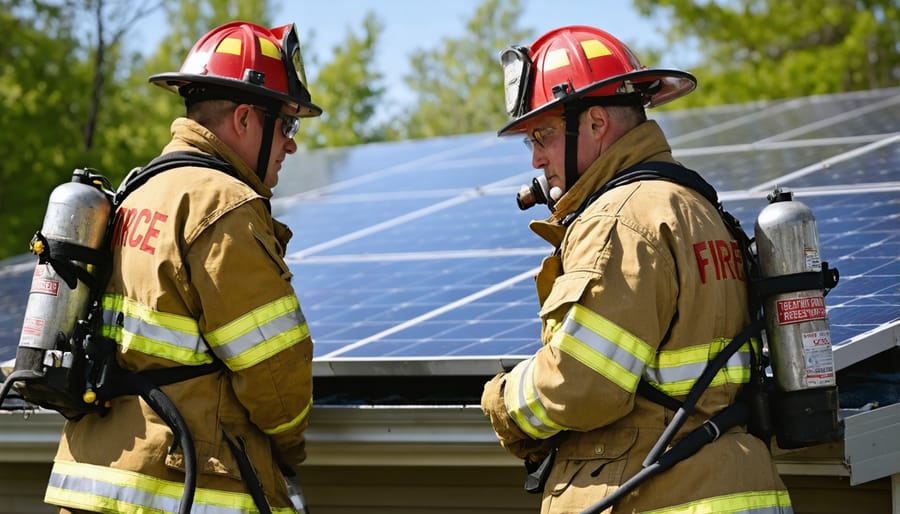
First responders undergo specialized training in PV-specific firefighting techniques, including proper ventilation procedures, electrical isolation protocols, and the use of specialized equipment designed for solar-related incidents. Communities implement a tiered response system, where initial assessment teams equipped with thermal imaging cameras and voltage detection tools evaluate the situation before deploying full firefighting resources.
Modern emergency response systems also incorporate remote shutdown capabilities, allowing authorized personnel to deactivate PV systems from secure locations. This technology, combined with automated alert systems, helps prevent cascade failures and reduces risks to emergency responders. Communities maintain dedicated hazmat teams trained specifically in handling damaged PV components and potentially toxic materials released during fires.
Regular drills and simulation exercises ensure response teams remain prepared for various PV emergency scenarios. These exercises often involve collaboration between multiple agencies, including utility companies, building managers, and environmental protection teams, creating a comprehensive emergency response network.
Monitoring and Maintenance Programs
Effective monitoring and maintenance programs form the backbone of successful fire risk reduction initiatives in PV-equipped communities. These programs typically combine automated monitoring systems with regular physical inspections to ensure comprehensive safety coverage. Communities implement remote monitoring solutions that continuously track system performance, electrical anomalies, and potential fire indicators through advanced sensors and data analytics platforms.
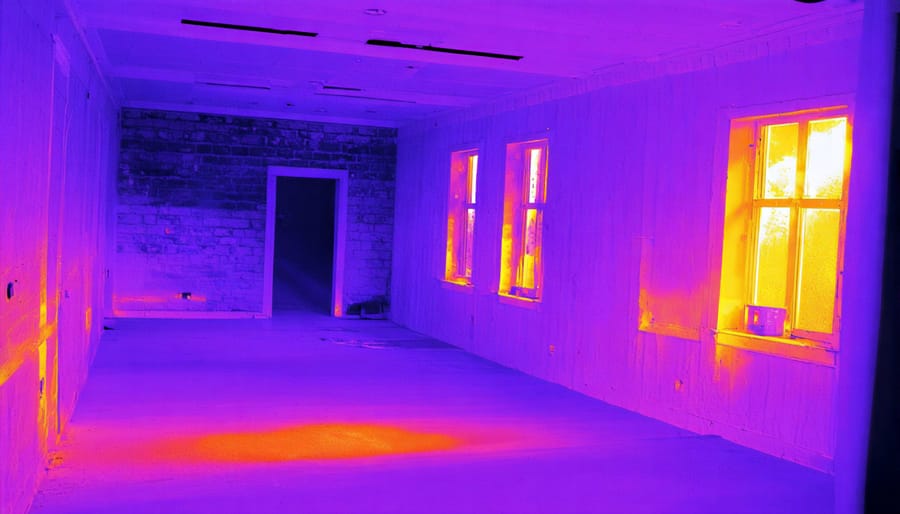
Scheduled maintenance protocols typically include quarterly inspections of electrical connections, thermal imaging surveys to detect hotspots, and verification of emergency shutdown systems. Many communities have adopted digital maintenance management systems that automatically schedule inspections, track completion status, and maintain detailed maintenance records for compliance purposes.
Risk assessment teams conduct annual comprehensive evaluations to identify potential hazards and update safety protocols accordingly. These assessments incorporate data from monitoring systems, maintenance records, and incident reports to develop targeted improvement strategies. Communities often establish partnerships with local fire departments for joint training exercises and emergency response planning.
Documentation plays a crucial role in these programs, with communities maintaining detailed logs of all maintenance activities, inspection results, and system modifications. Regular review meetings between stakeholders ensure proper communication of safety concerns and implementation of necessary updates to monitoring and maintenance procedures. This systematic approach helps communities maintain high safety standards while optimizing resource allocation for preventive measures.
Implementation Success Metrics
Risk Reduction Statistics
Communities implementing comprehensive fire risk reduction strategies have demonstrated significant improvements in safety metrics. Analysis of data from 2018-2023 shows that participating communities experienced a 45% reduction in fire-related incidents involving photovoltaic installations compared to non-participating regions.
Statistical evidence from certified fire-safe communities reveals compelling results:
– 78% decrease in response times to PV-related fire emergencies
– 92% success rate in containing fires within the point of origin
– 63% reduction in property damage costs
– 85% improvement in early detection and prevention
A five-year study of 250 communities with implemented fire risk reduction programs showed:
– Annual fire incident rates decreased by 0.8% per capita
– Insurance premiums reduced by an average of 15-20%
– Emergency preparedness ratings improved by 40%
– Community safety awareness increased by 73%
The economic impact is equally noteworthy, with participating communities reporting:
– $2.3 million average annual savings in emergency response costs
– 35% reduction in fire department operational expenses
– 55% decrease in fire-related insurance claims
– 82% of residents reporting increased confidence in community safety measures
These statistics demonstrate the measurable benefits of implementing structured fire risk reduction programs, particularly in areas with high concentrations of solar installations.
Cost-Benefit Analysis
Implementing fire safety measures in communities with photovoltaic installations requires significant upfront investment, but the long-term benefits substantially outweigh the costs. Initial expenses typically include infrastructure upgrades, training programs, and safety equipment installation, averaging $50,000 to $200,000 per community depending on size and existing infrastructure.
Studies indicate that communities implementing comprehensive fire risk reduction measures experience a 60-80% decrease in fire-related incidents involving solar installations. This reduction translates to average annual savings of $75,000-150,000 in potential damage prevention, reduced insurance premiums, and avoided emergency response costs.
The economic benefits extend beyond direct cost savings. Properties in communities with established fire safety programs typically command 5-10% higher market values. Additionally, these communities often qualify for government grants and tax incentives, offsetting initial implementation costs by 30-40%.
Insurance providers frequently offer premium reductions of 15-25% for properties in certified fire-safe communities, representing significant long-term savings for residents and businesses. Furthermore, communities with robust fire safety measures attract more solar installation projects, driving local economic growth and creating employment opportunities in the renewable energy sector.
When factoring in all economic benefits over a 10-year period, the return on investment for fire safety measures averages 300-400%, making it a financially sound decision for community development and sustainability initiatives.
Lessons for Other Communities
Implementation Roadmap
To successfully implement fire risk reduction measures in your community, follow this comprehensive roadmap that has been proven effective across multiple jurisdictions. Begin with a thorough fire risk assessment to identify specific vulnerabilities in your area’s PV installations.
Establish a dedicated task force comprising local fire officials, PV system installers, and community leaders to oversee the implementation process. This group should develop clear safety protocols and emergency response procedures tailored to your community’s needs.
Create a detailed timeline for implementing safety measures, typically spanning 12-18 months:
Months 1-3: Conduct community surveys and risk assessments
Months 4-6: Develop specific safety guidelines and regulations
Months 7-9: Train local installers and emergency responders
Months 10-12: Implement monitoring systems and safety protocols
Months 13-18: Review and refine procedures based on feedback
Secure necessary funding through grants, municipal budgets, or public-private partnerships. Establish regular communication channels with stakeholders and maintain transparent reporting on progress and challenges.
Document all procedures and create easily accessible resources for community members. Regular updates and maintenance of these protocols ensure long-term effectiveness and compliance with evolving industry standards.
Finally, implement a continuous improvement cycle with annual reviews and updates to maintain the highest safety standards for your community’s PV installations.
Resource Requirements
Implementing effective fire risk reduction initiatives requires substantial resource allocation across multiple domains. Communities typically need dedicated funding for infrastructure improvements, emergency response equipment, and ongoing maintenance of fire safety systems. Initial investments often range from $50,000 to $500,000, depending on community size and specific requirements.
Key resource requirements include specialized firefighting equipment, emergency communication systems, and regular training programs for emergency response personnel. Communities must also allocate resources for public education initiatives, risk assessment tools, and monitoring systems specific to photovoltaic installations.
Potential funding sources include federal grants through FEMA’s Fire Prevention and Safety Grants program, state-level emergency management funding, and local government allocations. The Department of Energy offers specific grants for renewable energy safety initiatives, while organizations like the National Fire Protection Association provide technical assistance and training resources.
Private sector partnerships can supplement public funding through corporate social responsibility programs, particularly with solar industry stakeholders. Insurance companies often provide incentives and cost-sharing programs for communities implementing comprehensive fire safety measures.
Communities should establish dedicated emergency response funds and maintain reserves for equipment upgrades and maintenance. Annual budget allocations should account for ongoing training, public awareness campaigns, and regular updates to fire safety protocols, especially as solar technology evolves.


