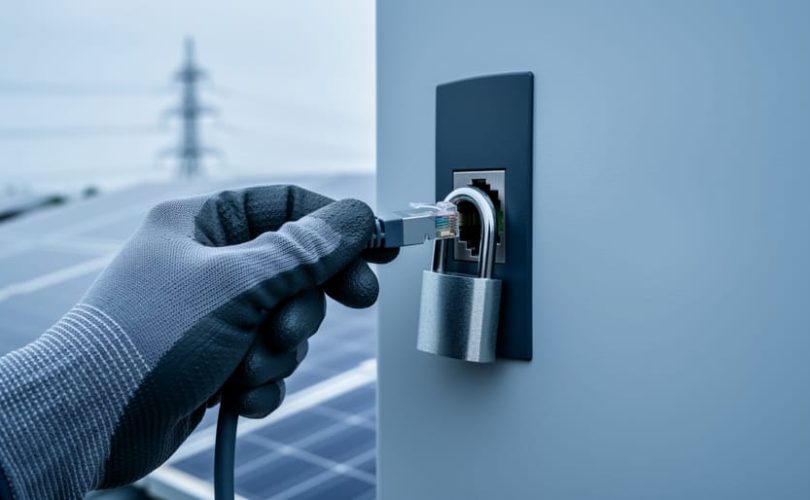
The digital transformation of solar energy has introduced a critical vulnerability: smart solar PV systems now represent prime targets for cyberattacks. As photovoltaic installations become increasingly interconnected through IoT devices, cloud platforms, and grid-tied inverters, the attack surface expands exponentially. A single compromised solar array can serve as an entry point to broader electrical grid infrastructure, creating cascading risks that extend far beyond individual installations.
Recent incidents demonstrate the tangible nature of these threats. In 2019, researchers successfully hacked a commercial solar farm’s control systems, proving that remote manipulation of power output was not theoretical but achievable. Distributed solar installations, while beneficial for grid resilience, create thousands of potential access points when inadequately secured. The consequences range from operational disruption and data theft to deliberate power fluctuations that destabilize grid frequency and voltage regulation.
The photovoltaic industry faces a unique challenge: balancing the accessibility and automation benefits of connected systems with robust security protocols. Many solar professionals possess deep expertise in electrical engineering and renewable energy technology but lack comprehensive cybersecurity training. This knowledge gap leaves installations vulnerable to firmware exploits, weak authentication protocols, unsecured communication channels, and inadequate network segmentation.
Understanding solar cybersecurity requires recognizing that every networked component—from smart inverters and battery management systems to monitoring platforms and mobile applications—represents a potential vulnerability. As the renewable energy sector scales rapidly to meet global climate targets, implementing rigorous security measures cannot remain an afterthought. For aspiring PV professionals and industry stakeholders, cybersecurity literacy has evolved from optional knowledge to essential competency, directly impacting system reliability, customer trust, and the broader energy transition’s success.
Why Smart Solar PV Systems Attract Cyber Attackers
The Value Chain: What Hackers Gain from Solar Systems
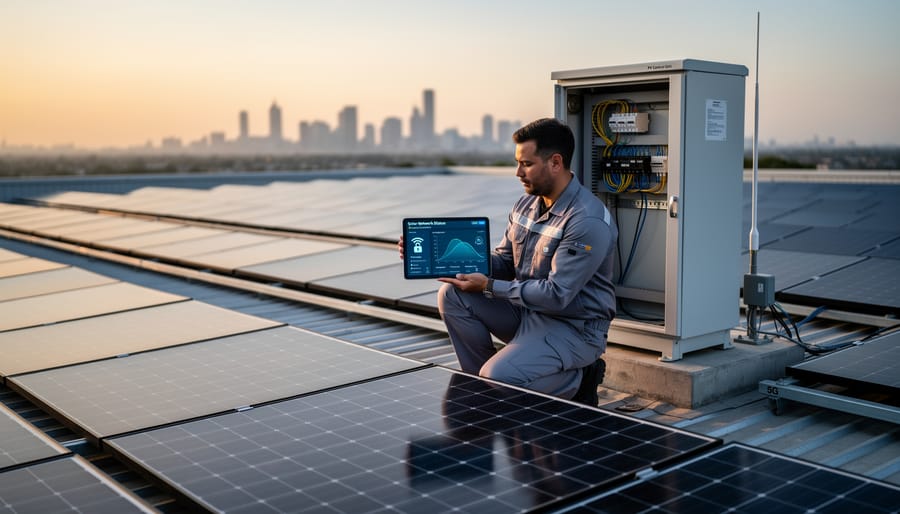
Understanding what motivates cyberattacks on solar installations helps organizations prioritize their defenses effectively. Compromised photovoltaic systems offer multiple exploitation pathways that extend far beyond simple vandalism.
Energy theft represents the most direct financial motivation. Attackers can manipulate inverter settings and monitoring systems to redirect power generation credits, falsify meter readings, or steal electricity for energy-intensive operations like cryptocurrency mining. In commercial installations, even small percentage losses compound significantly over time.
Network infiltration poses a more serious threat. Solar systems often connect to broader building management networks, corporate IT infrastructure, or utility grids. Cybercriminals frequently view renewable energy systems as softer targets—less monitored entry points into otherwise secure networks. Once inside, attackers can access sensitive business data, financial systems, or critical infrastructure controls.
Ransomware attacks have emerged as particularly concerning threats. By encrypting monitoring and control systems, attackers can effectively shut down solar operations, demanding payment to restore functionality. For businesses dependent on solar generation or those with power purchase agreements, operational disruptions translate directly into financial losses.
Distributed Denial of Service attacks leverage compromised solar equipment as part of larger botnets. Attackers commandeer processing power and network connectivity from thousands of inadequately secured devices simultaneously. Additionally, industrial espionage targeting proprietary system configurations, performance data, and operational insights provides competitive intelligence valuable to unscrupulous market players.
The Growing Attack Surface in Modern Installations
Modern solar installations have evolved into sophisticated networks where multiple interconnected components work together to optimize energy generation and management. However, this connectivity comes at a cost: each connected device represents a potential entry point for cyber threats.
Inverters, which convert DC power to AC electricity, now feature advanced communication capabilities that enable remote monitoring and configuration. While convenient, these network connections can expose control functions to unauthorized access if not properly secured. Similarly, monitoring systems that track performance metrics transmit data continuously across networks, creating pathways that malicious actors could exploit to gain system intelligence or inject false data.
SCADA (Supervisory Control and Data Acquisition) controllers orchestrate operations across multiple system components, making them high-value targets. A compromised SCADA system could enable attackers to manipulate power output, cause equipment damage, or disrupt grid stability. IoT-connected solar systems further expand this attack surface through numerous sensors measuring irradiance, temperature, and equipment status.
Weather stations, energy storage systems, and cloud-based analytics platforms add additional layers of connectivity. Each component typically runs firmware with varying security standards, and many communicate using protocols originally designed without robust security features. This complexity creates numerous vulnerability points that require comprehensive protection strategies to secure the entire solar infrastructure effectively.
Common Vulnerabilities in Solar PV System Architecture
Inverter Communication Protocols and Weak Authentication
Solar inverters serve as critical communication hubs within photovoltaic systems, yet many implementations contain significant security vulnerabilities. Default credentials represent perhaps the most prevalent weakness—manufacturers often ship inverters with predictable usernames and passwords that installers or system owners fail to change. Research from academic institutions has documented that approximately 70% of deployed inverters retain factory-default authentication credentials, creating easily exploitable entry points for malicious actors.
Unencrypted data transmission compounds these authentication weaknesses. Many older inverter models transmit performance data, configuration settings, and control commands without encryption protocols, allowing attackers to intercept sensitive information or inject malicious commands through man-in-the-middle attacks. This vulnerability extends across both local network communications and cloud-based monitoring platforms.
Outdated firmware presents another critical gap in inverter security. Manufacturers regularly release security patches addressing newly discovered vulnerabilities, yet field-deployed inverters often run firmware versions several years old. Without systematic update procedures, these devices remain perpetually vulnerable to known exploits. The distributed nature of solar installations makes coordinated firmware updates particularly challenging, especially for residential systems lacking professional maintenance contracts.
Communication protocol standards like Modbus and SunSpec, while enabling interoperability, were designed without robust security features. Their widespread adoption means security improvements require industry-wide coordination and backward compatibility considerations, slowing the implementation of enhanced protection mechanisms.
Monitoring System Vulnerabilities
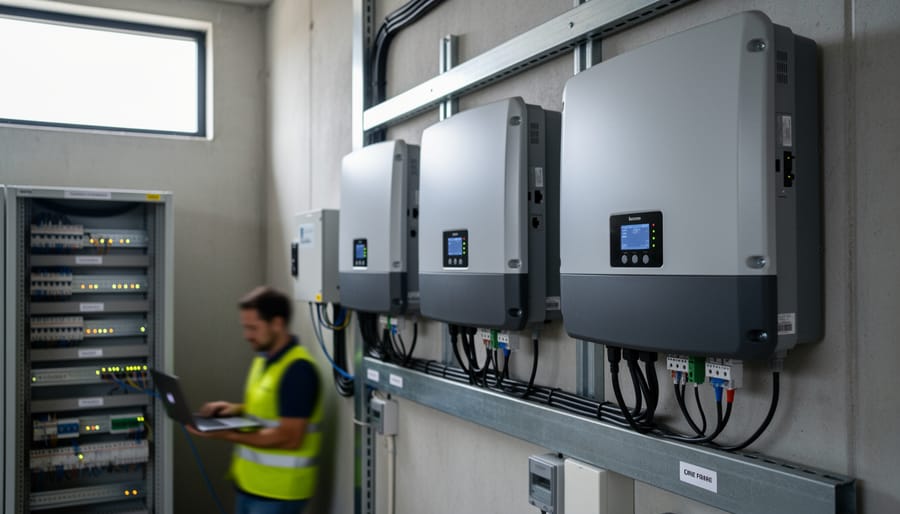
Cloud-based platforms, mobile applications, and web interfaces that manage monitoring systems present significant security challenges for solar installations. These platforms often suffer from inadequate authentication mechanisms, including weak password policies and absent multi-factor authentication requirements, allowing unauthorized users to access sensitive operational data.
Many monitoring applications transmit data without proper encryption, exposing system performance metrics, energy production figures, and configuration details to potential interception. Web interfaces frequently contain outdated software components with known security flaws, creating entry points for attackers. Additionally, application programming interfaces (APIs) used to connect various system components may lack proper access controls or input validation, enabling unauthorized commands to be executed remotely.
Mobile applications pose particular risks due to insecure data storage on devices and insufficient session management. Research conducted in collaboration with universities has identified that many solar monitoring platforms store credentials in plain text or use default administrative passwords that remain unchanged after installation. These vulnerabilities can allow malicious actors to manipulate system settings, falsify performance data, or disrupt energy production entirely, highlighting the critical need for robust security protocols across all monitoring interfaces.
Network Segmentation Failures
Network segmentation represents a critical defensive layer that many solar installations overlook, creating pathways for attackers to exploit. When solar photovoltaic systems connect to broader organizational networks without proper isolation, compromised solar equipment becomes a gateway to sensitive corporate infrastructure, operational technology systems, and administrative networks.
The fundamental vulnerability emerges from flat network architectures where solar inverters, monitoring systems, and energy management platforms share the same network space as business computers, financial systems, and human resources databases. Once attackers breach a solar component—often the least defended entry point—they can move laterally across the network, escalating privileges and accessing increasingly valuable targets. This lateral movement capability transforms what might seem like a minor solar system compromise into an organization-wide security incident.
Industrial control systems managing solar arrays frequently lack the segregation needed to contain threats. Without virtual LANs, firewalls, or access control lists separating operational technology from information technology environments, malicious actors exploit trust relationships between systems. Universities researching renewable energy cybersecurity have documented cases where initial compromises of solar monitoring interfaces led to broader network infiltration.
Effective network segmentation requires implementing multiple security zones with strictly controlled communication pathways between them. Solar installations should operate within dedicated network segments, limiting interactions with other infrastructure to essential, authenticated traffic only. This architectural approach significantly reduces attack surface area and contains potential breaches.
Real-World Threat Scenarios PV Professionals Must Understand
Ransomware Attacks on Solar Farms
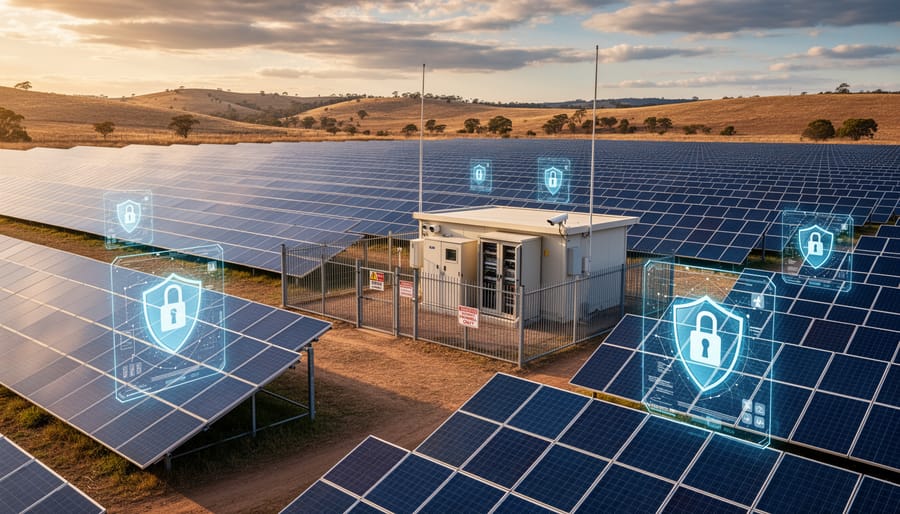
Ransomware attacks represent one of the most financially damaging cybersecurity threats to solar farm operations. In these attacks, cybercriminals encrypt critical control systems and demand payment for restoration, effectively holding entire installations hostage. The consequences extend beyond immediate operational disruption—a compromised solar farm can experience weeks of downtime, resulting in substantial revenue losses and potential grid destabilization.
In 2019, a municipal solar facility in the United States experienced a ransomware attack that encrypted its supervisory control and data acquisition (SCADA) system, forcing operators to switch to manual monitoring for several days. More recently, European solar operators have reported targeted campaigns where attackers gained access through unsecured remote management interfaces, encrypting monitoring dashboards and inverter control software.
The financial impact is significant. A medium-sized solar farm losing connectivity for just one week during peak production season can forfeit hundreds of thousands of dollars in revenue while simultaneously facing ransom demands ranging from $50,000 to several million dollars. Additionally, encrypted systems may compromise historical performance data essential for maintenance scheduling and warranty claims. Prevention requires multi-layered security approaches including network segmentation, regular offline backups of control system configurations, and comprehensive access management protocols that limit remote entry points to authorized personnel only.
Data Manipulation and Energy Fraud
Data manipulation represents one of the most financially damaging cybersecurity threats facing solar installations today. Attackers can infiltrate monitoring systems to alter production data, creating discrepancies between actual and reported energy generation. This manipulation directly impacts revenue streams, particularly in installations that participate in feed-in tariff programs or renewable energy certificate markets.
Sophisticated attacks target billing systems to underreport consumption or overstate production, leading to fraudulent financial gains. In commercial settings, compromised energy management systems may redirect credits to unauthorized accounts or manipulate time-of-use data to exploit peak pricing periods. These attacks often go undetected for months, as altered data appears legitimate within normal operational parameters.
Research from academic institutions has documented cases where attackers accessed inverter communication protocols to falsify performance metrics, affecting warranty claims and maintenance scheduling. The financial implications extend beyond direct theft—manipulated data undermines performance guarantees, distorts system optimization efforts, and erodes stakeholder trust. Implementing robust authentication mechanisms, encrypted data transmission, and regular audit trails helps protect against these increasingly prevalent threats in interconnected solar infrastructure.
Distributed Denial-of-Service Through Solar Assets
Compromised solar inverters and monitoring systems can be conscripted into distributed denial-of-service (DDoS) botnets, transforming renewable energy infrastructure into unwitting attack vectors. When hackers exploit vulnerabilities in connected solar devices, they can commandeer these systems to flood external targets with coordinated traffic requests. The 2016 Mirai botnet, which weaponized Internet of Things devices to launch one of history’s largest DDoS attacks, demonstrated this threat’s real-world viability.
Solar installations present particularly attractive targets for botnet recruitment due to their persistent internet connectivity, often-limited security protocols, and distributed geographic deployment. A single compromised solar portfolio spanning multiple sites could contribute substantial bandwidth to coordinated attacks against critical infrastructure, financial institutions, or government networks. The operational impact extends beyond the immediate attack victim—participating solar systems may experience degraded performance, increased network costs, and potential liability exposure. Furthermore, such exploitation undermines stakeholder confidence in renewable energy technology adoption. Protecting solar assets requires implementing network segmentation, regular firmware updates, and continuous monitoring to detect anomalous traffic patterns before systems become weaponized components of malicious campaigns.
Essential Cybersecurity Measures for Solar Installations
Secure-by-Design Principles for PV Systems
Implementing security from the ground up represents the most effective approach to protecting photovoltaic infrastructure. During the design phase, system architects must prioritize network segmentation, separating critical operational technology from information technology networks to contain potential breaches. Component selection should emphasize hardware with embedded security features, including encrypted communication protocols, secure boot capabilities, and regular firmware update mechanisms.
Authentication frameworks must be robust, requiring multi-factor authentication for all administrative access points and implementing role-based access controls that limit user permissions to necessary functions only. When integrating digital innovation in solar systems, specify components from manufacturers with demonstrated commitment to security through transparent vulnerability disclosure programs and timely patch releases.
Physical security considerations extend beyond traditional concerns to include tamper-evident enclosures for inverters and data communication devices. Network architecture should incorporate intrusion detection systems and employ encrypted VPN connections for remote monitoring. Documentation of security configurations, regular security audits during installation, and establishing clear incident response protocols complete the secure-by-design framework that protects systems throughout their operational lifetime.
Authentication and Access Control Best Practices
Implementing robust authentication and access control measures forms the cornerstone of solar system cybersecurity. Multi-factor authentication (MFA) should be mandatory for all users accessing solar monitoring platforms, inverter controls, and energy management systems. This approach combines something users know (passwords), something they have (security tokens or mobile devices), and potentially something they are (biometric verification), significantly reducing unauthorized access risks.
Role-based access control (RBAC) ensures that system users only access functions necessary for their responsibilities. Installers require different privileges than facility managers or monitoring technicians. Define clear access levels: read-only for reporting personnel, configuration rights for engineers, and administrative privileges for security personnel only. Regular access audits help identify and remove unnecessary permissions as roles change.
Password management strategies specific to solar installations must address extended system lifecycles. Implement minimum password complexity requirements with at least 12 characters combining uppercase, lowercase, numbers, and special characters. Mandate password changes every 90 days for critical systems. Avoid default manufacturer credentials, which remain a primary vulnerability in photovoltaic systems. Utilize password managers to maintain unique credentials across multiple devices and platforms. For large-scale installations, consider implementing single sign-on solutions that centralize authentication while maintaining security protocols across distributed solar assets.
Encryption, Firmware Updates, and Patch Management
End-to-end encryption forms the foundation of secure solar system communications, protecting data as it travels between inverters, monitoring platforms, and control systems. Without encryption, attackers can intercept sensitive performance data or inject malicious commands into system operations. Industry professionals should prioritize devices supporting AES-256 encryption and secure protocols like TLS 1.3 for all network communications.
Regular firmware updates address newly discovered vulnerabilities that manufacturers identify after deployment. Solar inverters and energy management systems require systematic update schedules, as outdated firmware creates exploitable entry points for cybercriminals. Organizations should establish quarterly review cycles to assess available patches and security updates across their device inventory.
Patch management extends beyond individual components to encompass the entire solar ecosystem. Coordinating updates across inverters, smart meters, and battery storage systems prevents compatibility issues while maintaining security integrity. Academic research from university partnerships has shown that systems with active patch management experience 73% fewer security incidents compared to those with reactive approaches. Implementing automated update notifications and maintaining detailed firmware version logs helps PV professionals track compliance and identify vulnerable equipment requiring immediate attention.
Continuous Monitoring and Incident Response
Implementing robust continuous monitoring begins with deploying AI-powered monitoring tools that track system behavior in real-time. These platforms establish baseline performance patterns and automatically flag deviations that may indicate security breaches, such as unauthorized configuration changes or unusual data transmission patterns. Security Information and Event Management (SIEM) systems should aggregate logs from inverters, controllers, and network devices for centralized analysis.
Effective anomaly detection requires setting appropriate thresholds for voltage fluctuations, communication irregularities, and access patterns. Machine learning algorithms enhance detection accuracy by adapting to evolving threat landscapes. Develop comprehensive incident response protocols that clearly define escalation procedures, containment strategies, and communication channels. Response plans should designate specific team members responsible for investigating alerts, isolating compromised equipment, and coordinating with manufacturers or cybersecurity specialists. Regular tabletop exercises and simulated breach scenarios help teams refine response capabilities, ensuring rapid recovery while minimizing operational downtime and protecting energy production continuity.
Regulatory Frameworks and Industry Standards
IEC 62443 and Solar-Specific Security Standards
The IEC 62443 series provides a comprehensive framework for securing industrial automation and control systems (IACS), making it highly relevant to solar photovoltaic installations that increasingly rely on digital monitoring and control infrastructure. This standard addresses the unique operational technology environment of solar farms, which bridges information technology and industrial control systems.
For solar installations, IEC 62443 compliance involves implementing security zones and conduits, establishing access control policies, and maintaining continuous monitoring of inverters, SCADA systems, and energy management platforms. The standard defines four security levels, allowing facilities to align protection measures with their specific risk profiles and operational requirements.
Solar-specific applications of IEC 62443 include securing communication protocols between inverters and monitoring systems, protecting firmware update processes, and establishing network segmentation to isolate critical control functions. Compliance requires documented security policies, regular vulnerability assessments, and incident response procedures tailored to operational technology environments.
While IEC 62443 remains voluntary in most jurisdictions, major utilities and corporate energy buyers increasingly require adherence as part of power purchase agreements. Professional training programs now incorporate these standards, helping photovoltaic technicians and system designers understand both the technical requirements and business justification for implementing robust cybersecurity measures across solar installations of all sizes.
Grid Connection Security Requirements
Grid-connected solar installations must comply with stringent utility-mandated security protocols to protect critical infrastructure. The North American Electric Reliability Corporation (NERC) Critical Infrastructure Protection (CIP) standards establish baseline cybersecurity requirements for systems connected to the bulk electric grid. While smaller residential installations typically face fewer regulatory requirements, commercial and utility-scale projects must demonstrate compliance through comprehensive security audits and certifications.
IEEE 1547-2018 serves as the primary standard governing distributed energy resource interconnection, incorporating cybersecurity considerations for communication protocols and control systems. Utilities increasingly require inverter manufacturers to obtain UL 1741 certification with cybersecurity addendums, ensuring devices incorporate authentication mechanisms, encrypted communications, and secure firmware update capabilities.
Grid operators mandate specific technical requirements including network segmentation, firewall configurations, and intrusion detection systems for solar facilities exceeding certain capacity thresholds. Many utilities now require Independent System Operator (ISO) coordination for advanced inverter functions, necessitating secure communication channels and regular penetration testing. Installers and system integrators must maintain documentation demonstrating adherence to these protocols, with periodic third-party assessments validating ongoing compliance. Understanding these requirements is essential for professionals designing grid-connected systems, as non-compliance can result in interconnection delays, financial penalties, or system disconnection.
Building Cybersecurity Competency for PV Professionals
Essential Skills and Knowledge Areas
Professionals entering the solar cybersecurity field should develop a multifaceted skill set that bridges renewable energy technology with information security. Network security fundamentals form the foundation, including understanding TCP/IP protocols, firewall configuration, and intrusion detection systems specifically as they apply to photovoltaic installations. Knowledge of industrial control systems (ICS) and supervisory control and data acquisition (SCADA) systems is essential, as these technologies govern modern solar array operations.
Proficiency in encryption protocols and secure authentication methods protects communication between inverters, monitoring systems, and grid connections. Understanding vulnerability assessment techniques enables professionals to identify weak points in solar infrastructure before malicious actors exploit them. Familiarity with IoT security principles is increasingly critical as smart inverters and connected monitoring devices proliferate across installations.
Equally important are regulatory compliance frameworks, including NERC CIP standards for grid-connected systems and data privacy regulations governing consumer energy information. Risk assessment methodologies help prioritize security investments based on actual threat profiles. Many universities now collaborate with industry leaders to offer specialized programs combining photovoltaic engineering with cybersecurity training, providing structured pathways for skill development. Continuous learning through professional certifications, industry workshops, and hands-on laboratory experience ensures professionals remain current with evolving threats and protective technologies.
Educational Resources and Professional Development
As solar cybersecurity becomes increasingly critical, professionals need access to quality education and training opportunities. Several industry-recognized certification programs now address solar system security, including specialized courses in industrial control systems (ICS) security and IoT protection specifically tailored for renewable energy applications.
Mose Solar collaborates with leading universities to develop comprehensive educational programs that bridge the gap between photovoltaic technology and cybersecurity fundamentals. These partnerships provide hands-on training in threat assessment, vulnerability management, and incident response protocols specific to solar installations. Participants gain practical experience with real-world scenarios, learning to identify attack vectors and implement protective measures effectively.
Professional development options include online courses, in-person workshops, and certification paths from organizations like the Global Information Assurance Certification (GIAC) and ISA/IEC 62443 industrial cybersecurity standards. Many programs offer modular learning approaches, allowing professionals to advance their expertise while maintaining their current roles.
Industry conferences and webinars provide ongoing learning opportunities, featuring case studies, emerging threat intelligence, and best practices from leading experts. Regular participation in these educational forums ensures that solar professionals stay current with evolving cybersecurity challenges and defense strategies in an increasingly connected energy landscape.
As the solar photovoltaic industry continues its rapid expansion and integration into critical energy infrastructure, cybersecurity has transitioned from an optional consideration to an essential competency. The interconnected nature of modern smart solar PV systems creates unprecedented opportunities for efficiency and grid optimization, but simultaneously introduces vulnerabilities that malicious actors can exploit. For professionals entering or advancing within the renewable energy sector, cybersecurity literacy is no longer a specialized skill—it is a fundamental requirement for responsible system design, deployment, and management.
The threats facing solar installations are evolving in sophistication and frequency. From ransomware attacks targeting operational technology to firmware manipulation in inverters and compromised monitoring platforms, the attack surface continues to expand. As distributed energy resources become increasingly integrated with smart grids and participate in energy markets, the potential consequences of security breaches extend beyond individual installations to affect grid stability and energy reliability at scale.
Professionals who understand both photovoltaic technology and cybersecurity principles position themselves at the forefront of industry innovation. This expertise enables them to contribute meaningfully to resilient system architectures, implement effective security protocols, and respond appropriately to emerging threats. Universities and industry leaders are recognizing this need by developing specialized educational programs that bridge renewable energy and information security disciplines.
The imperative is clear: prioritize cybersecurity training as an integral component of professional development. Stay informed about evolving threat landscapes through industry publications, security bulletins, and continuing education opportunities. Engage with professional networks to share knowledge and best practices. The future of sustainable energy depends not only on technological advancement but on our collective commitment to protecting these critical systems from cyber threats.